
Used Freightliner Trucks For Sale in Utah
Used Freightliner trucks in Utah, from Cascadia sleepers to day cabs and box trucks with guidance on tare weight, corrosion, floor strength, cooling.
Selling a used freightliner truck? List your used freightliner truck for sale and reach thousands of commercial buyers.
Used Freightliner Trucks in Utah
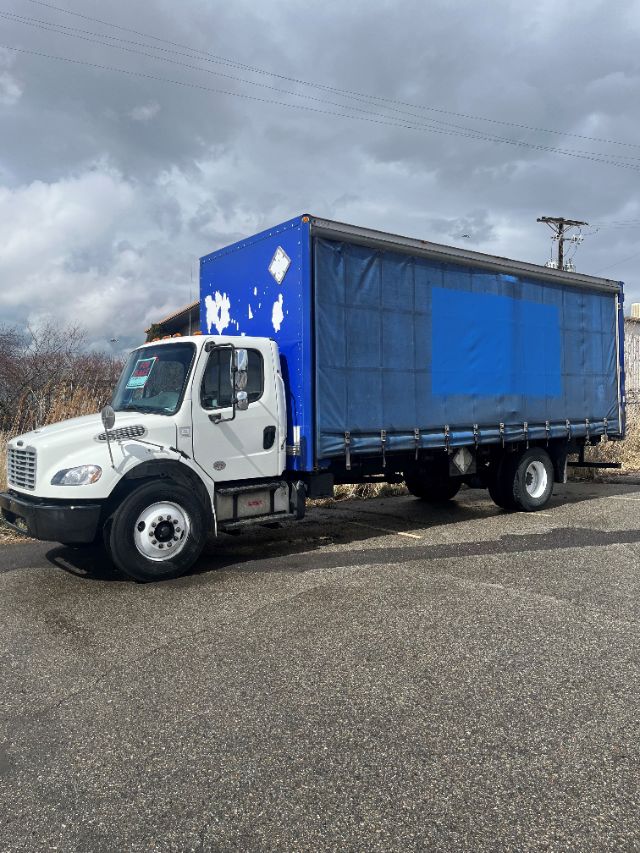
Floor strength matters most on straight trucks with van or reefer bodies, and it starts with crossmember spacing and deck construction. Hardwood or laminated oak floors, aluminum plank, or composite panels paired with 12 inch crossmember spacing support forklift traffic, while 16 inch spacing saves weight but reduces point load capacity. Look for full height scuff liners, aluminum or UHMW, stainless rear threshold caps, and sound rear sill welds to control edge wear and water intrusion. On vocational units, inspect dump or mixer floors for abrasion plate rating and weld integrity; on tractors, verify deck plate mounting and fifth wheel top plate condition if you stage freight or carry dunnage on the frame.
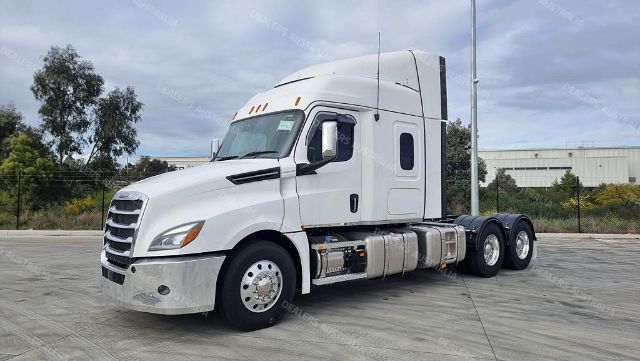
Tare weight drives payload and fuel burn on Utah corridors, so prioritize weight efficient specs. Aluminum wheels, aluminum air tanks, lighter battery boxes, and a right sized fuel capacity trim hundreds of pounds; wide base singles help on linehaul, but duals improve snow traction. Aerodynamic Cascadia packages with cab extenders, side skirts, and roof fairings cut drag; mid roof sleepers lower weight and profile for flatbed work. Axle ratios in the 2.47 to 2.85 range suit interstate cruising with downsped engines, while 3.08 to 3.55 ratios improve grade ability for heavier Rocky Mountain hauls; match ratios to transmission top gear and tire size to hold cruise rpm in the efficient band. Tire inflation systems or TPMS maintain optimal pressure, preserving casing life and reducing rolling resistance on long Utah runs.
Utah uses magnesium chloride in winter, so corrosion resistance is a key differentiator. Freightliner cabs use aluminum and composite panels that resist rust, while frames rely on coatings and e coat; inspect inner frame flanges, crossmember interfaces, battery boxes, aftertreatment clamps, and DEF tank straps for swelling, rust creep, or white oxidation. Stainless fasteners, sealed Deutsch connectors, and intact loom improve long term electrical reliability. Thermal integrity deserves attention, both in powertrain and in any insulated bodies; keep radiators and charge air coolers clean for margin on long climbs, confirm fan clutch engagement, and check coolant service history. On reefer or insulated box trucks, verify door seals, drain tubes, and insulation R value to protect product and minimize compressor hours. Cab HVAC performance, bunk heaters, APUs, and optimized idle reduce winter idling and help maintain DPF health at altitude.
Frequently Asked Questions about Used Freightliner Trucks in Utah
Which used Freightliner models are most common in Utah and how do they differ?
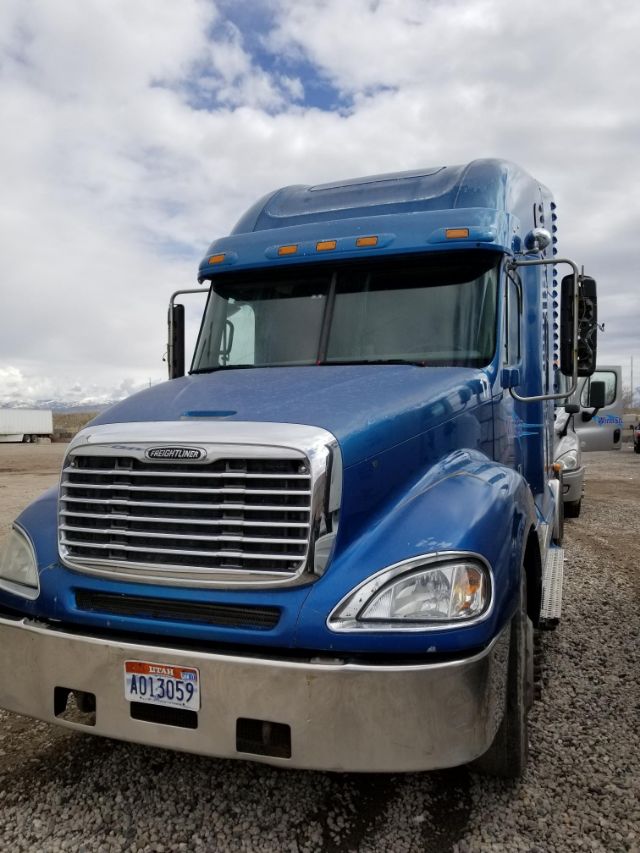
Cascadia day cabs and sleepers dominate long haul and regional routes thanks to aerodynamic design and integrated Detroit powertrains. Business Class M2 106 and M2 112 cover box, reefer, and stake body delivery with lighter tare and tight turning. The 108SD and 114SD handle construction, dump, mixer, and plow work with heavier frame rails, higher axle ratings, and PTO friendly layouts. Older Columbia and Coronado units appear in vocational or value linehaul roles; they can be cost effective if frames, wiring, and aftertreatment, where applicable, are in good shape.
How do I evaluate floor strength on a used Freightliner box or reefer truck?
Check the body spec plate for crossmember spacing and deck type, then verify it physically. Twelve inch crossmember spacing supports higher point loads, while sixteen inch spacing reduces tare but is less forklift friendly. Inspect hardwood or composite floors for crushed grain, cracked seams, and fastener pull through, look for full height scuff liners and stainless rear threshold caps, and examine the rear sill and door frame for impacts or corrosion. For reefer bodies, also confirm the dock plate area is not delaminating and that the floor drains are clear to prevent freeze damage.
How does tare weight vary by configuration and how does it affect payload in Utah?
Sleeper tractors with 6x4 rears, full fairings, and large fuel capacity weigh more than day cabs or medium duty straight trucks, which reduces available payload or margin under Utah bridge limits. Weight saving choices include aluminum wheels, aluminum air tanks, right sized fuel, and lighter sleepers or day cab conversions. Wide base singles can remove weight and lower rolling resistance on linehaul, while duals may be preferred for winter traction. The federal 400 pound APU allowance can offset idle reduction equipment, and maintaining correct tire pressure with TPMS or tire inflation systems protects payload by avoiding overweight readings due to heat buildup.
What powertrain specs work best for mountain grades and high summer temps in Utah?
Engines in the 13 to 15 liter class with 1,550 to 1,850 lb ft torque pair well with automated manuals such as the DT12 or Eaton Advantage for controlled downshifts on grades. Choose axle ratios that keep cruise rpm in the efficient range yet allow grade ability, for example 2.47 to 2.85 for downsped interstate work, 3.08 to 3.55 for heavier or steeper routes. Verify a strong engine brake or retarder, a clean charge air cooler and radiator, solid fan clutch engagement, and intact CAC boots. For vocational work, confirm PTO provision, cooling package size, and underhood airflow are adequate for low speed, high load days.
What corrosion hotspots should I check on a used Freightliner that has run Utah winters, and how can I mitigate issues?
Focus on inner frame flanges, crossmember bolt holes, battery boxes, cab mounts, radiator support, aftertreatment clamps and hangers, DEF tank straps, and aluminum steel interfaces such as fairing brackets. Look for bubbling paint, rust jacking between frame and brackets, and white oxidation on aluminum. Preventive steps include thorough undercarriage rinses after storms, spot treating with rust converter and topcoat, replacing corroded hardware with stainless where appropriate, sealing harness connectors with dielectric grease, and using anti seize between dissimilar metals to slow galvanic activity.