
Used Freightliner Cab and Chassis Trucks For Sale
Used Freightliner cab and chassis trucks for sale. Compare M2, 108SD, 114SD specs, wheelbase, axles, PTO, brakes, and emissions to match your upfit.
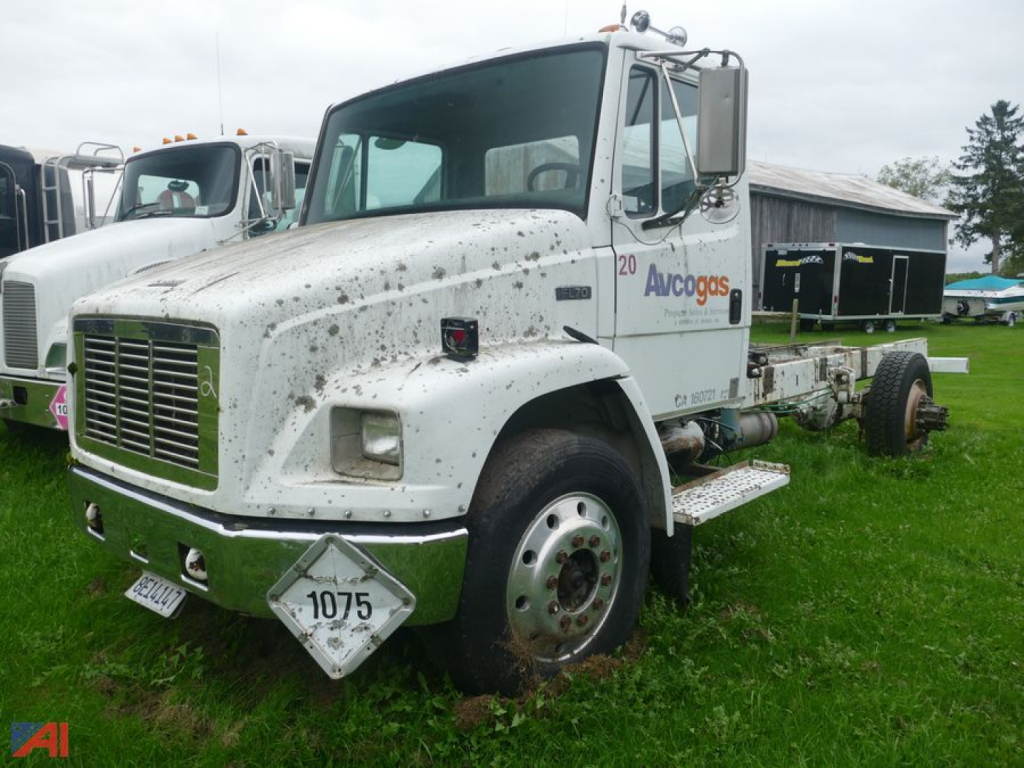
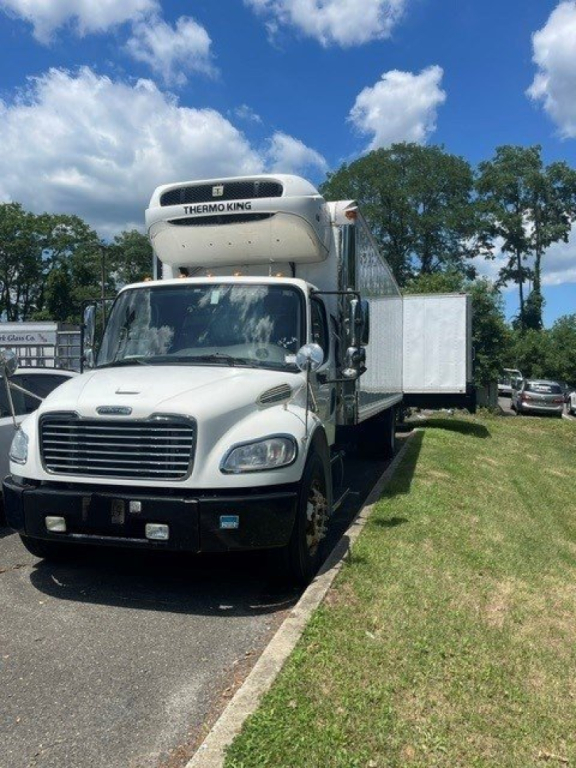
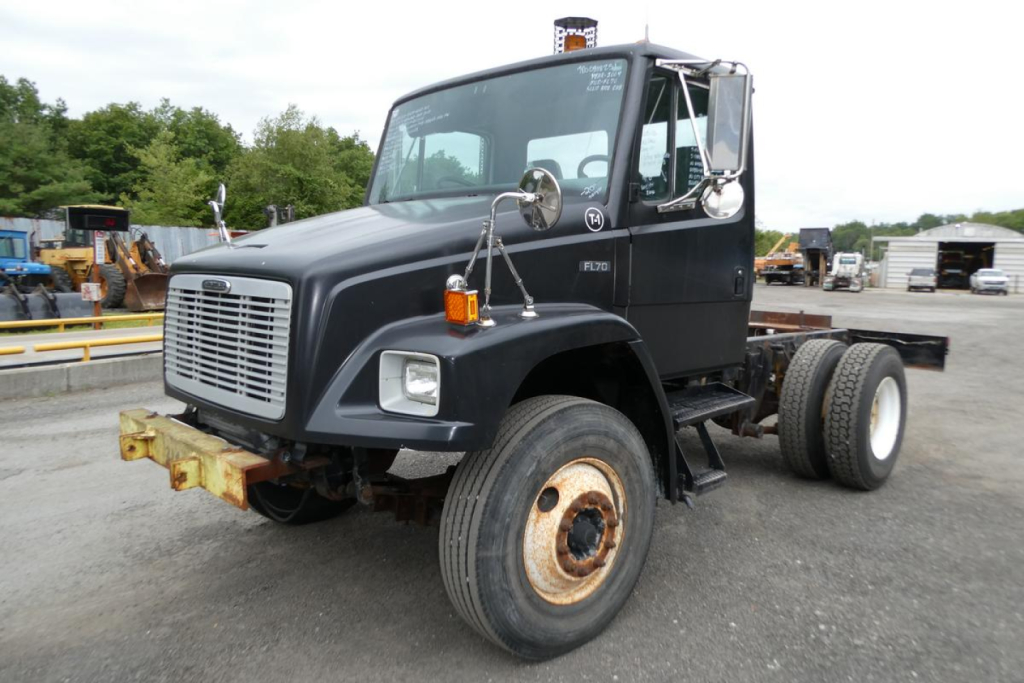
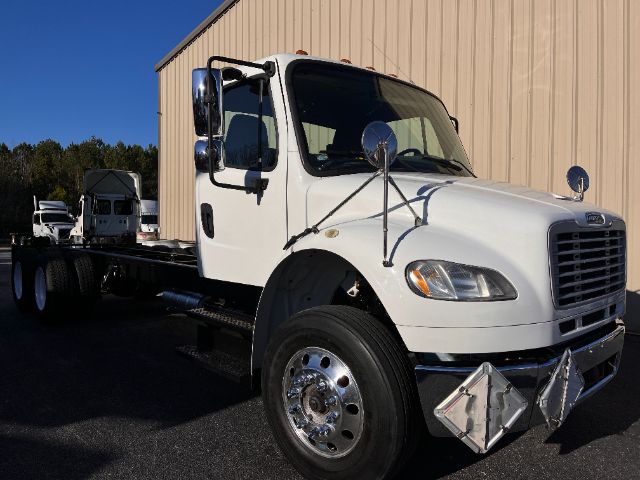
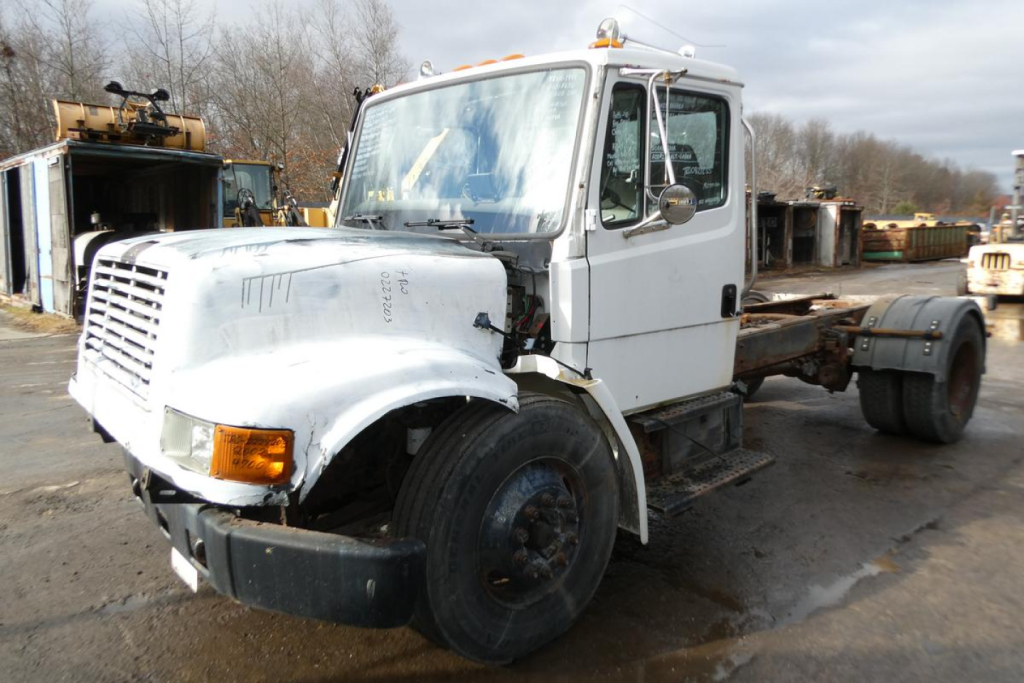
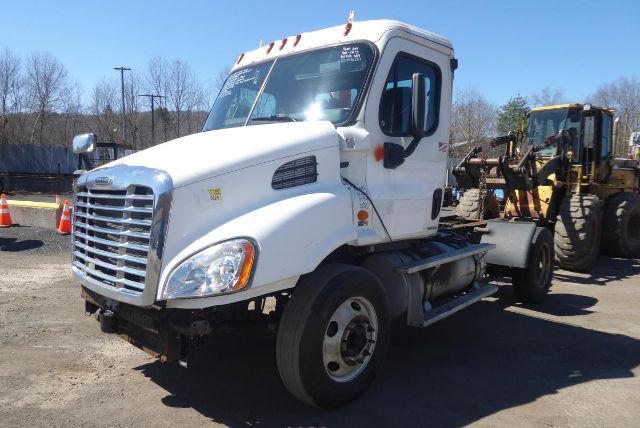
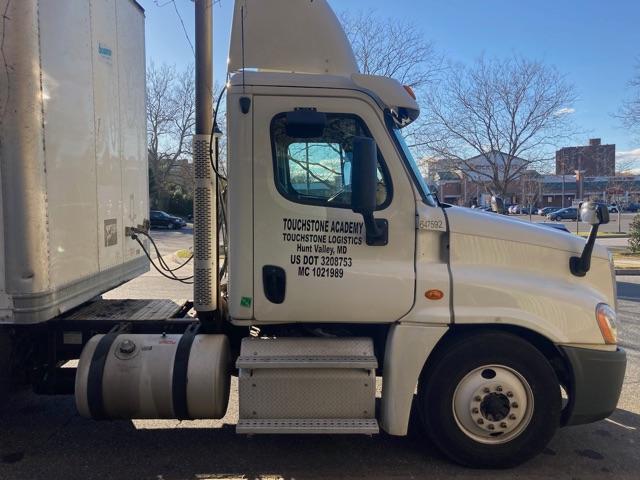
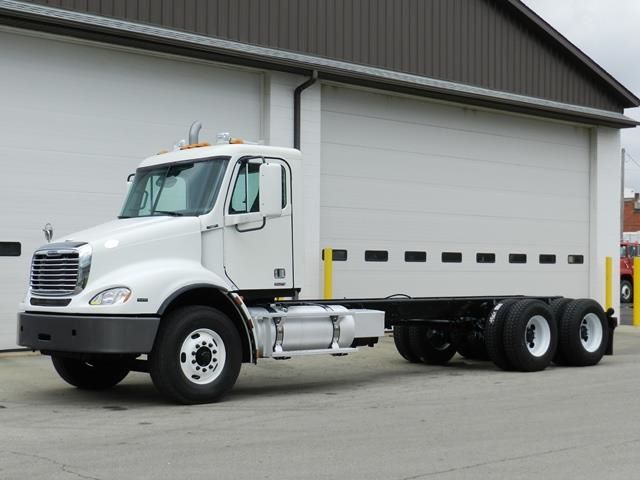
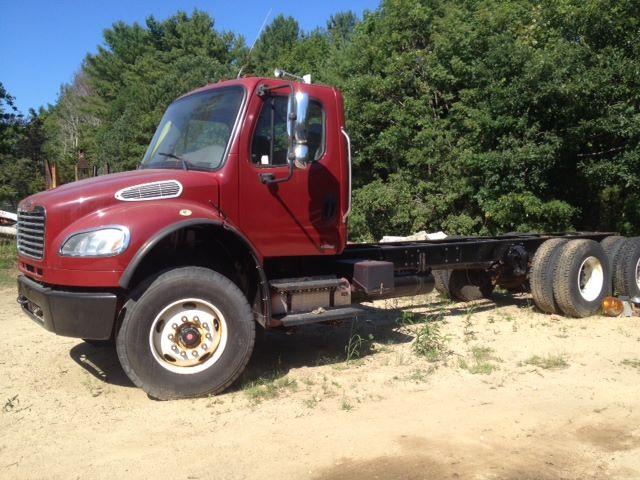

Selling a used freightliner cab and chassis truck? List your used freightliner cab and chassis truck for sale and reach thousands of commercial buyers.
Used Freightliner Cab and Chassis Trucks
Powertrain choice is mainly Cummins B6.7 or L9 and Detroit DD5, DD8 or DD13 depending on class and model. Freightliner M2 106 dominates medium duty, with 108SD and 114SD covering severe duty, and some Cascadia-based straight truck chassis showing up in heavier on-highway builds. Allison 2000 and 3000 Series automatics are common for delivery, utility and PTO work. Eaton manual and UltraShift Plus automated manuals appear on heavier vocational specs, including 8LL for startability and low-speed control. Match rear axle ratios to your duty cycle. Deep ratios improve launch with heavy bodies or off-road jobsites, while mid to tall ratios cut cruise RPM for regional highway runs. Look for inter-axle locks and driver-controlled diffs on tandem units that leave pavement.
Upfit readiness separates a good chassis from a problem child. Clean back-of-cab packaging, outboard fuel and DEF tanks and horizontal exhaust free up space for hydraulics, PTO shafts and hoists. Freightliner’s SmartPlex multiplex wiring, dash PTO switches and body builder connectors simplify lighting and accessory integration. Front frame extensions, set-forward axles and higher front axle ratings are common on plow and municipal builds. Suspension choice affects ride, stability and payload. Spring suspensions are simple and robust. AirLiner or Hendrickson air ride protects sensitive cargo and operators. TufTrac and other vocational suspensions improve articulation and durability on construction fleets. Tire size matters too. 19.5 inch rubber keeps deck heights low on Class 5-6, while 22.5 inch tires deliver capacity and commonality on Class 7-8.
Buying used adds a few checkpoints. Confirm aftertreatment health on 2010 and newer engines by reviewing regen history and any DPF or NOx sensor replacements. High idle hours without mileage can point to PTO-heavy service. Inspect frame rails for extra drill holes, heat damage from torch work and signs of previous body mounts that conflict with your new upfit. Check battery box, DEF and tank placement against your body plan, and ensure PTO provisions match your hydraulic needs. Air brakes are preferred above 26,000 lb GVWR and if you pull air-brake trailers, while hydraulic brakes can lower maintenance on lighter chassis. For California and other CARB states, engine year 2010 or newer is typically required for compliance. Common applications for used Freightliner cab and chassis units include dump, hooklift, roll-off, crane service, utility, van, stake, tanker and rollback, so match spec to job before you buy.
Frequently Asked Questions about Used Freightliner Cab and Chassis Trucks
Which Freightliner cab and chassis models are most common and how do they differ?
Freightliner M2 106 covers most medium-duty needs with GVWRs from the high teens to the low 30s and tight turning for urban routes. The 108SD and 114SD are vocational chassis with heavier frame rails, higher axle ratings, front frame extensions and options like double frames for dumps, mixers, refuse and cranes. Some straight truck builds are based on Cascadia for fleets that want on-highway cab ergonomics with a box or specialized body. Choose M2 for general delivery and utility upfits, and SD-series for severe duty and high front or rear axle loads.
How do I match wheelbase and CA to the body length I need?
Use the CA measurement, which is the distance from the back of cab to the centerline of the rear axle on single-axle units or to the midpoint between tandems on 6x4. For many van and flatbed bodies, body length is roughly CA plus 3 to 8 inches, but confirm with your upfitter’s chart. Also verify rear overhang limits, frame height, and where fuel, DEF and battery boxes sit so hoists, outriggers and liftgates have room. Tandem applications should be checked against bridge law and axle load targets before finalizing wheelbase.
Should I choose air or hydraulic brakes on a used cab and chassis?
Air brakes are the norm above 26,000 lb GVWR and whenever you plan to tow air-brake trailers or power air accessories. They offer better thermal capacity, easy component service and parking brake capability on the driveline or spring brakes. Hydraulic brakes can be a good fit for lighter Class 5-6 chassis, often at a lower initial cost with simpler maintenance, but they limit trailer compatibility and heat capacity on repeated heavy stops.
What transmission is best for PTO-driven equipment?
Allison automatic transmissions are popular because they pair well with hydraulic pumps, offer excellent low-speed control and reduce driver workload. Many have PTO provisions from the factory, with hot-shift options available. For heavy vocational work, Eaton 8LL manuals or automated manuals deliver strong startability and crawler ratios, though PTO spec details vary by model and side or rear-mount location. Confirm PTO opening, gear size and rotation with your hydraulic supplier before purchase.
What should I look for when inspecting a used Freightliner cab and chassis?
Check frame rails for straightness, cracks and extra holes, and verify RBM and any double-frame sections match your intended body. Review engine and aftertreatment service records for DPF cleanings, DEF system repairs and fault history. Inspect axle housings, suspension bushings, steering gear and kingpins for wear. Confirm axle ratios, locker specs and tire sizes align with your route and body weight. Look over wiring for non-factory splices, and make sure fuel, DEF and exhaust routing will not interfere with your upfit. In CARB states, ensure the engine year meets current compliance requirements.