
Used 2014 Freightliner Cab and Chassis Trucks For Sale
Shop used 2014 Freightliner cab and chassis trucks. Compare wheelbase, cab-to-axle, GVWR, engine, and upfit readiness for your job.
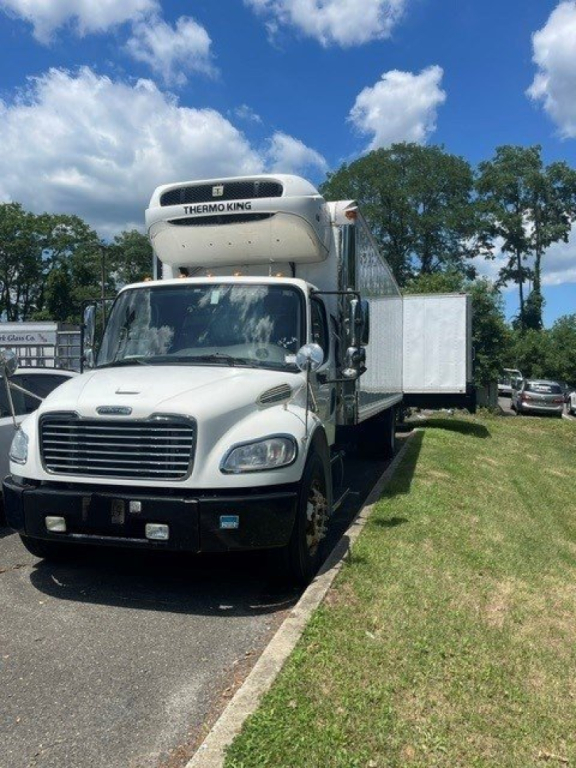
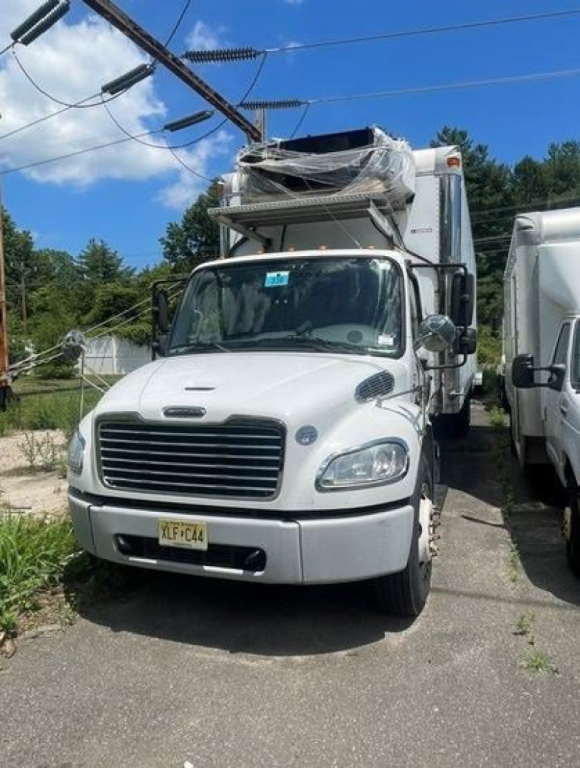

Have used 2014 freightliner cab and chassis truck to sell? List it here to reach thousands of buyers.
Used 2014 Freightliner Cab and Chassis Trucks
On a 2014 Freightliner chassis, the spec sheet matters more than paint or trim. GVWR, front axle rating, rear axle rating, suspension type, brake system, and frame section determine how well the truck will handle a finished body and payload. Medium-duty configurations often fall into Class 6 or Class 7 territory, while some chassis are set up at 33,000-pound GVWR and above. Common powertrain combinations include Cummins or Detroit diesel engines paired with Allison automatic or Fuller manual transmissions, depending on the original application. If the truck is being repurposed, buyers should confirm PTO compatibility, rear axle ratio, locking differential availability, and whether the frame is single, double, or reinforced for severe-duty work.
Used cab and chassis trucks deserve a closer look at frame condition than many other truck categories. Check for previous frame extensions, drilled rails, weld repairs, corrosion around crossmembers, and signs of old body removal. Cab-to-axle dimensions can make or break an upfit budget, and a truck with the wrong rear overhang can cost more to correct than a higher-priced chassis with the right measurements from the start. On a 2014 model, emissions system history also matters. Ask about DPF service, DEF system repairs, fault codes, and idle hours, especially on trucks that worked in municipal, utility, or local delivery cycles. A well-maintained Freightliner from this era can still be a strong platform, but the value is in the match between the chassis spec and the body you intend to install.
Freightliner remains a practical choice in this category because parts support, service familiarity, and body-builder acceptance are generally strong. The cab layout on M2-series trucks is easy to live with in local and regional work, and many fleets prefer them for driver accessibility and straightforward maintenance. For buyers comparing listings, the smartest approach is to start with the intended body type and loaded weight, then back into the required wheelbase, axle ratings, transmission, and frame spec. That process usually leads to a better truck than shopping by price alone.
Frequently Asked Questions about Used 2014 Freightliner Cab and Chassis Trucks
What should I measure first on a used 2014 Freightliner cab and chassis?
Start with wheelbase, cab-to-axle, and cab-to-end-of-frame. Those dimensions determine whether the chassis will accept the body length and equipment layout you need. After that, confirm GVWR, axle ratings, and frame type so the finished truck will carry the intended payload without being under-spec'd or requiring expensive frame modifications.
What bodies are commonly installed on a Freightliner cab and chassis?
These chassis are commonly used for dry van bodies, reefer bodies, flatbeds, stake beds, dump bodies, service trucks, utility bodies, hooklift systems, tow equipment, and tank applications. The right body depends on frame length, axle placement, suspension rating, PTO needs, and total finished weight. A chassis that worked in one application can often be repurposed, but only if the dimensions and ratings line up with the new build.
Are 2014 Freightliner cab and chassis trucks good for upfitting?
Yes, provided the chassis has the correct dimensions and a clean frame history. Freightliner medium-duty platforms are widely accepted by body builders, and parts and service support are generally strong. The main concern on a used unit is whether prior upfits, frame extensions, weld repairs, or corrosion have compromised the rail integrity or made the dimensions less suitable for your intended body.
What engine and transmission options are common on 2014 Freightliner cab and chassis trucks?
Many 2014 Freightliner cab and chassis trucks were spec'd with Cummins or Detroit diesel engines. Transmissions are often Allison automatics in vocational and stop-and-go work, while some heavier or more specialized builds use manual transmissions. The best choice depends on duty cycle, PTO requirements, terrain, and driver familiarity. Rear axle ratio should also be reviewed because it affects launch, cruising rpm, and overall job performance.
What used-truck issues should I watch for on a 2014 Freightliner chassis?
Pay close attention to emissions system condition, idle hours, frame modifications, suspension wear, and brake system health. Review DPF and DEF repair history, inspect the frame rails for extra holes or welds, and verify that the axle and suspension ratings still fit the intended application. On any cab and chassis, the cost of correcting a bad frame or wrong dimension can exceed the apparent savings of a lower purchase price.