
Used Freightliner Cab and Chassis Trucks For Sale in New Jersey
Shop used Freightliner cab and chassis trucks in New Jersey. Compare wheelbases, GVWR, engine options, PTO setup, and body-ready specs.
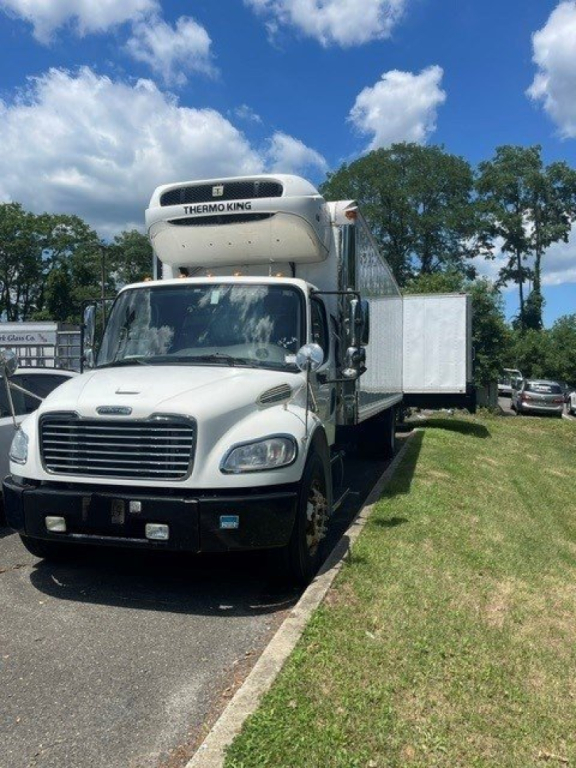
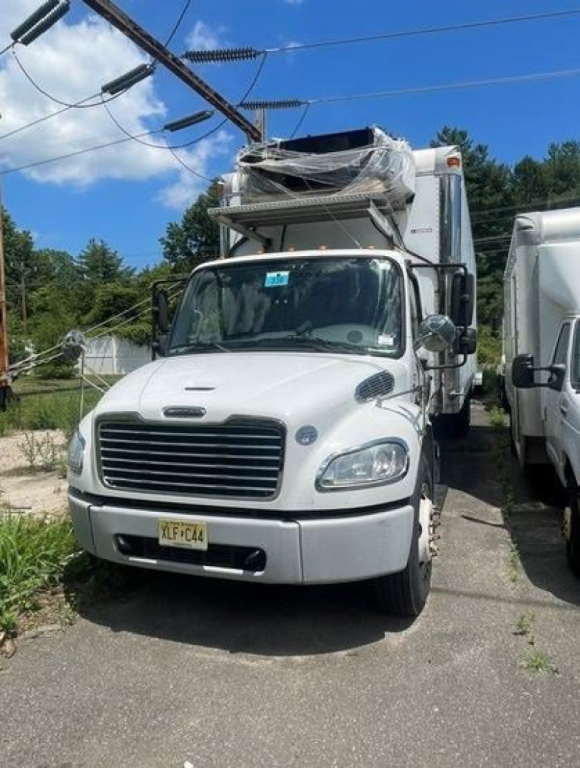

Looking for the easiest place to sell your used freightliner cab and chassis truck? List it here to reach thousands of buyers.
Used Freightliner Cab and Chassis Trucks in New Jersey
The first decision is usually GVWR, wheelbase, and cab-to-axle length. Those three measurements determine what body can be installed and how the finished truck will balance on the axles. Buyers should verify frame dimensions, rear axle rating, suspension type, and whether the chassis already has PTO provisions if the truck will run a dump body, rollback, crane, compressor, reefer unit, or hydraulic accessory. Freightliner cab and chassis trucks are often spec'd with diesel engines from the Cummins ISB or similar medium-duty platforms, paired with Allison automatic transmissions for stop-and-go work. Front axle capacity, fuel tank placement, exhaust routing, and clear frame space all matter when matching the chassis to the intended body.
On used units, the frame condition deserves close attention. Rust, previous body mounting holes, frame modifications, and crossmember repairs can affect upfit cost and long-term durability, especially in Northeast service where road salt is a factor. Check for idle hours, maintenance history, brake type, tire size, and any signs the truck spent its life overloaded or in severe vocational service. A clean used Freightliner cab and chassis with the right wheelbase can be a better value than a fully built truck that forces a body spec you do not need. Buyers should also confirm door opening clearance, interior layout, visibility, turning radius, and whether the chassis has the electrical architecture needed for body-builder integration.
Freightliner remains popular in the used cab and chassis market because parts support is strong and many technicians already know the platform. That matters when uptime is tied to local delivery schedules or seasonal work. For New Jersey buyers, it also helps to match the truck's spec to the operating environment: lower-profile bodies and tighter wheelbases for dense suburban routes, higher GVWR and stronger rear suspensions for construction or bulk service, and automatic transmissions for frequent stop cycles. The right used Freightliner cab and chassis is less about badge alone and more about getting the frame, axle ratings, and body dimensions aligned with the job from day one.
Frequently Asked Questions about Used Freightliner Cab and Chassis Trucks in New Jersey
What should I check first on a used Freightliner cab and chassis truck?
Start with the chassis measurements and ratings. GVWR, wheelbase, cab-to-axle, axle capacities, and frame rail dimensions determine what body the truck can legally and safely carry. After that, review engine and transmission specs, PTO capability, suspension, brake system, and frame condition. On a used truck, prior upfit holes, corrosion, and any frame modifications can change the real value of the chassis because they affect body installation cost and long-term durability.
Which Freightliner models are most common in cab and chassis configurations?
The Freightliner M2 106 is one of the most common cab and chassis platforms in medium-duty service. It is widely used for box trucks, reefers, flatbeds, dump bodies, utility bodies, and towing applications because it offers a broad range of wheelbases and body-builder-friendly specs. Depending on the job, buyers may also see heavier Freightliner vocational chassis, but the M2 platform is typically the backbone of the used Freightliner cab and chassis market.
Is a used cab and chassis better than buying a completed truck body?
It can be, especially if your operation needs a specific body length, liftgate, reefer unit, hoist, crane, or toolbox layout. A used cab and chassis gives more control over the final build and can prevent paying for a body that does not match your route or payload needs. The tradeoff is that the buyer has to confirm the chassis is truly body-ready, with the correct wheelbase, frame space, electrical provisions, and axle ratings for the intended upfit.
What matters most for New Jersey operation?
In New Jersey, buyers should pay close attention to maneuverability, corrosion exposure, and route-specific weight considerations. Tight streets, loading docks, and suburban service routes often favor shorter wheelbases and automatic transmissions. Because many trucks in the region see winter road salt, frame rust and brake line condition are especially important on used chassis. Bridge restrictions, municipal routes, and stop-and-go driving also make proper axle spec, turning radius, and service history more important than headline horsepower alone.
Can a used Freightliner cab and chassis be used for a reefer or box truck conversion?
Yes, many Freightliner cab and chassis trucks are used as the foundation for reefer bodies, dry van bodies, stake bodies, and other commercial upfits. The key is matching the cab-to-axle and wheelbase to the body length and verifying there is enough frame space for the body, liftgate equipment, refrigeration components, and fuel or battery placement. Buyers should also confirm the charging system, electrical connections, and mounting points are suitable for the planned body and accessories.