
Used Freightliner Cab and Chassis Trucks For Sale in New York
Browse used Freightliner cab and chassis trucks with common specs, GVWR ranges, wheelbase options, and upfit considerations for fleet buyers.
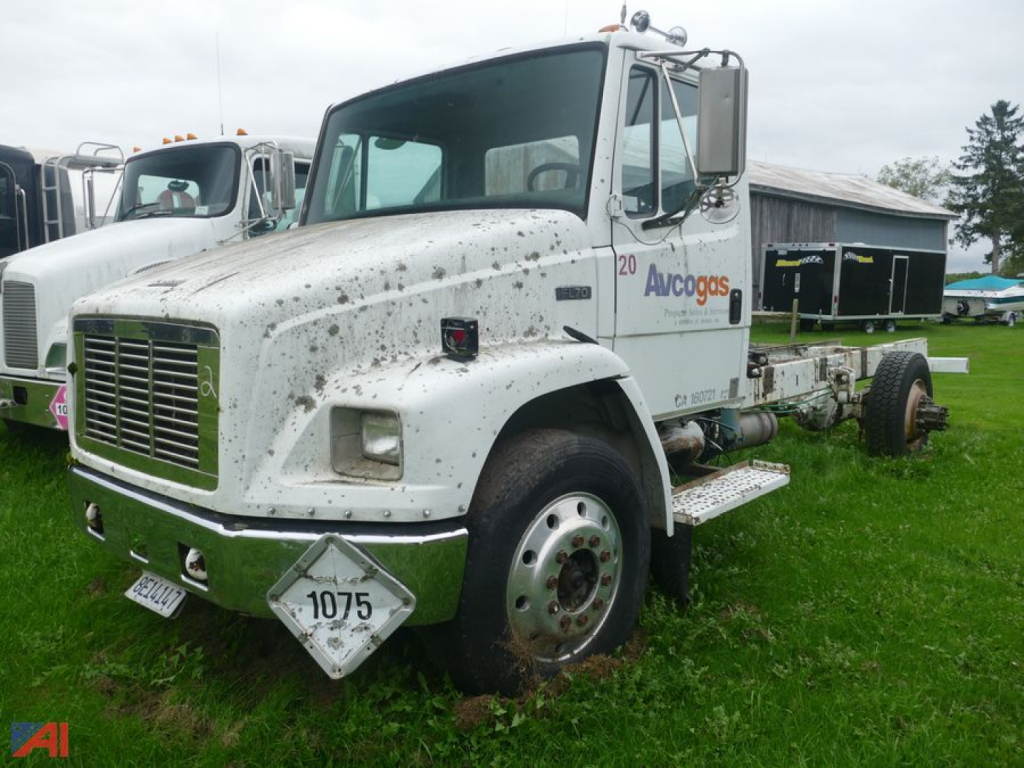
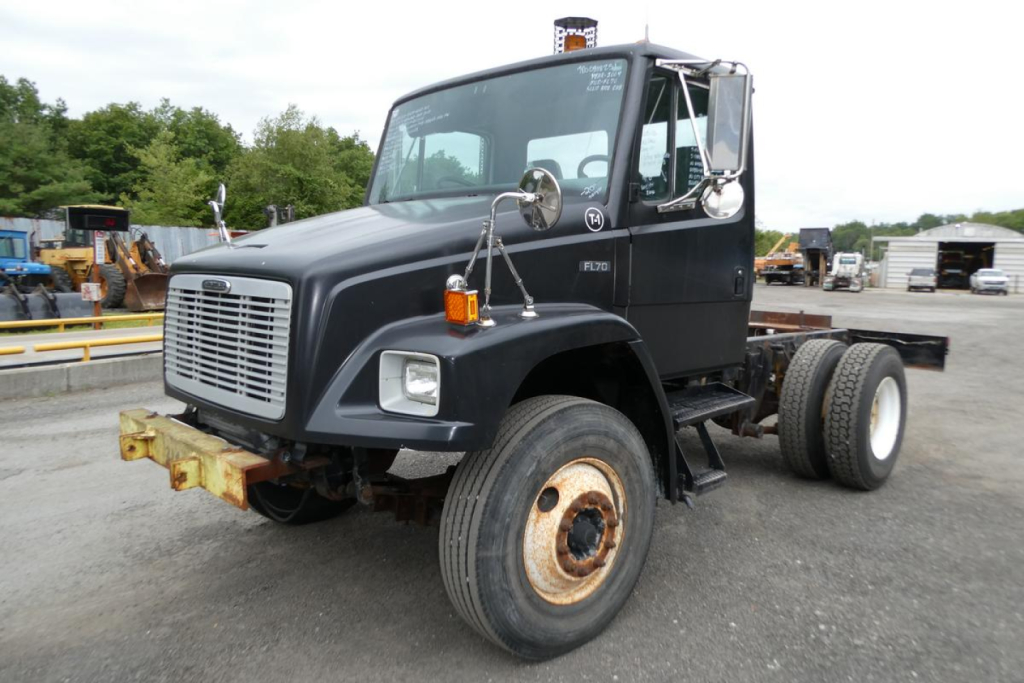
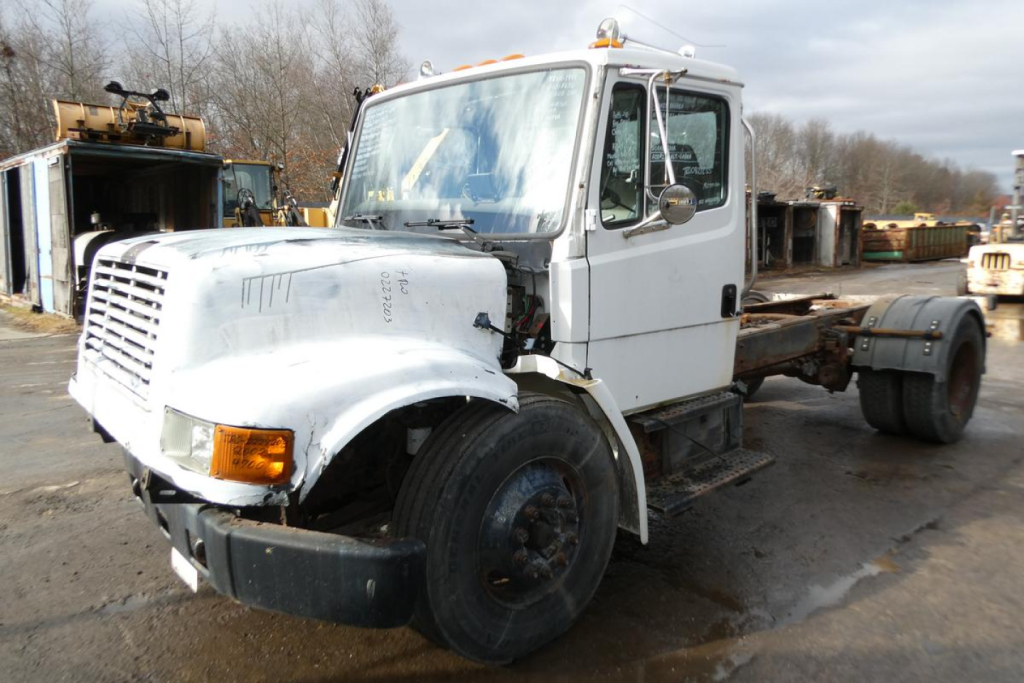
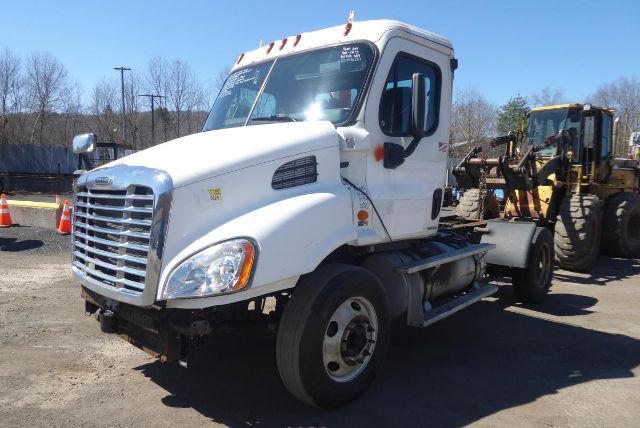
Selling a used freightliner cab and chassis truck? List your used freightliner cab and chassis truck for sale and reach thousands of commercial buyers.
Used Freightliner Cab and Chassis Trucks in New York
The first decision is usually chassis size and frame layout. Buyers should match GVWR, front axle capacity, rear axle rating, and suspension type to the body and payload the truck will actually carry. Many used Freightliner cab and chassis trucks in this segment fall around 26,000 to 33,000 lb GVWR, though exact ratings vary by model and axle package. Wheelbase and cab-to-axle dimensions matter just as much as gross weight because they determine what body length will fit and how the finished truck will balance. A shorter cab-to-axle works for compact dump or utility bodies, while longer dimensions may be better for van bodies, rollbacks, or equipment-hauling applications. Frame condition is critical on used units, especially if the truck previously carried plows, sanders, hydraulics, or other heavy vocational gear.
Powertrain choice should be based on route profile and PTO needs. Older Freightliner cab and chassis trucks often carry engines such as the Caterpillar 3126, Cummins ISC, or Detroit DD13 in heavier configurations, paired with Allison automatics or manual transmissions depending on the intended work. Automatic transmissions are especially common in municipal, stop-and-go, and PTO-driven applications because they simplify operation and body integration. Rear axle ratios can vary widely, and that directly affects launch, gradeability, and road speed. Air brakes are common in higher-GVWR trucks, and buyers should pay close attention to suspension design, tire size, and brake system condition if the chassis is being purchased for immediate upfitting.
A used cab and chassis should be evaluated differently than a completed truck because the value is in its upfit compatibility as much as its drivability. Measure the usable frame, check for frame extensions or reinforcements, confirm PTO provisions, and inspect for prior body-mount holes, corrosion, cracked spring packs, damaged crossmembers, and electrical modifications. In New York and other rust-belt markets, frame scale, brake line condition, and cab corner corrosion deserve extra scrutiny. If the truck will be registered near CDL thresholds, axle ratings and final body weight need to be planned before purchase. A well-matched used Freightliner cab and chassis can still be a cost-effective platform, but the right choice depends on body dimensions, intended payload, and the condition of the frame and running gear.
Frequently Asked Questions about Used Freightliner Cab and Chassis Trucks in New York
What is a Freightliner cab and chassis truck used for?
A Freightliner cab and chassis truck is a stripped truck platform with a cab, frame rails, axles, and drivetrain, but without a finished body installed. It is used as the base for vocational upfits such as dump bodies, flatbeds, utility bodies, box vans, tow bodies, service trucks, and municipal equipment. The main advantage is flexibility, since the same chassis can be matched to a body built for a very specific job.
What specs matter most when buying a used Freightliner cab and chassis?
The most important specs are GVWR, front and rear axle ratings, wheelbase, cab-to-axle measurement, frame length, engine and transmission combination, suspension type, and brake system. These numbers determine what body can be mounted, how much payload the truck can legally carry, and whether the chassis will perform correctly once upfitted. Buyers should also confirm PTO compatibility, frame condition, and any prior frame modifications before making a decision.
How do wheelbase and cab-to-axle affect body installation?
Wheelbase and cab-to-axle dimensions control body fit, axle loading, and overall finished length. Cab-to-axle is especially important because body manufacturers use it to determine where the body will sit in relation to the rear axle. If the measurement is wrong, the body may not fit correctly or weight distribution may be poor. That can create clearance issues, steering problems, or overload one axle before the truck reaches its intended payload.
Are used Freightliner cab and chassis trucks good for PTO and hydraulic applications?
Yes, many used Freightliner cab and chassis trucks are well-suited for PTO and hydraulic work, particularly units equipped with Allison automatic transmissions or vocational driveline setups. They are commonly used for dump bodies, plows, sanders, cranes, and other hydraulic equipment. Buyers should still verify whether the transmission has PTO openings, whether controls or pumps were previously installed, and whether the frame and electrical system are ready for another hydraulic upfit.
What should buyers inspect on a used cab and chassis in New York?
In New York, rust and corrosion are major concerns on used vocational chassis. Buyers should inspect frame rails, crossmembers, spring hangers, brake lines, air tanks, cab mounts, cab corners, and electrical connections for corrosion or prior repair. Trucks that have worked in snow and ice service should be checked carefully for plow mount stress, front axle wear, broken springs, and damage from salt exposure. A clean-looking cab does not always mean the chassis underneath is sound.