
Used Freightliner Sewer Rodder - Septic Trucks For Sale
Browse used Freightliner sewer rodder and septic trucks, including M2 setups with vacuum tanks, pumps, PTO systems, and under-CDL options.
Selling a used freightliner sewer rodder - septic truck? List your used freightliner sewer rodder - septic truck for sale and reach thousands of commercial buyers.
Used Freightliner Sewer Rodder - Septic Trucks
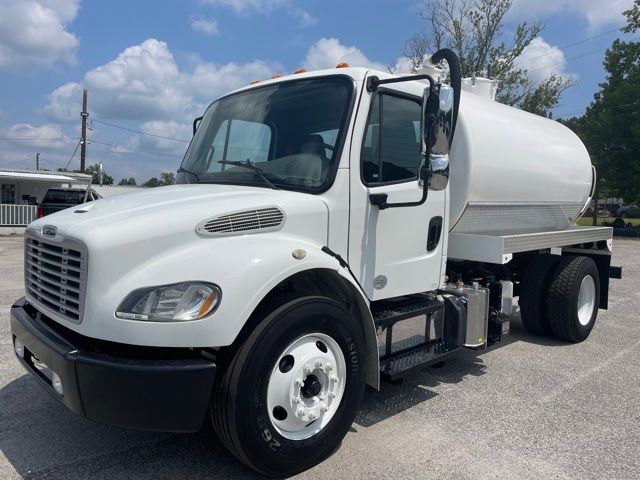
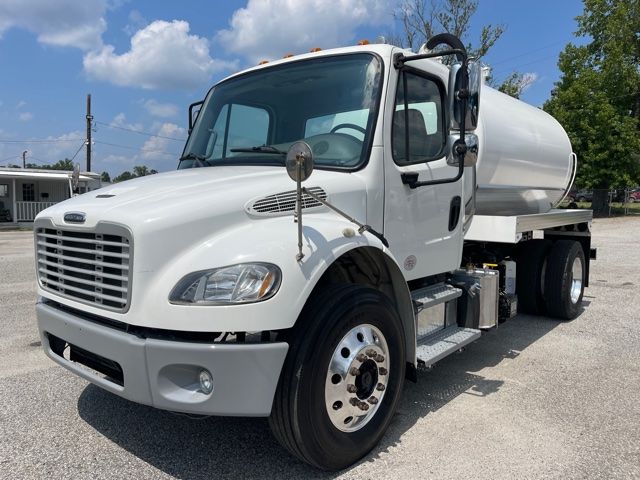
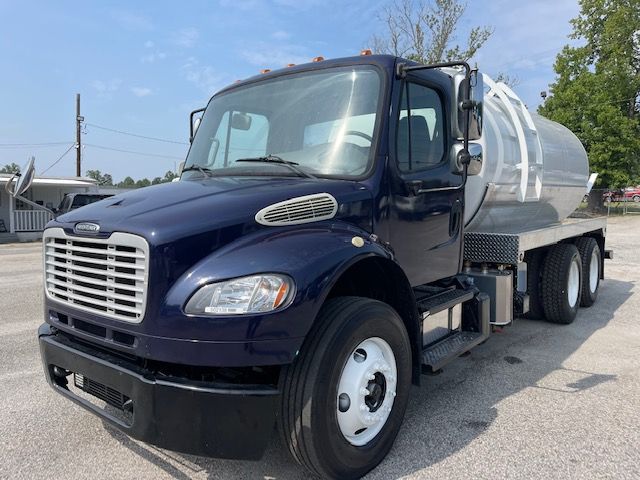
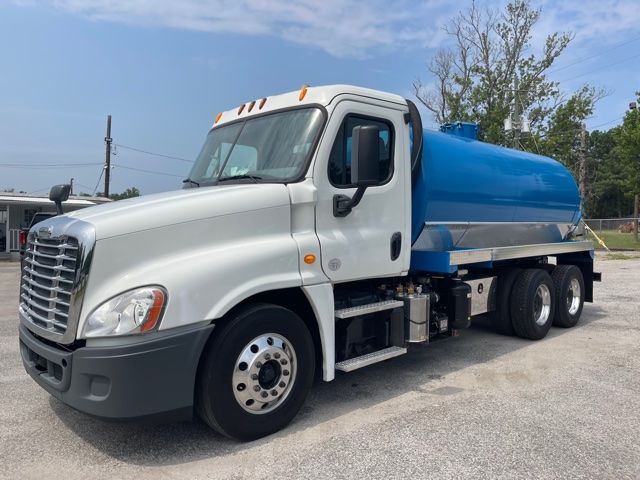
A lot of used units in this class are equipped with vacuum tanks in the 2,500 to 3,500 gallon range, often paired with positive displacement vacuum pumps around the 380 CFM range. That combination is common for septic and wet waste work where dependable loading speed matters more than high-pressure jetting performance. On a true sewer rodder configuration, check the water capacity, hose reel setup, jetter pressure and flow ratings, and PTO arrangement. Some trucks in this category are primarily septic vacuum trucks rather than full combination jet-vac units, so the listing details should make clear whether you are getting vacuum-only capability or a rodder package with water jetting components.
On used Freightliner builds, Cummins ISB and ISC engines are common, along with Allison automatic or manual transmissions depending on the application. Automatics are popular on stop-and-go service routes, while manuals can still appeal to operators who want simplicity and lower acquisition cost. Pay close attention to GVWR, suspension, brake type, and wheelbase, because those specs affect tank size, legal payload, and maneuverability in residential areas. A shorter single-axle M2 can be a practical fit for tight driveways and under-CDL operation, while tandem-axle setups support larger tanks and heavier hauling. Hose length, discharge plumbing, rear hatch design, sight glasses, and pump hours are also important because they directly affect daily usability and maintenance cost.
The best used sewer rodder or septic truck is the one matched to the waste stream, route density, and disposal cycle in your operation. A truck handling residential septic service has different needs than one cleaning municipal lines or servicing commercial grease traps. Buyers should look closely at tank condition, interior coating if equipped, pump brand and rebuild history, PTO engagement, valve integrity, and evidence of corrosion around mounting points and plumbing. Freightliner chassis remain a strong choice in this segment because parts support is broad, most technicians are familiar with the platform, and the M2 in particular is widely used for vocational applications that demand frequent stops, PTO use, and body equipment integration.
Frequently Asked Questions about Used Freightliner Sewer Rodder - Septic Trucks
What is the difference between a septic truck and a sewer rodder truck?
A septic truck is usually focused on vacuum loading and transporting liquid waste from septic tanks, grease traps, portable toilets, or similar applications. A sewer rodder truck typically adds a high-pressure water jetting system with a hose reel so it can break up obstructions and clean sewer lines. Some used trucks in this category are vacuum-only units, while others are combination machines, so buyers should verify tank configuration, water capacity, jetting pressure, flow rate, and hose reel equipment before assuming a truck can perform both jobs.
What tank size is common on a used Freightliner septic or rodder truck?
Common tank sizes in this category often fall between 2,500 and 3,500 gallons, especially on Freightliner M2 chassis. A 2,500 gallon setup can be attractive for lighter routes, easier maneuvering, and possible under-CDL operation depending on the full build and local requirements. A 3,500 gallon or larger tank generally increases productivity between dumps, but it also raises concerns about axle ratings, bridge laws, turning radius, and legal loaded weight.
Is a Freightliner M2 a good chassis for septic and sewer service?
The Freightliner M2 is a well-established vocational chassis for septic and sewer applications because it offers good visibility, a relatively tight turning radius, and broad parts and service support. It is commonly spec'd with Cummins diesel engines and either Allison automatic or manual transmissions, making it familiar territory for many fleets and service shops. For used buyers, the M2 is especially appealing because body builders have used it extensively, so replacement parts, PTO setups, and component service knowledge are usually easier to source than on less common platforms.
What should I inspect first on a used sewer rodder or septic truck?
Start with the tank, pump, and PTO system, because those components drive the truck's earning ability and repair cost. Check the tank for corrosion, patchwork repairs, leaks, weak mounting areas, and the condition of the rear door seals and hinges. Review pump make, model, CFM rating, service records, and any rebuild history. Then inspect valves, hoses, plumbing, and controls, followed by the chassis items that matter under load such as axle ratings, suspension condition, brakes, tires, and driveline operation.
Do I need a CDL for a used septic truck?
Not always. Some single-axle Freightliner septic trucks are built to stay under CDL thresholds, which can help with driver hiring and route flexibility. The actual requirement depends on the truck's GVWR, tank size, loaded operating weight, and applicable state and federal rules. Buyers should confirm the door sticker ratings and estimate real working weight with water or waste onboard instead of relying only on an advertised description such as under CDL.