
Used Freightliner Sewer Rodder - Septic Trucks For Sale in Georgia
Used Freightliner sewer rodder and septic trucks for sale in Georgia. Compare M2 and tandem setups, tank sizes, pumps, specs, and applications.
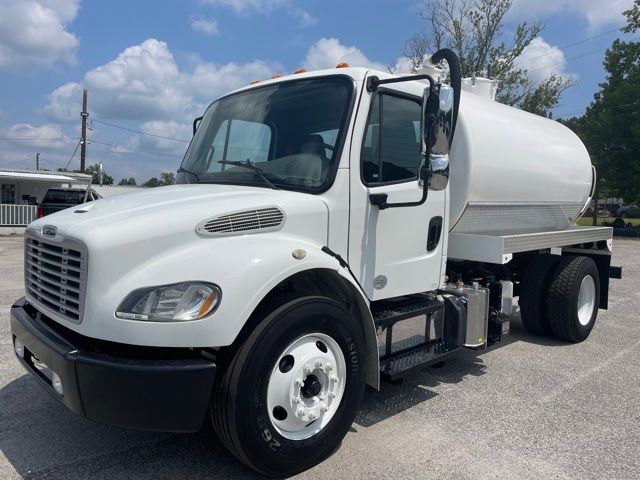
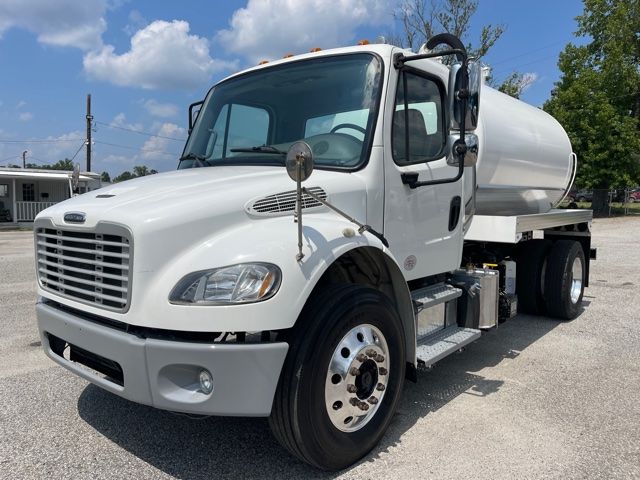
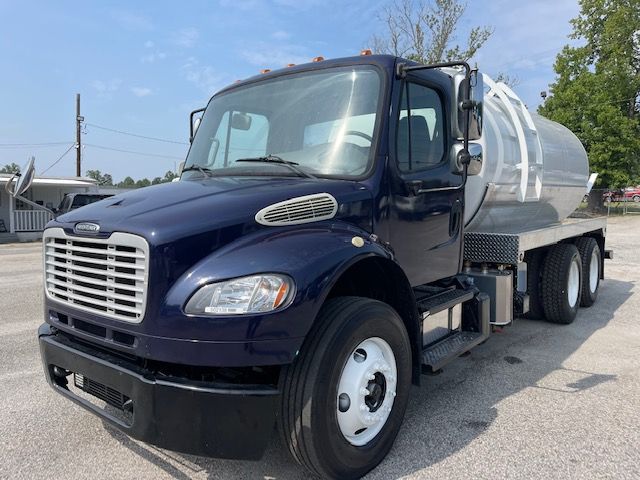
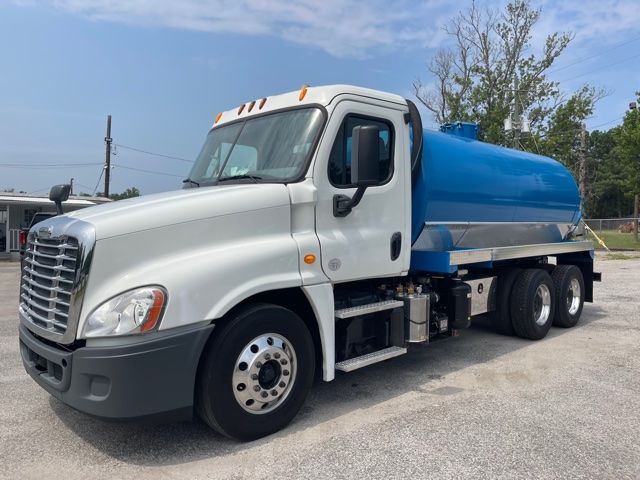
Selling a used freightliner sewer rodder - septic truck? List your used freightliner sewer rodder - septic truck for sale and reach thousands of commercial buyers.
Used Freightliner Sewer Rodder - Septic Trucks in Georgia
The vacuum system matters as much as the truck itself. Buyers should look closely at pump brand, CFM rating, hose storage, and overall plumbing layout. A setup with a 380 CFM vacuum pump is typical for general septic and waste handling, and it offers a practical middle ground between loading speed and service simplicity. Tank construction, rear door design, sight glasses, shutoff protection, and discharge plumbing all affect daily uptime. If the truck is being used as a sewer rodder rather than strictly a septic pumper, confirm whether it is equipped with a water system and jetting components, since some listings in this category are vacuum-only septic units while others are configured for combined rodder work.
On used Freightliner units, engine and transmission choices are usually straightforward but still important. Cummins ISB and ISC engines are common on M2-based trucks, with Allison automatics favored for stop-and-go route work and manual transmissions still appealing to some buyers who want lower upfront cost and direct control. Pay attention to GVWR, axle ratings, brake condition, PTO operation, and whether the tank and pump are newer than the chassis. That can be a strong value point in the used market because a serviced truck with a recently installed vacuum tank and pump may offer better near-term reliability than an older complete package with original equipment. Mileage matters, but maintenance history, DOT inspection status, and the condition of hoses, seals, valves, and the subframe usually tell more about how the truck will perform in service.
Freightliner septic trucks also tend to be easier to place into existing fleets because M2 controls, service access, and component availability are familiar to many operators and technicians. For Georgia buyers, heat, humidity, and route density make cooling performance, PTO drivability, and cab condition worth checking closely. A clean interior and working A/C are not cosmetic details on this type of truck. They matter on long service days. The best used sewer rodder or septic truck is not just the one with the biggest tank. It is the one sized correctly for disposal turnaround time, customer access, driver licensing, and the type of waste stream being handled.
Frequently Asked Questions about Used Freightliner Sewer Rodder - Septic Trucks in Georgia
What is the difference between a sewer rodder truck and a septic truck?
A septic truck is primarily a vacuum unit designed to load, transport, and discharge liquid waste from septic tanks, grease traps, and similar applications. A sewer rodder truck usually includes a high-pressure water jetting system used to clear lines and break up blockages. Some trucks in this category combine both functions, but many used units are vacuum-only. Buyers should confirm whether the truck has a water tank, hose reel, jetting pump, and rodder controls if sewer line cleaning is part of the intended work.
Is a 2,500-gallon Freightliner M2 septic truck a good under-CDL option?
A 2,500-gallon Freightliner M2 can be a strong under-CDL option depending on the exact chassis GVWR, tank weight, and how the truck is spec'd. Many operators like this size because it offers useful capacity without moving into a larger tandem axle platform. The key is to verify actual weight ratings and expected payload, not just tank volume. Waste weight adds up quickly, so a truck that appears under-CDL empty may still require careful route and loading management to stay compliant.
What should I inspect first on a used Freightliner sewer rodder or septic truck?
Start with the vacuum system, tank condition, and PTO operation because those are the revenue-producing components. Check pump CFM rating, oil condition, hours if available, and whether the unit builds and holds vacuum properly. Inspect the tank interior and exterior for corrosion, patchwork, and weld quality. Then review valves, hoses, rear door seals, and discharge plumbing. After that, evaluate the chassis the same way you would any medium-duty truck, including engine service history, transmission function, brake wear, suspension, tires, and DOT-ready condition.
Are Allison automatic transmissions better for septic truck service work?
For many septic and vacuum truck applications, Allison automatics are preferred because they handle repeated stop-and-go driving, backing, and PTO-related route work well. They reduce driver fatigue and are often easier to train new operators on, especially in urban and residential service areas. A manual transmission can still be a solid choice if the truck is priced right and the fleet is comfortable with stick-shift operation, but automatics tend to be more common for route-based vocational use.
Why do some used trucks have a newer tank and pump than the chassis?
In the used vocational market, it is common to see a proven chassis paired with a recently installed vacuum tank and pump. That can be attractive because the truck may already have a known maintenance history while the most application-specific components have been refreshed. A newer tank and pump can reduce immediate capital expense after purchase, but buyers should still verify the quality of the installation, subframe mounting, PTO integration, plumbing layout, and axle weight distribution.