
Used 2013 Freightliner Sewer Rodder - Septic Trucks For Sale in Georgia
Browse used 2013 Freightliner sewer rodder and septic trucks, including M2-based vacuum units with common tank sizes, pump ratings, and service specs.
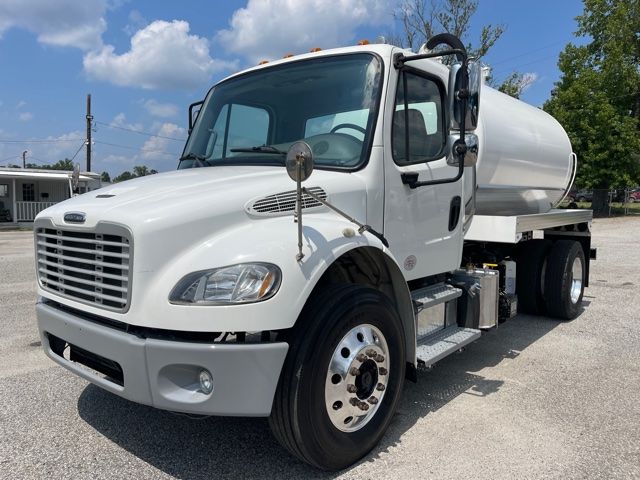
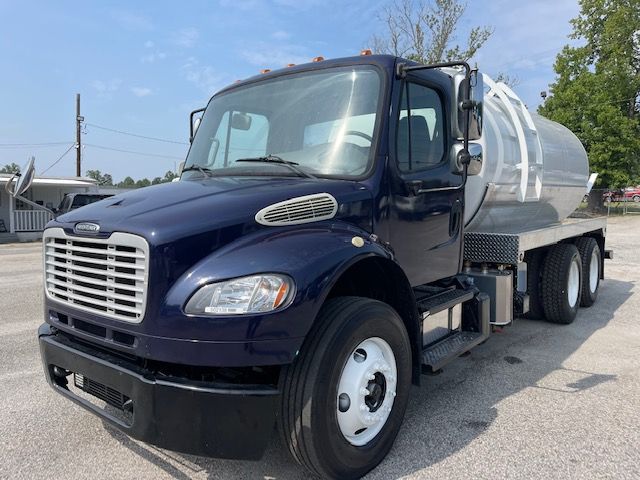
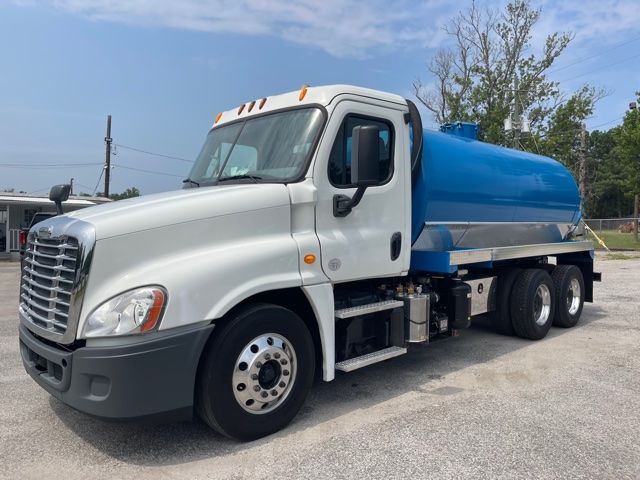
Selling a used 2013 freightliner sewer rodder - septic truck? List your used 2013 freightliner sewer rodder - septic truck for sale and reach thousands of commercial buyers.
Used 2013 Freightliner Sewer Rodder - Septic Trucks in Georgia
Tank size drives both route efficiency and CDL exposure. A 2,500 gallon septic or sewer rodder truck can be attractive for operators trying to stay under CDL thresholds depending on chassis spec, fluid weight, and local operating practices, while a 3,500 gallon unit gives better productivity on longer rural runs or heavier commercial accounts. Buyers should confirm whether the tank is steel or aluminum, inspect internal baffles, check the rear door seal and hinges, and look closely at hose trays, valve layout, and washout access. On used units, a newer replacement tank or pump can add real value if the installation quality is good and the plumbing, mounting, and PTO integration were done correctly.
The vacuum system is the heart of the truck. Many trucks in this class use NVE-style pumps in the 380 CFM range, which is suitable for general septic and portable sanitation work, but the right pump depends on lift distance, hose length, and the type of material being handled. Buyers should inspect pump hours if available, listen for bearing noise, verify oiling performance, and check that the relief valves, shutoffs, and controls function properly. Hose package matters too. A truck with fresh vacuum hose, usable discharge hose, and clean plumbing can save immediate setup costs. If the truck is described as a sewer rodder, confirm whether it is a true combination unit with water jetting capability or primarily a vacuum septic truck, because those are different tools with different maintenance and application profiles.
For Georgia operators, heat, stop-and-go routing, and mixed urban-rural service territory make cooling system condition, A/C performance, and brake health especially important. A 2013 Freightliner should also be evaluated for engine emissions equipment condition, PTO operation under load, suspension wear, and frame condition around tank mounts and crossmembers. Mileage matters, but service history matters more on this category. A truck that has been recently serviced, DOT inspected, and fitted with updated vacuum components may be a better buy than a lower-mile unit with an older tank and unknown pump condition. The best choice is the one sized correctly for your route density, waste type, driver requirements, and local disposal workflow.
Frequently Asked Questions about Used 2013 Freightliner Sewer Rodder - Septic Trucks in Georgia
What should I check first on a used 2013 Freightliner sewer rodder or septic truck?
Start with the vacuum system, tank, and chassis integration. Confirm tank capacity, inspect the tank for corrosion or poor repairs, and verify the vacuum pump model and output. Check PTO engagement, plumbing condition, valves, rear door seal, and hose condition. On the chassis side, review engine service records, transmission operation, brake wear, suspension condition, and frame integrity around the tank mounts. A clean DOT inspection and documented recent service are strong indicators in this category.
Is a 2,500 gallon or 3,500 gallon septic truck better?
It depends on payload requirements, route density, and driver licensing. A 2,500 gallon truck is often easier to maneuver and can fit operations trying to manage gross weight carefully. A 3,500 gallon truck reduces dump trips and can improve productivity on larger septic accounts or rural routes. The tradeoff is higher loaded weight, which affects licensing, axle requirements, tire wear, and braking demand. Match tank size to your average job size and disposal turnaround time.
Are Freightliner M2 chassis a good fit for septic and vacuum truck work?
Yes. The Freightliner M2 is a common vocational chassis for septic, vacuum, and utility body applications because it offers good maneuverability, broad dealer support, and compatibility with Cummins diesel engines and PTO-driven equipment. It is widely used in municipal and private fleet service, so parts and service familiarity are usually strong. The exact fit still depends on axle ratings, wheelbase, transmission choice, and how well the vacuum system was installed.
What is the difference between a sewer rodder truck and a septic truck?
A septic truck is primarily a vacuum truck designed to remove and transport liquid waste and sludge from septic tanks, grease traps, portable toilets, and similar sources. A sewer rodder truck may refer to a vacuum truck in some listings, but in stricter terms it often means a unit equipped to clear lines using pressurized water jetting. Some trucks are combination units with both vacuum and jetting systems. Buyers should verify whether the truck has a water tank, jetter reel, pressure system, and rodder controls if line cleaning is part of the intended work.
How important is a new replacement tank or vacuum pump on a used unit?
It can be very important, provided the installation was done correctly. A new tank or pump can extend the useful life of the truck and reduce near-term repair costs, especially on a 2013 chassis. The key is to confirm quality workmanship. Look at mounting points, PTO setup, plumbing runs, valve access, hose routing, and clearances. Ask whether the replacement components were matched properly to the truck's weight ratings and application. A newer component package adds value only if the rest of the truck can support reliable daily service.