
Used 2013 Freightliner Sewer Rodder - Septic Trucks For Sale
Used 2013 Freightliner sewer rodder and septic trucks for sale, including M2-based vacuum trucks with common tank, pump, and chassis specs.
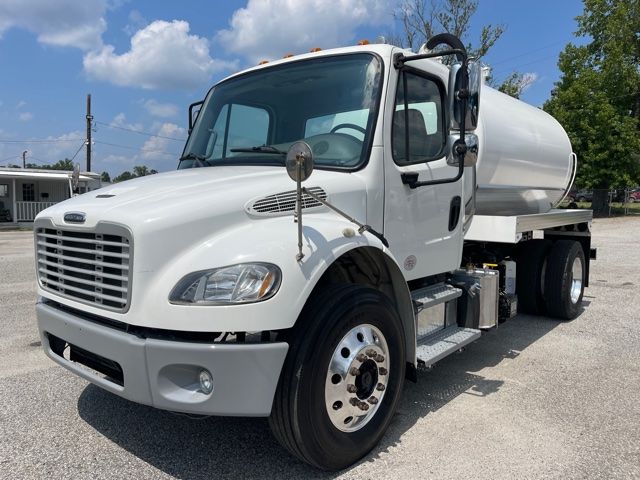
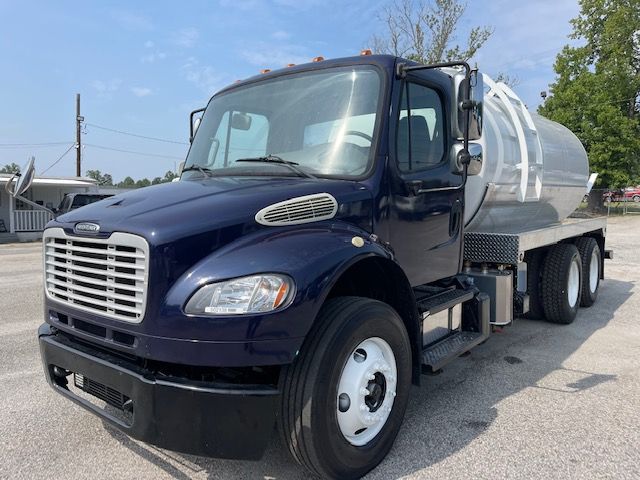
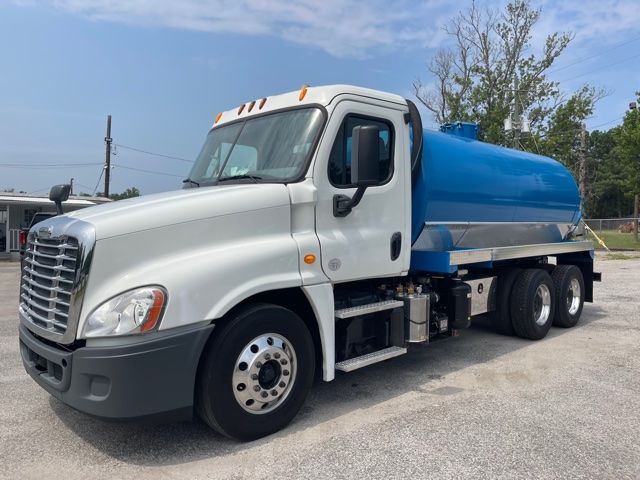
Selling a used 2013 freightliner sewer rodder - septic truck? List your used 2013 freightliner sewer rodder - septic truck for sale and reach thousands of commercial buyers.
Used 2013 Freightliner Sewer Rodder - Septic Trucks
The vacuum system is the next major decision point. Many trucks in this category use pump packages around 380 CFM, which is a practical range for septic pumping, holding tank cleanout, and general vacuum transfer work. Buyers should look closely at the age and brand of the vacuum pump, hose reel setup, hose length, discharge plumbing, and the condition of the tank itself. A used truck with a newer vacuum tank or recently replaced pump can be more attractive than a lower-priced unit with unknown body hours. Pay attention to tank material, internal baffling, rear door design, hydraulic function, shutoff protection, and overall plumbing cleanliness. These details directly affect suction performance, service speed, and downtime.
On the chassis side, 2013 Freightliner units in this category often carry Cummins ISB or ISC diesel engines paired with either an Allison automatic or a manual transmission. The 6.7L ISB in the 260 to 280 hp range is common on single-axle M2 trucks and fits many regional septic and portable toilet routes well. Tandem-axle trucks with higher-capacity tanks may step into heavier drivetrain specs. Buyers should review GVWR, axle ratings, brake configuration, wheelbase, PTO engagement, and turning radius, especially if the truck will operate in residential neighborhoods, campgrounds, or tight commercial sites. Under-CDL configurations can be valuable for staffing flexibility, but they need to be matched carefully to tank size and expected payload.
Condition matters more on a sewer rodder or septic truck than on many general-purpose vocational trucks because both the chassis and the vacuum body live in a corrosive, high-cycle environment. Service records, DOT inspection status, pump rebuild history, tank installation date, and hose replacement history are all worth verifying. Look for signs of frame corrosion, leaks at fittings and valves, weak suction, hydraulic seepage, and excessive wear around hinges, seals, and rear closures. A well-spec'd Freightliner septic truck can be a productive route truck for private septic service, municipal utility work, industrial waste transfer, or restroom servicing, but the best value usually comes from matching tank capacity, pump output, and chassis rating to the exact job instead of buying solely on price or mileage.
Frequently Asked Questions about Used 2013 Freightliner Sewer Rodder - Septic Trucks
What should I look for first on a used 2013 Freightliner septic truck?
Start with tank size, pump capacity, and chassis weight rating before looking at cosmetic condition. A septic or sewer rodder truck must be matched to the work it will do, so confirm whether the truck is a single-axle or tandem-axle setup, what the legal payload will be when the tank is full, and whether the vacuum pump output is adequate for your route. After that, inspect the condition of the tank, valves, hoses, rear door seals, PTO system, and service records. On this type of truck, body condition and vacuum performance often matter as much as engine mileage.
Is a Freightliner M2 a good chassis for septic and sewer rodder work?
The Freightliner M2 is a widely used chassis for septic and vacuum truck applications because it balances maneuverability, serviceability, and vocational body compatibility. It is common with Cummins diesel engines, Allison automatic transmissions, and PTO-friendly configurations that work well with vacuum pumps and hydraulic systems. For residential routes and mixed commercial work, the M2 is especially popular because it is easier to maneuver than larger heavy-duty platforms while still supporting useful tank capacities.
What tank size is typical for a used Freightliner sewer rodder or septic truck?
A common tank size in this category is around 2,500 gallons on a single-axle medium-duty chassis, while larger tandem-axle units may carry around 3,500 gallons or more depending on spec. The right size depends on route density, disposal access, and license requirements. Smaller tanks can improve maneuverability and may help keep the truck in an under-CDL configuration, while larger tanks reduce dump trips and suit higher-volume commercial or municipal work.
How important is vacuum pump CFM on a septic truck?
Vacuum pump CFM is a major performance factor because it affects how quickly the truck can pull material and complete jobs. A pump rated around 380 CFM is common in this category and is suitable for many septic and vacuum service applications. Buyers should also verify pump brand, age, rebuild history, and whether the rest of the system is in comparable condition. A strong pump on a worn tank or leaking plumbing system will not deliver the performance the rating suggests.
Can a used 2013 Freightliner septic truck be operated without a CDL?
Some can, but only if the truck is configured to stay within applicable GVWR thresholds and local regulatory requirements. Under-CDL septic trucks are usually built with smaller tank capacities and lighter chassis specs to keep weight down. Buyers should not assume a truck qualifies just because it is a medium-duty Freightliner. Always verify the door sticker, axle ratings, tank size, and expected loaded operating weight before planning staffing or route assignments around non-CDL operation.