
Used Freightliner Trucks For Sale in Oklahoma
Shop used Freightliner trucks for sale in Oklahoma. Compare Cascadia, 122SD, M2, FLD and vocational specs for hauling, regional, and work truck use.
Learn more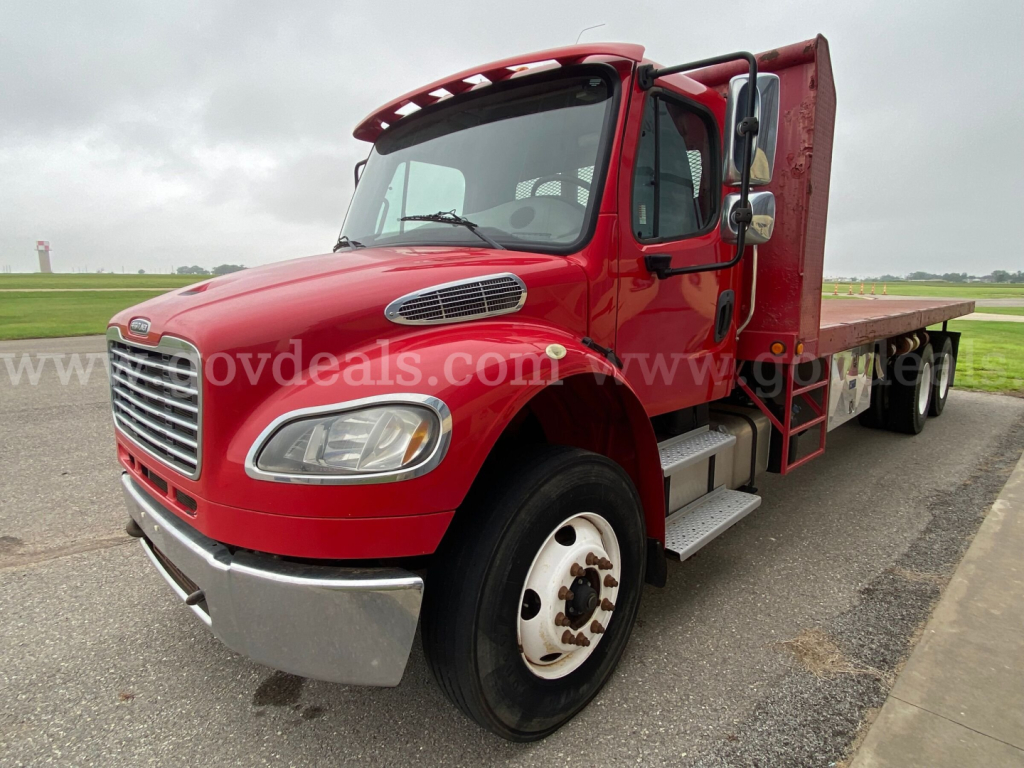
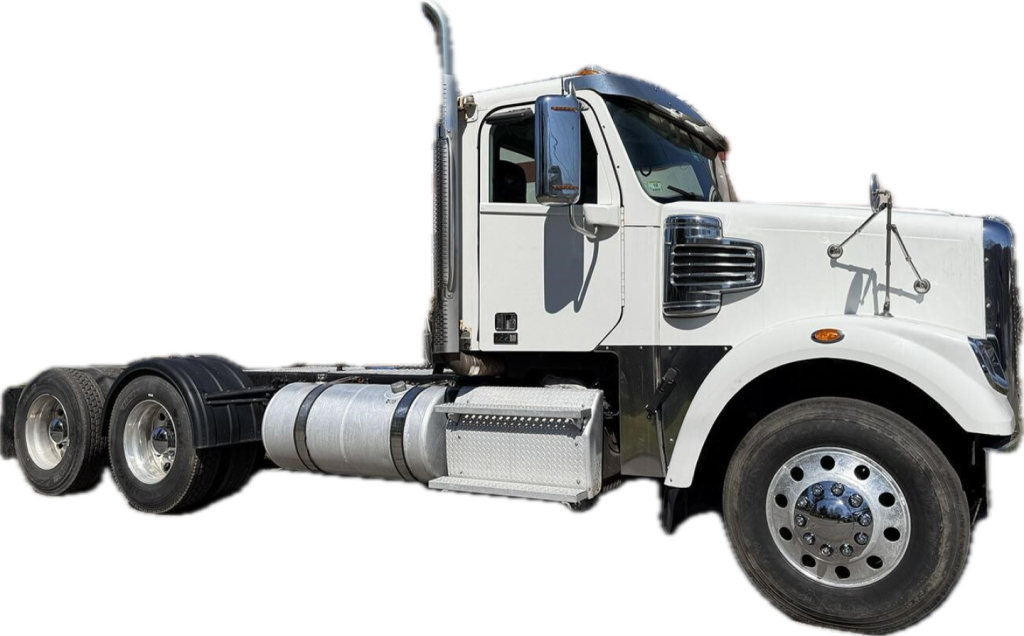
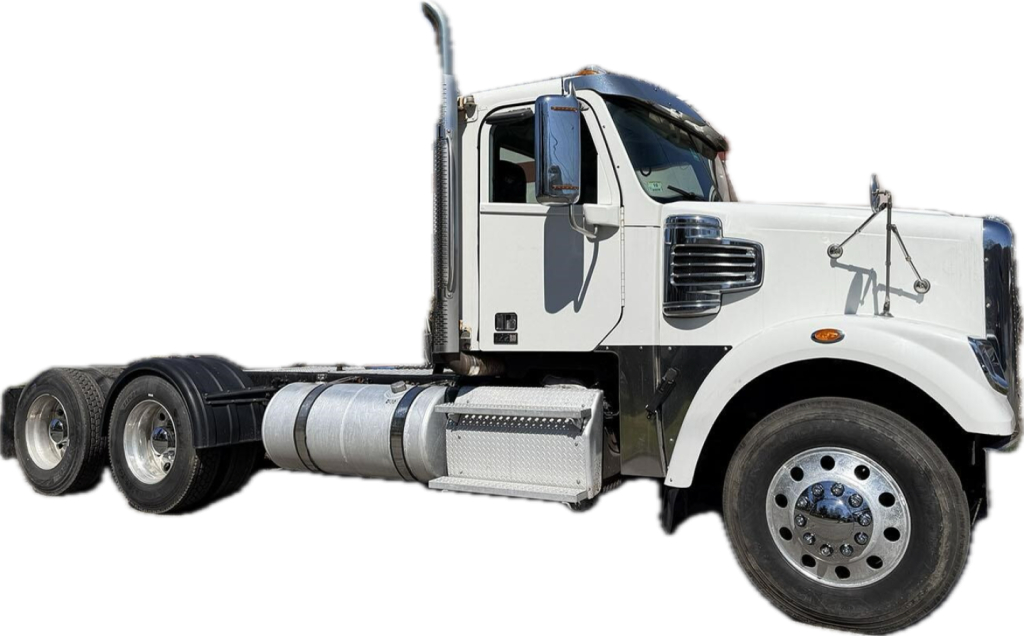
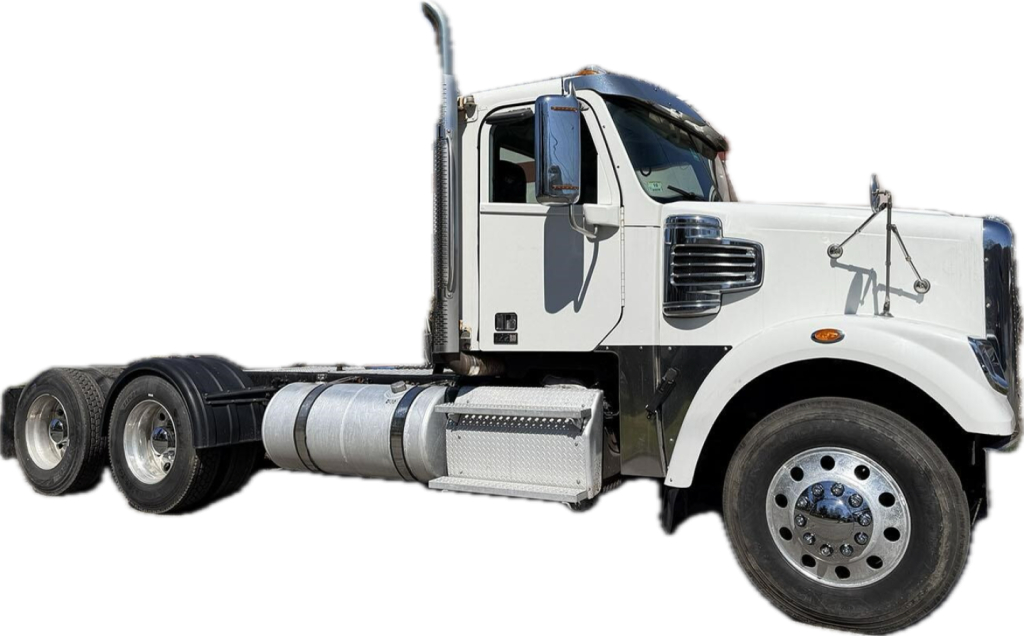
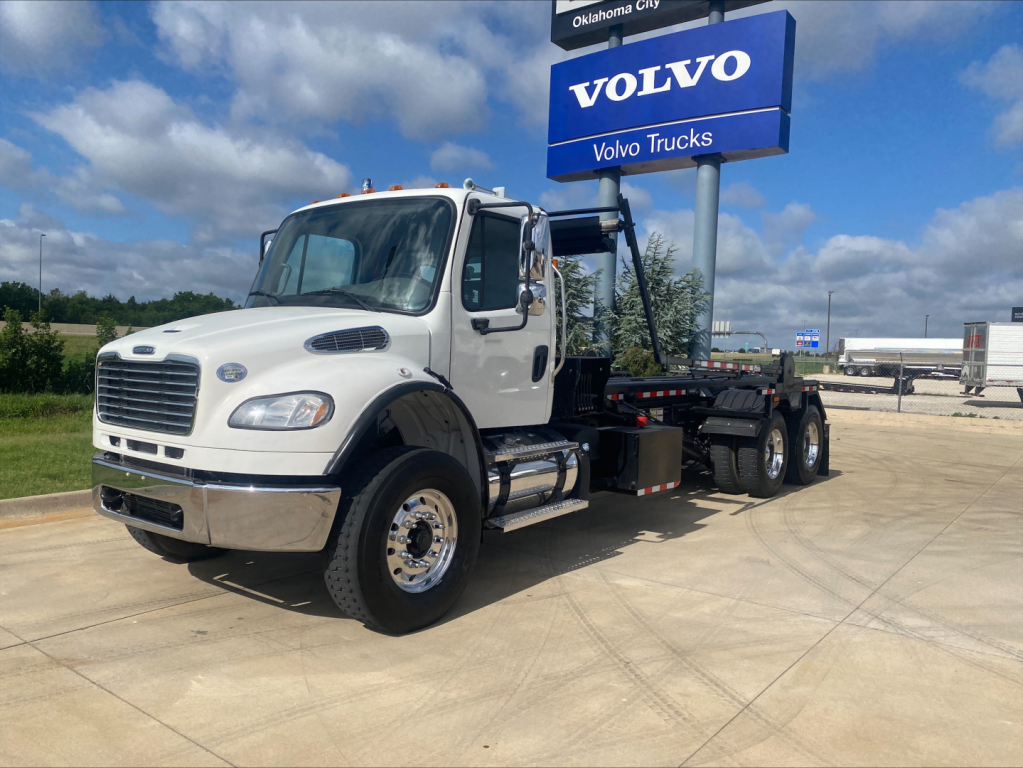
Have used freightliner truck to sell? List it here to reach thousands of buyers.
About Used Freightliner Trucks in Oklahoma
The right spec depends less on brand familiarity and more on duty cycle. In Oklahoma, that often means balancing highway miles with farm roads, lease roads, jobsite access, and high summer temperatures. A used Freightliner 122SD or similar severe-duty platform is typically chosen for higher front axle ratings, stronger frames, set-back or set-forward axle configurations, and vocational-friendly components like double-frame rails, heavy suspensions, PTO capability, and higher GVWRs. For general freight or regional haul, buyers often focus on sleeper or day cab layout, wheelbase, rear axle ratio, fuel capacity, and transmission type. Common powertrain combinations include Detroit diesel engines paired with Eaton Fuller manual or automated manual transmissions, though older units may show a wider mix depending on original application.
Condition matters more than model year alone. On a used Freightliner truck, key checkpoints include engine service history, aftertreatment status, transmission operation under load, suspension wear, frame condition, steering play, cab mount condition, and any signs of electrical issues or ABS faults. For vocational trucks, look closely at PTO setup, hydraulic plumbing, crossmember condition, rear suspension type, and evidence of hard off-road use. On highway units, pay attention to fairings, fifth wheel wear, tire condition, brake life, and whether the axle and ratio specs match the loads you plan to pull. In Oklahoma, dust, heat, and mixed road conditions can accelerate wear on cooling systems, bushings, and suspension components, so maintenance records carry real weight.
Freightliner trucks also tend to appeal to buyers who need flexibility after purchase. A cab and chassis can be upfitted for a body, a day cab can be assigned to local or oilfield work, and many used Freightliner tractors remain practical choices for fleets standardizing around Detroit-powered equipment. The best value usually comes from matching the truck to the job first, then comparing axle ratings, wheelbase, suspension, horsepower, transmission speeds, and intended body or trailer use. A well-spec'd used Freightliner can still be a highly productive truck if the drivetrain, frame, and maintenance history line up with the work.
Frequently Asked Questions
What are the most common used Freightliner truck models buyers look for in Oklahoma?
The most common used Freightliner models depend on the job. Cascadia models are widely sought for highway and regional freight because they are fuel-efficient and easy to service. M2 models are common in medium-duty applications such as box trucks, flatbeds, and municipal work. Severe-duty models like the 122SD are popular for dump, mixer, heavy haul, and oilfield applications because they can be spec'd with stronger frames, heavier axles, and vocational suspensions. Older FLD-series trucks still attract buyers looking for simpler mechanical platforms and straightforward day cab service.
Is a used Freightliner 122SD a good choice for vocational work?
A used Freightliner 122SD is often a strong fit for vocational work when the truck has the right axle, frame, and suspension package. Many are spec'd with high-horsepower Detroit engines, heavy front axles, tandem rears, and air or vocational suspension systems suited for demanding service. Buyers should confirm PTO compatibility, frame rail condition, wheelbase, and rear ratio before purchase, especially if the truck will be used for dump, equipment hauling, oilfield support, or other severe-duty applications.
What should I inspect first on a used Freightliner truck?
Start with the powertrain and chassis. Review engine hours and mileage if available, check for active fault codes, inspect for coolant or oil leaks, and verify aftertreatment history on newer diesel models. Then inspect the frame, suspension, steering components, brakes, tires, and driveline. On tractors, check fifth wheel condition and signs of uneven loading. On cab and chassis trucks, inspect for previous body removal, extra frame holes, wiring modifications, and corrosion around mounts and crossmembers. A maintenance file can be as important as the odometer.
Are Freightliner trucks expensive to maintain compared with other brands?
Freightliner trucks are generally considered manageable to maintain because they have a large service network and strong parts support. Maintenance cost still depends heavily on the engine, emissions system, application, and prior care. A truck that has seen proper PM intervals, cooling system service, and drivetrain maintenance will usually be less costly to operate than a neglected truck with a lower purchase price. Buyers often favor Freightliner because replacement parts, dealer support, and independent repair familiarity are widely available.
How do I choose the right used Freightliner truck spec for my operation?
Match the truck to the actual load, terrain, trailer, and daily route. For regional hauling, focus on horsepower, axle ratio, transmission type, wheelbase, and fuel capacity. For vocational work, prioritize GVWR, front and rear axle ratings, suspension type, PTO capability, and frame strength. Oklahoma operations often include a mix of interstate running, rural roads, and jobsite access, so a truck with the wrong ratio or axle package can become inefficient quickly. The best buying decision usually comes from comparing the full spec sheet against your real operating requirements, not just choosing by year or price.