
Used Freightliner Conventional Daycab Trucks For Sale in Oklahoma
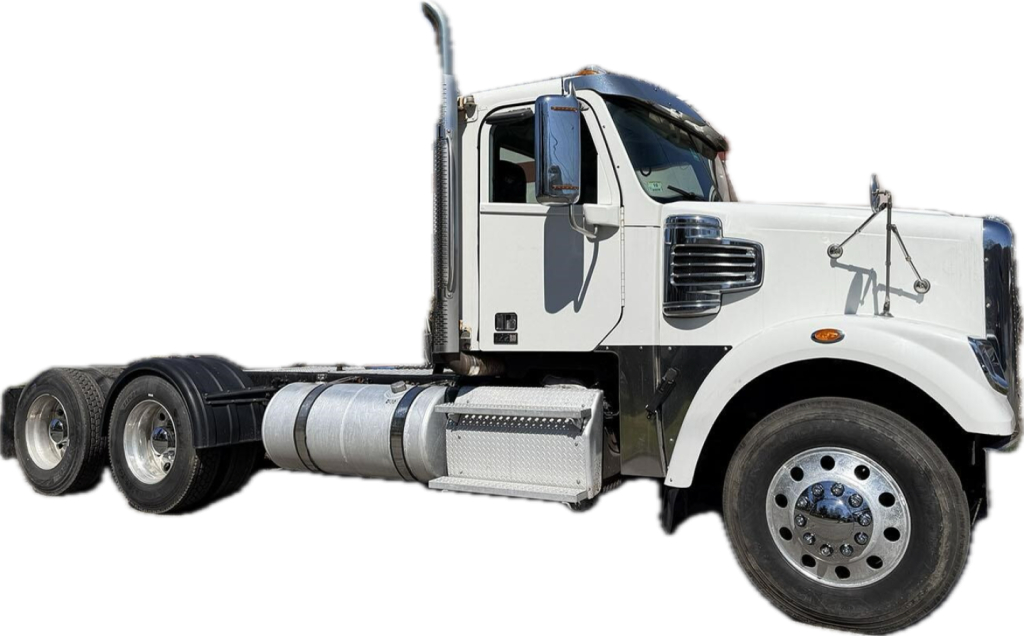
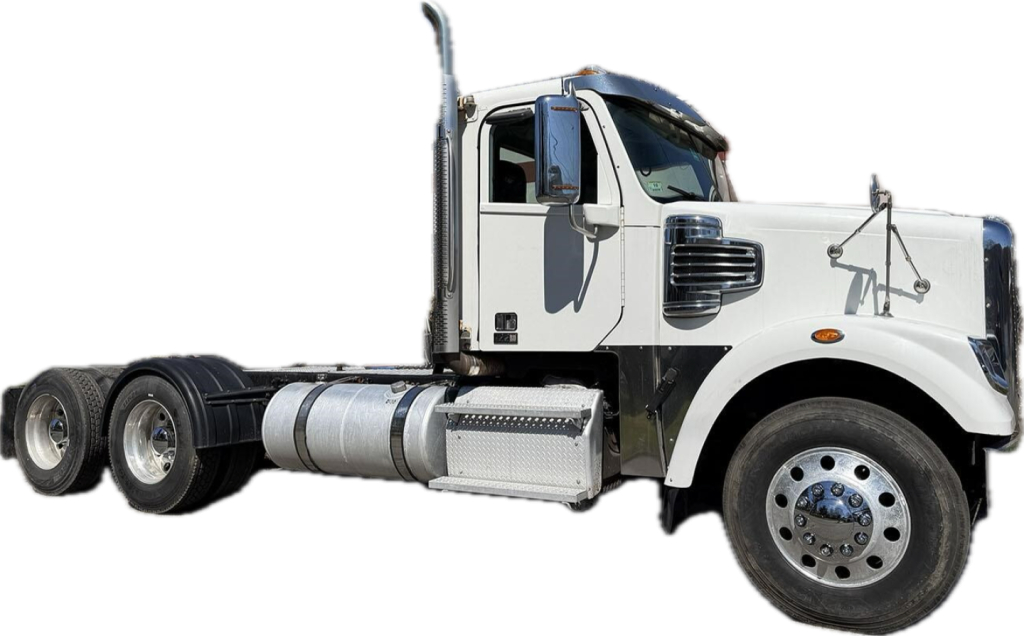
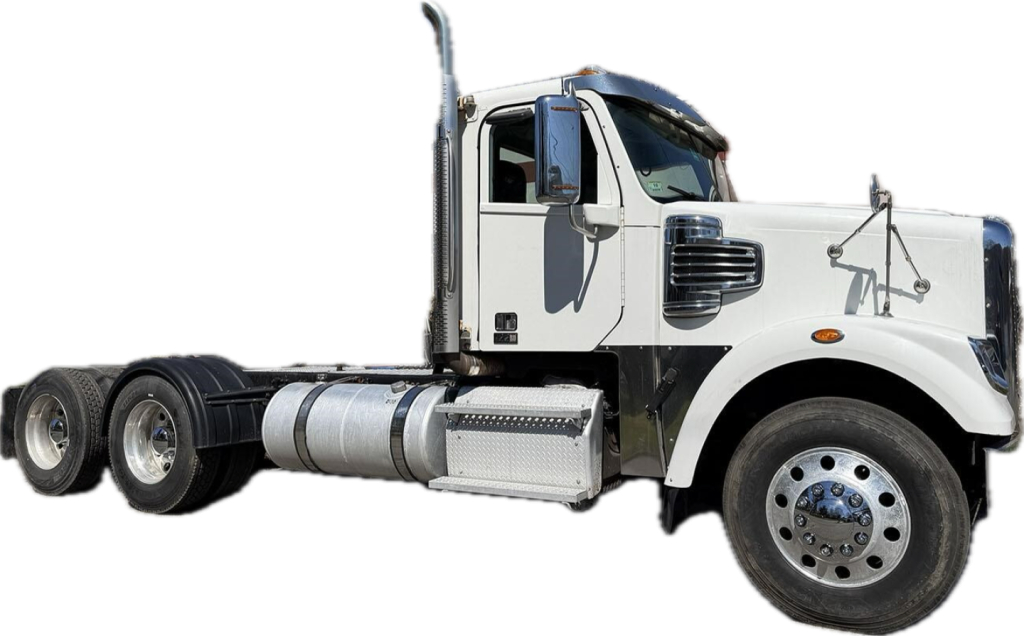
Shop used Freightliner conventional daycab trucks in Oklahoma. Compare specs, wheelbases, axles, engines, and drivetrain setups for local or regional work.
Learn more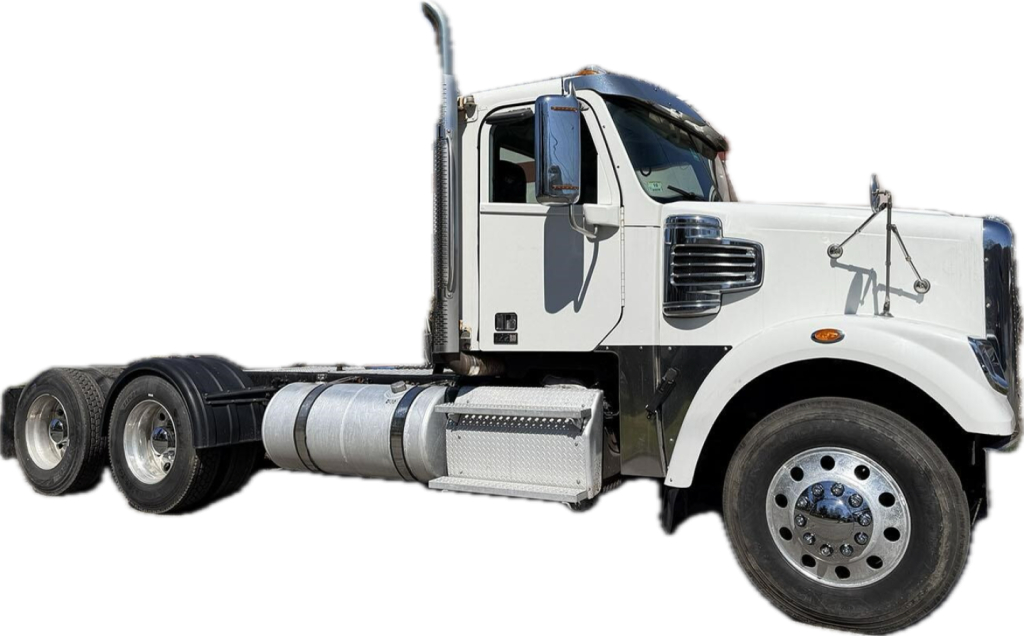
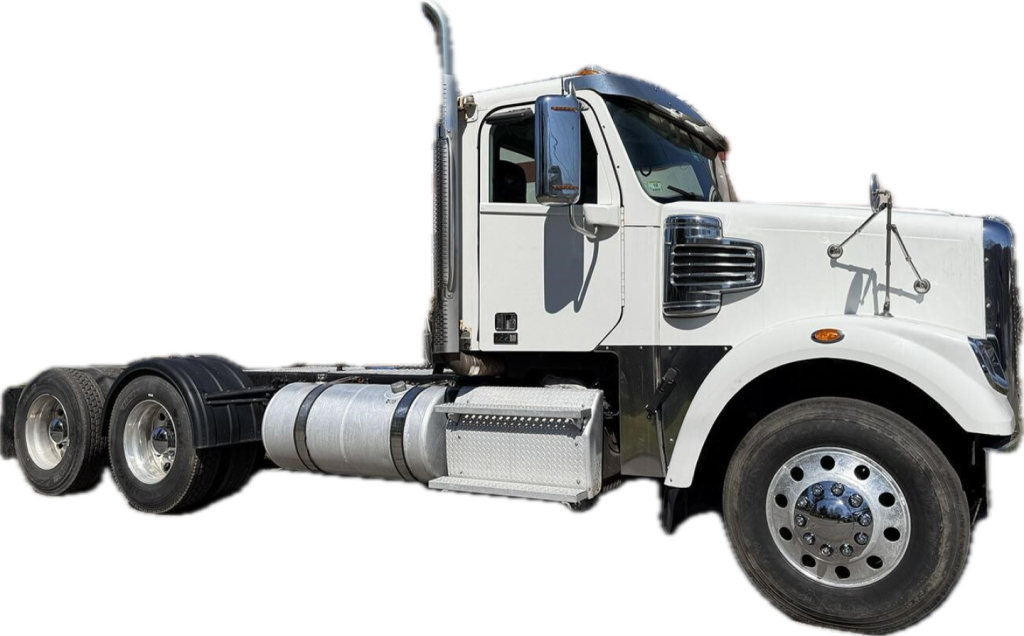
Have used freightliner conventional daycab truck to sell? List it here to reach thousands of buyers.
About Used Freightliner Conventional Daycab Trucks in Oklahoma
The main buying decision starts with the drivetrain. Many used Freightliner daycabs in this class are spec'd with Detroit power, often a DD15 in the 400 to 505 horsepower range, paired with manual, automated manual, or traditional automatic transmissions depending on the prior application. A 13-speed manual is common in heavier regional and off-highway work where the driver needs tighter control over grade, startability, and shifting under load. Rear axle ratios such as 3.31, 3.70, and 3.73 change how the truck behaves. A 3.31 ratio can favor fuel economy and higher road speed, while 3.70 or 3.73 ratios are better suited to heavier pulling, lower-speed work, and more frequent starts with weight behind the truck.
Wheelbase, axle ratings, and suspension matter just as much as engine horsepower. Conventional daycab trucks can be spec'd short for tighter city maneuvering or long for bridge law, ride quality, and frame space. In this segment, wheelbases around 210 to 235 inches are common, especially on trucks intended for wet kit installation, headache racks, larger fuel capacity, or specific trailer swing clearance. Front axle ratings may range from 12,000 to 13,200 pounds or higher, while tandem rears at 40,000 pounds on air ride are a common fleet spec. Buyers should match the wheelbase and axle package to the trailer type, kingpin setting, and loaded operating conditions. A truck that will spend time under end dumps, lowboys, or heavy flatbeds needs a different spec than one pulling van or tanker freight on consistent pavement.
When comparing used Freightliner daycabs, pay close attention to emissions history, transmission type, rear suspension, PTO or wet kit readiness, and frame condition. In Oklahoma, a truck may have seen a mix of interstate miles, rural roads, energy-sector work, and seasonal dust, so it pays to inspect the undercarriage, crossmembers, wiring, and air system for wear. Tire condition, brake life, differential lock configuration, and steer axle capacity can tell you a lot about the truck's intended use. A well-matched Freightliner conventional daycab can be a durable revenue truck, but the best value comes from aligning horsepower, gearing, wheelbase, and axle spec with the exact freight and trailer combination the truck will handle every day.
Frequently Asked Questions
What is a Freightliner conventional daycab truck best used for?
A Freightliner conventional daycab is best suited for local and regional hauling where a sleeper is not necessary. Common applications include flatbed, tanker, grain, dump, equipment moving, drayage, and dedicated route work. The conventional hood layout provides easier engine access and often supports heavier front axle and vocational specifications than some aero highway tractors.
How important is wheelbase on a used Freightliner daycab?
Wheelbase affects maneuverability, ride quality, weight distribution, trailer clearance, and frame space for accessories. A shorter wheelbase is easier to turn in tight yards and urban settings, while a longer wheelbase can be better for stability, bridge compliance, and equipment such as wet kits or larger fuel tanks. The right choice depends on trailer type, kingpin location, and how the truck will be loaded.
Is a 13-speed transmission a good choice in a used Freightliner daycab?
A 13-speed manual is a strong choice for heavier hauling, mixed terrain, and operations where the driver benefits from more gear control. It can help with startability, grade management, and keeping the engine in the right power band under load. For fleets focused on driver standardization and ease of operation, an automated manual may be preferred, but many buyers still value a 13-speed for demanding applications.
What rear axle ratio should I look for in a used Freightliner conventional daycab?
Rear axle ratio should match the truck's typical load, speed, and terrain. Ratios like 3.31 generally support lower engine rpm at highway speed and can help fuel economy in lighter or faster regional service. Ratios such as 3.70 or 3.73 are more favorable for heavy loads, frequent starts, and lower-speed work where pulling power matters more than top-end efficiency.
What should I inspect first on a used Freightliner daycab in Oklahoma?
Start with the engine and emissions system, then move to transmission operation, axle ratings, suspension, frame condition, and brake and tire wear. On Oklahoma trucks, it is smart to check for dust-related wear, undercarriage corrosion, air leaks, and signs of hard vocational use such as frame modifications, PTO wear, or suspension fatigue. Service records and prior application are especially important because a highway daycab and a vocational daycab can have very different wear patterns.