
Used Freightliner Conventional Day Cab Trucks For Sale
Used Freightliner conventional day cab trucks for sale: compare Cascadia and older models, axle layouts, drivetrain fit, and service records before buying.
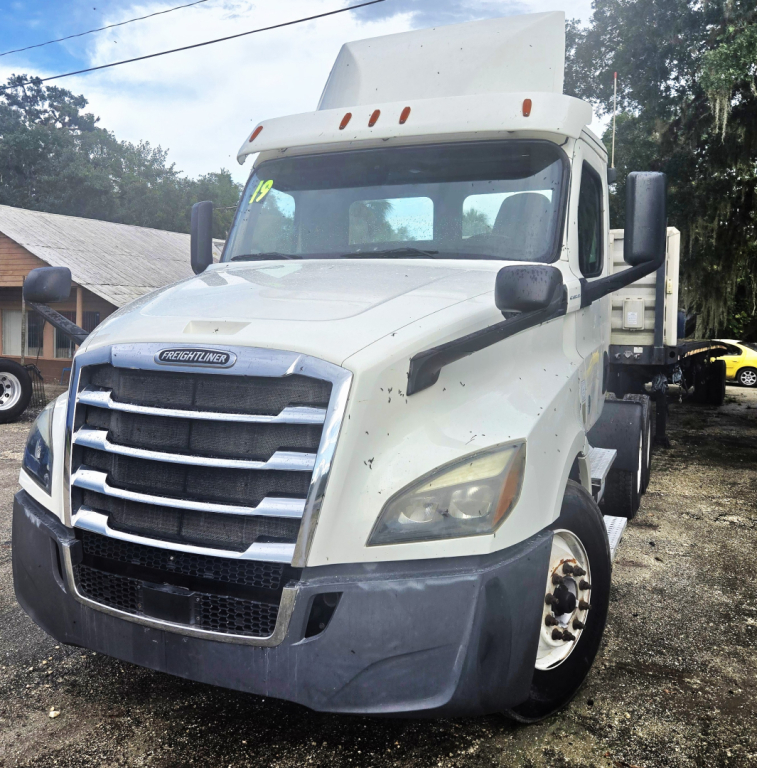
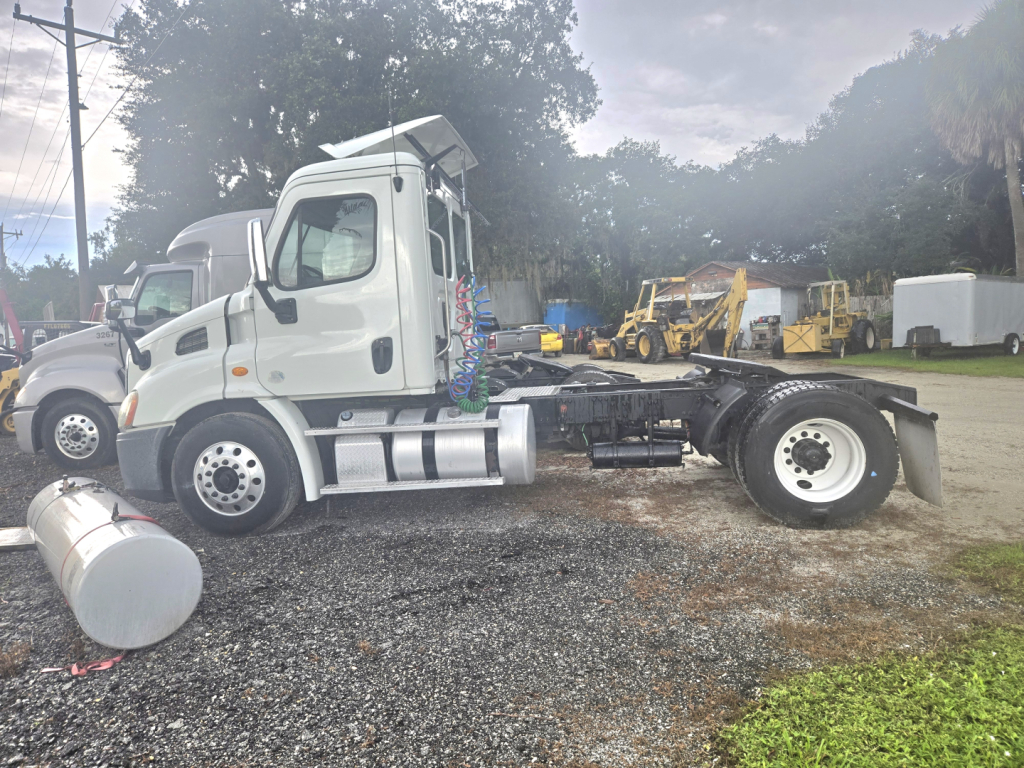
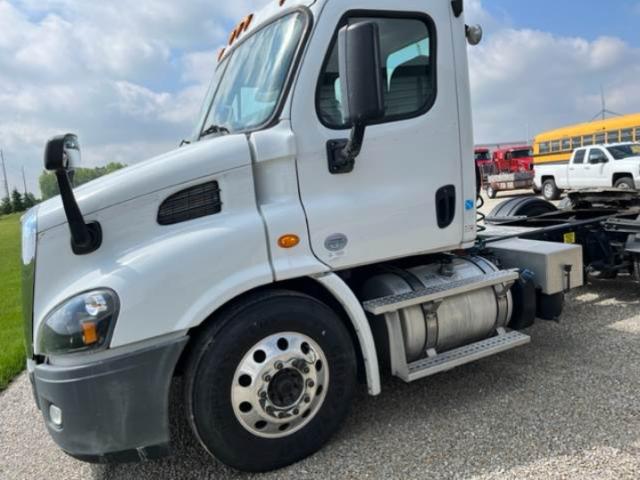
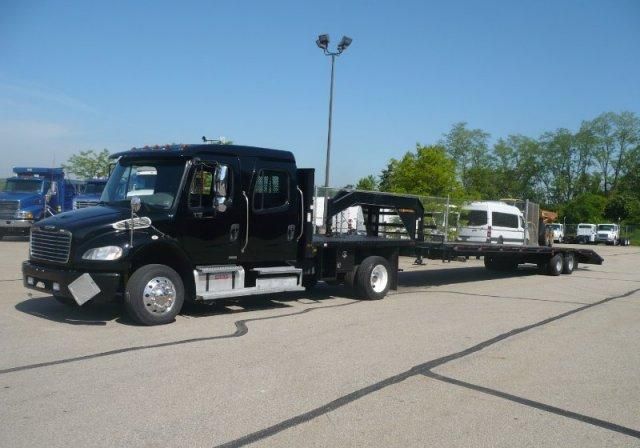
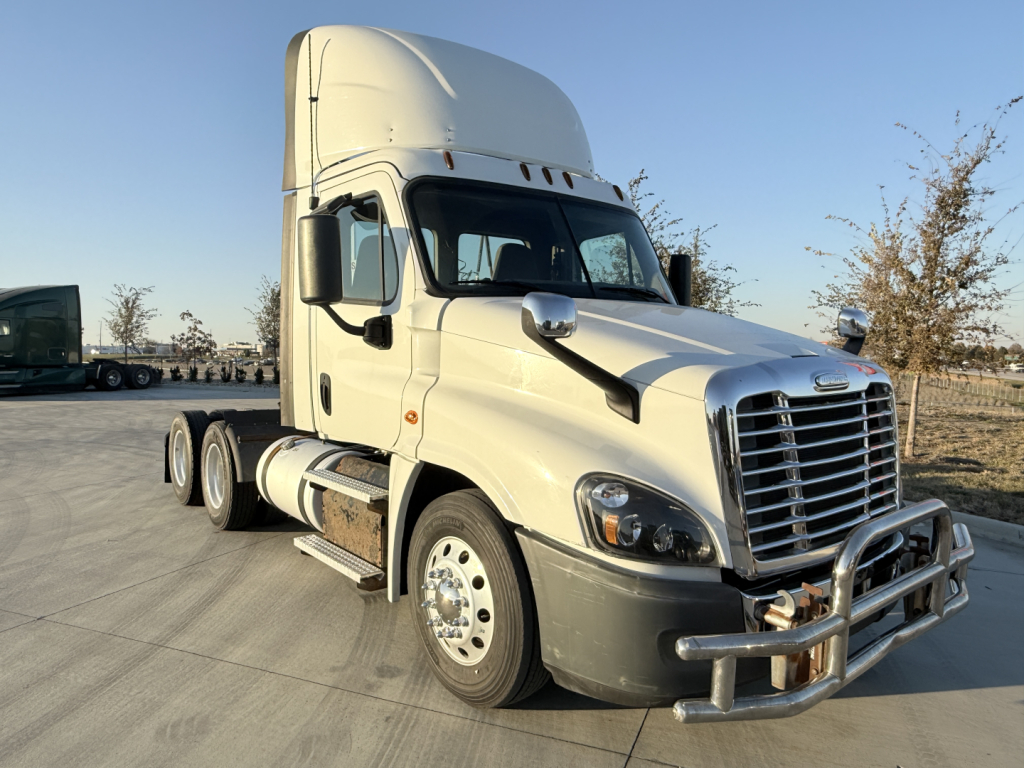
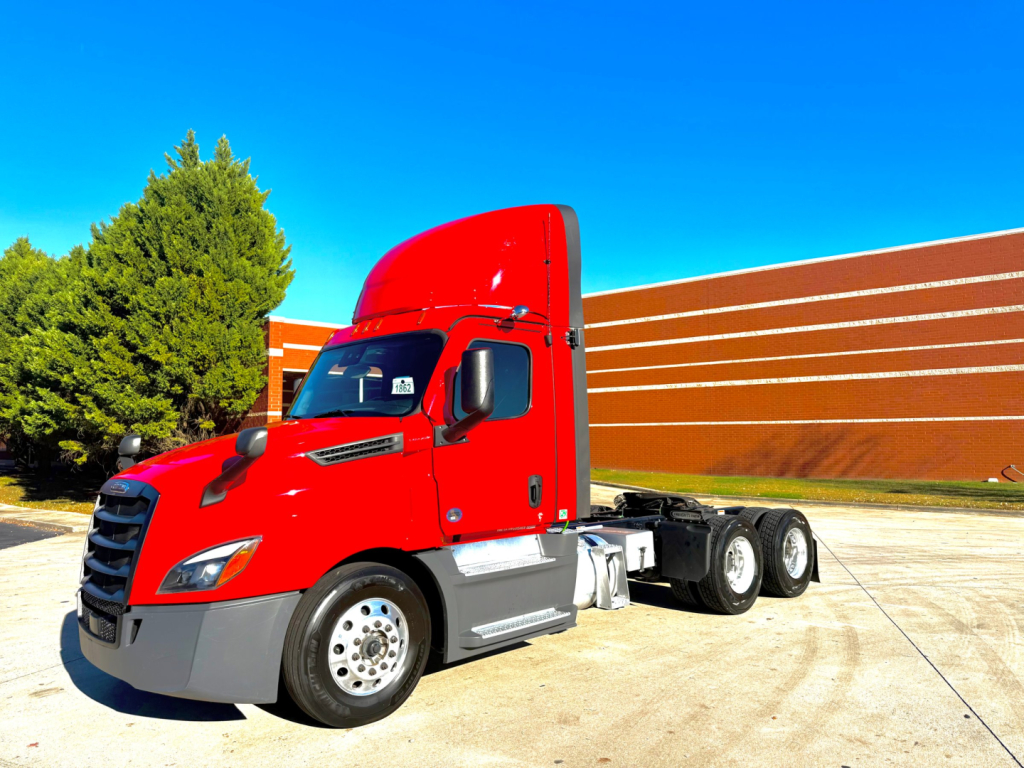
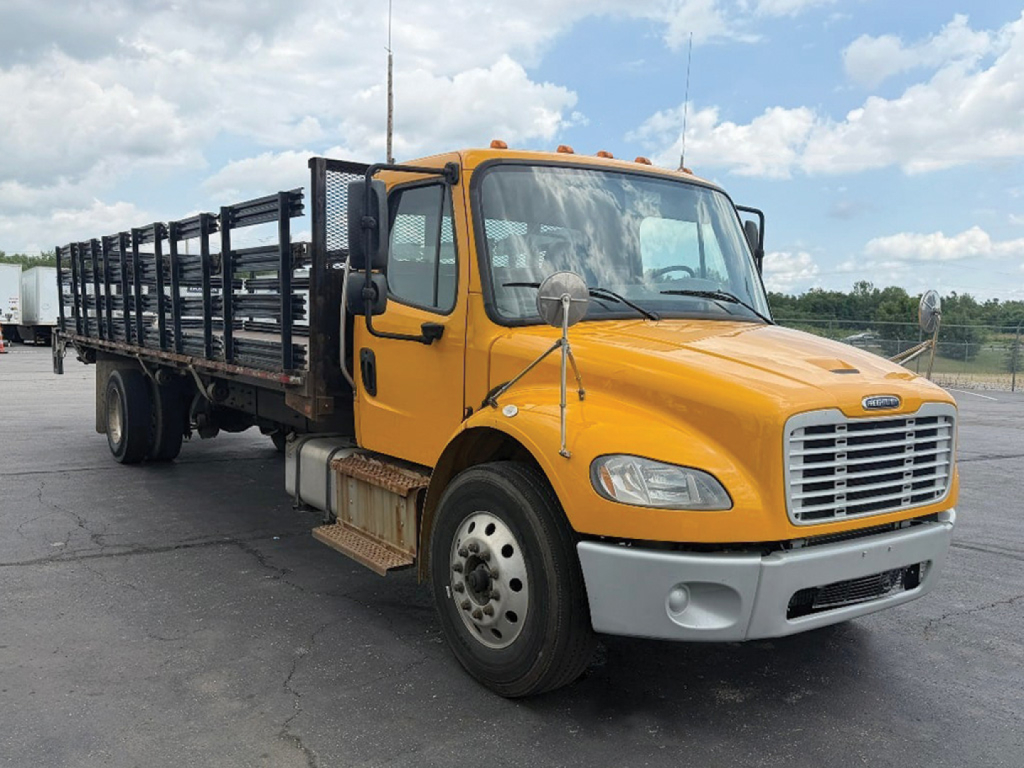
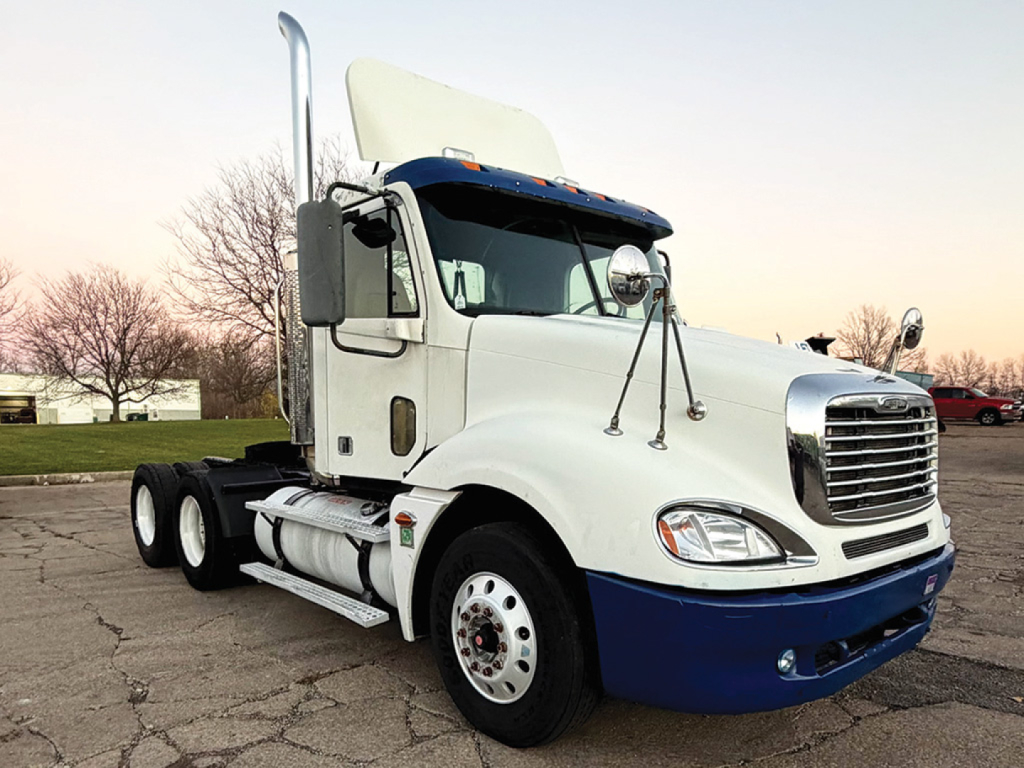
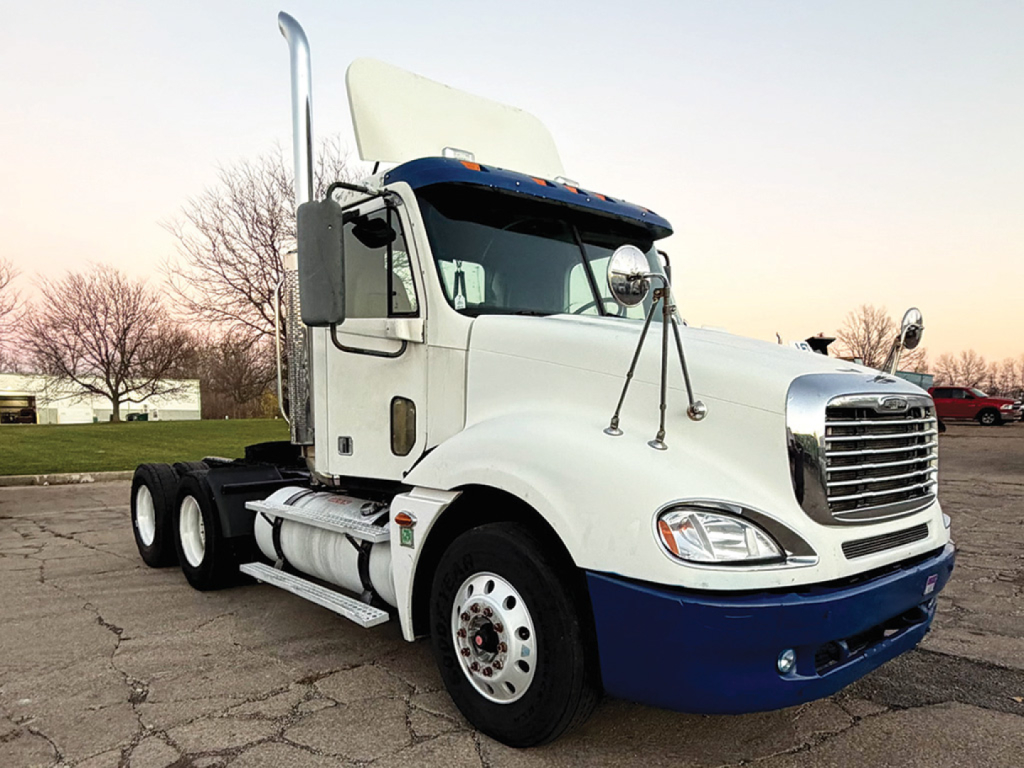
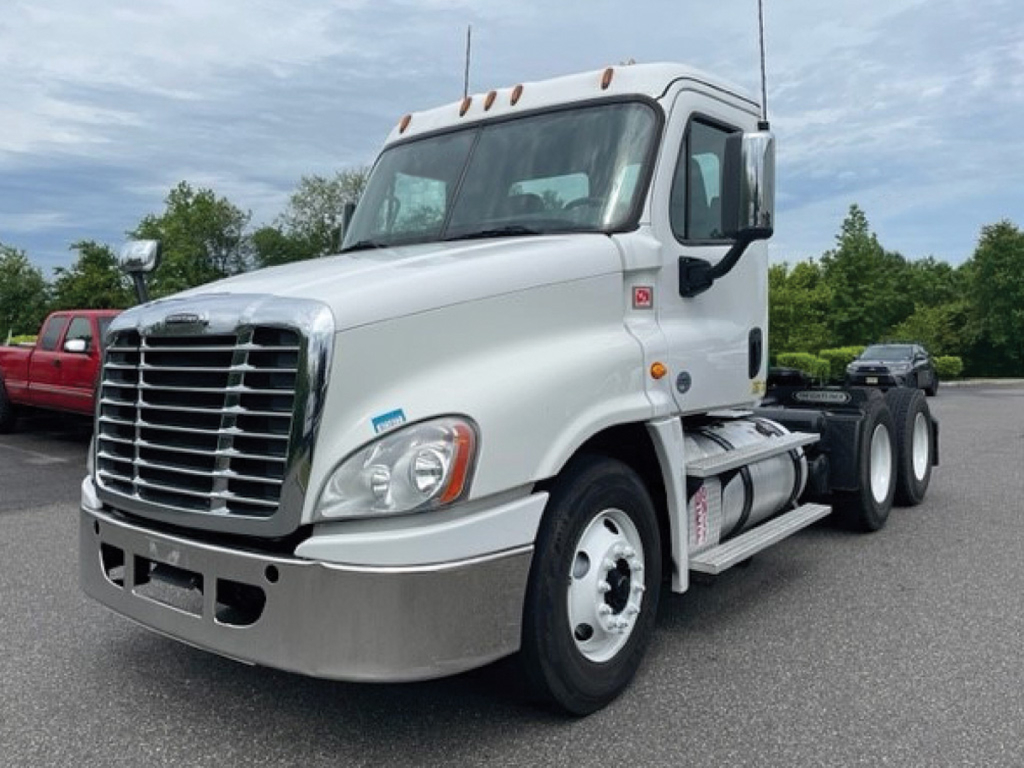
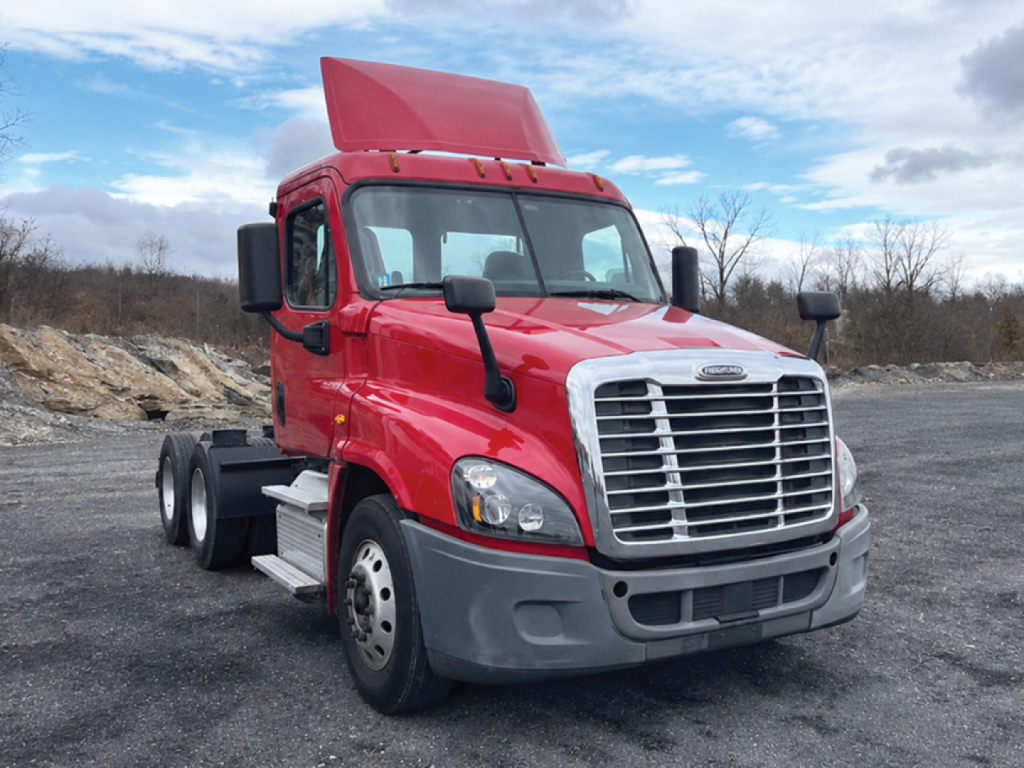
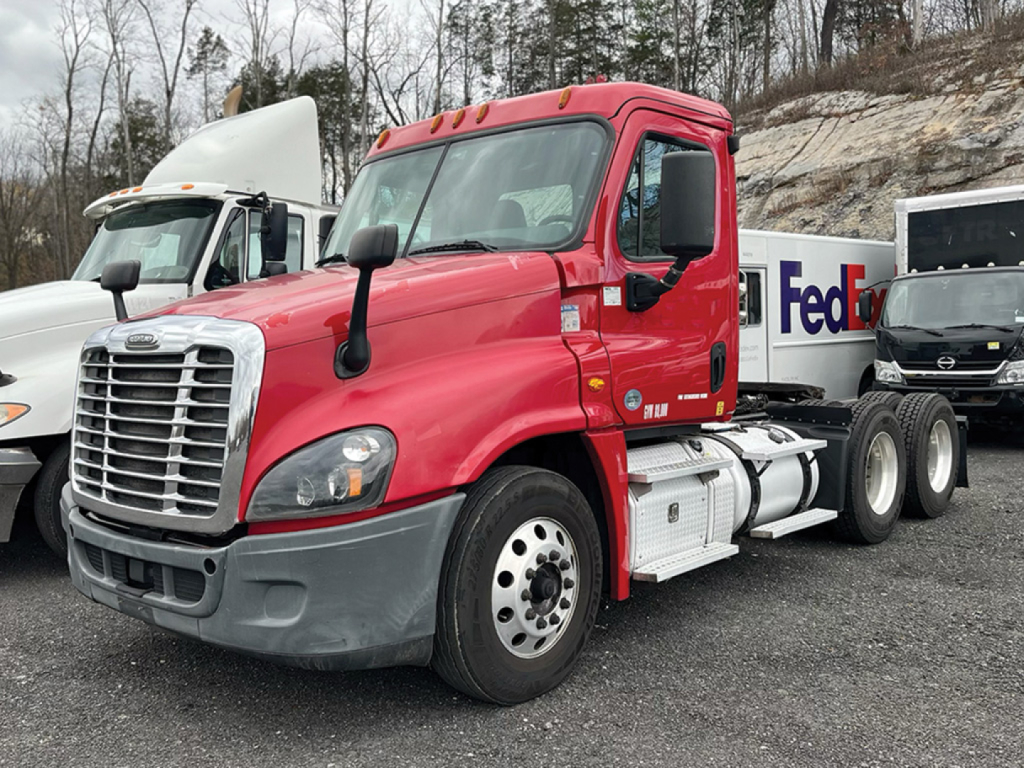
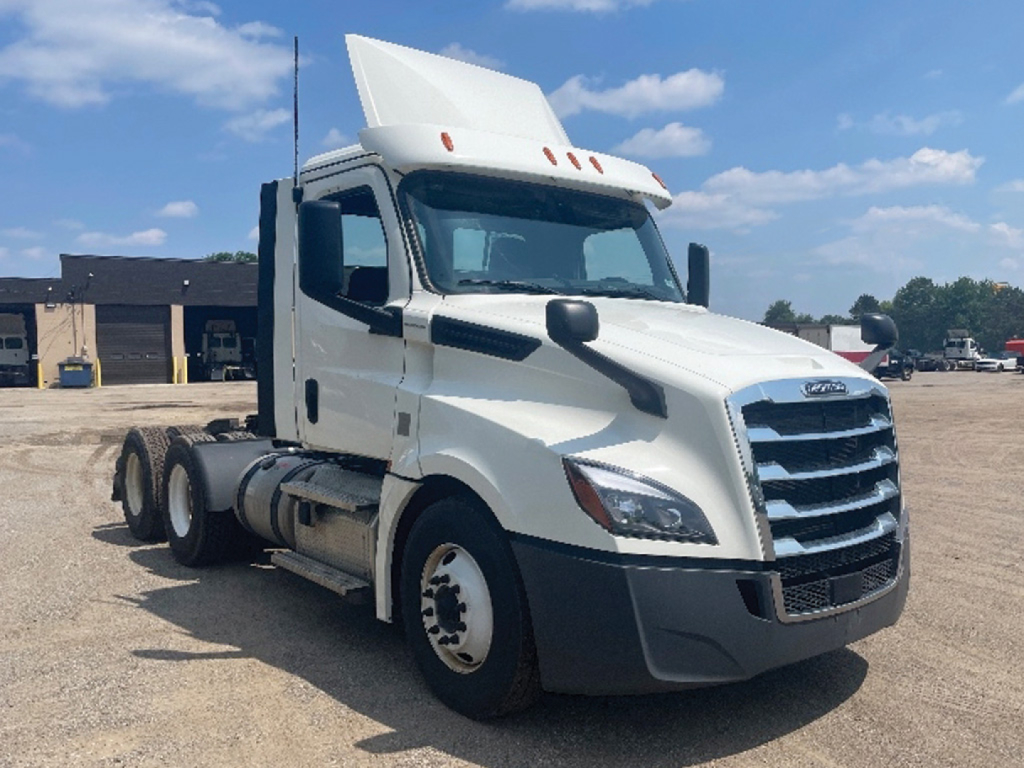
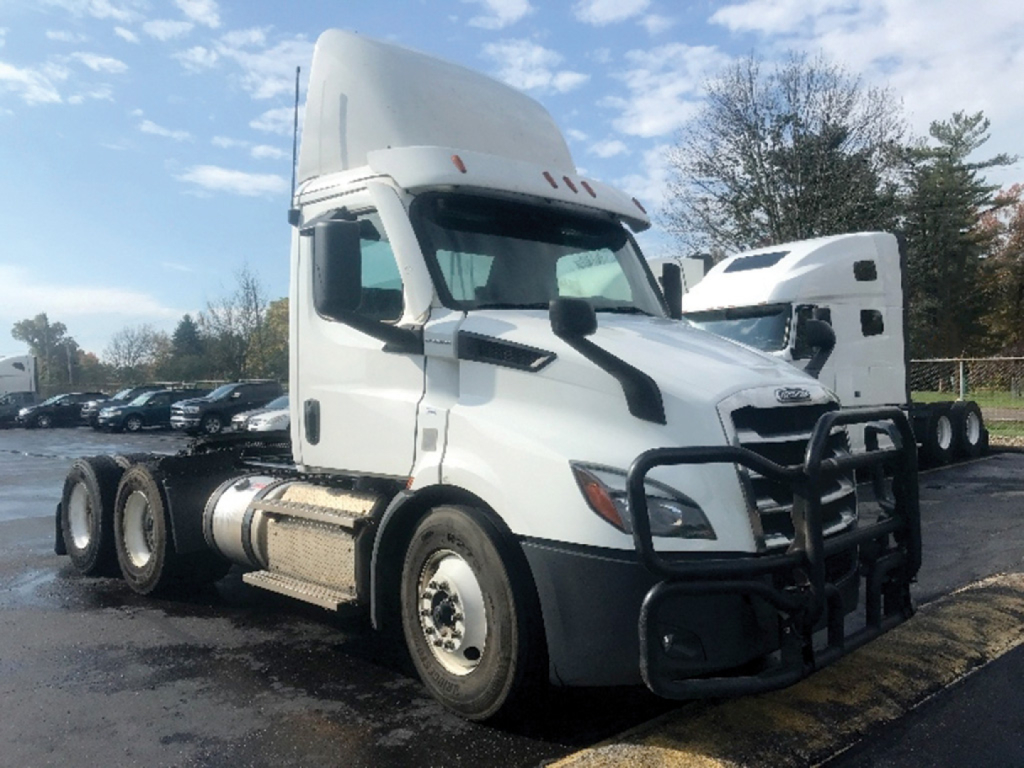
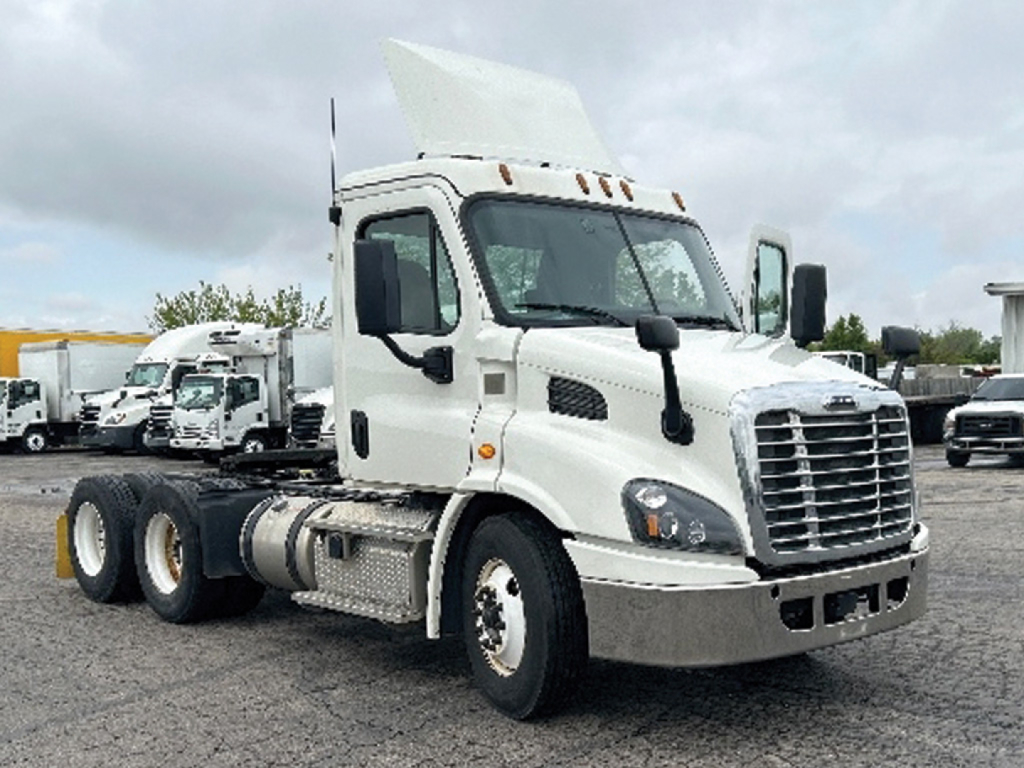
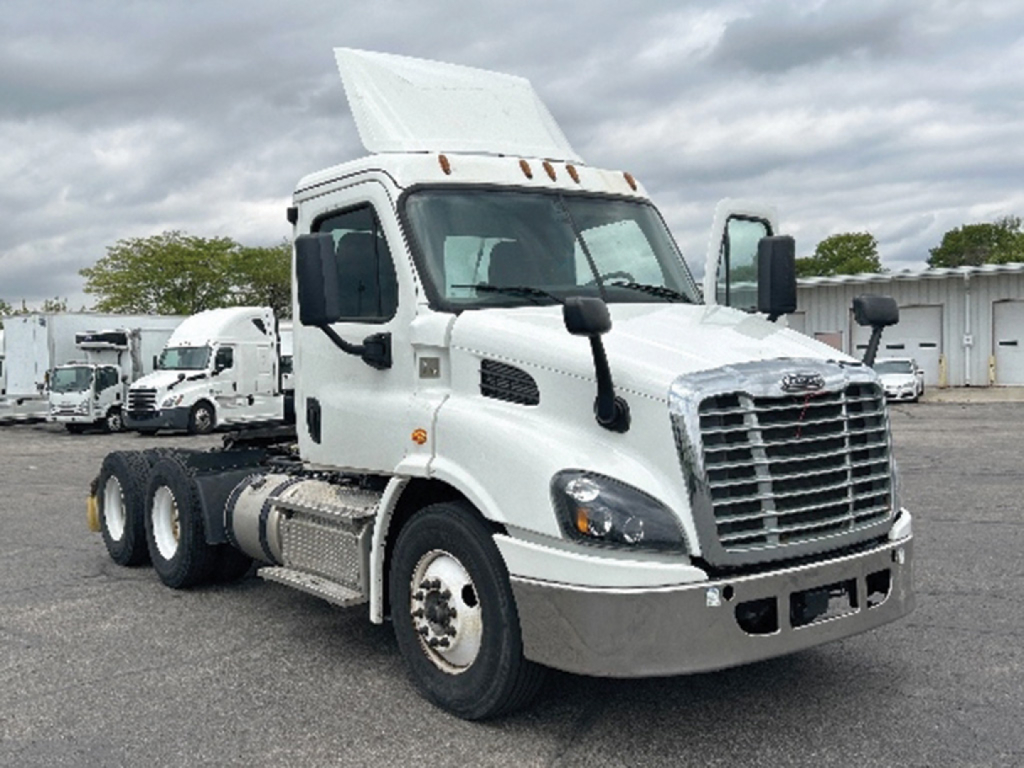
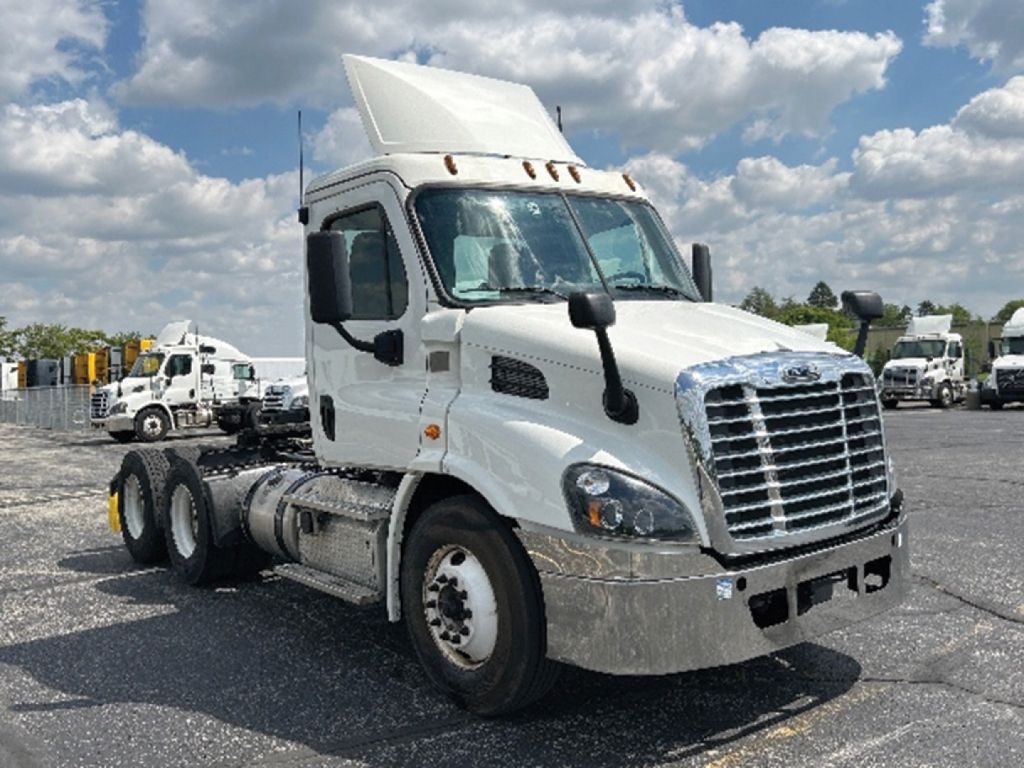
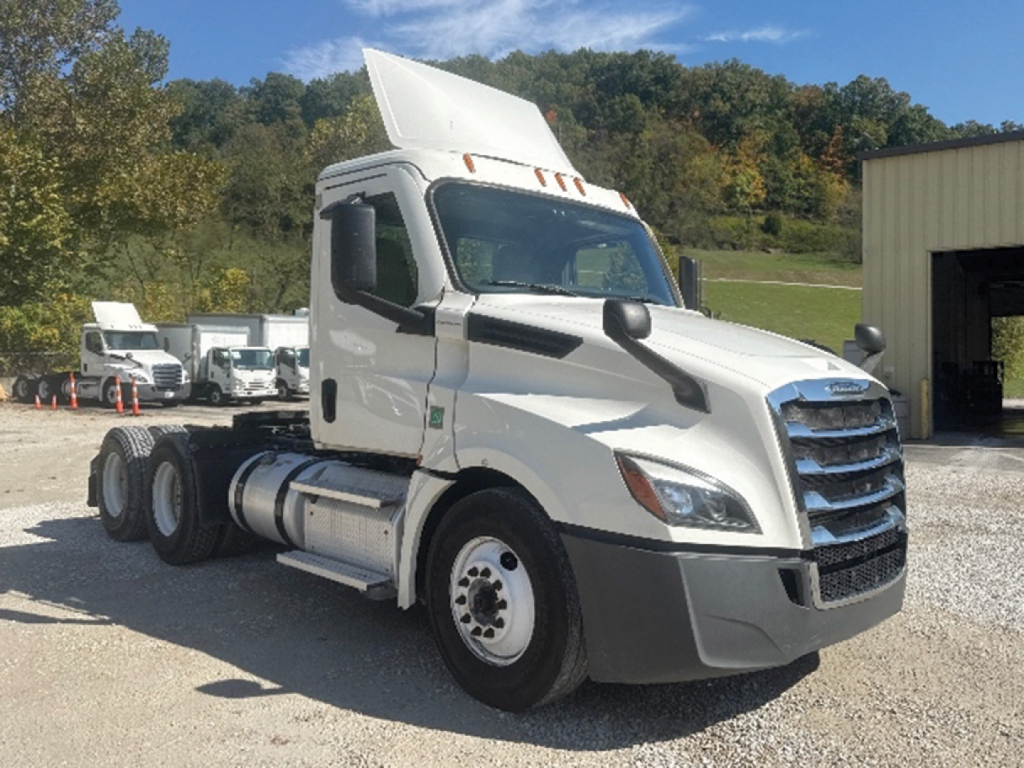
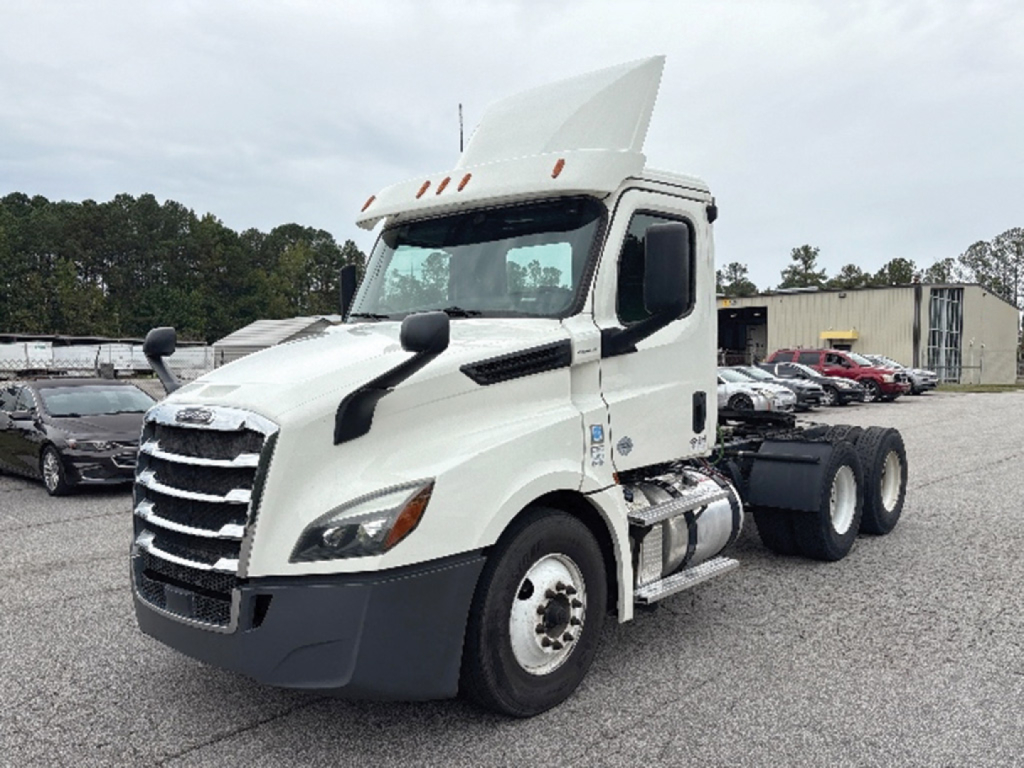
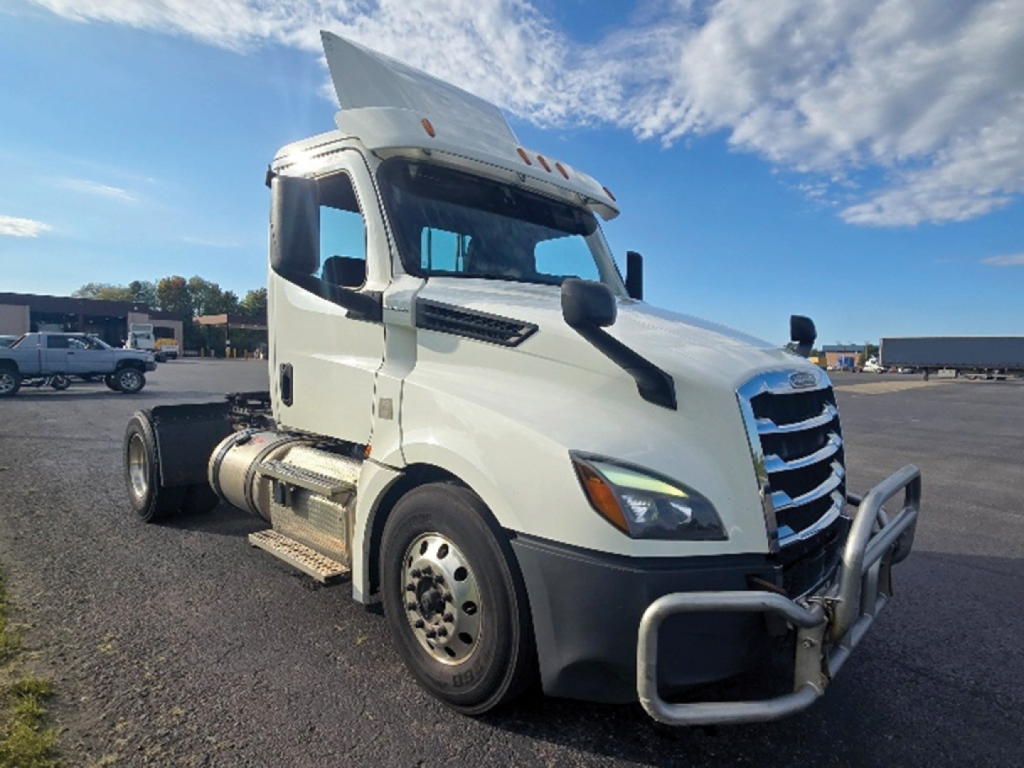
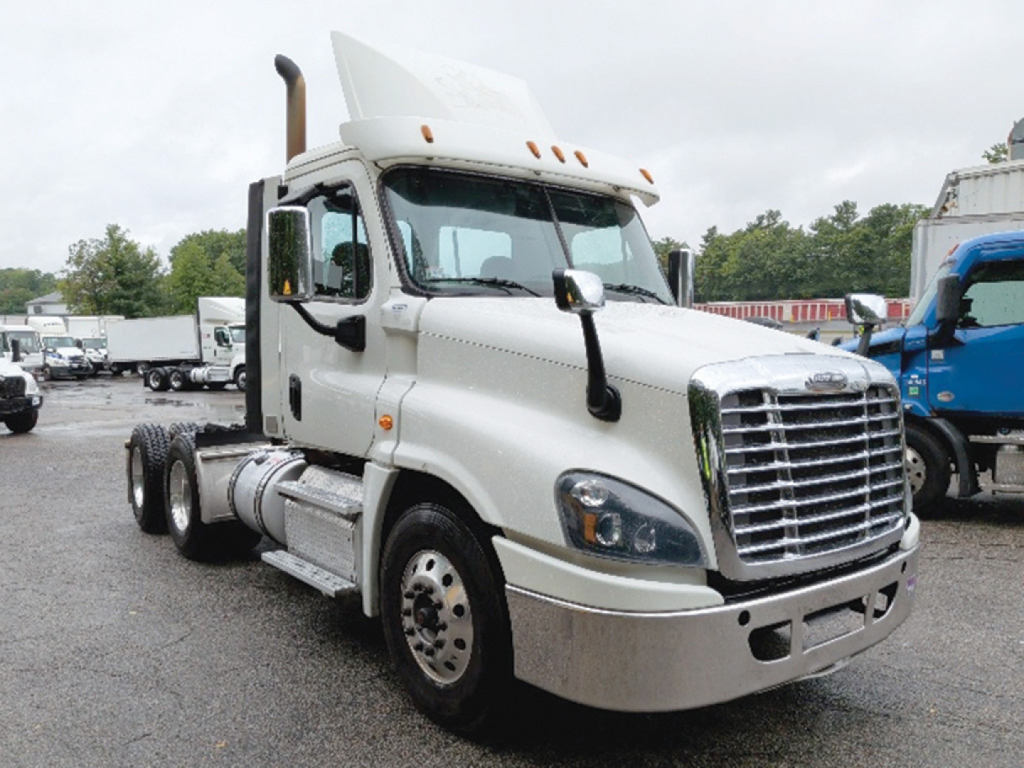
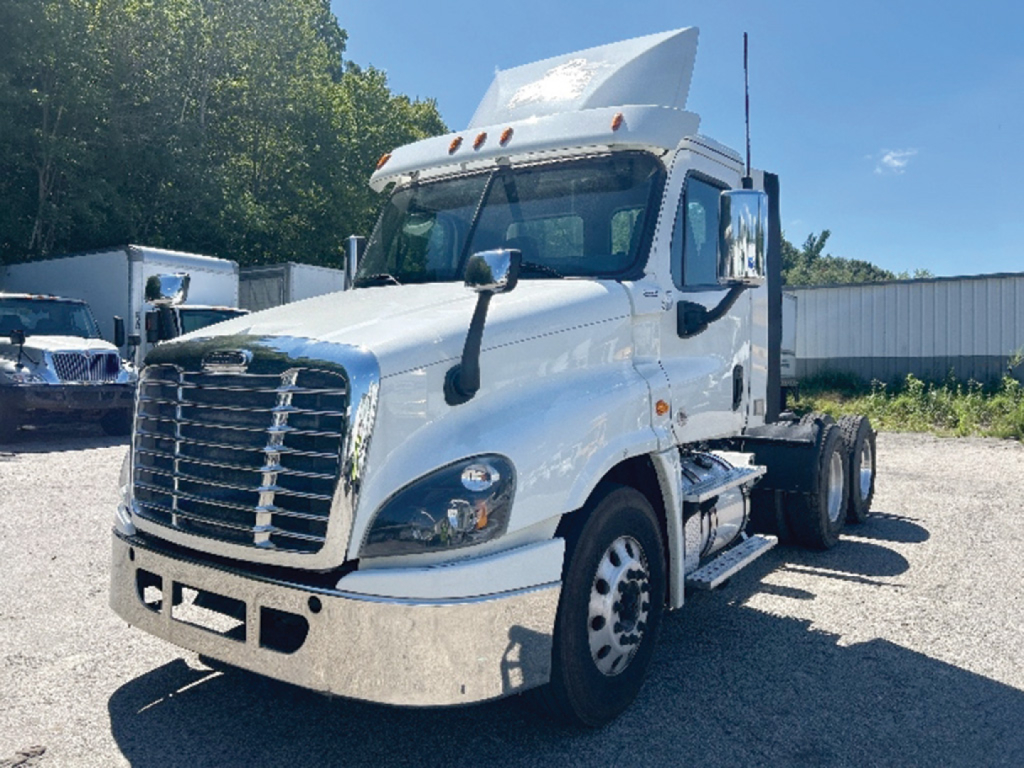
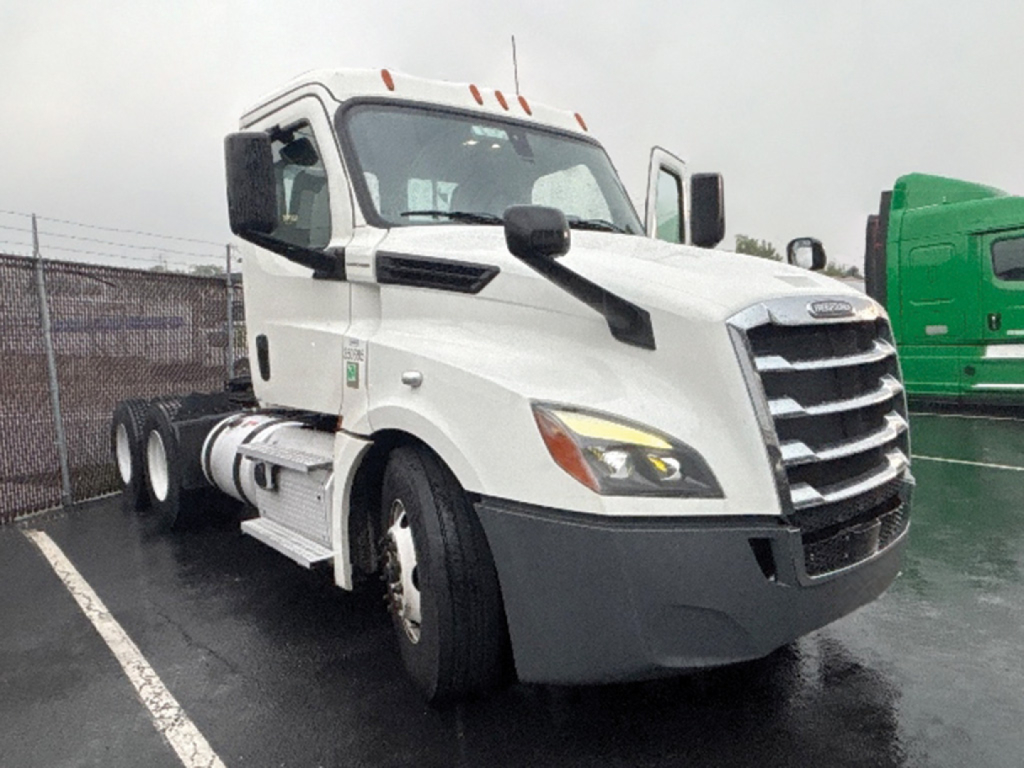
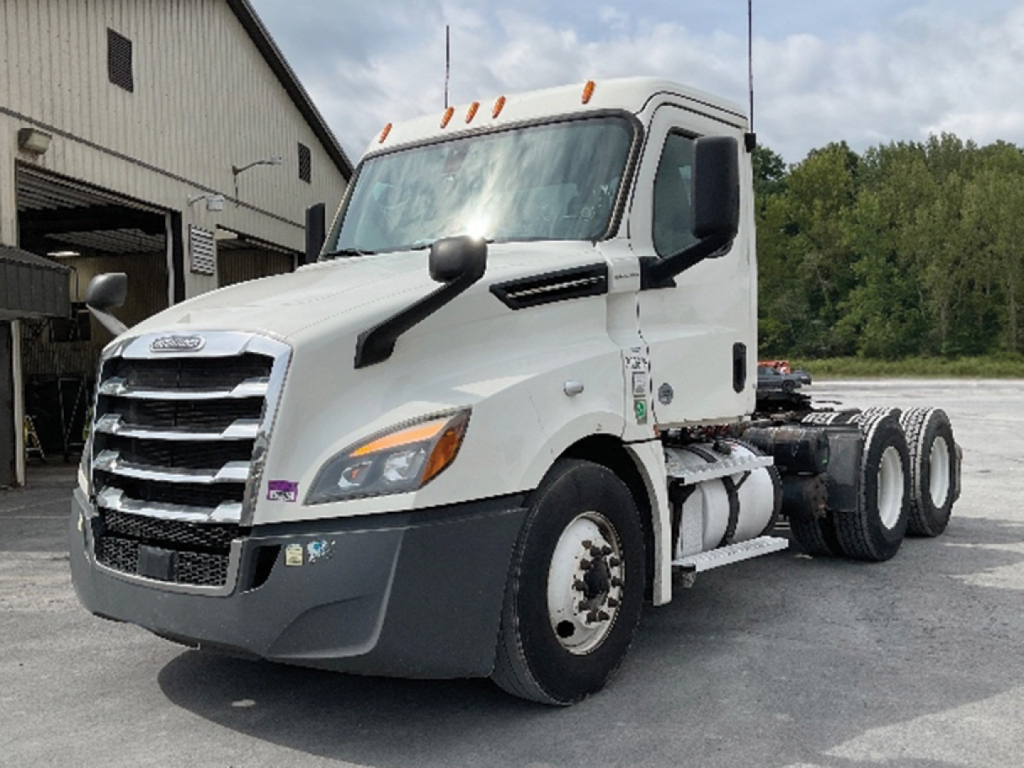
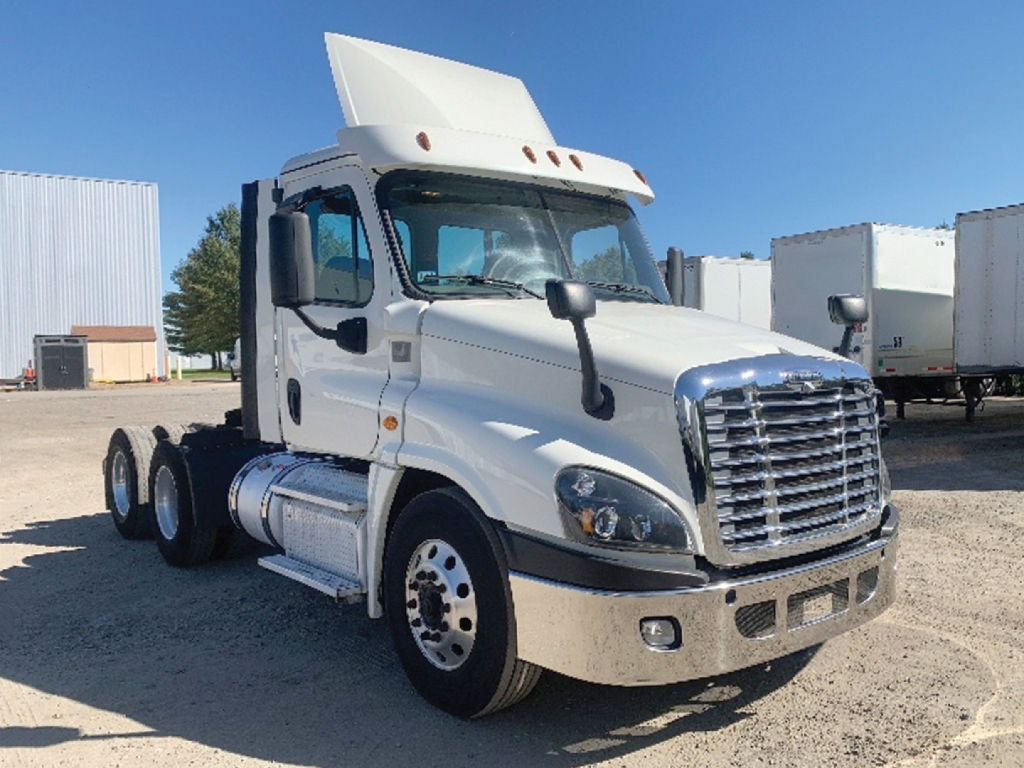
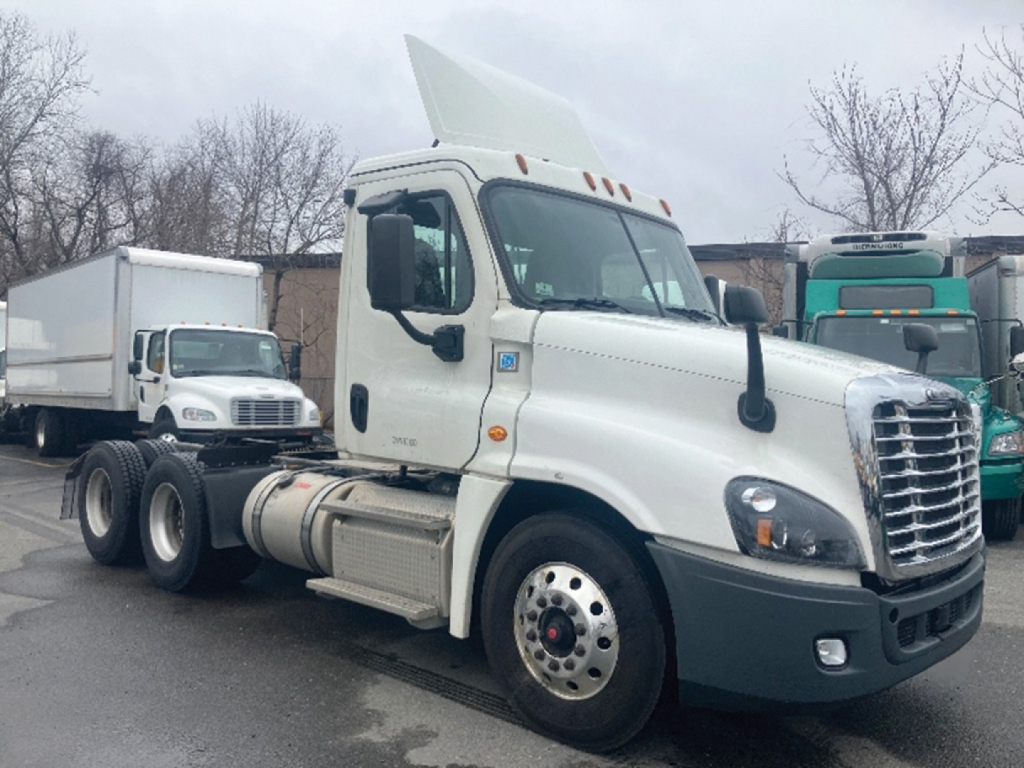
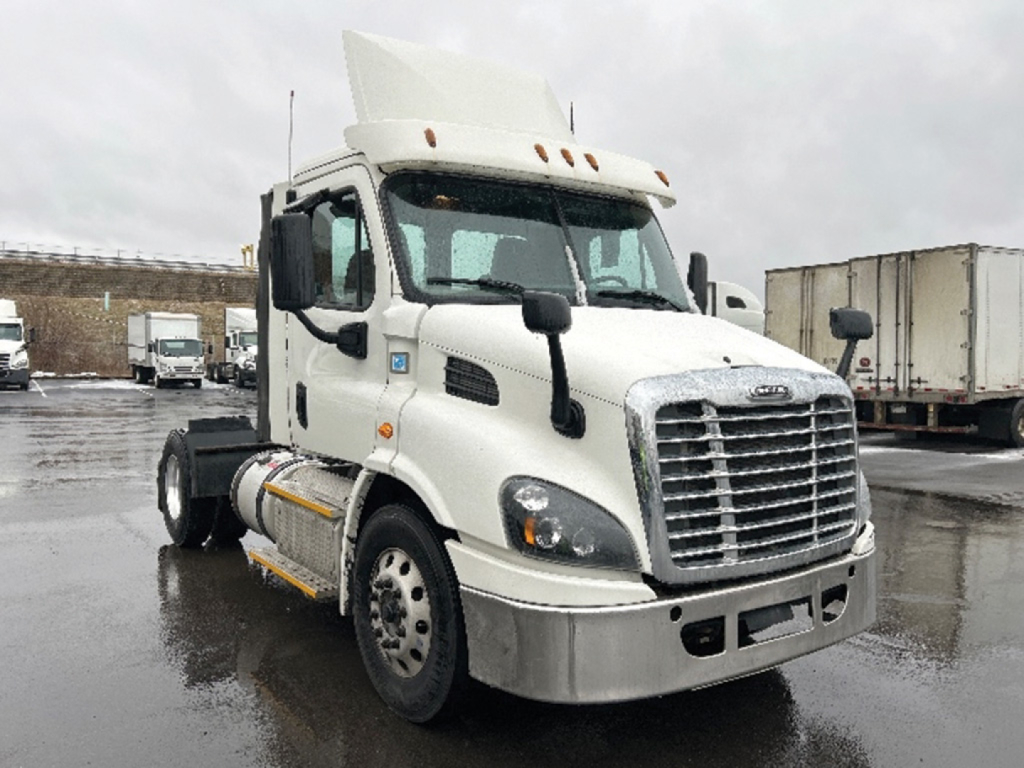
Showing 1 to 28 of 131 results
Selling a used freightliner conventional day cab truck? List your used freightliner conventional day cab truck for sale and reach thousands of commercial buyers.
Used Freightliner Conventional Day Cab Trucks
Match axle ratings, wheelbase, fifth-wheel travel, and rear gearing to trailer clearance, loaded weights, and route grades; a highway-oriented ratio is not automatically right for repeated heavy starts. Service history should separate road miles from idle hours and document engine, transmission, and emissions repairs. Compare ECM mileage with the odometer, insist on a cold start and loaded road test, and inspect AirLiner suspension bushings, cab mounts, steering play, and fifth-wheel wear. On emissions-equipped trucks, review DPF cleaning, regeneration frequency, and SCR/DEF faults rather than accepting cleared warning lights. Across the United States and Canada, inspect salted-road chassis for corrosion and confirm state or provincial axle limits and emissions eligibility for the intended routes.
Frequently Asked Questions about Used Freightliner Conventional Day Cab Trucks
Is a DD13 or DD15 better for a Freightliner day cab tractor?
The Detroit DD13 is a strong fit for local and regional work where tare weight matters, while the DD15 suits heavier pulls and sustained grades. Compare torque ratings, transmission capacity, axle gearing, and actual gross combination weight rather than horsepower alone. A properly geared DD13 Freightliner day cab can be a better match than a DD15 tractor geared for a different duty cycle.
Which used Freightliner day cab years have DPF and DEF systems?
Detroit-powered Freightliner day cabs built to EPA 2007 standards generally have a DPF; EPA 2010 Detroit engines add SCR and DEF. Verify the engine emissions label and serial number rather than relying only on the chassis model year. Older trucks may have replacement engines, and emissions equipment must remain intact and compliant for the jurisdictions where the truck will operate.
How do I check a DT12 transmission in a used Freightliner day cab?
A DT12 needs a diagnostic scan plus a road test covering reverse, low-speed maneuvering, loaded starts, and shifts at operating temperature. The DT12 is an automated manual with a clutch, not a torque-converter automatic. Have a Detroit-qualified shop review clutch wear data, adaptations, fault history, and actuator operation, and investigate delayed engagement or shudder before accepting the Freightliner day cab.
Does a 40,000-pound rear tandem make a Freightliner day cab legal at 40,000 pounds on the drives?
No, a 40,000-pound tandem rating describes component capacity, not automatic legal road weight. On US Interstate highways, the standard federal tandem limit is 34,000 pounds, subject to applicable exceptions. Bridge-formula limits, axle spacing, tires, registration, and state rules also matter. Canadian provincial limits differ, so a Freightliner day cab needs a route-specific weight assessment rather than a decision based on axle ratings alone.
Should I consider a non-running Freightliner day cab as a repair project?
Only consider a non-running Freightliner day cab after a shop identifies the failure and inventories missing components. An engine that turns by hand does not prove usable compression, sound bearings, or an intact fuel system. Require checks for coolant in oil, fuel contamination, seized accessories, missing aftertreatment, and damaged wiring, and confirm transferable ownership documents before committing to repairs.