
Used 2012 Freightliner Conventional Day Cab Trucks For Sale
Used 2012 Freightliner conventional day cab trucks: compare DD13 and DD15 power, single or tandem axles, and EPA 2010 emissions-system condition.
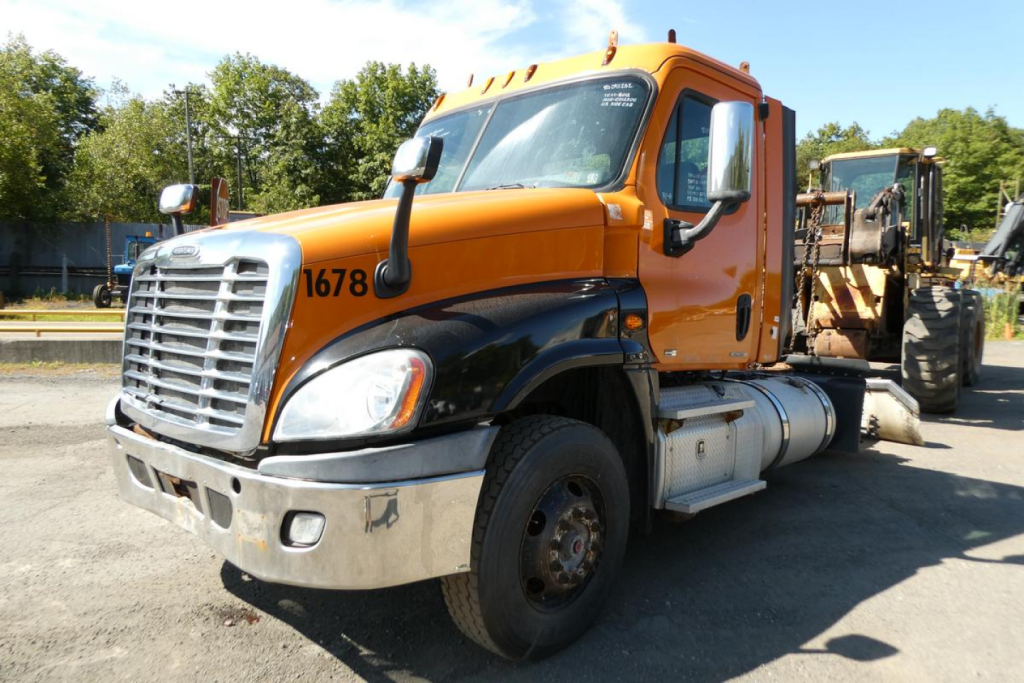
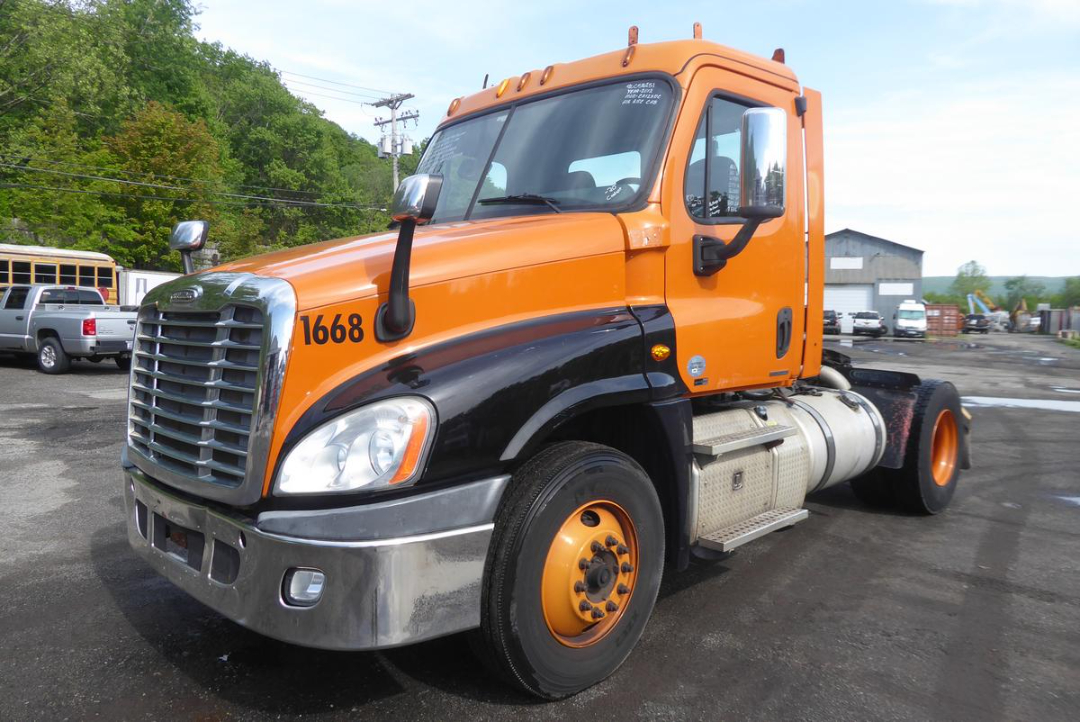
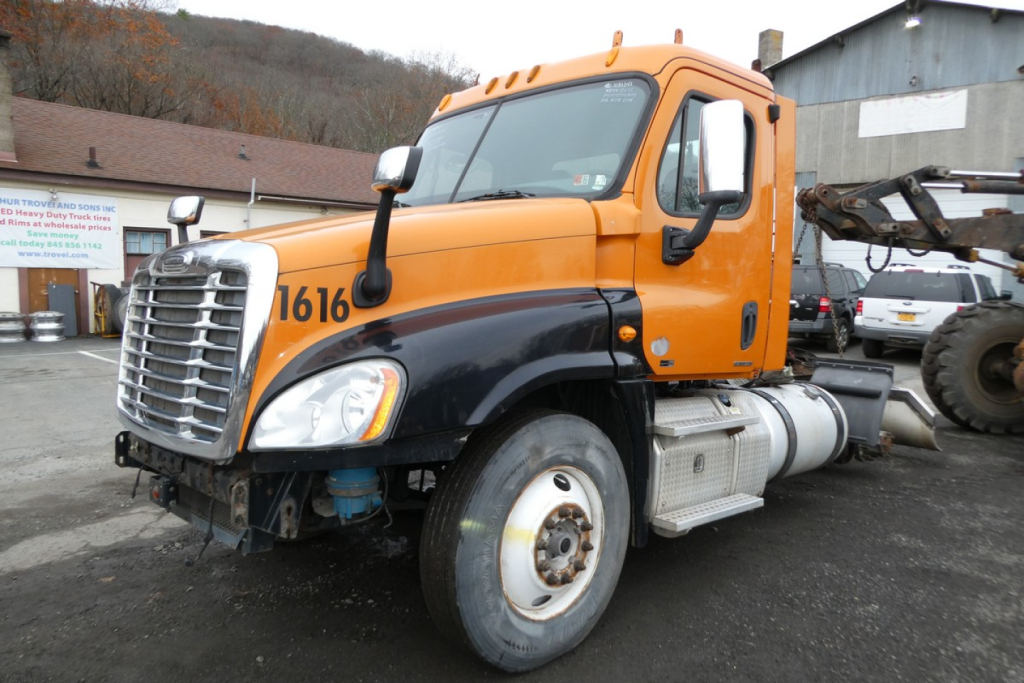
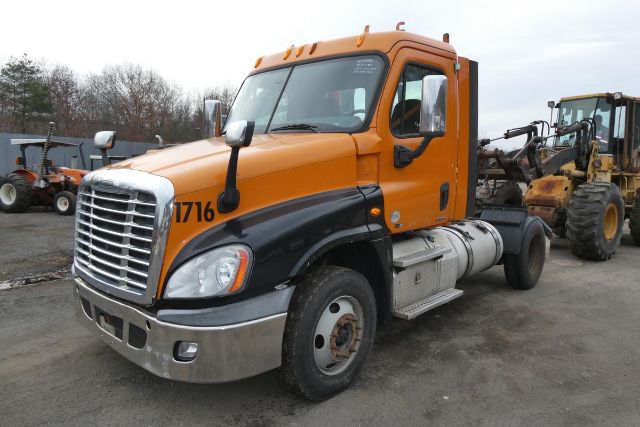
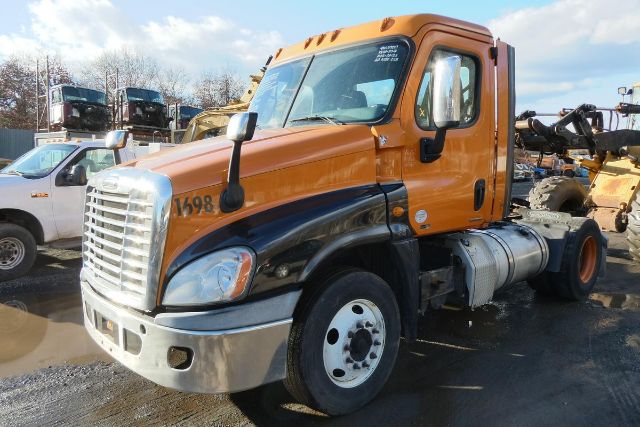
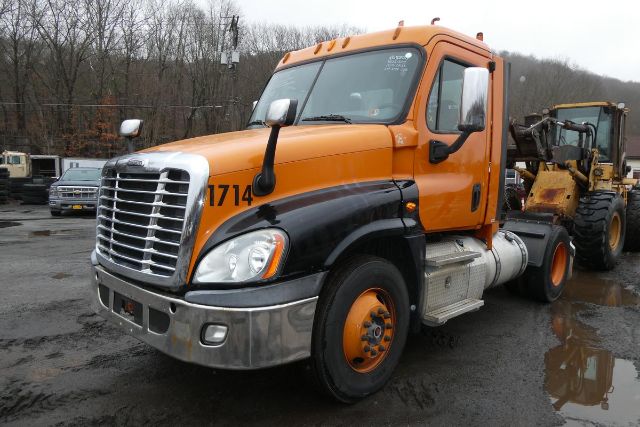
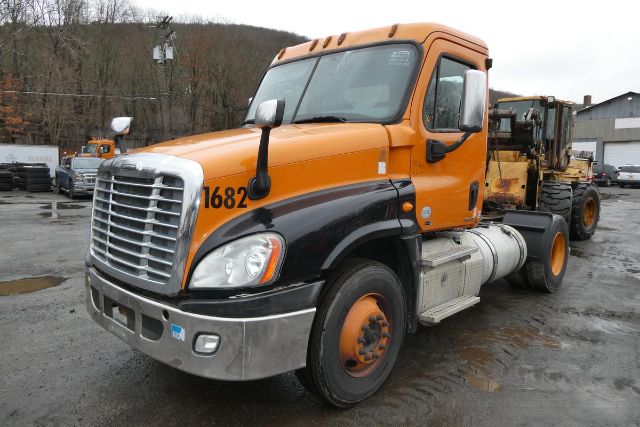
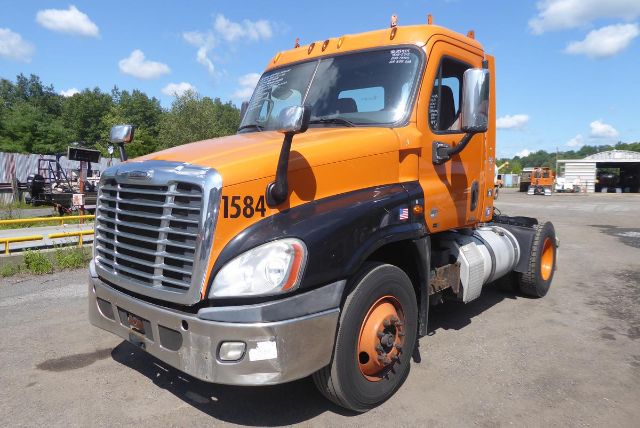
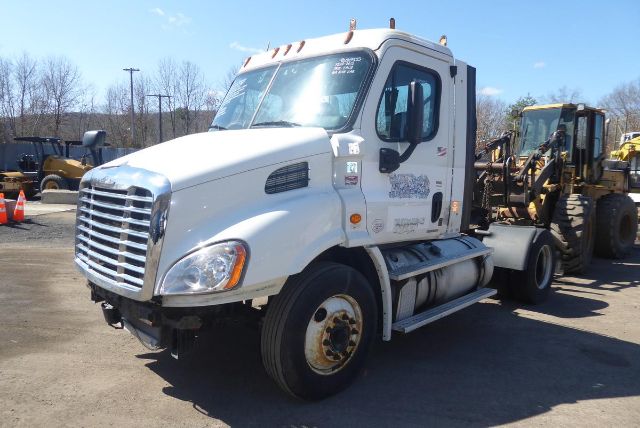
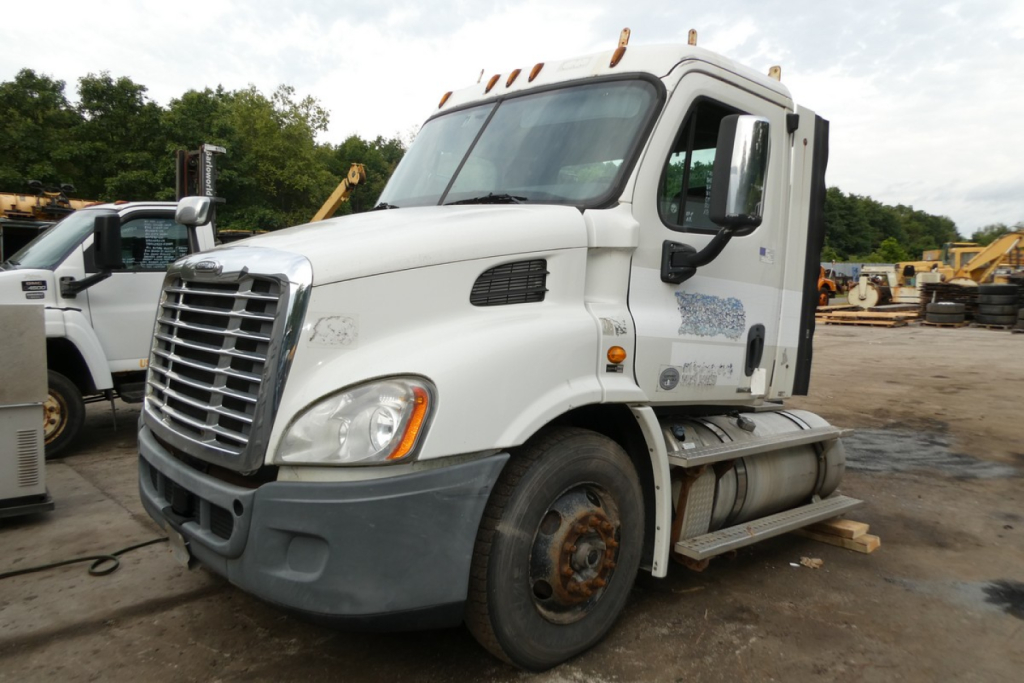
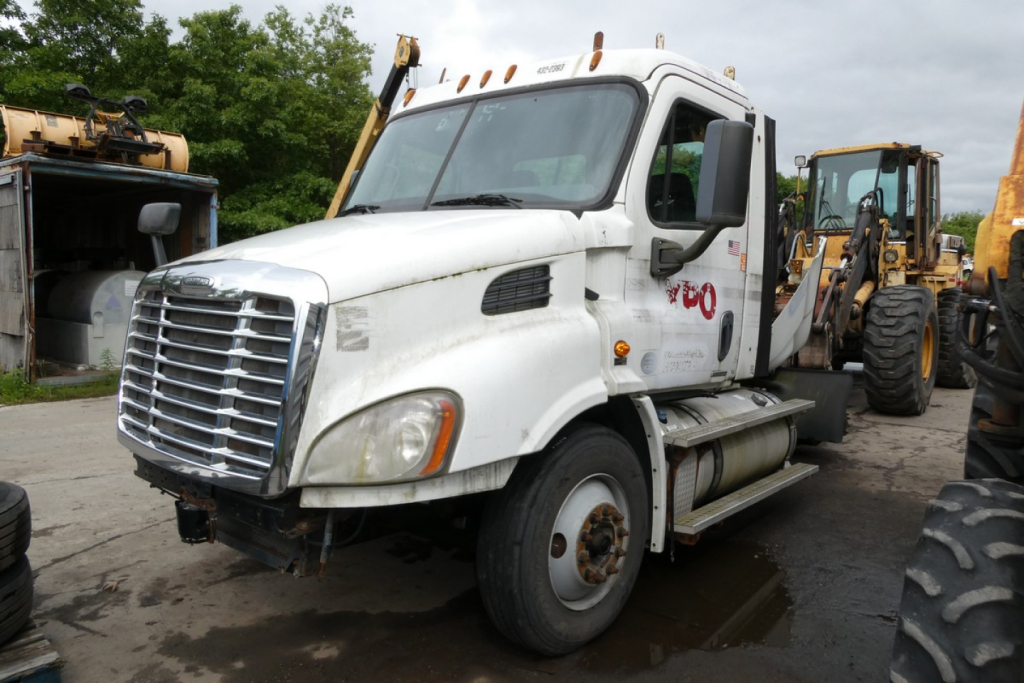
Selling a used 2012 freightliner conventional day cab truck? List your used 2012 freightliner conventional day cab truck for sale and reach thousands of commercial buyers.
Used 2012 Freightliner Conventional Day Cab Trucks
Cascadia 113 and 125 configurations deserve close comparison for hood length, wheelbase, and trailer clearance. The Detroit DD13 is a common regional-haul choice, while the larger DD15 offers more displacement for heavier combination work; engine rating, axle gearing, and transmission ratios still determine suitability. Fuller 10-speed manuals and Freightliner AirLiner air suspension are familiar combinations from this period. A short-wheelbase single-drive-axle tractor can maneuver well at loading docks, but a tandem provides additional axle capacity and traction. Match fifth-wheel position, steer-axle loading, and legal combination weight to the actual trailer rather than treating GVWR as a towing rating.
A cold start, fully warmed road test, and diagnostic scan are more useful than an odometer reading alone on a tractor of this age. Compare ECM mileage and engine hours with service records, then check hot oil pressure, crankcase pressure, coolant condition, injector balance, and turbo operation. Review DPF cleaning history, regeneration faults, DEF dosing repairs, and SCR efficiency codes. A truck that starts and idles can still derate under load. Inspect clutch engagement, transmission shifting, driveline play, fifth-wheel jaws, steering kingpins, and AirLiner bushings for wear from repeated local stops and trailer changes.
Salt exposure across northern states and Canadian provinces warrants close inspection of frame rails, crossmembers, brake plumbing, and electrical connectors. Cooling-system pressure testing matters for hotter regions and heavy stop-and-go service. Verify axle-spacing and weight limits for every intended jurisdiction, since a 23,000-pound rear-axle rating does not automatically permit that weight on public roads. Confirm cold-weather starting equipment and DEF heater operation for winter routes.
Frequently Asked Questions about Used 2012 Freightliner Conventional Day Cab Trucks
Can I add a wet kit to a 2012 Freightliner day cab?
A wet kit can be added to a 2012 Freightliner day cab when the transmission supports a compatible PTO and the chassis has adequate mounting space. Verify the transmission model, PTO opening, pump rotation, operating speed, and required hydraulic flow before selecting components. Dump trailers, walking floors, and tank trailers can require different pressures, reservoir capacities, and return-line arrangements.
Can a 2012 Freightliner day cab operate in California?
A 2012 Freightliner day cab with its original compliant 2010-or-newer diesel engine can generally meet California's Truck and Bus engine-year requirement. Engine model year, not the truck's advertised year, controls that determination. California operation also requires compliance with applicable Clean Truck Check registration and testing, including for out-of-state trucks. Missing or disabled DPF, SCR, or DEF equipment is a compliance problem even when the engine year qualifies.
What paperwork proves a 2012 Freightliner engine was rebuilt?
A detailed rebuild invoice tied to the engine serial number is the strongest starting evidence for a rebuilt 2012 Freightliner engine. The invoice should identify replaced components, machining or measurements, repair mileage, and the shop performing the work. An in-frame overhaul does not automatically include injectors, turbocharger, cylinder head replacement, or aftertreatment repairs. Verify the documented scope and any transferable warranty separately.
Does a 2012 Freightliner day cab need an ELD for local work?
A 2012 Freightliner day cab generally needs an ELD in U.S. service when the driver must regularly maintain records of duty status. Qualifying short-haul drivers can use the time-record exception when they stay within a 150-air-mile radius, return to the same reporting location, and finish within 14 hours. Local operation alone does not establish eligibility. Canadian operations follow separate ELD certification and exemption rules.