
Used 2012 Freightliner Conventional Daycab Trucks For Sale in Nevada
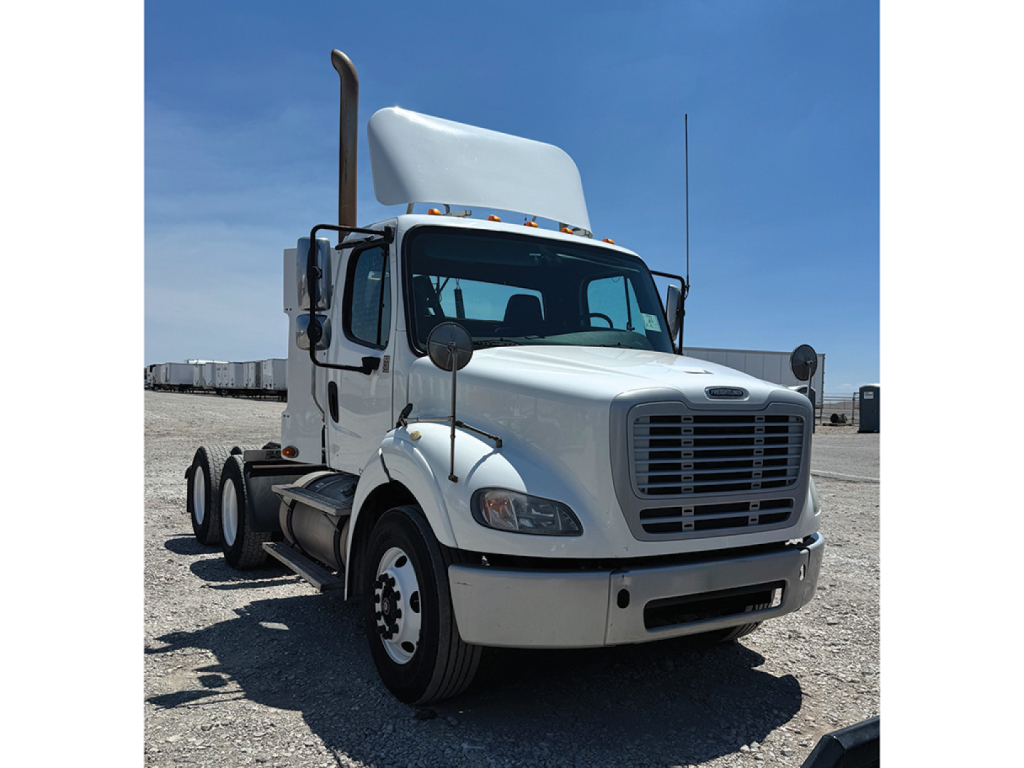
2012 Freightliner M2 112
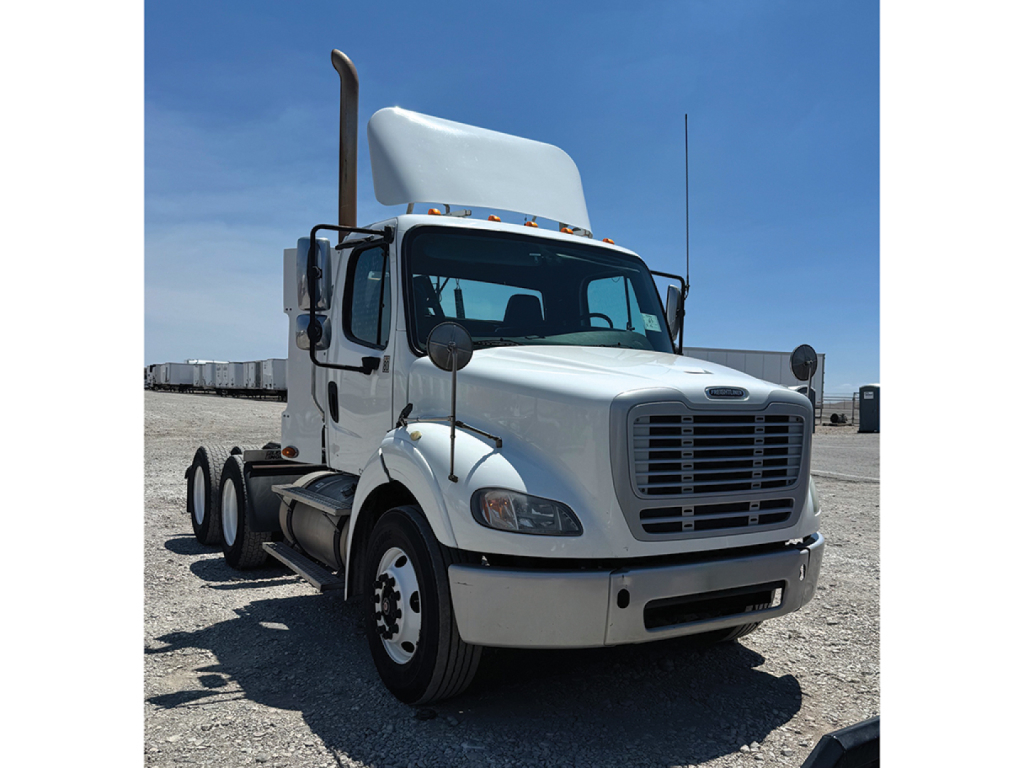
2012 Freightliner M2 112
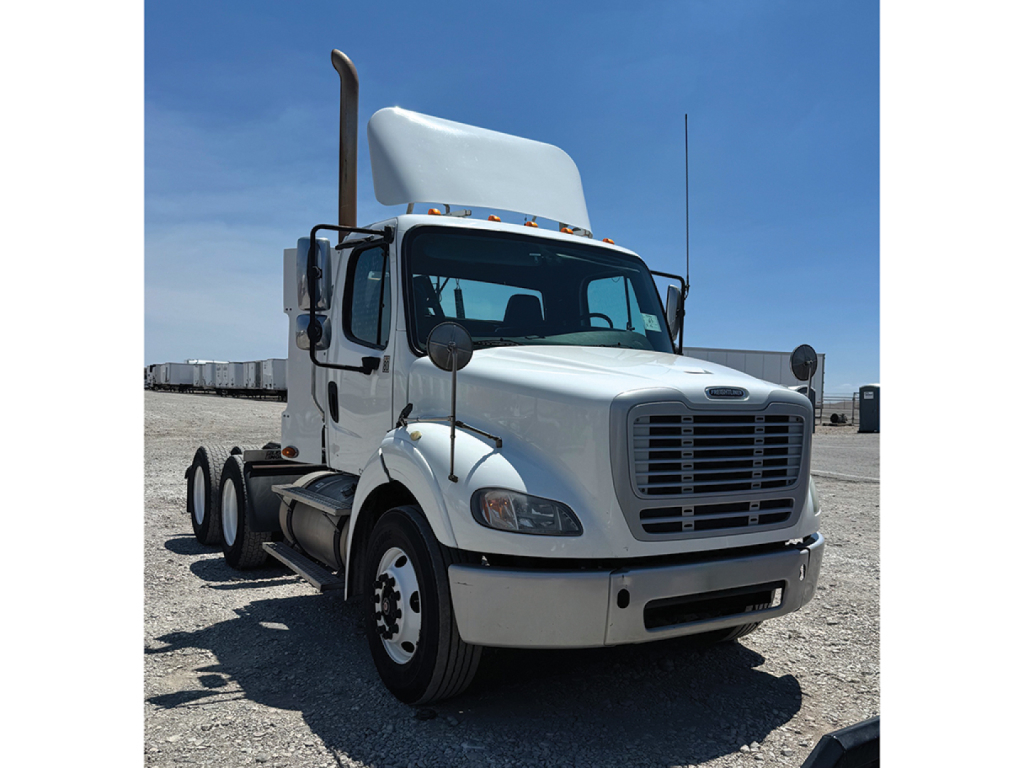
2012 Freightliner M2 112
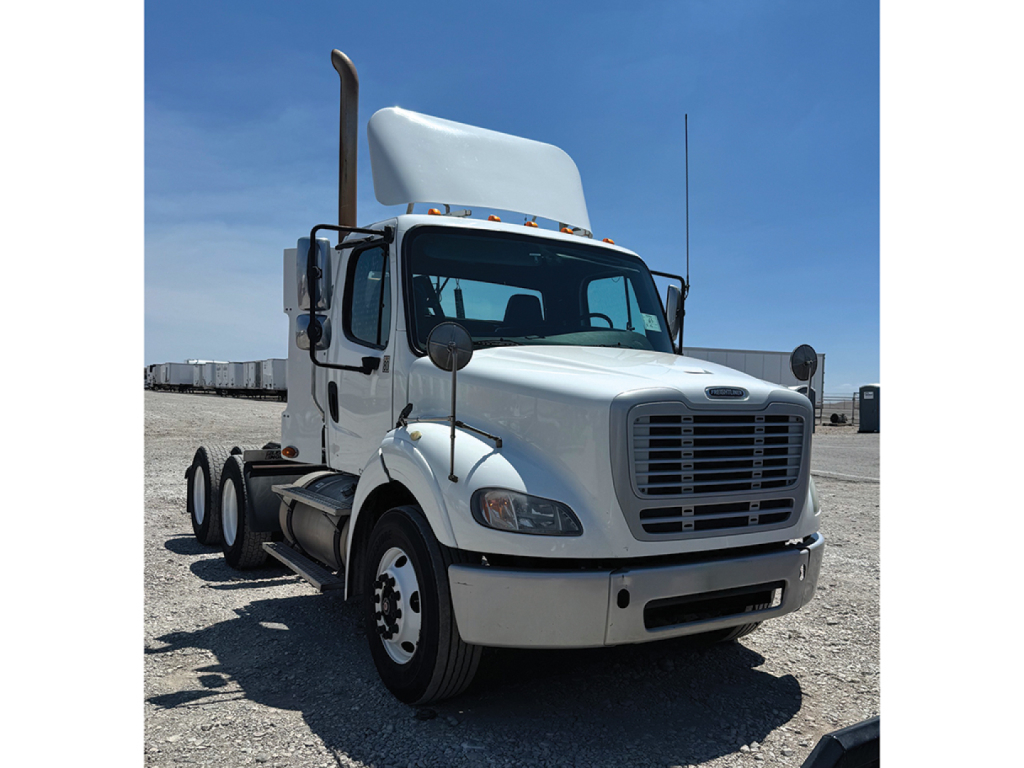
2012 Freightliner M2 112
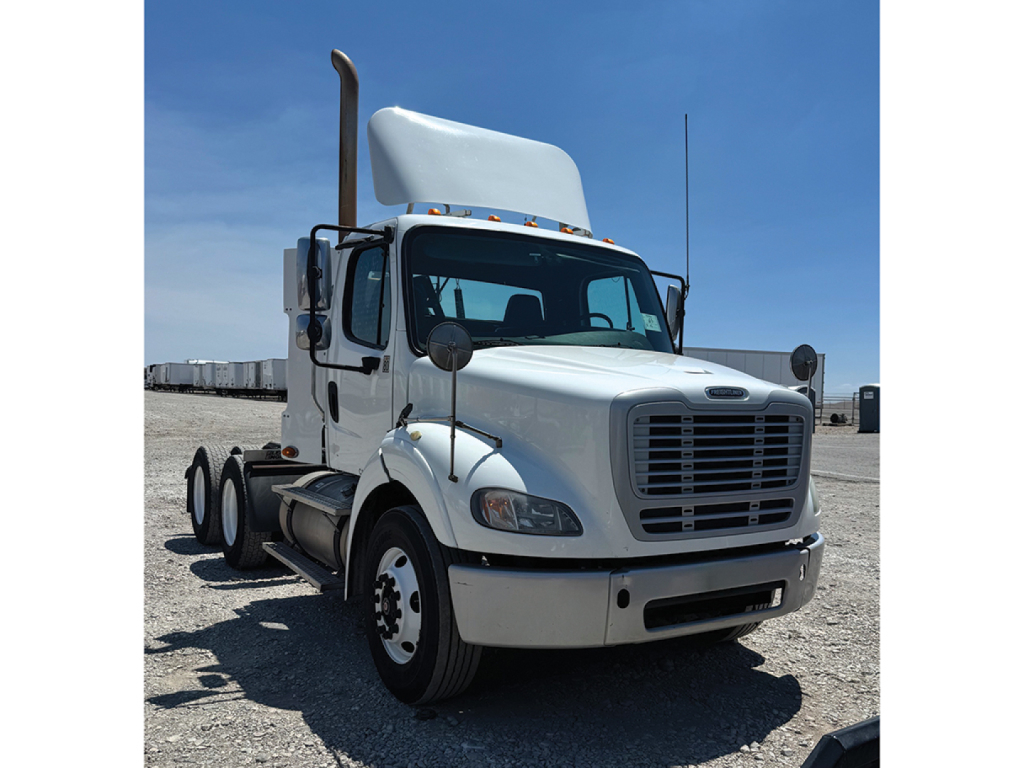
2012 Freightliner M2 112
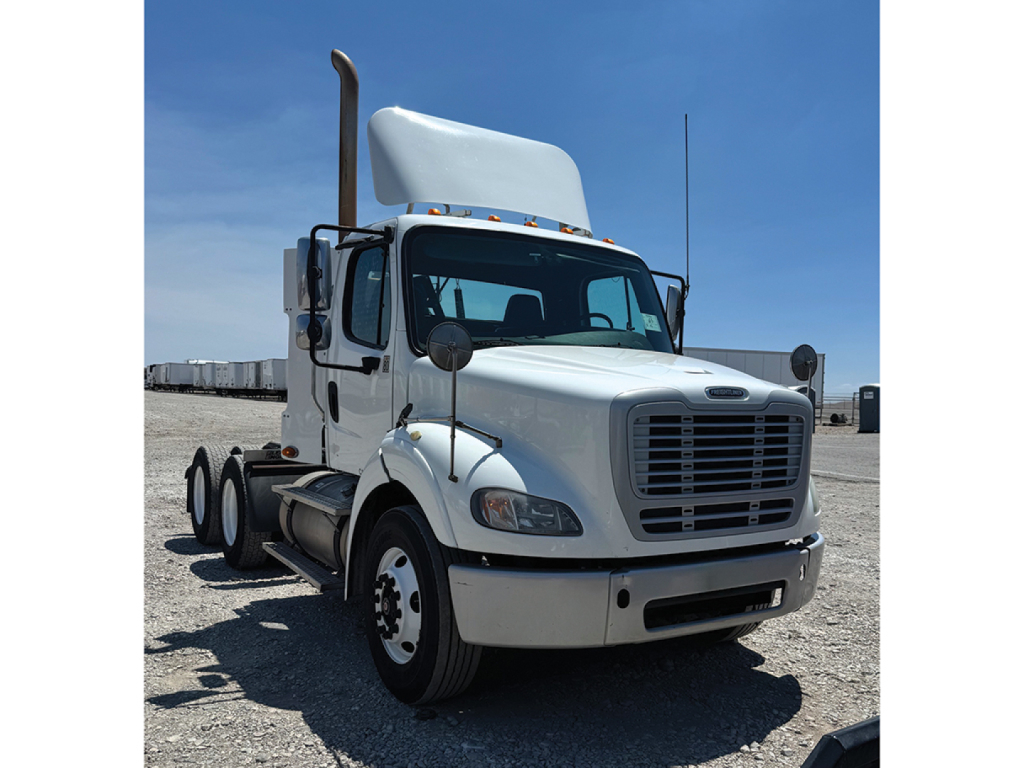
2012 Freightliner M2 112
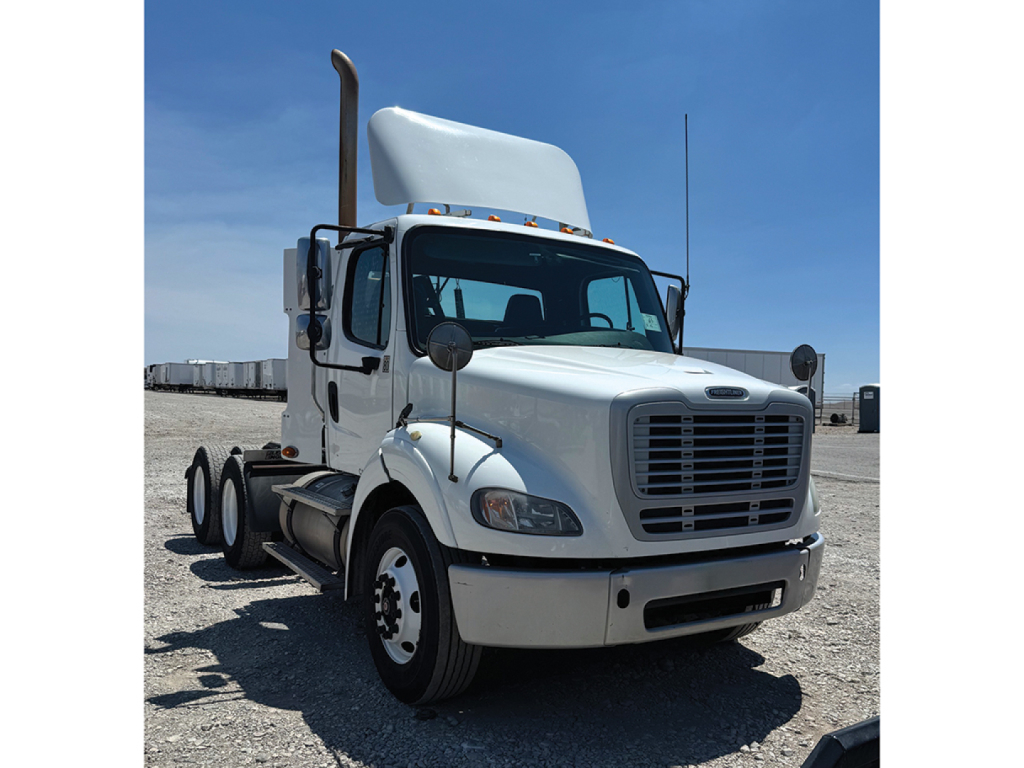
2012 Freightliner M2 112
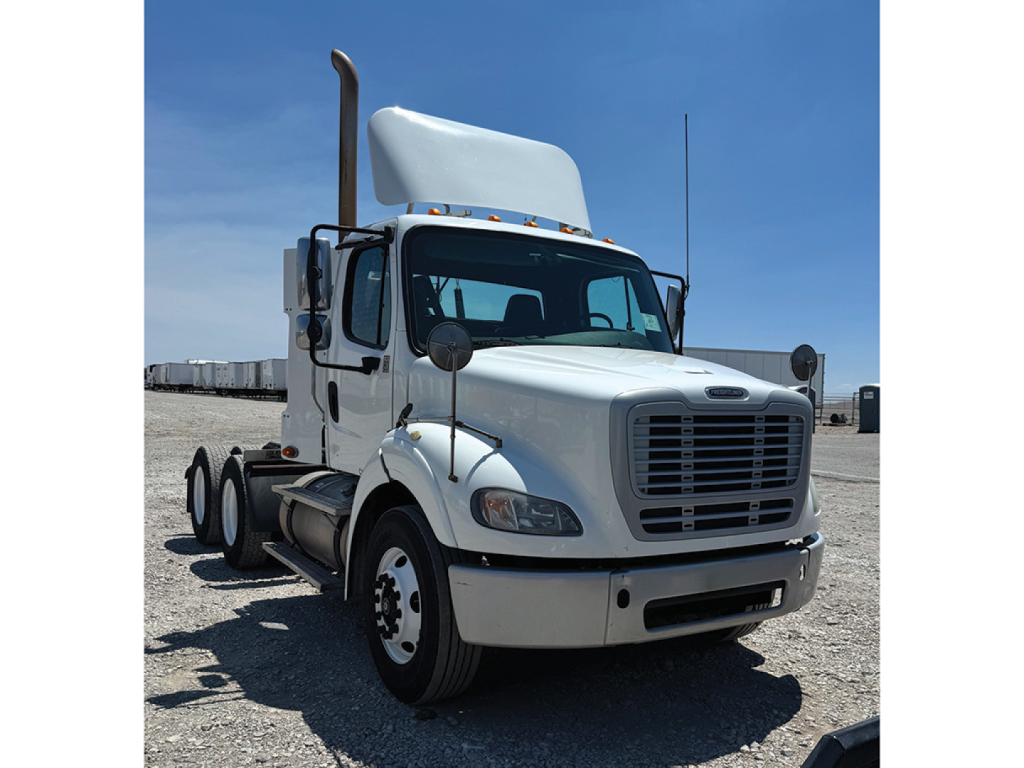
2012 Freightliner M2 112
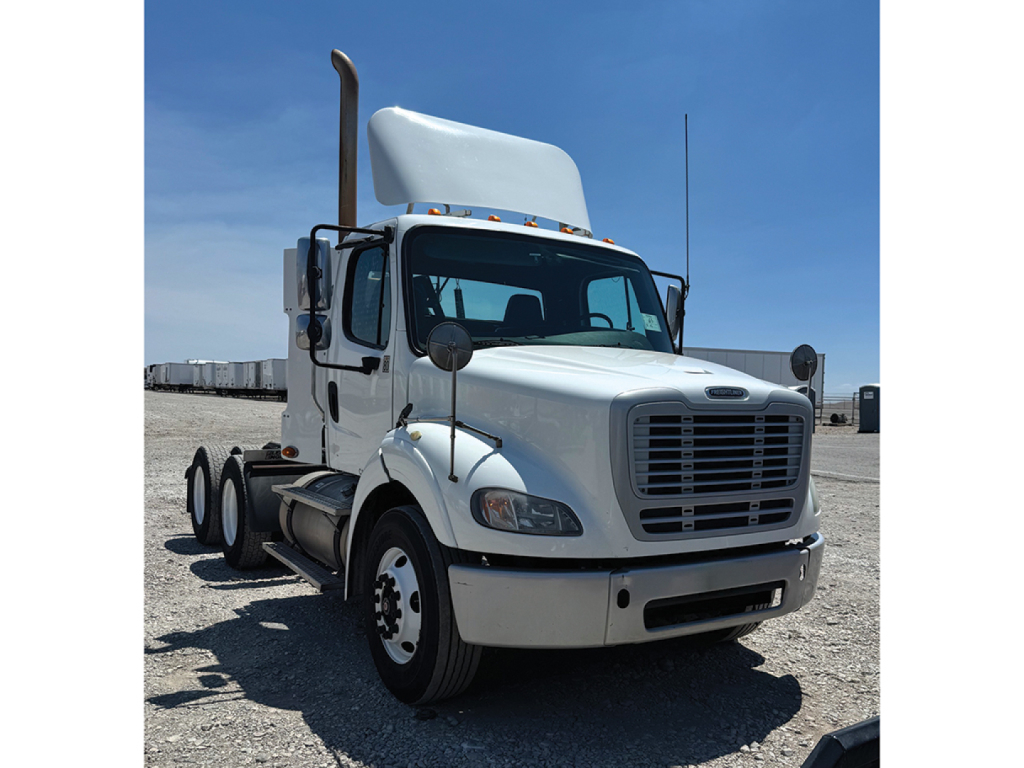
2012 Freightliner M2 112
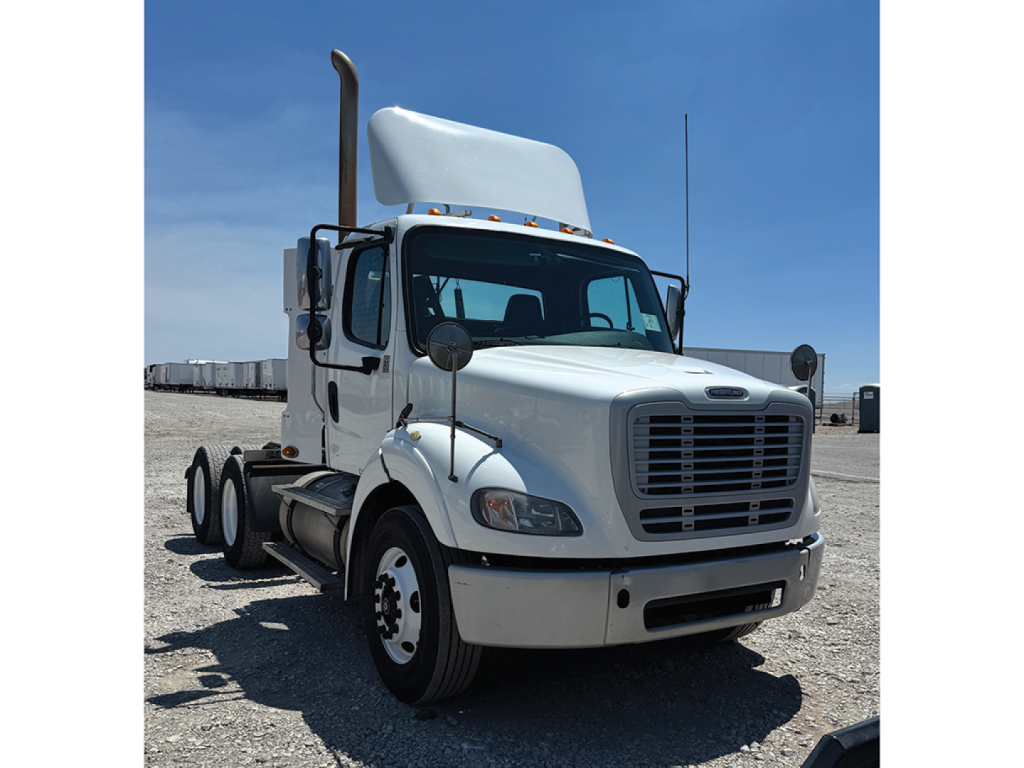
2012 Freightliner M2 112
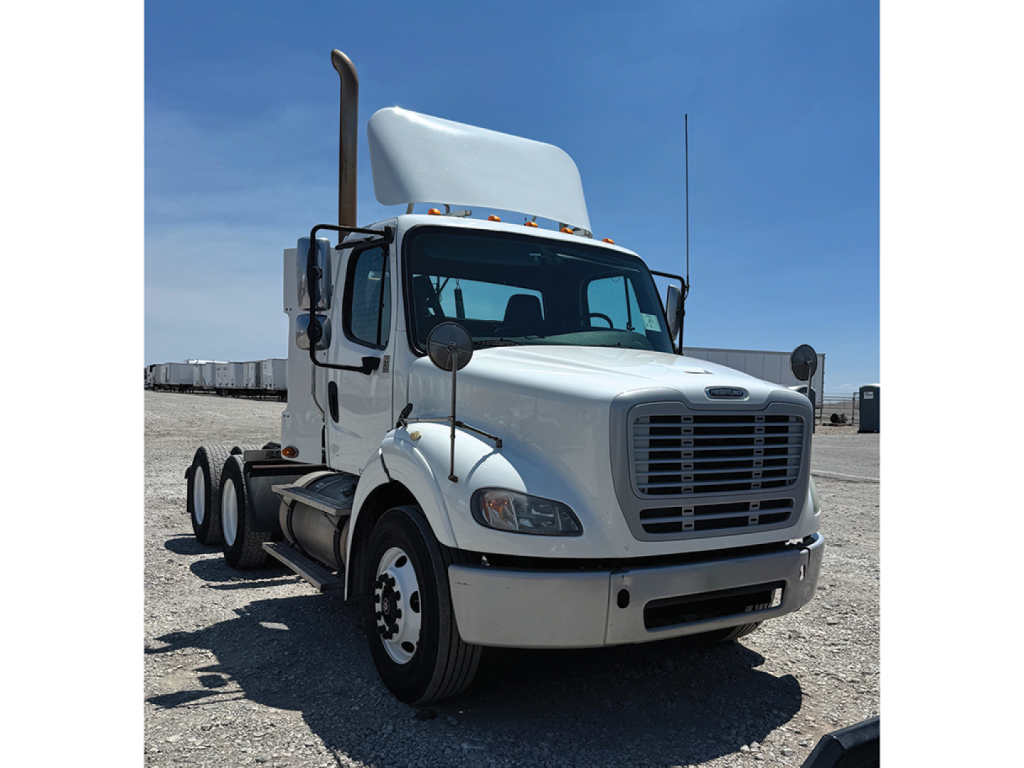
2012 Freightliner M2 112
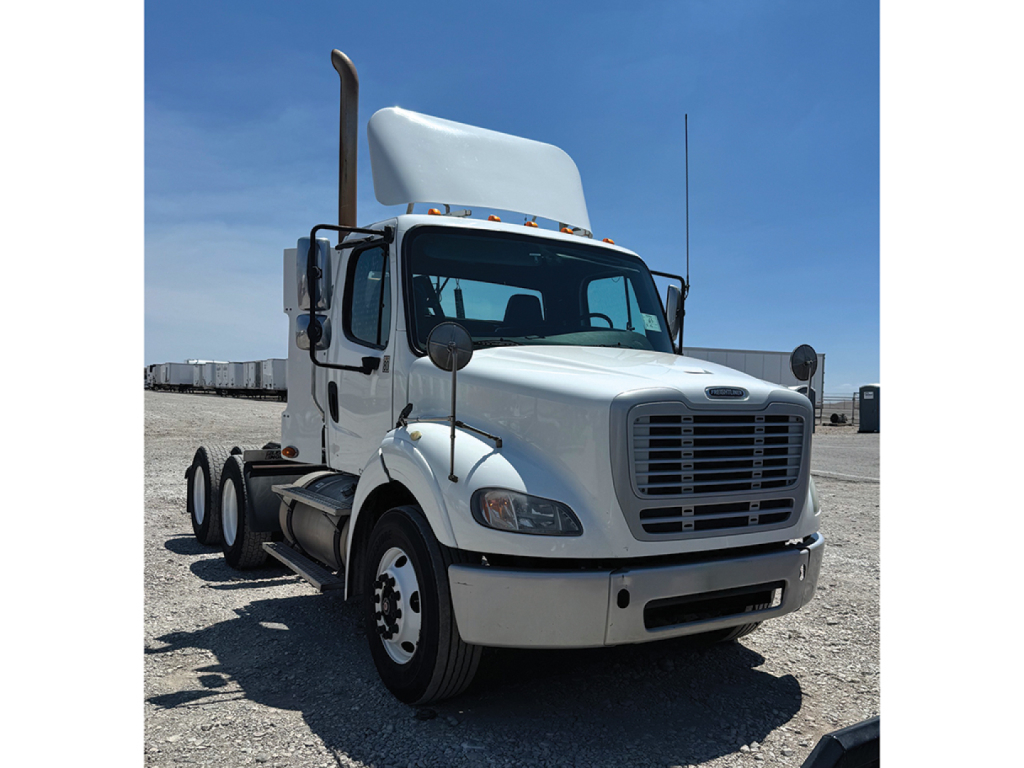
2012 Freightliner M2 112
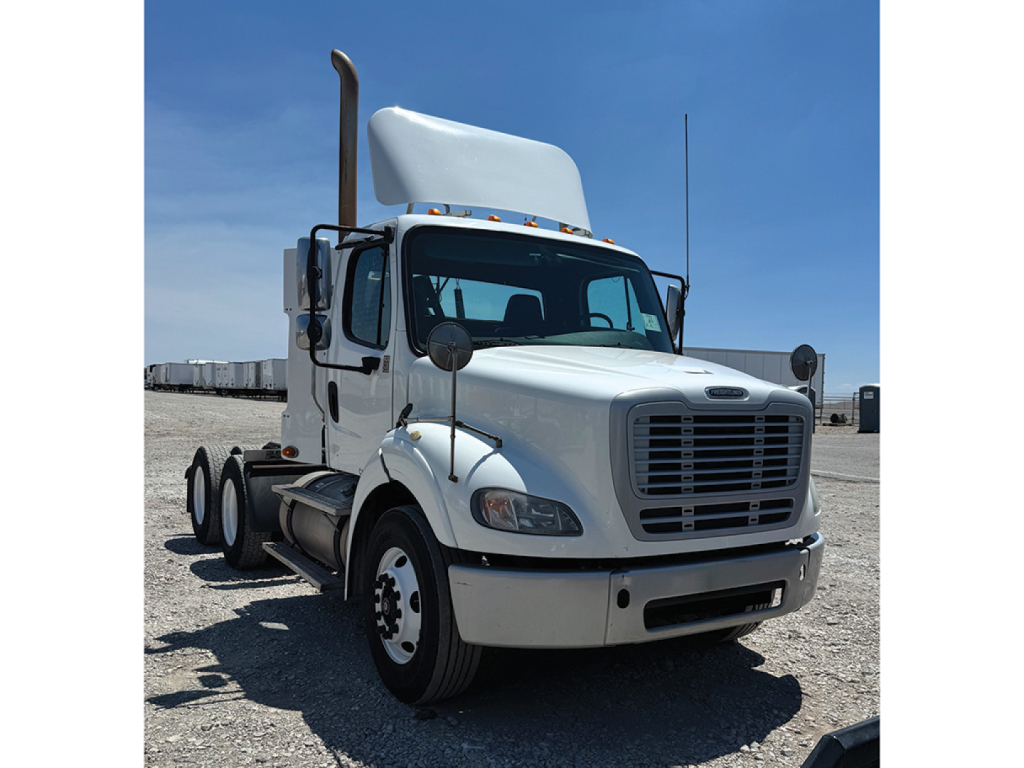
Have used 2012 freightliner conventional daycab truck to sell? List it here to reach thousands of buyers.
Used 2012 Freightliner Conventional Daycab Trucks in Nevada
The spec decisions that matter most on a 2012 Freightliner daycab are engine rating, transmission type, rear axle ratio, wheelbase, and fifth wheel setup. Many trucks in this class carry a Detroit DD13 in the 400 to 450 horsepower range, often paired with a 10-speed manual and a 40,000 lb tandem rear. A 2.79 ratio is common on highway-oriented regional tractors because it helps cruising efficiency, but buyers should confirm that the gearing matches the startability and grade needs of the load. Wheelbases in the 160 to 170 inch range are typical for a versatile daycab tractor, balancing trailer swing clearance with turning radius. An air slide or adjustable fifth wheel adds flexibility if the truck will pull different trailer lengths or needs kingpin setting changes across multiple applications.
On used 2012 models, condition is as important as original spec. Freightliner daycabs from this period should be evaluated for DPF and emissions service history, clutch wear on manual units, suspension bushing condition, steer axle tire wear, brake life, and any signs of frame modification around the fifth wheel. Buyers should also inspect cooling components closely in desert markets, including radiator condition, charge air cooler integrity, fan operation, and A/C performance. Inside the cab, practical features such as air ride suspension, tilt and telescoping steering, cruise control, power windows, and a clean seating position still matter because these trucks spend long days in stop-and-go or short regional service.
Freightliner remains a strong choice in the used daycab market because parts support is broad, service knowledge is widespread, and the platform is familiar to mixed fleets. A 2012 conventional daycab can be a good fit for fleets that want a straightforward tractor with enough horsepower for regional freight but better maneuverability than a sleeper-equipped highway truck. If the truck is set up with the right axle ratio, fuel capacity, and fifth wheel travel for the intended work, this category can deliver solid value for Nevada buyers running terminal-based routes, construction support, or dedicated local lanes.
Frequently Asked Questions about Used 2012 Freightliner Conventional Daycab Trucks in Nevada
What is a 2012 Freightliner conventional daycab best used for?
A 2012 Freightliner conventional daycab is best suited for regional hauling, local tractor work, drayage, tanker routes, dump service, and dedicated short-haul lanes where a sleeper is not needed. The daycab layout reduces weight and usually improves maneuverability, which is useful in city traffic, terminal work, and jobs with frequent stops or tight turns.
What engine and drivetrain specs are common on used 2012 Freightliner daycabs?
Many used 2012 Freightliner conventional daycabs, especially M2 112 configurations, are equipped with a Detroit DD13 engine in the low- to mid-400 horsepower range, paired with a 10-speed manual or similar transmission. Tandem rear axles around 40,000 lbs, air ride suspension, and highway-friendly rear axle ratios such as 2.79 are common. Exact specs vary by prior application, so buyers should match horsepower, gearing, and wheelbase to the trailer and terrain they plan to run.
What should I inspect first on a used 2012 Freightliner daycab?
Start with emissions system records, engine hours, mileage, transmission condition, clutch operation on manual trucks, and rear axle performance under load. Then check the cooling system, brake wear, suspension components, tire patterns, and frame condition around the fifth wheel and crossmembers. On a Nevada truck, cooling performance and air conditioning deserve extra attention because sustained heat can expose weak radiators, hoses, fan clutches, and A/C components.
Is a 2.79 rear axle ratio good for a Freightliner daycab?
A 2.79 rear axle ratio can be a good choice for regional highway work because it lowers engine rpm at cruise and can help fuel economy. It is less ideal if the truck regularly starts heavy loads on grades, runs off-road, or spends most of its time in severe stop-and-go vocational service. The right ratio depends on gross combination weight, tire size, transmission gearing, and the amount of grade the truck will see.
Why do buyers choose a Freightliner daycab over a sleeper tractor?
Buyers choose a Freightliner daycab when they want lower empty weight, simpler packaging, easier access to terminals and jobsites, and no need to carry sleeper equipment that adds cost and length. For many local and regional fleets, a daycab improves practicality without giving up the power, axle capacity, or fifth wheel flexibility needed for standard semi-trailer work.