
Used 2021 Freightliner Conventional Daycab Trucks For Sale
Browse used 2021 Freightliner conventional daycab trucks. Compare Cascadia specs, DD13 and DD15 engines, wheelbases, axle ratings, and driveline options.
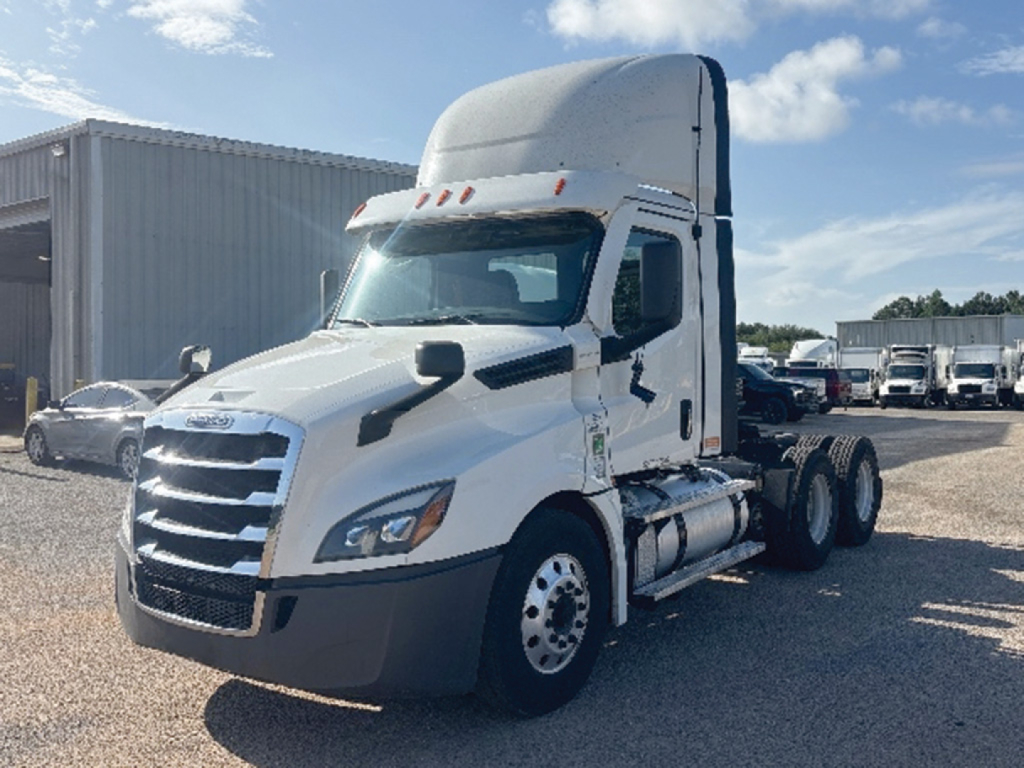
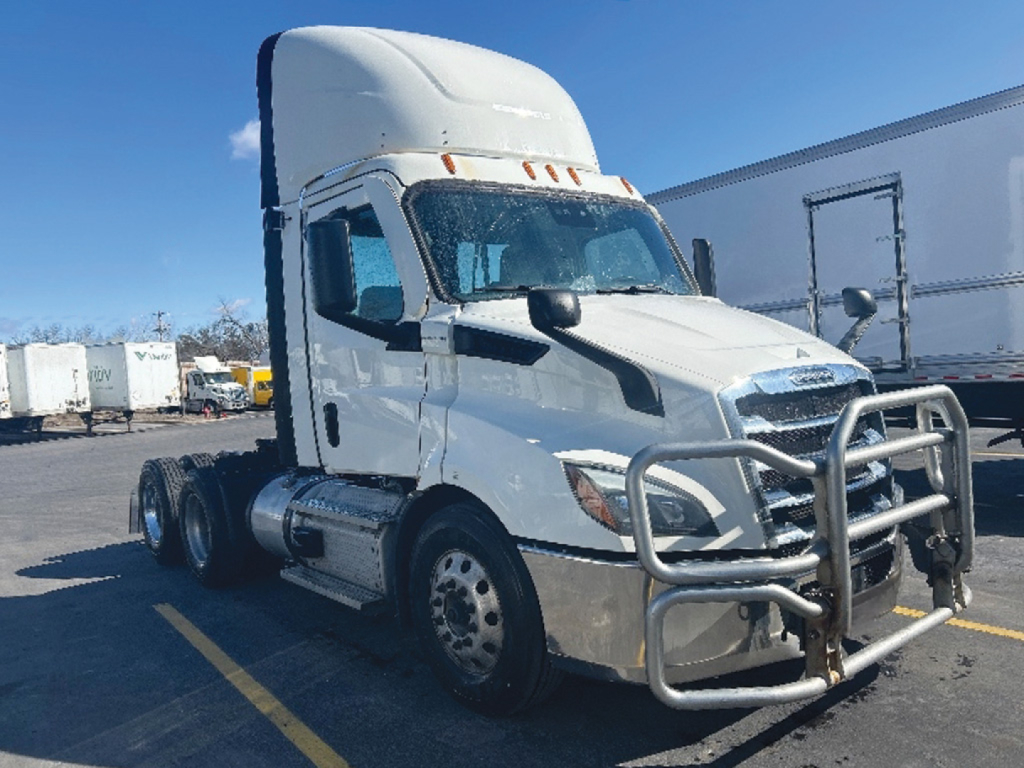
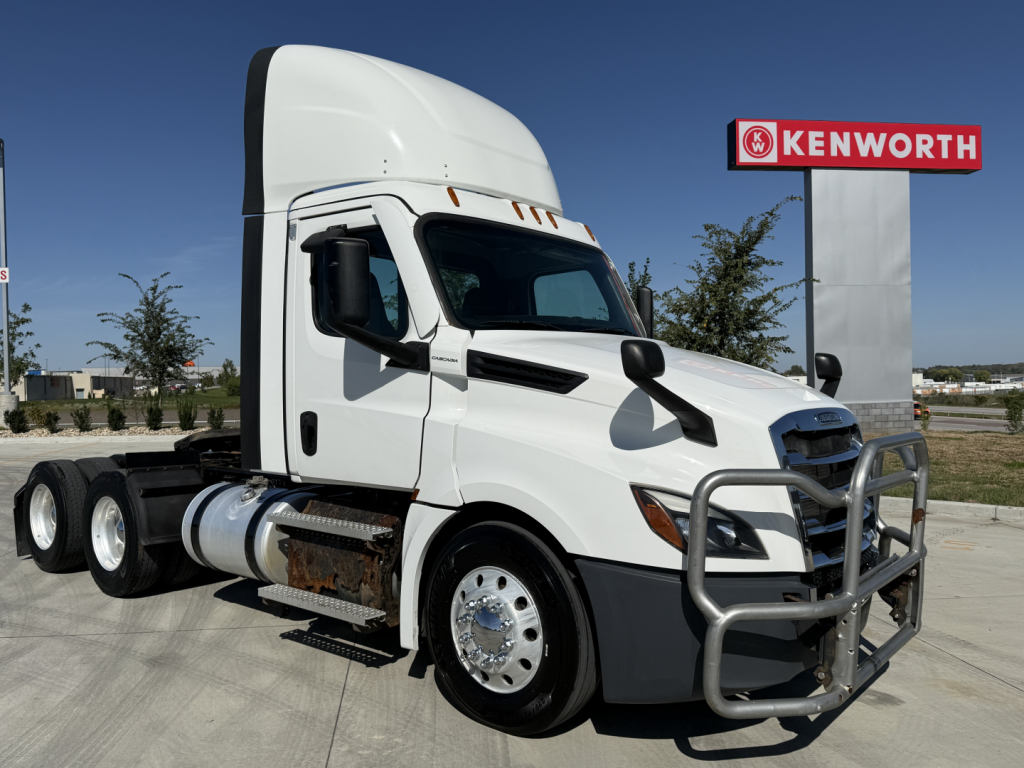
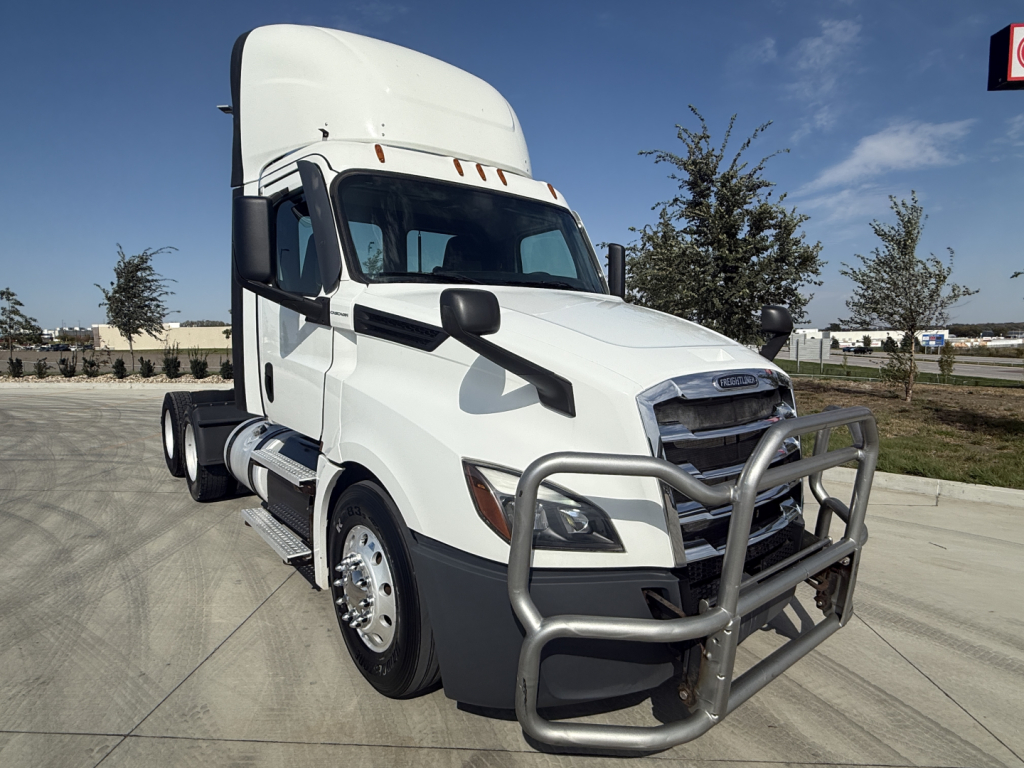
Selling a used 2021 freightliner conventional daycab truck? List your used 2021 freightliner conventional daycab truck for sale and reach thousands of commercial buyers.
Used 2021 Freightliner Conventional Daycab Trucks
The biggest buying decision usually starts with the powertrain. Many 2021 Freightliner daycabs are equipped with a Detroit DD13 or DD15, often paired with the Detroit DT12 automated manual transmission, though some fleets still ordered manual transmissions. Horsepower and torque ratings vary by duty cycle, but the common theme is a driveline built for steady regional miles and predictable fuel burn rather than maximum heavy-haul output. Rear axle ratios such as 2.64, 2.85, or 3.08 are common on highway-oriented specs, while more aggressive gearing may show up on trucks that spend more time in stop-and-go or heavier gross weights. Buyers should match ratio, transmission programming, and tire size to the actual route profile, not just the advertised horsepower.
Wheelbase, axle capacity, and frame layout matter more on a daycab than many buyers expect. A 2021 Freightliner conventional daycab may be set up with a 12,000-pound front axle and 40,000-pound rears for standard tractor service, but there are also lighter regional specs and heavier vocational-style configurations. Cab-to-axle and cab-to-end dimensions affect trailer gap, bridge law flexibility, and room for add-ons like headache racks, wet kits, battery boxes, or extra fuel capacity. Air ride suspensions such as Freightliner AirLiner remain common, and many trucks in this year range are equipped with air disc brakes, collision mitigation, lane departure warning, and other safety systems that can improve stopping performance and reduce driver fatigue. Buyers comparing listings should also pay attention to fifth wheel type, single versus double frame sections, and whether the truck has been maintained in a fleet environment with complete service records.
Condition on a used 2021 unit is often more about previous application than age alone. A daycab that spent its life on short urban routes can show high idle hours, clutch wear, body damage, and more brake cycles even with manageable mileage. A truck from longer regional runs may have higher odometer miles but a more favorable engine-hour profile and less stop-start wear. Review fault codes, aftertreatment history, suspension wear, tire condition, and signs of fifth wheel or frame abuse before purchase. On Freightliner conventionals from this era, it is also smart to verify emissions system service, software updates, ADAS calibration status, and transmission behavior under load. A well-matched used 2021 Freightliner daycab can be a very efficient tractor for fleets that need modern aerodynamics, current safety tech, and a proven Detroit-based drivetrain in a non-sleeper package.
Frequently Asked Questions about Used 2021 Freightliner Conventional Daycab Trucks
What engine and transmission combinations are common in a used 2021 Freightliner conventional daycab?
The most common setup is a Detroit DD13 or DD15 paired with a Detroit DT12 automated manual transmission. Some trucks were ordered with manual gearboxes, but the DT12 is very common in fleet-spec 2021 Freightliner daycabs because it supports fuel economy, easier driver onboarding, and consistent shift logic. Buyers should confirm the horsepower, torque rating, rear axle ratio, and software calibration because two trucks with the same engine family can perform very differently depending on the original spec.
Is a 2021 Freightliner daycab a good choice for regional hauling?
Yes, this equipment class is often ideal for regional and local operations where drivers return regularly and sleeper space is not needed. A 2021 Freightliner daycab usually offers better aerodynamics, more modern safety systems, and a quieter cab than older daycabs, which helps on dedicated freight, short-haul lanes, and distribution work. The key is making sure the wheelbase, fuel capacity, axle ratings, and gearing match your actual trailers, payload, and route terrain.
What should I inspect first on a used 2021 Freightliner conventional daycab?
Start with engine hours versus odometer miles, aftertreatment service history, fault codes, and transmission operation during a loaded road test if possible. Then inspect the fifth wheel, frame rails, suspension bushings, brake type and wear, steer tire wear pattern, and any signs of collision repair around the hood, bumper, and cab mounts. On 2021 trucks, it is also important to verify that collision mitigation, lane departure, and any other driver-assist systems are functioning properly and have not been disabled or left out of calibration after repairs.
What wheelbase is best for a Freightliner daycab?
The best wheelbase depends on trailer type, turning requirements, and how much room is needed behind the cab for equipment. Shorter wheelbases generally improve maneuverability for city work, terminal operations, and tight yards, while longer wheelbases can provide better ride quality, more fuel tank capacity, and space for accessories such as a headache rack or wet kit. Buyers should compare wheelbase with cab-to-axle and kingpin setting requirements so the tractor works correctly with the trailers in the fleet.
Are used 2021 Freightliner daycabs expensive to maintain?
Maintenance cost depends heavily on prior use and how well the emissions and driveline systems were serviced. A 2021 Freightliner daycab can be cost-effective to run because parts availability is strong, Detroit powertrains are widely supported, and many fleet technicians are familiar with the platform. Costs rise quickly when a truck has deferred aftertreatment repairs, excessive idle time, poor tire wear from alignment issues, or neglected suspension and brake components, so service records and a diagnostic inspection are important before purchase.