
Used 2016 Freightliner Conventional Day Cab Trucks For Sale
Used 2016 Freightliner conventional day cab trucks for sale: compare Detroit powertrains, gearing, emissions records, and chassis wear before buying.
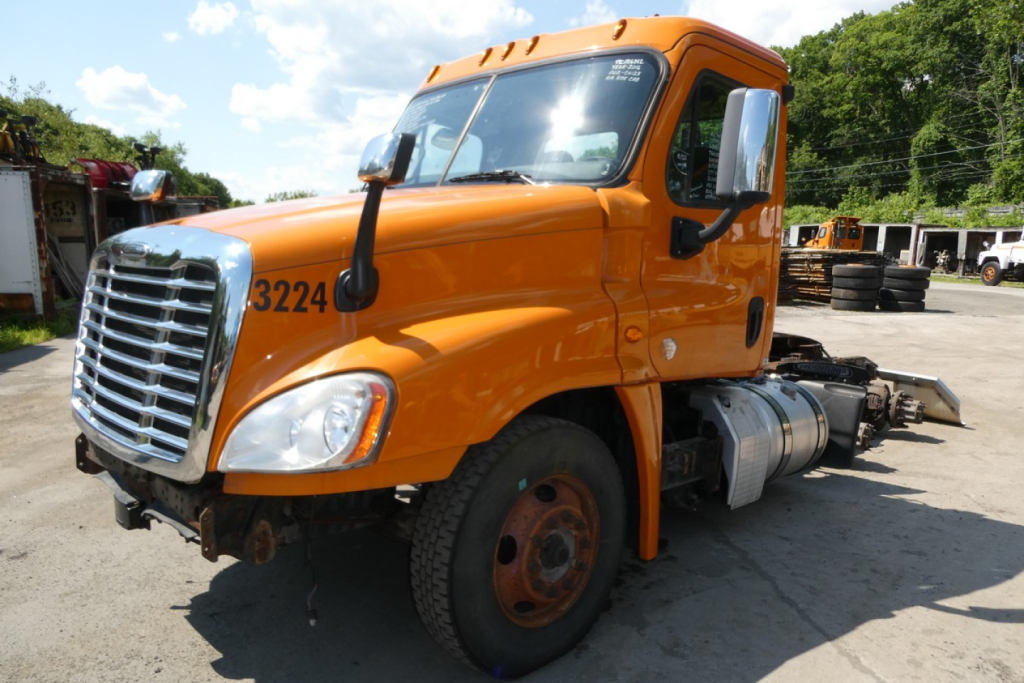
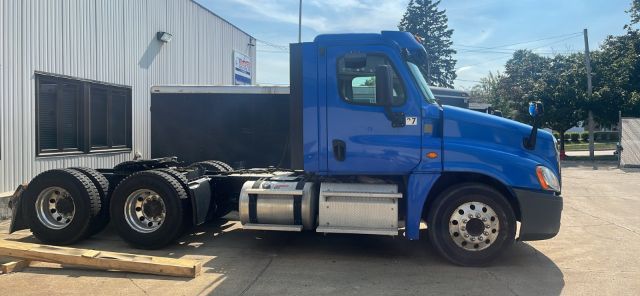
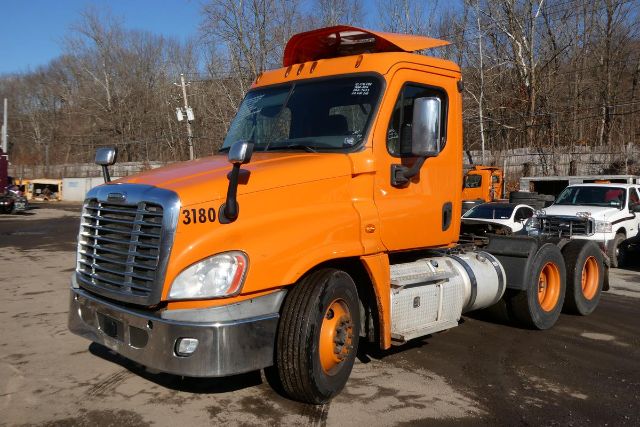
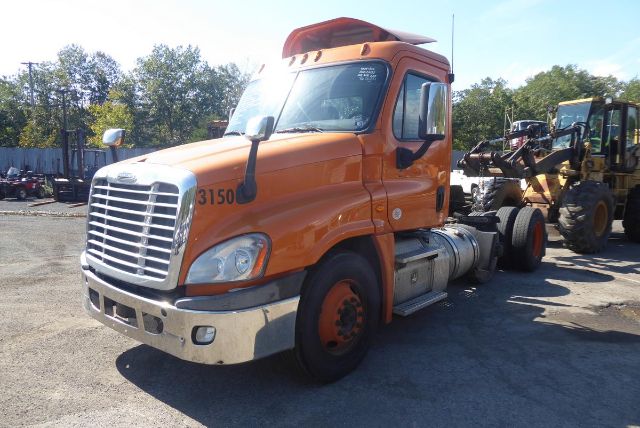
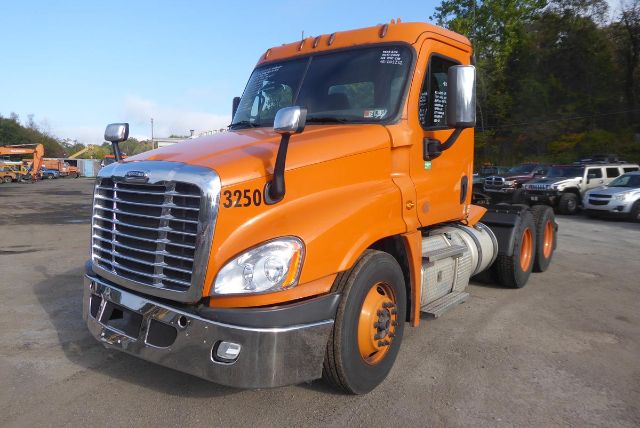
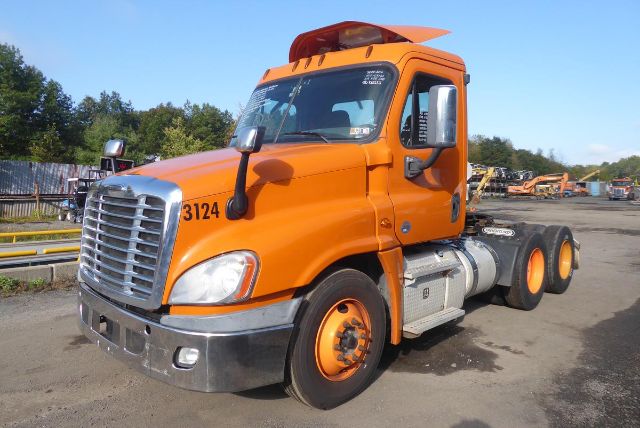
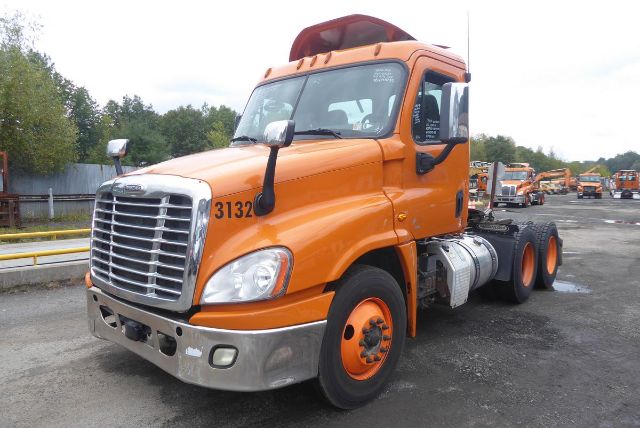
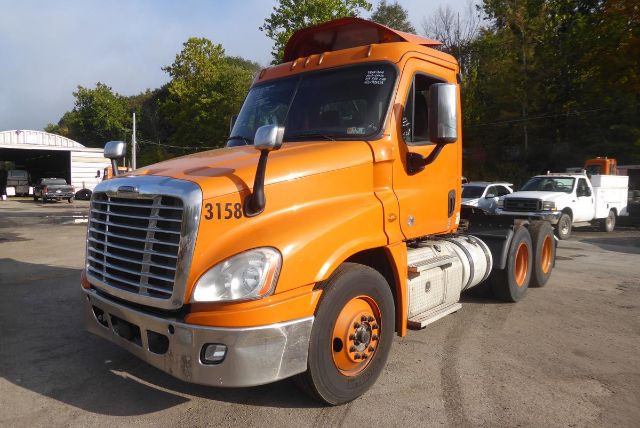
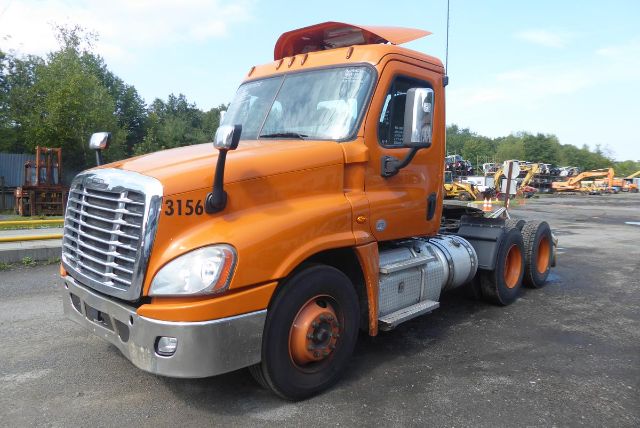
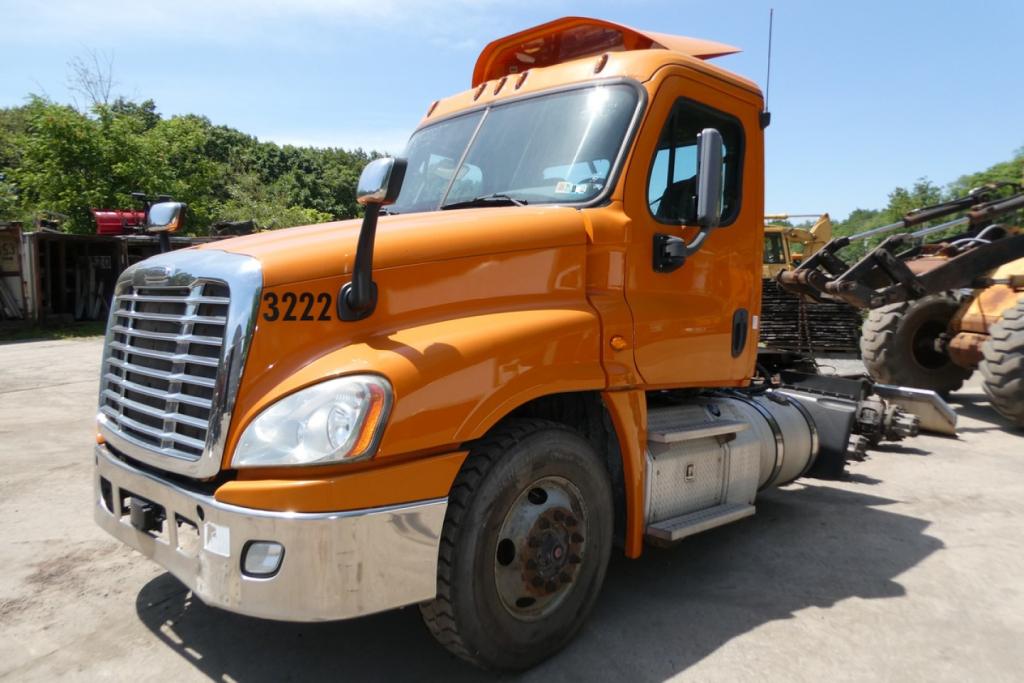
Selling a used 2016 freightliner conventional day cab truck? List your used 2016 freightliner conventional day cab truck for sale and reach thousands of commercial buyers.
Used 2016 Freightliner Conventional Day Cab Trucks
DPF and SCR/DEF service history is central to inspecting a 2016 Freightliner diesel. Request a cold start, loaded road test, ECM report, and invoices for DPF cleaning, emissions repairs, cooling-system work, and engine or transmission replacement. Compare odometer mileage with ECM distance and hours; high idle time can matter as much as road miles. Inspect Airliner suspension bushings, air springs, fifth-wheel mounting, steering play, and frame corrosion. Salt exposure across northern U.S. states and Canada warrants close checks of brake plumbing, wiring connectors, and cab mounts.
Frequently Asked Questions about Used 2016 Freightliner Conventional Day Cab Trucks
Should I choose a DD13 or DD15 in a 2016 Freightliner day cab?
The DD13 is a practical choice for local and regional hauling, while the DD15 offers more displacement for sustained heavy pulls and demanding grades. Compare the actual horsepower and torque ratings rather than engine badges alone. In a used 2016 Freightliner day cab, documented engine condition, axle ratio, transmission gearing, and cooling capacity matter more than choosing the larger engine automatically.
How do I check the DT12 transmission in a used 2016 Freightliner day cab?
Test the DT12 from a cold start through loaded operation, including reverse engagement, low-speed maneuvering, and uphill starts. A used 2016 Freightliner day cab should engage predictably without repeated neutral events, excessive shudder, or transmission warnings. Have a Detroit-capable shop retrieve fault history and assess clutch wear, adaptation data, air supply, and actuator operation before accepting smooth unloaded shifts as proof of condition.
Why would the ECM mileage differ from the odometer on a 2016 Freightliner?
An ECM replacement, engine replacement, or instrument-cluster replacement can explain mismatched mileage on a 2016 Freightliner day cab, but the discrepancy needs documentation. Compare dated service invoices, inspection records, engine serial numbers, and available module readings. Low ECM mileage does not establish low chassis mileage, and engine hours must be interpreted against the replacement history.
Can I run a used 2016 Freightliner day cab in California?
Yes, a 2016 Freightliner day cab with a compliant original engine meets California's Truck and Bus Rule engine-year requirement for heavy diesel trucks. Legal operation also requires an intact emissions system and compliance with applicable Clean Truck Check testing and reporting requirements. Out-of-state registration does not automatically exempt a truck operating in California, and port or drayage work requires a separate review of applicable rules.
Can a 2016 Freightliner day cab rated at 52,000 pounds haul an 80,000-pound combination?
A 52,000-pound tractor GVWR does not by itself establish an 80,000-pound combination rating. For a 2016 Freightliner day cab, verify the manufacturer's GCWR, component ratings, trailer ratings, and loaded axle weights. U.S. Interstate operation also requires compliance with axle limits and the federal Bridge Formula, while Canadian limits vary by province, axle configuration, and route.