
Used 2013 Freightliner Conventional Daycab Trucks For Sale
Shop used 2013 Freightliner conventional daycab trucks, including Cascadia day cabs with DD13 power, tandem axles, and fleet-ready specs.
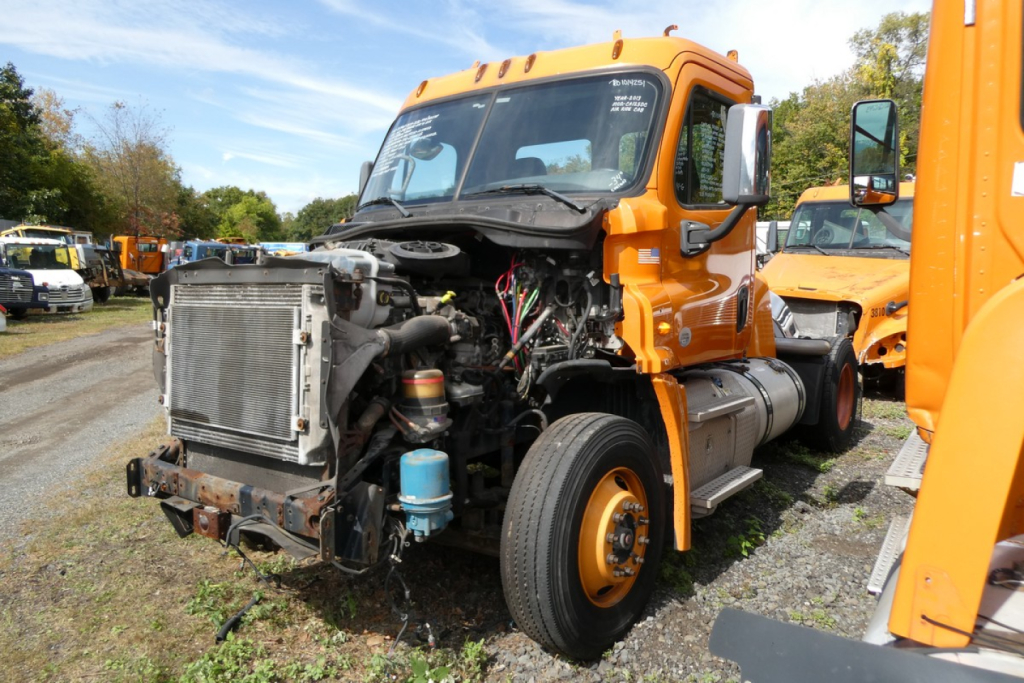
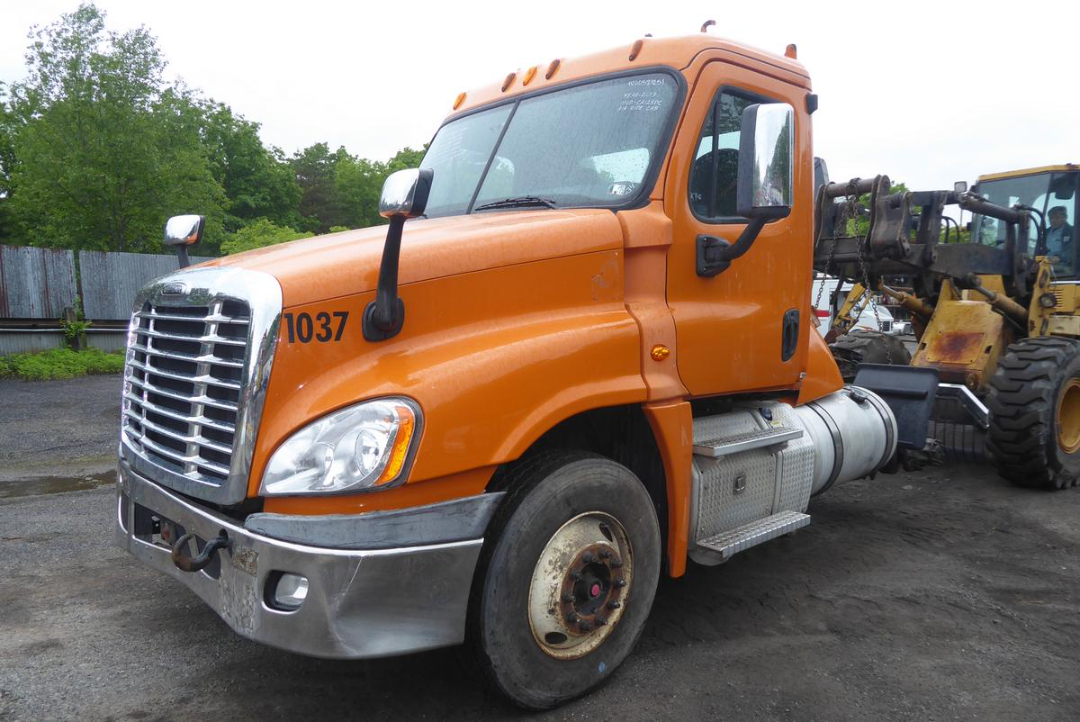
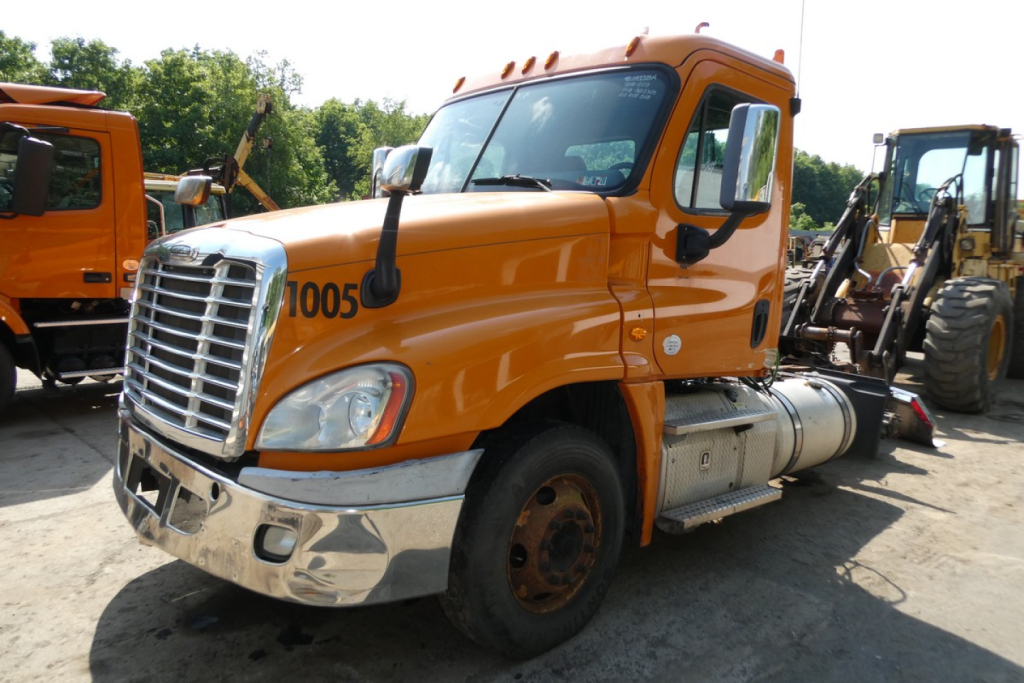
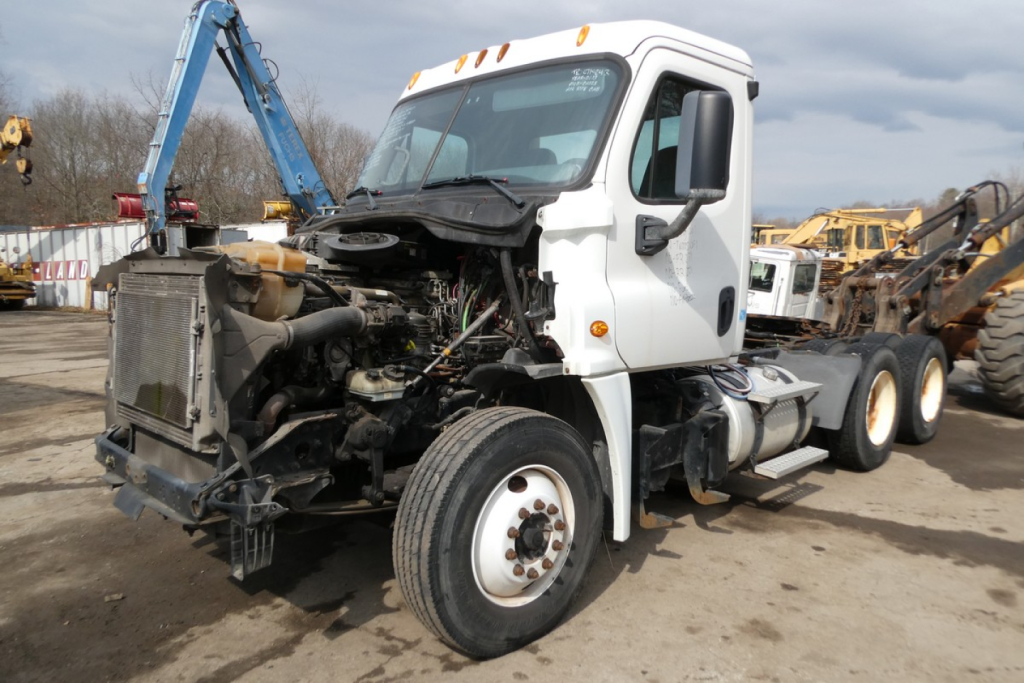
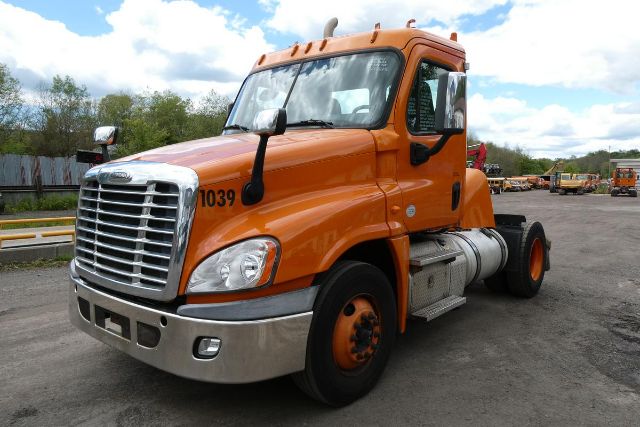
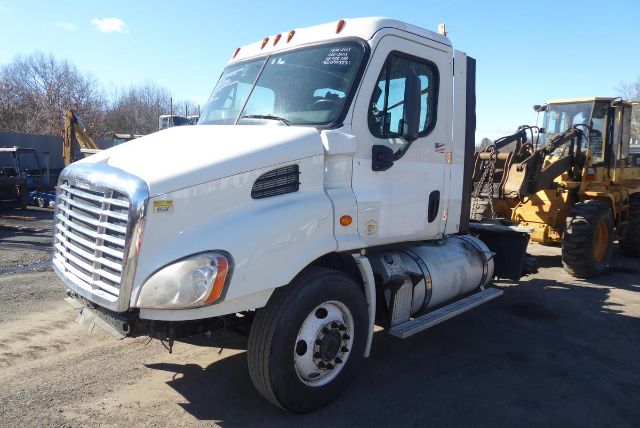
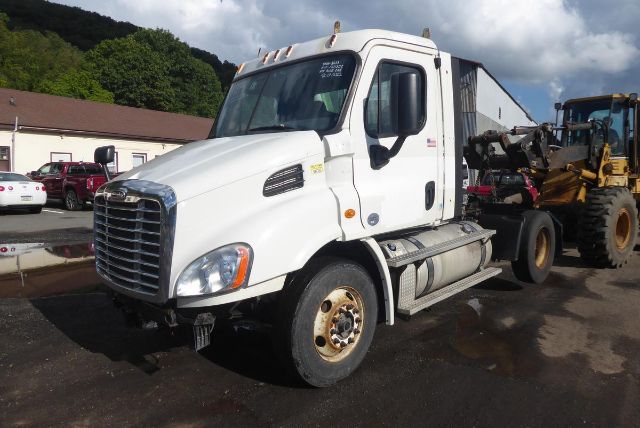
Selling a used 2013 freightliner conventional daycab truck? List your used 2013 freightliner conventional daycab truck for sale and reach thousands of commercial buyers.
Used 2013 Freightliner Conventional Daycab Trucks
The main spec decisions on a 2013 Freightliner daycab are engine, transmission, axle rating, suspension, and wheelbase. Many are equipped with Detroit DD13 engines in the 410 to 450 horsepower range, often paired with a 10-speed manual or automated transmission depending on the truck’s original application. Rear axle ratings can vary from lighter single-purpose setups around 23,000 lbs to tandem road tractors with 40,000 lb rears and power divider. Wheelbases commonly fall in the mid-150 inch to low-170 inch range, which affects bridge compliance, trailer gap, and turning radius. Buyers hauling van, reefer, or tank should also check fifth wheel type, stationary versus air slide, along with ratio choices like 3.08 or 3.42 that influence cruise RPM and startability.
A 2013 model also sits in the emissions era where DEF systems are standard, so aftertreatment condition matters as much as engine condition. Review ECM miles and engine hours against odometer readings, and look closely at idle time if the truck came out of vocational or yard-duty service. On used daycabs, the cab may look clean while the expensive decisions are underneath: Airliner suspension wear, kingpin and steer axle tire patterns, clutch life on manual units, driveline slack, air disc or drum brake condition, and differential performance under load. Frame layout matters too. A single-frame daycab may be ideal for standard highway use, while buyers planning wet kits, heavy pintle applications, or specialized upfits should verify rail condition, back-of-cab clearance, and available cab-to-axle measurement.
Freightliner daycabs from this period appeal to buyers who want a proven fleet tractor without the cost and complexity of a newer unit. The advantage is familiarity. Most shops know the Cascadia platform, Detroit diagnostics are widely supported, and replacement body and chassis components are easy to source. The tradeoff is that condition can vary widely, from road-ready fleet takeouts to incomplete or damaged core units. For a 2013 Freightliner conventional daycab, the smartest comparison points are documented maintenance history, emissions repairs, axle and suspension spec, and whether the truck’s wheelbase and fifth wheel setup match the trailer length and commodity you plan to pull.
Frequently Asked Questions about Used 2013 Freightliner Conventional Daycab Trucks
What engine is most common in a used 2013 Freightliner conventional daycab?
The Detroit DD13 is one of the most common engines found in 2013 Freightliner daycabs, especially in Cascadia configurations. It is popular in regional and local tractor applications because it offers a good balance of horsepower, fuel economy, and service support. Buyers should still verify horsepower rating, engine brake function, emissions system condition, and ECM data instead of assuming every DD13-equipped truck has been used the same way.
Is a 2013 Freightliner daycab better suited for local or highway use?
A 2013 Freightliner conventional daycab can handle both, but the exact spec determines where it fits best. Shorter wheelbase trucks with lower rear axle capacity are often better for local and regional work, while tandem axle units with 40,000 lb rears, taller wheelbases, and highway gearing are better suited for linehaul, tanker, or dedicated freight lanes. Transmission type, rear ratio, and fifth wheel position all affect how the truck performs in each application.
What should I inspect first on a used 2013 Freightliner daycab?
Start with the engine and emissions system, then move to the transmission, suspension, frame, and rear axles. On a 2013 truck, DEF and aftertreatment repairs can become expensive quickly, so fault codes, regen history, and visible tampering are major checkpoints. After that, inspect the Airliner suspension, brake system, wheel seals, steering components, and frame rails for damage, corrosion, or signs of hard vocational use. ECM miles and engine hours should also be compared with the odometer for consistency.
What wheelbase is common on a Freightliner conventional daycab?
Many Freightliner daycabs in this class fall roughly between 157 and 172 inches of wheelbase, although there are exceptions depending on the original body and trailer application. A shorter wheelbase generally improves maneuverability and works well in city or terminal environments. A longer wheelbase may provide better trailer swing clearance, more stable highway manners, and more flexibility for sliding fifth wheel placement. Cab-to-axle and cab-to-end measurements are also worth checking when comparing listings.
Are used 2013 Freightliner daycabs expensive to maintain?
Maintenance cost depends heavily on condition and prior use, but the platform itself is widely supported and generally easier to keep in service than more obscure models. Parts availability for Freightliner and Detroit components is strong, and most fleet or independent shops are familiar with the truck. The largest repair risks are usually emissions components, clutch or transmission wear, suspension rebuilds, and deferred maintenance from high-mile regional service.