
Used 2013 Freightliner Conventional Daycab Trucks For Sale in Nevada
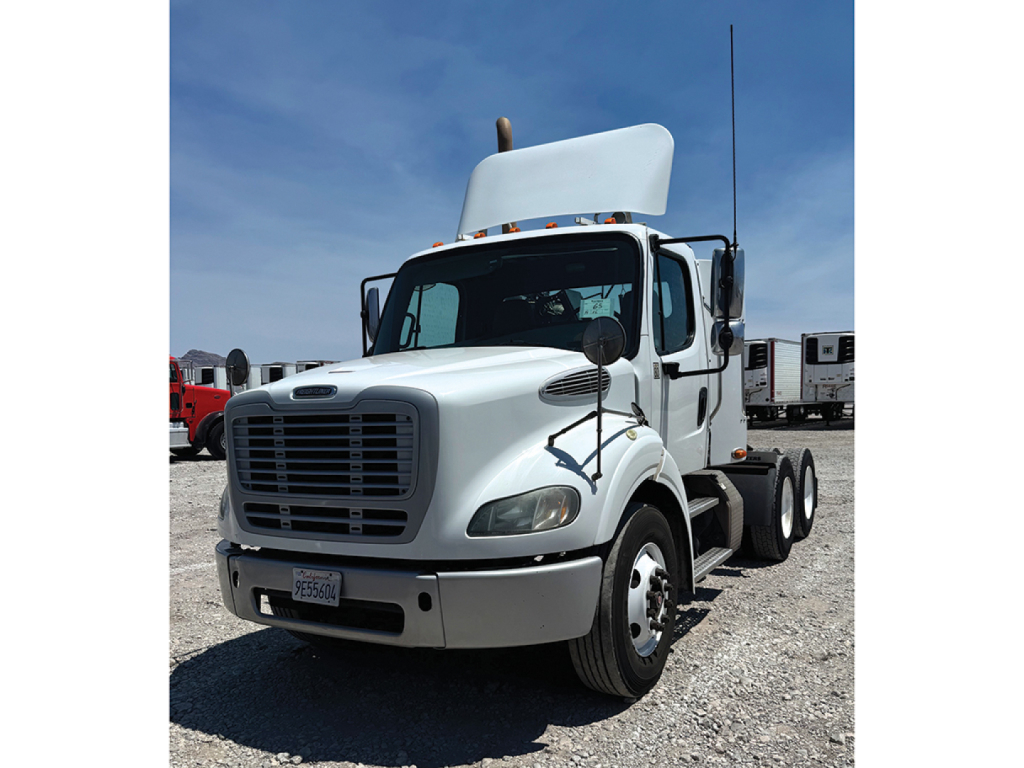
2013 Freightliner M2 112
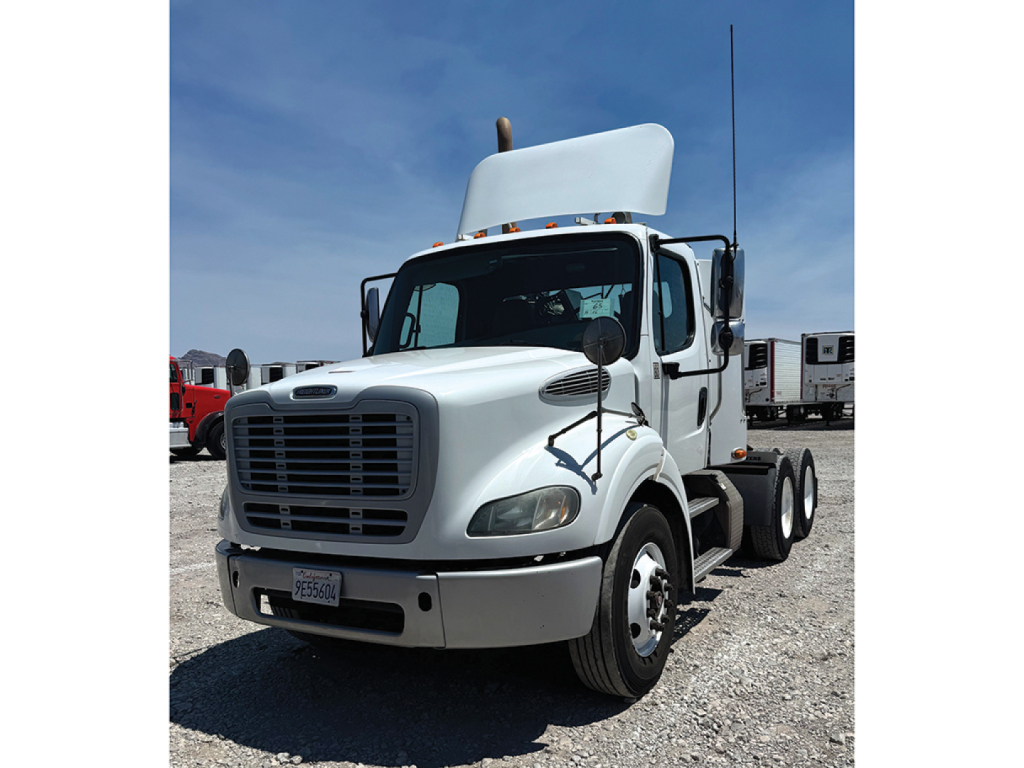
2013 Freightliner M2 112
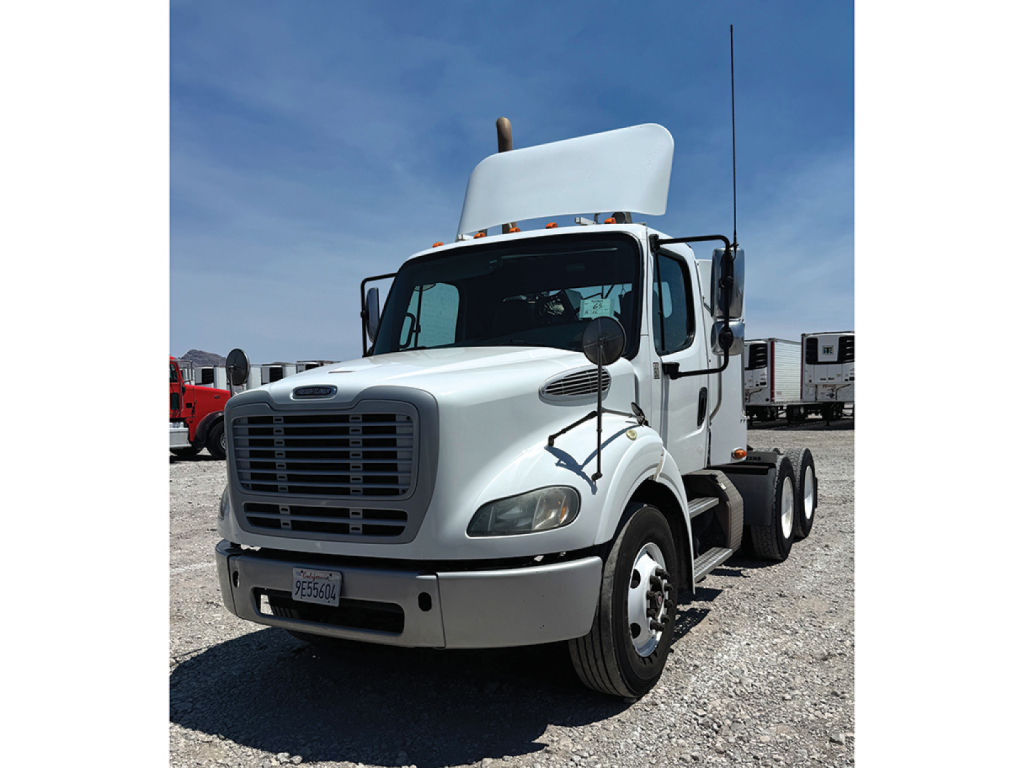
2013 Freightliner M2 112
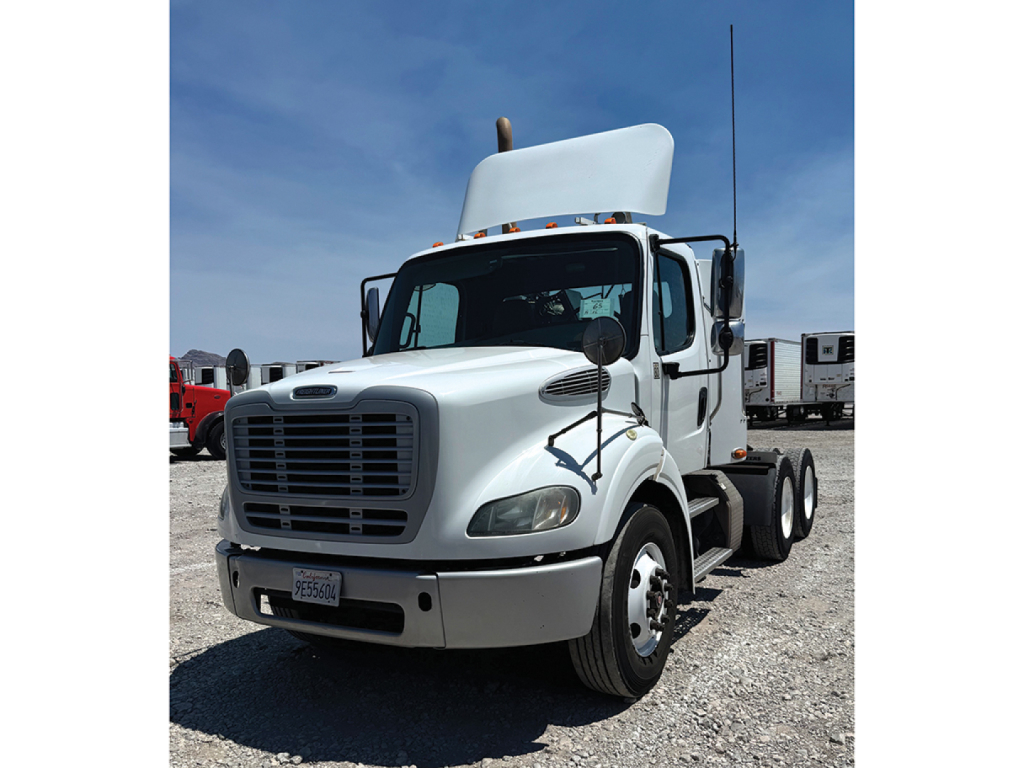
2013 Freightliner M2 112
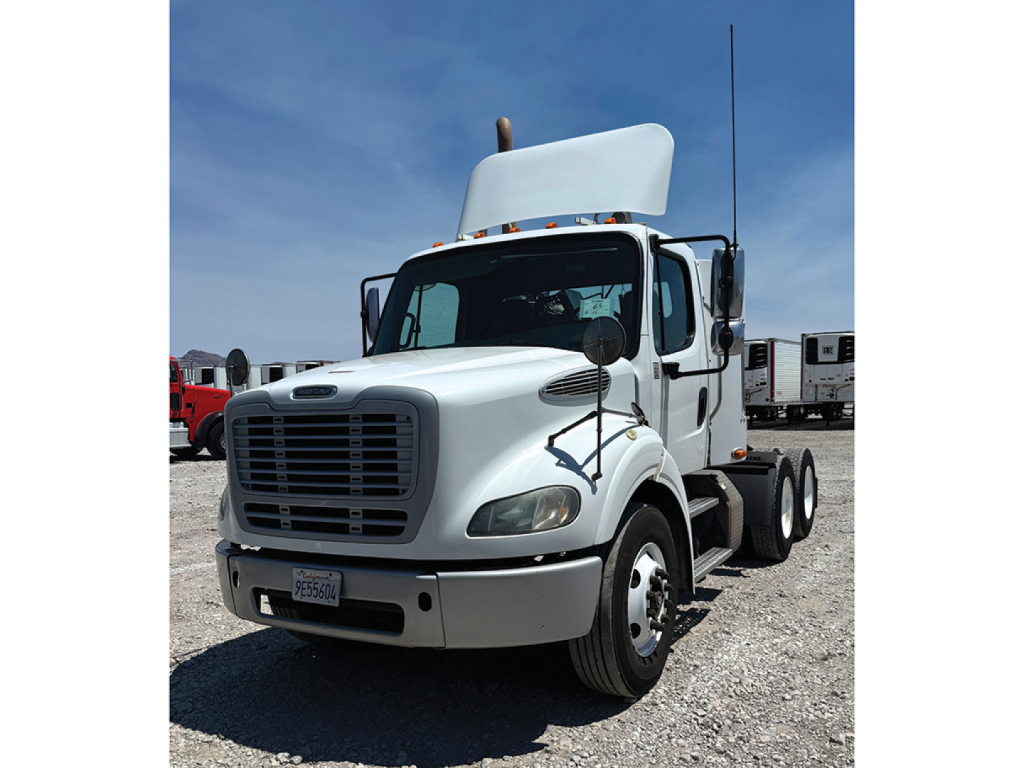
2013 Freightliner M2 112
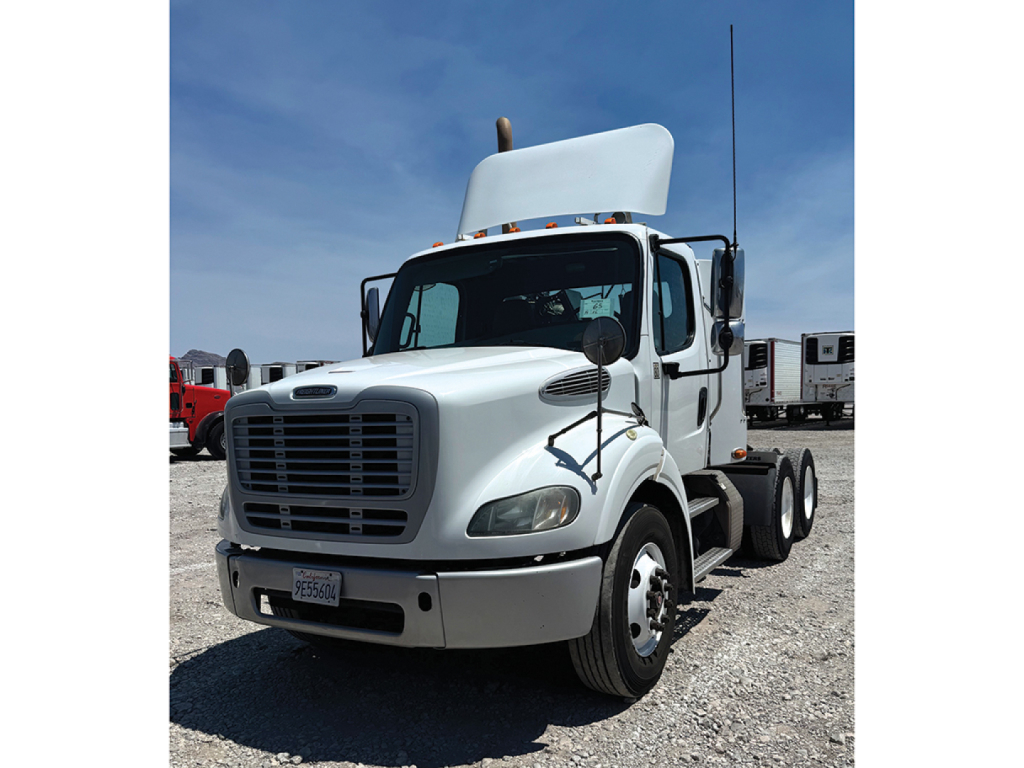
2013 Freightliner M2 112
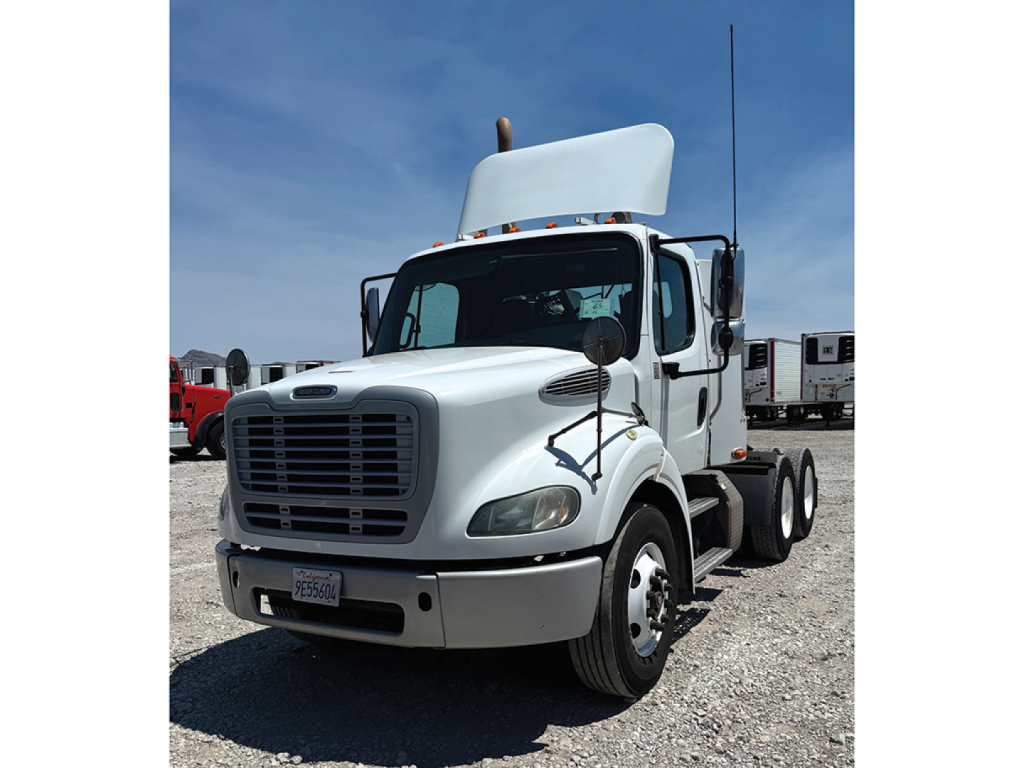
2013 Freightliner M2 112
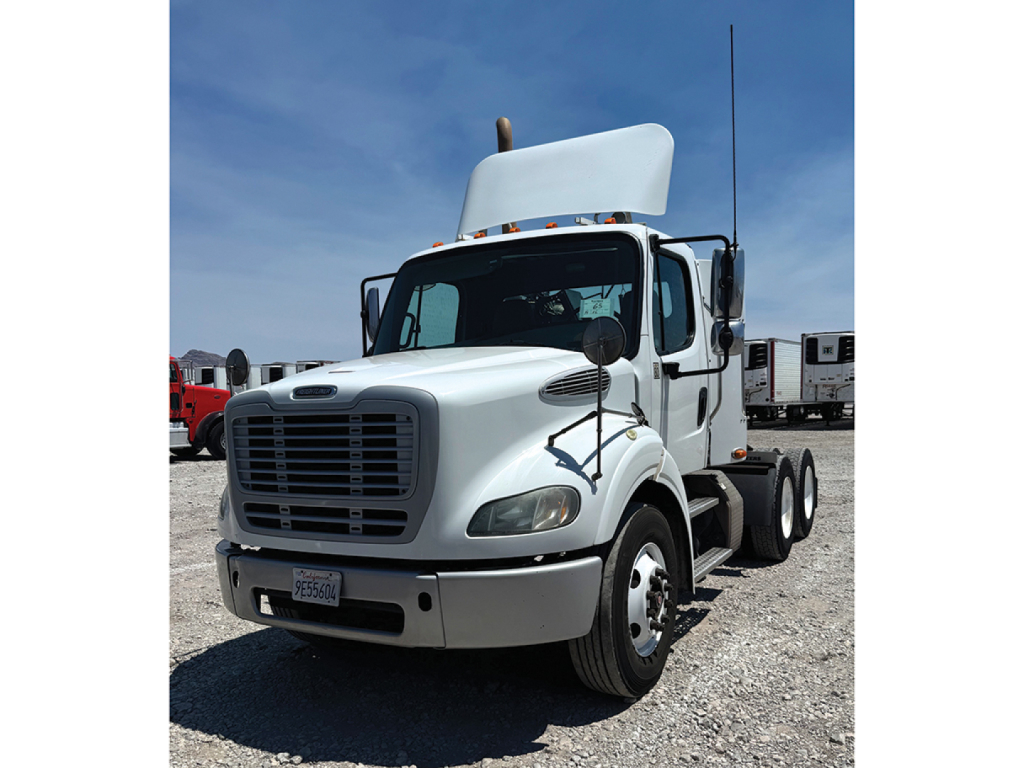
2013 Freightliner M2 112
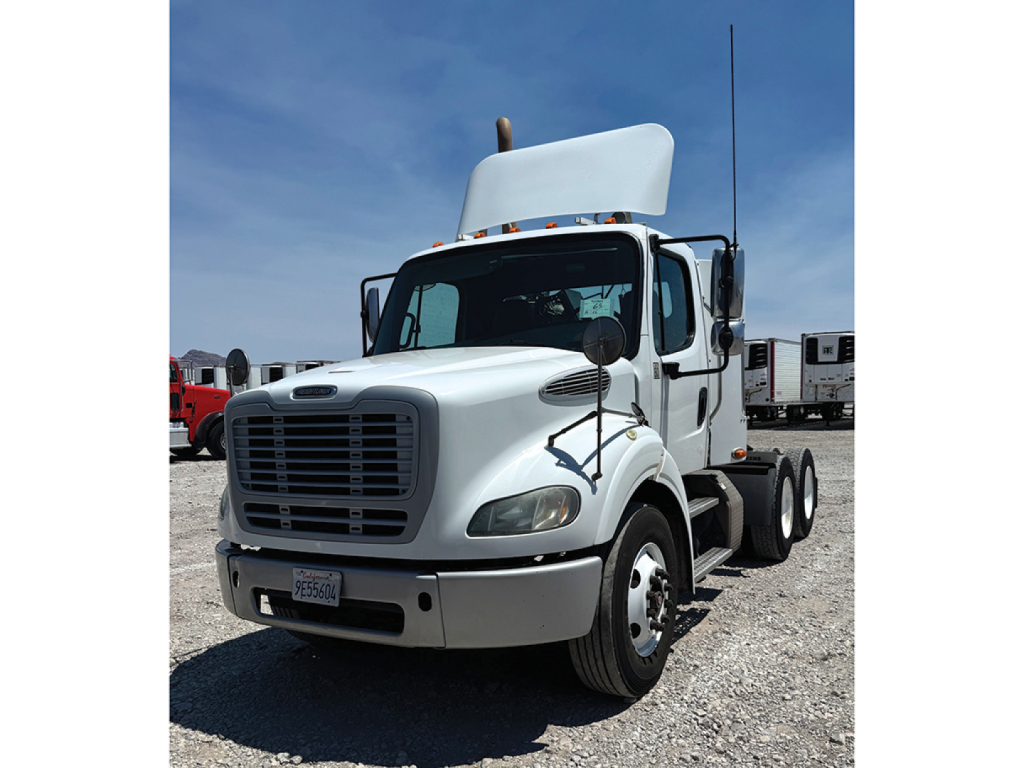
2013 Freightliner M2 112
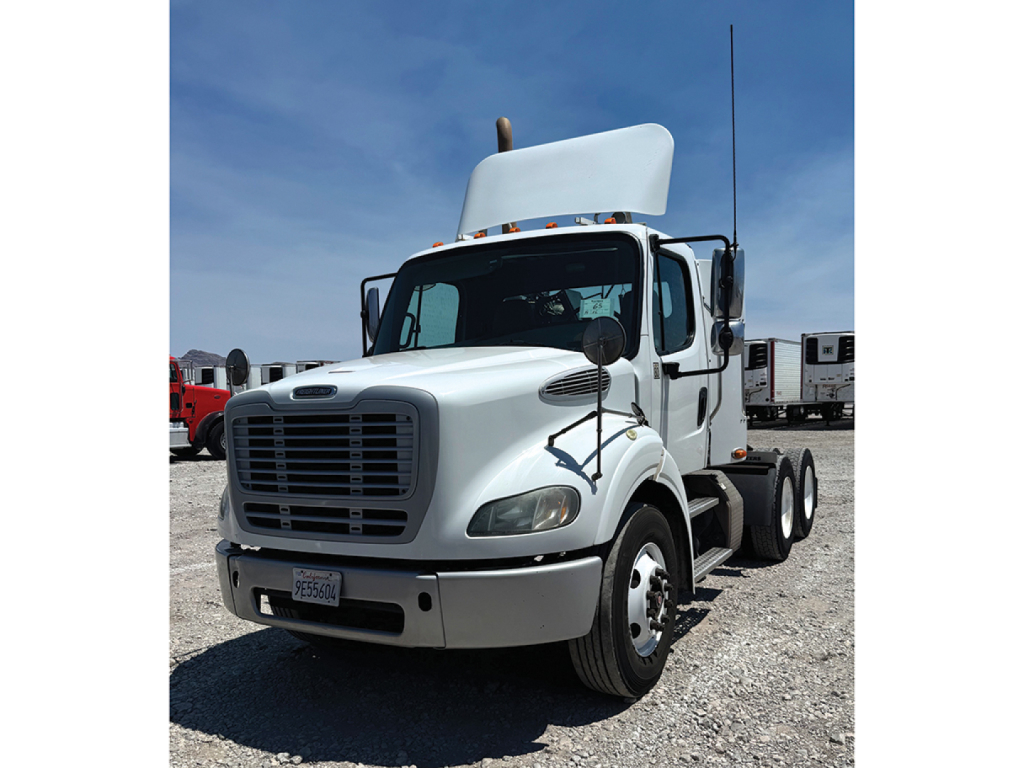
2013 Freightliner M2 112
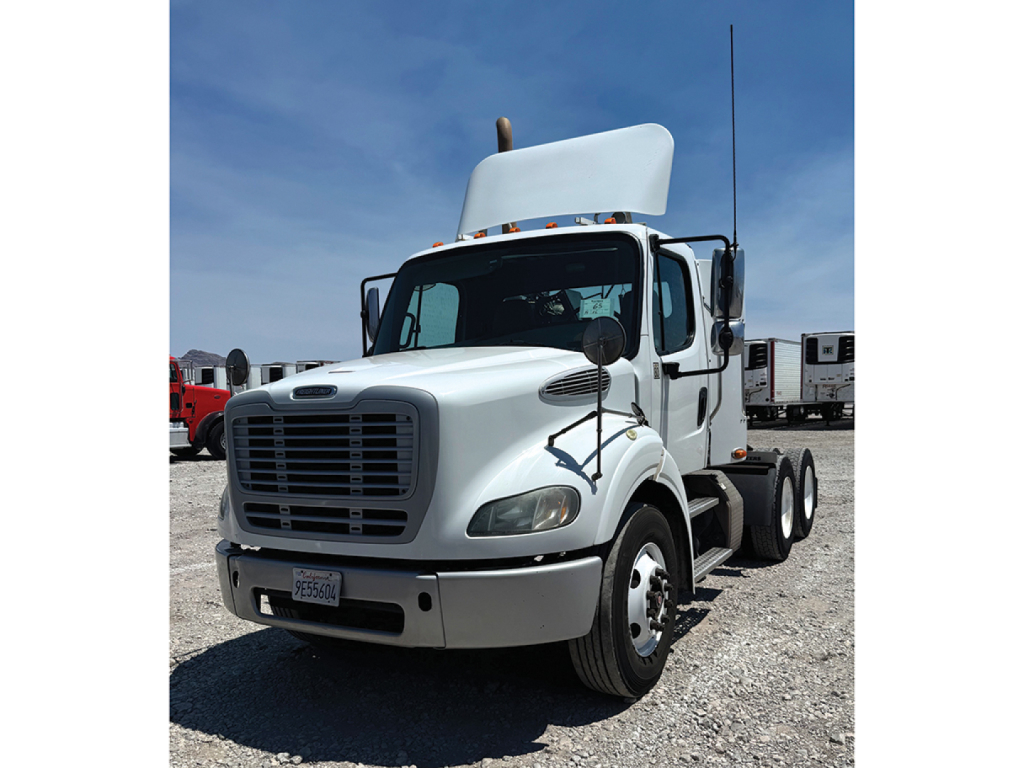
2013 Freightliner M2 112
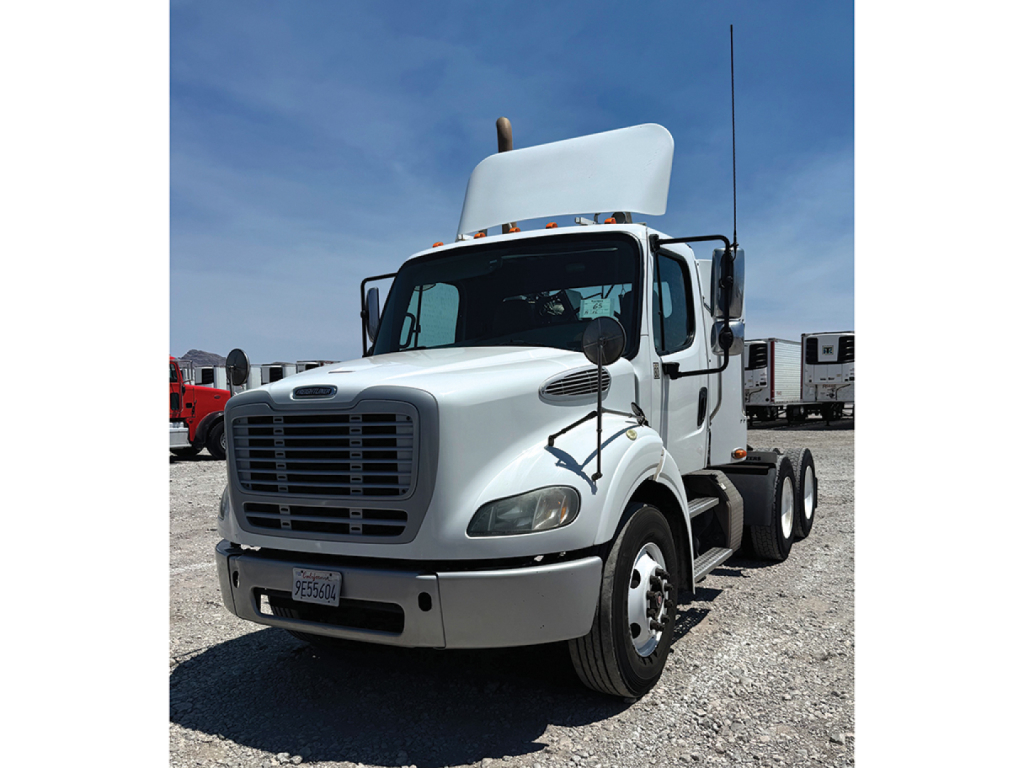
2013 Freightliner M2 112
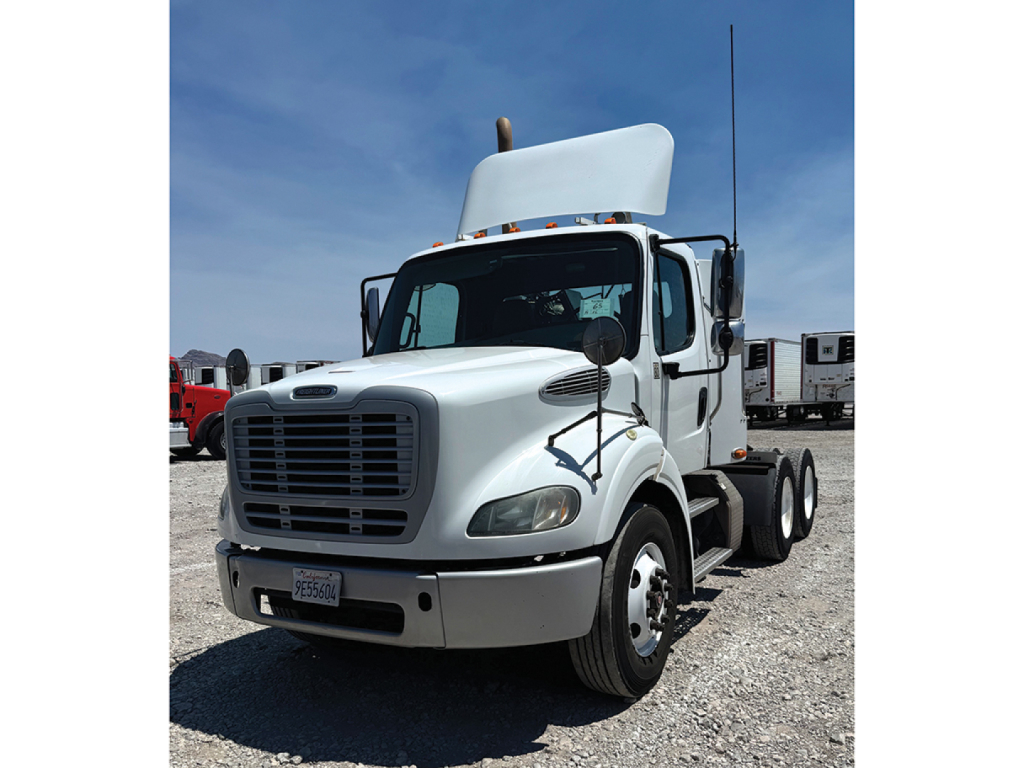
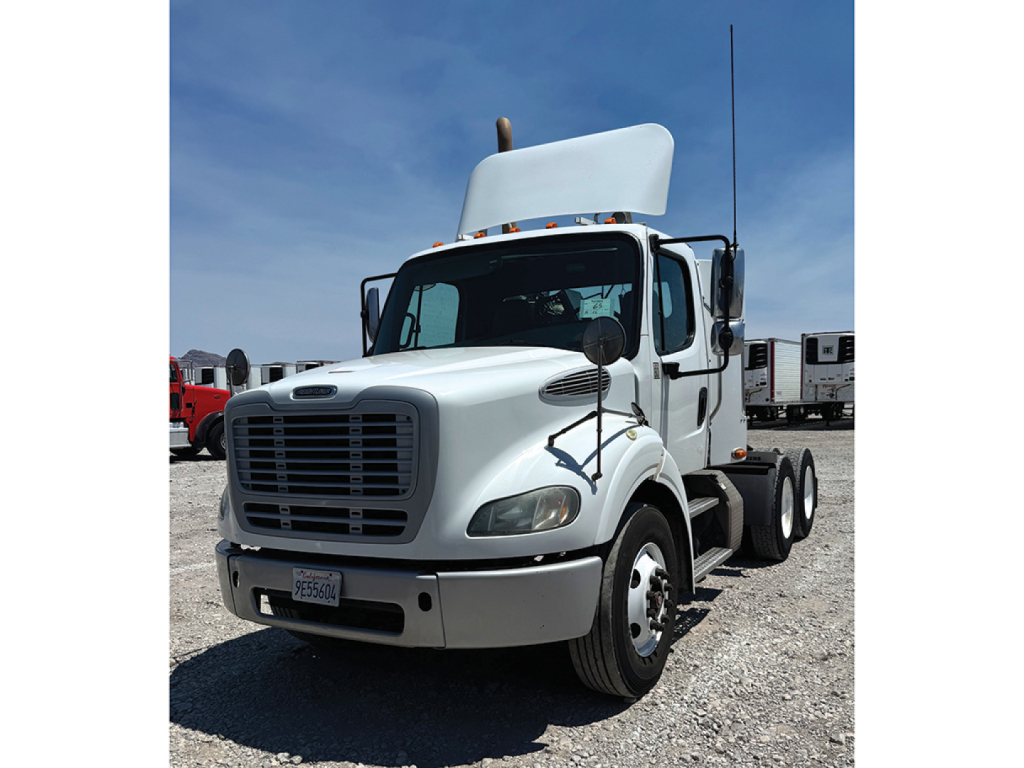
Have used 2013 freightliner conventional daycab truck to sell? List it here to reach thousands of buyers.
Used 2013 Freightliner Conventional Daycab Trucks in Nevada
The most important buying decision is the rear axle ratio, wheelbase, and fifth wheel setup. A 2.79 ratio paired with a 10-speed is typically aimed at road speed and fuel economy, but it should be matched to the loads and terrain the truck will actually see. In Nevada, long stretches of highway, hot weather, and elevation changes make cooling system condition, engine brake performance, and tire spec more important than they might be in flatter regions. A wheelbase in the low 160-inch range is common on daycabs and helps with turning radius in yards and urban delivery points, while an air-slide or adjustable fifth wheel adds flexibility if trailer lengths and kingpin settings vary.
Freightliner daycabs from this period are also known for practical, straightforward serviceability. Buyers should pay close attention to the DD13 maintenance history, clutch wear on manual transmission trucks, suspension bushing condition, and signs of hard fleet use around the cab, frame rails, and fifth wheel plate. Air ride suspension, aluminum fuel tanks, power windows, cruise control, and tilt-telescoping steering are common comfort and usability features in this class, but the real value is in drivetrain condition, brake life, and how well the truck's axle and frame specs match the intended application. Disc wheels, 22.5 low-profile tires, and a roof fairing are also typical details that affect operating cost, ride, and trailer compatibility.
For many buyers, a 2013 Freightliner conventional daycab hits a useful middle ground between purchase price and capability. It is a good fit for fleets that want a regional tractor, yard-to-road unit, or dedicated route truck without the extra weight and cost of a sleeper. When comparing listings, focus less on cosmetic trim and more on engine hours, GVWR and GCWR alignment, rear suspension rating, brake type, and evidence of consistent preventive maintenance. A properly spec'd daycab should match the trailer, the route, and the expected payload first, because that determines long-term uptime more than brand familiarity alone.
Frequently Asked Questions about Used 2013 Freightliner Conventional Daycab Trucks in Nevada
What is a 2013 Freightliner conventional daycab truck best used for?
A 2013 Freightliner conventional daycab is best suited for regional hauling, local and short-haul freight, port or yard-related trailer movement, and vocational tractor applications that do not require overnight sleeper accommodations. Its shorter cab and wheelbase generally improve maneuverability, reduce tare weight compared with a sleeper tractor, and make it a practical choice for dedicated routes and high-frequency stop-and-go work.
What engine and transmission specs are common on used 2013 Freightliner daycabs?
Many used 2013 Freightliner conventional daycabs, especially M2 112 models, are equipped with a Detroit DD13 engine in the low- to mid-400 horsepower range and a 10-speed manual transmission. Buyers will also commonly see engine brakes, tandem rear axles around 40,000 pounds, and highway-oriented axle ratios such as 2.79. Exact specs vary by original application, so it is important to verify horsepower, torque rating, transmission model, and axle ratio against the work the truck will be doing.
What should I inspect first on a used Freightliner daycab?
Start with maintenance records and drivetrain condition. On a 2013 Freightliner, that means checking the DD13 service history, looking for signs of cooling system neglect, confirming clutch condition on manual transmission units, and inspecting the fifth wheel, suspension, brakes, and tires for uneven wear. It is also smart to review frame condition, rear axle seals, air system leaks, and any evidence that the truck was consistently overloaded or used in severe service.
Is a daycab better than a sleeper for Nevada operations?
For many Nevada operations, a daycab is the better tool if the truck stays on regional lanes, local routes, or terminal-based work. Nevada's wide geography and hot climate put a premium on cooling system health, A/C performance, and dependable braking on grades, but a sleeper only adds value if the route requires overnight rest or long-distance dispatch flexibility. If the truck returns regularly to base, a daycab often delivers lower acquisition cost, less weight, and easier maneuvering.
How do wheelbase and fifth wheel position affect a conventional daycab?
Wheelbase and fifth wheel position directly affect turning radius, bridge law compliance, trailer gap, and how the truck carries weight across the steer and drive axles. A shorter wheelbase is usually easier to handle in tight yards and city settings, while an adjustable or air-slide fifth wheel helps when pulling trailers with different kingpin settings. Buyers should make sure the chassis dimensions work with the trailer types they plan to haul, because poor tractor-trailer matching can create handling issues and limit operational flexibility.