
Used 2013 Freightliner Conventional Daycab Trucks For Sale in New York
Browse used 2013 Freightliner conventional daycab trucks with specs, drivetrain insights, axle ratings, and regional haul considerations.
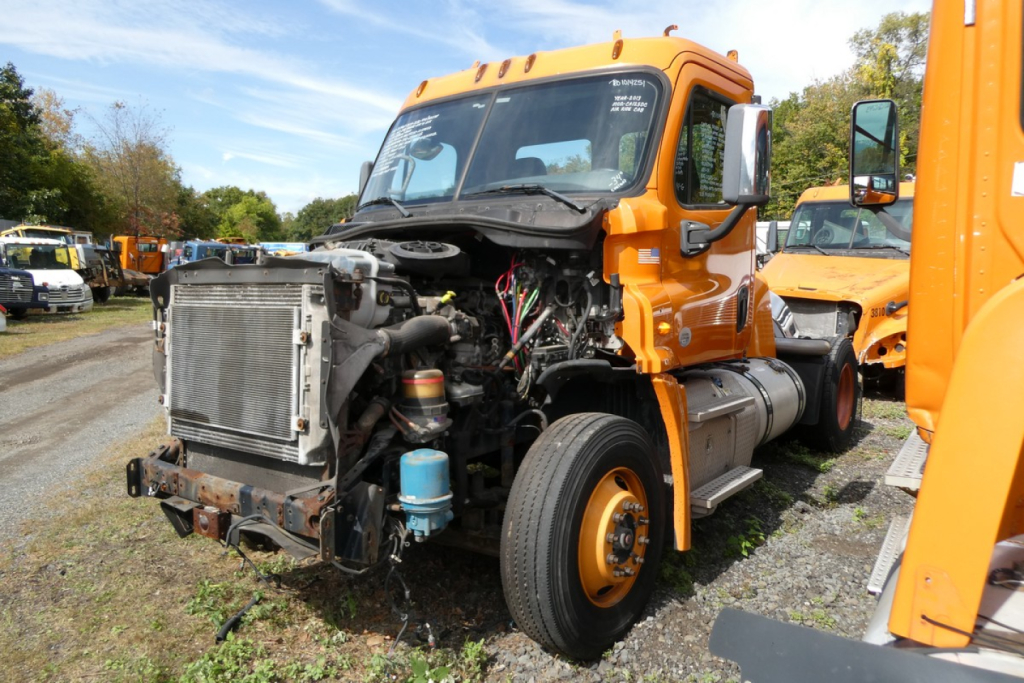
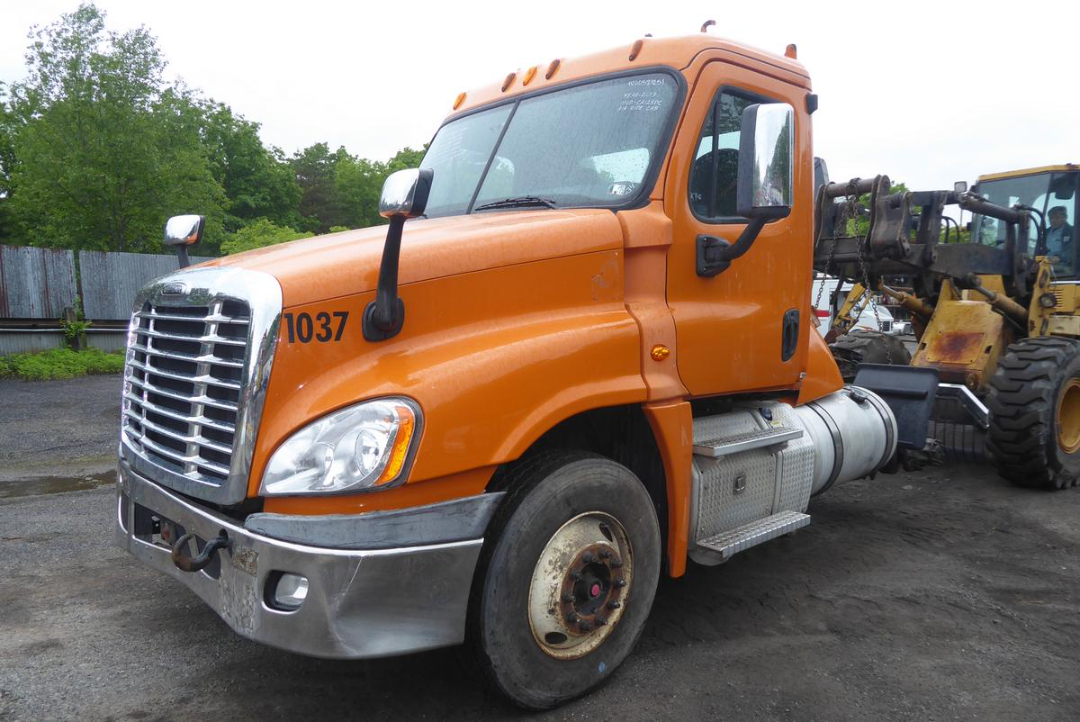
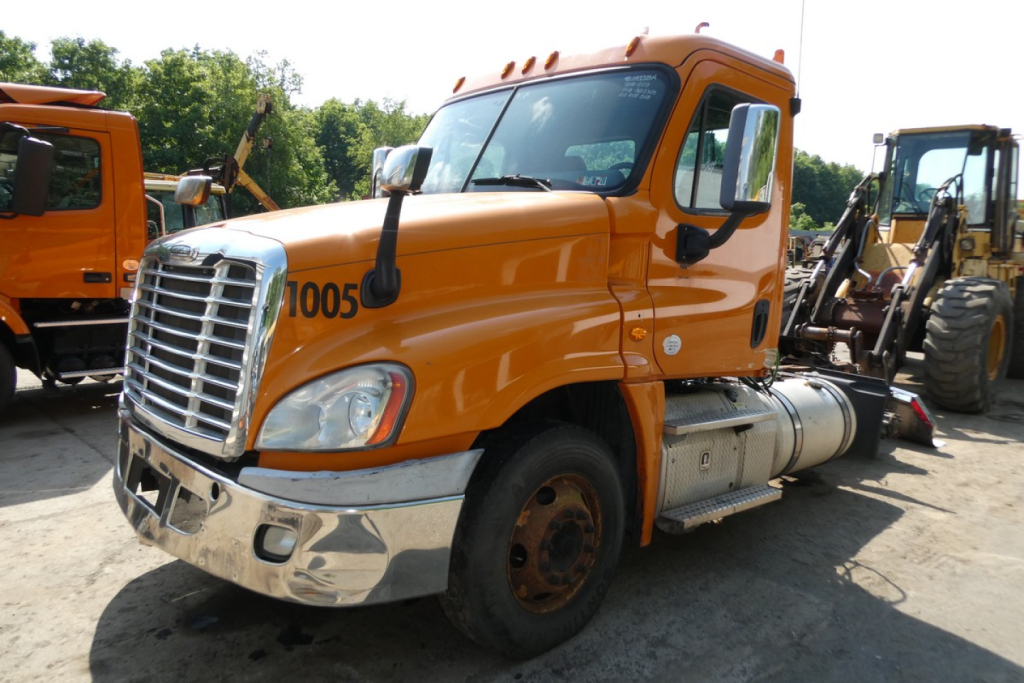
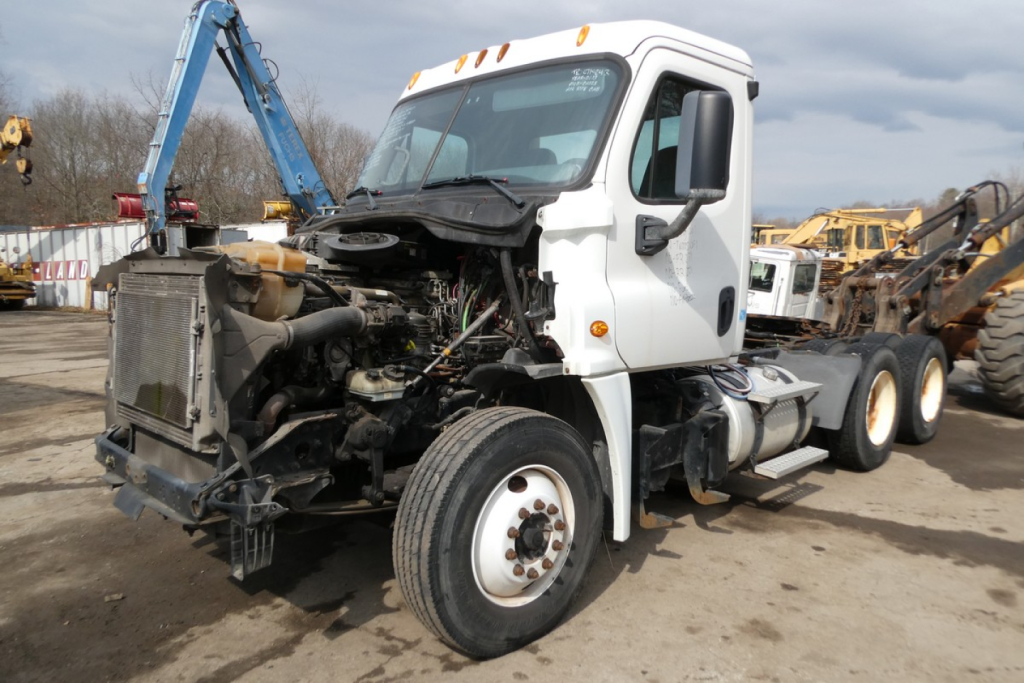
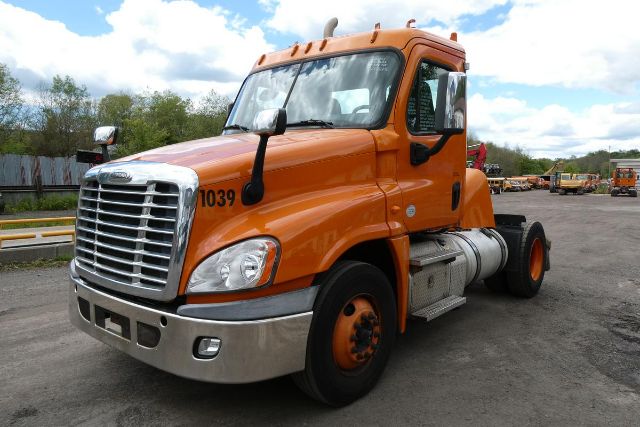
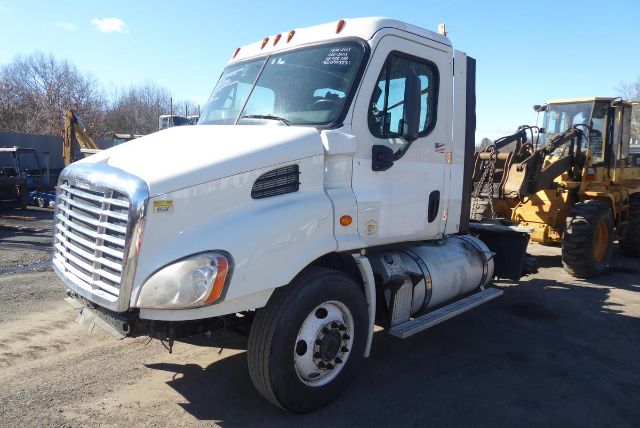
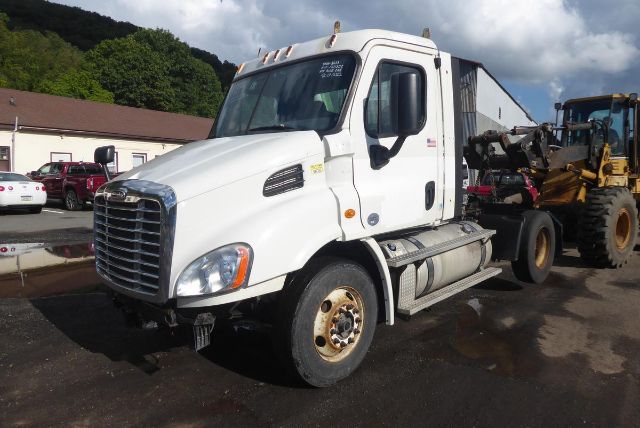
Selling a used 2013 freightliner conventional daycab truck? List your used 2013 freightliner conventional daycab truck for sale and reach thousands of commercial buyers.
Used 2013 Freightliner Conventional Daycab Trucks in New York
On 2013 Freightliner daycabs, Detroit power is common, especially the DD13 in the 410 to 450 horsepower range. You will also see either a manual transmission such as a Fuller 10-speed or an automated manual such as the Detroit DT12, depending on how the truck was ordered. A 12,000 lb front axle is typical, while rears can vary from lighter 23,000 lb setups on single-purpose regional tractors to 40,000 lb tandem specs with Meritor drive axles and power divider for heavier freight. Rear axle ratio is worth close attention. A faster ratio like 2.67 can favor fuel economy on lighter linehaul work, while something in the 3.08 range is more comfortable for stop-and-go regional lanes, loaded starts, and mixed terrain. Suspension specs such as Airliner 2-bag or 4-bag setups also affect ride quality, durability, and intended payload.
Cab layout and frame details tell you a lot about how a used daycab was worked. Many Freightliner conventional daycabs in this age range have a single frame, stationary or air-slide fifth wheel, and either drum or air disc brakes. Air-slide fifth wheels give more flexibility for trailer balance and kingpin settings, while a stationary fifth wheel can be fine for a dedicated trailer operation. Buyers in New York and the Northeast should pay close attention to corrosion on frame rails, crossmembers, suspension mounts, brake components, and electrical connections. High-mile units can still be viable if service records are solid, ECM miles align with the odometer, and the truck shows consistent maintenance on emissions, cooling system, clutch or transmission controls, and front-end wear items.
The best used 2013 Freightliner conventional daycab is not simply the lowest-mile truck. It is the truck whose spec matches the route, trailer type, and maintenance budget. Check cab-to-axle length if body or equipment installation is planned, verify tire size and wheel type for replacement cost, and inspect the condition of the fifth wheel, driveline, bushings, and air system. On DD13-equipped trucks, it is smart to review aftertreatment history, fault codes, and idle hours along with road speed gearing. A properly spec'd Freightliner daycab from this period can still be a practical fleet tractor for terminal work, short regional runs, container drayage, and drop-and-hook freight.
Frequently Asked Questions about Used 2013 Freightliner Conventional Daycab Trucks in New York
What is a 2013 Freightliner conventional daycab best suited for?
A 2013 Freightliner conventional daycab is generally best suited for local and regional hauling, drayage, dedicated lane work, terminal-to-terminal freight, and other operations where drivers return daily. The daycab configuration cuts weight and reduces overall length compared with a sleeper tractor, which helps in tighter yards, urban delivery zones, and frequent trailer switching. The exact fit depends on wheelbase, axle rating, and fifth wheel setup.
What engines and transmissions are common in used 2013 Freightliner daycabs?
Detroit diesel powertrains are common in this segment, especially the DD13. In used units from this era, buyers will often see horsepower ratings appropriate for regional freight and a choice between manual and automated manual transmissions. A Fuller 10-speed is a familiar option for fleets that prefer simpler serviceability, while Detroit DT12 automated manuals appeal to operations focused on driver consistency and reduced shifting fatigue.
How do I choose between a Freightliner Cascadia 113 and Cascadia 125 daycab?
The Cascadia 113 is often found in lighter or mid-range applications with shorter wheelbases and lower GVW setups, while the Cascadia 125 is more commonly spec'd for heavier tandem axle tractor work. A buyer hauling dense freight, pulling in mixed terrain, or running higher combined weights will usually want the heavier drivetrain, suspension, and axle capacity more often found in a 125. A 113 can still be the better choice when maneuverability, lower tare weight, and simpler regional work are the priority.
What should I inspect first on a used 2013 Freightliner daycab in the Northeast?
Start with rust and corrosion, especially on frame rails, crossmembers, cab mounts, brake hardware, wiring, and suspension attachment points. Then verify ECM miles against the dash, review fault codes, and inspect emissions components, cooling system condition, clutch or transmission operation, and driveline play. In New York service, road salt and stop-and-go duty can be harder on electrical systems, brake components, and undercarriage hardware than mileage alone suggests.
Are high-mileage 2013 Freightliner daycabs still worth buying?
They can be, provided the spec matches the work and the maintenance history is credible. A high-mile truck with documented engine, aftertreatment, suspension, and brake service can be a better buy than a lower-mile truck with deferred maintenance or the wrong gearing and axle package. Focus on hours, service records, fault history, tire wear pattern, and overall drivetrain condition rather than using odometer miles as the only decision point.