
Used 2014 Freightliner Conventional Daycab Trucks For Sale
Shop used 2014 Freightliner conventional daycab trucks. Compare Cascadia specs, Detroit engines, wheelbases, axle ratings, and drivetrain options.
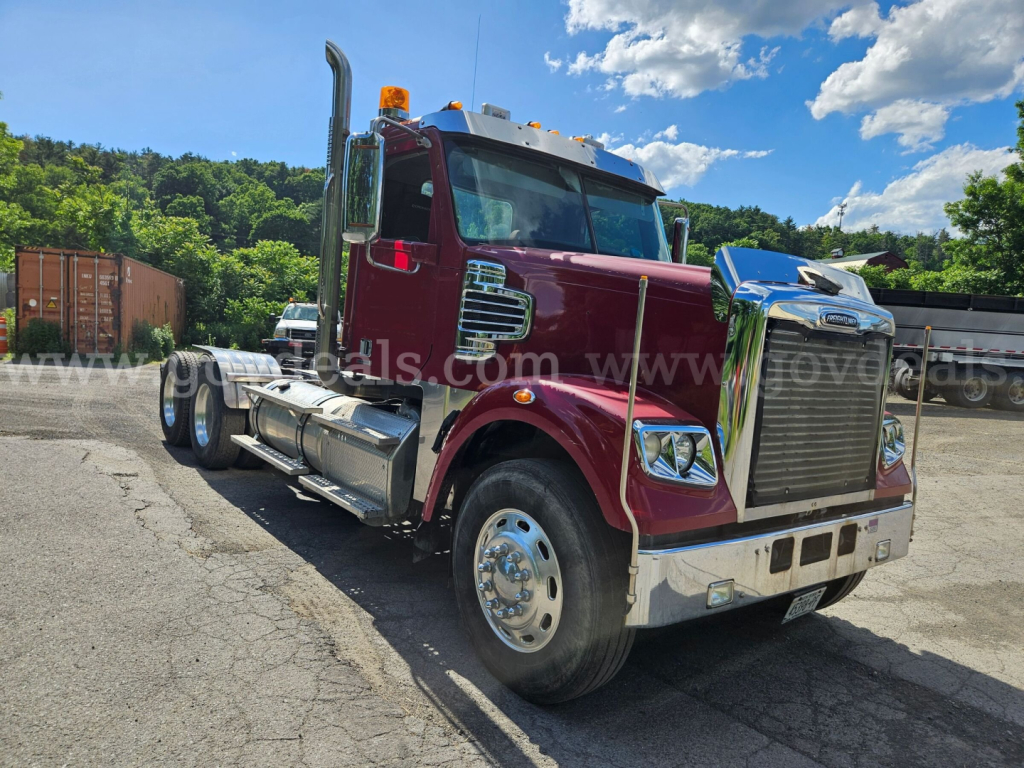
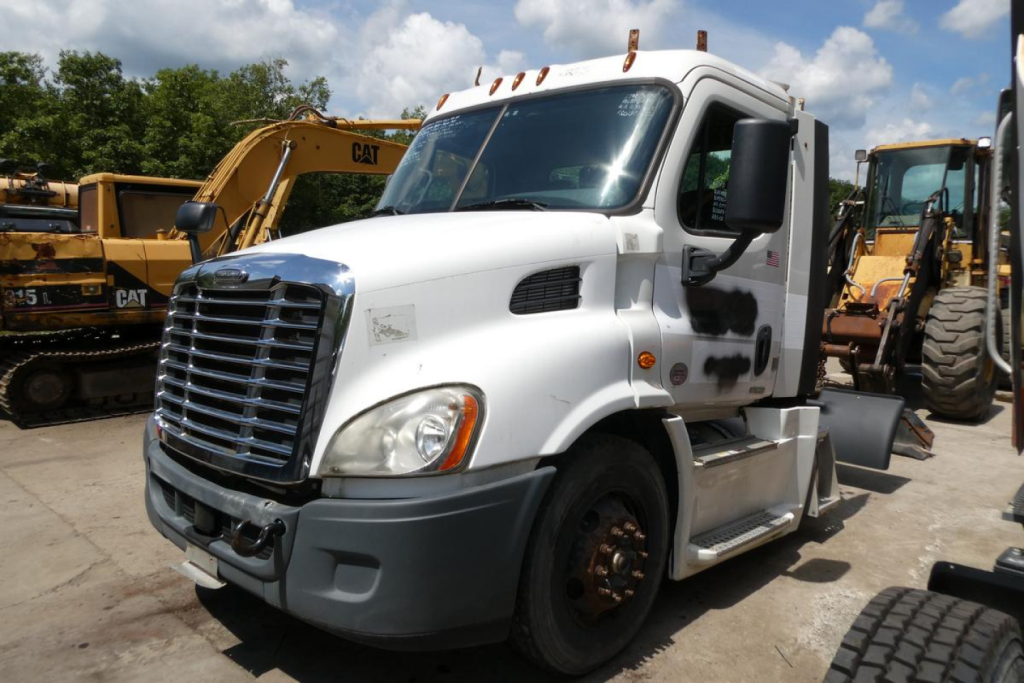
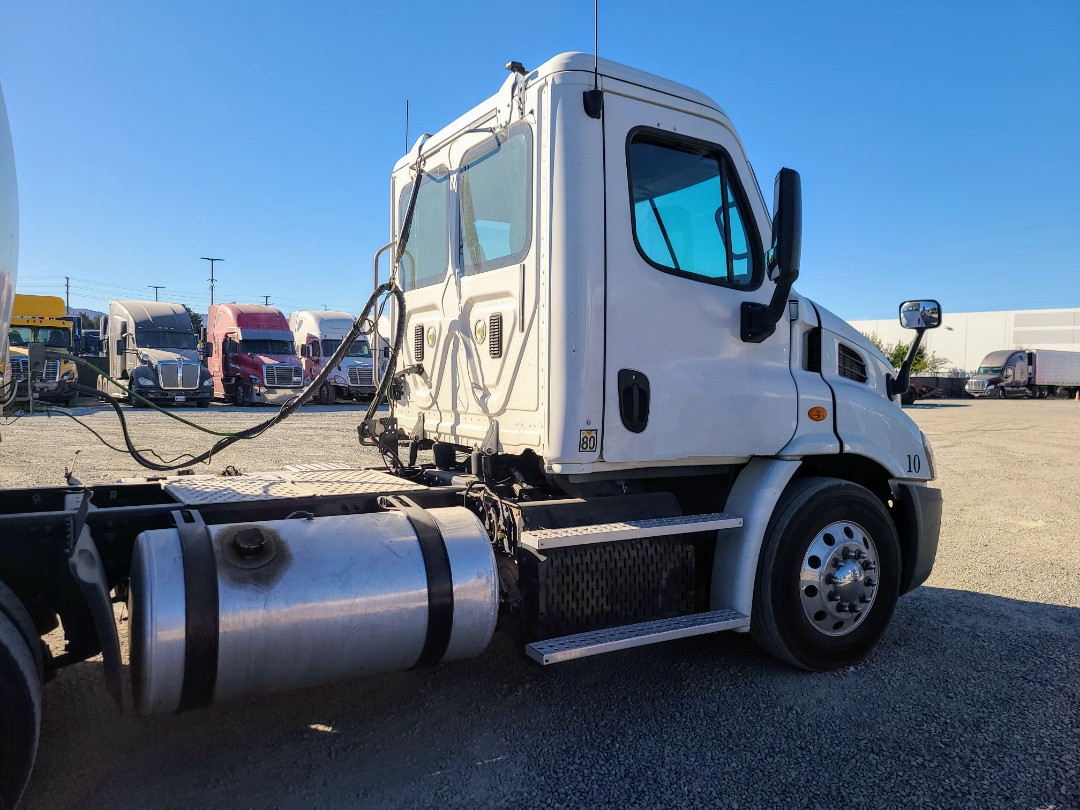
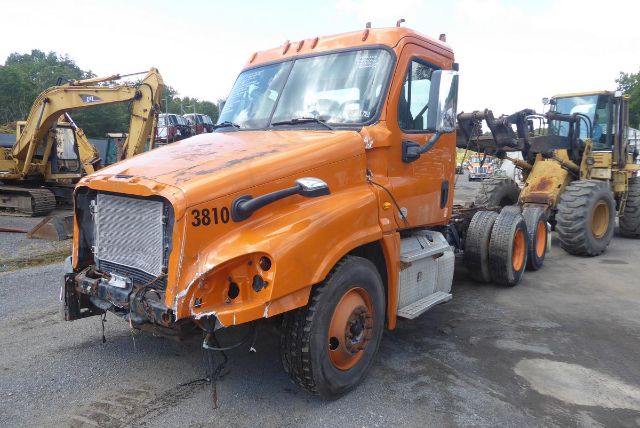
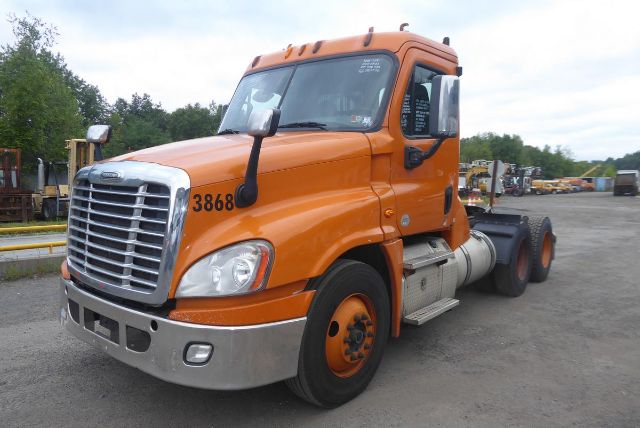
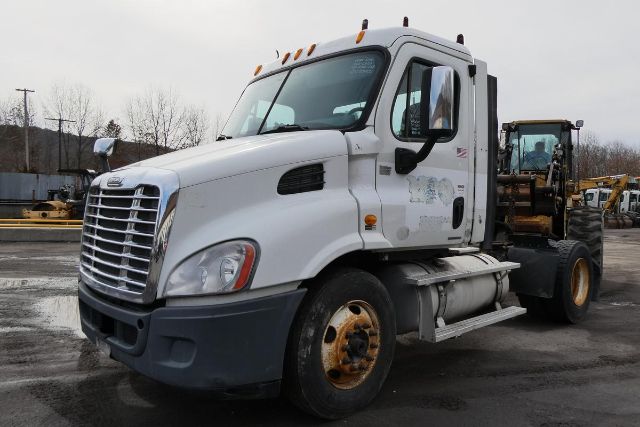
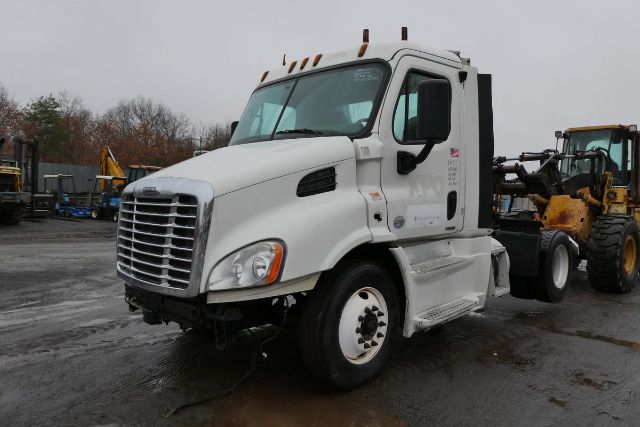
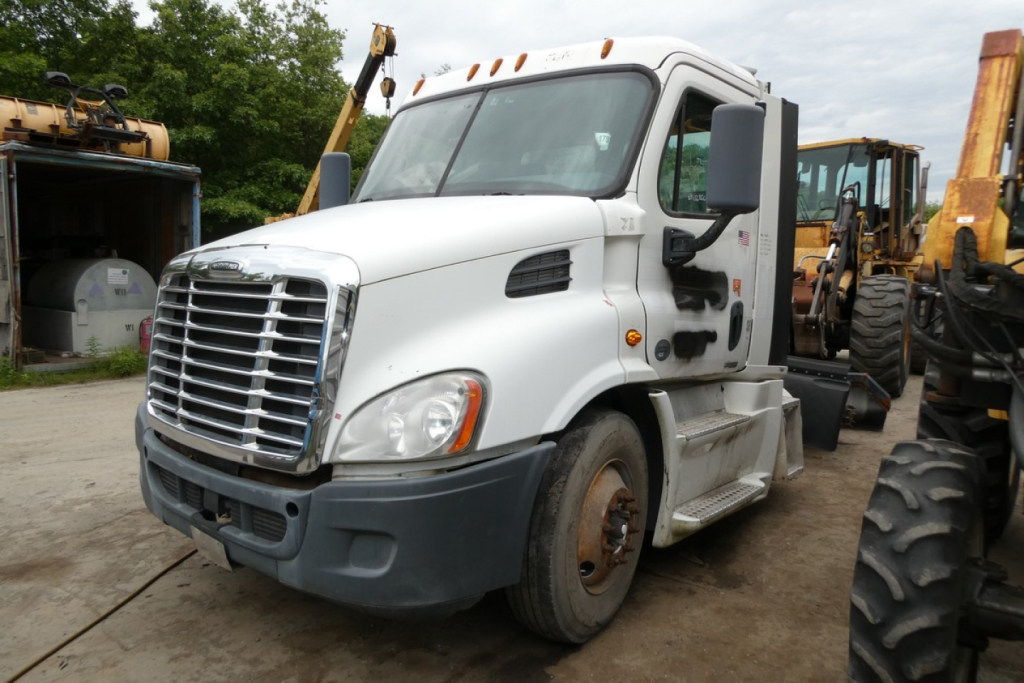

Selling a used 2014 freightliner conventional daycab truck? List your used 2014 freightliner conventional daycab truck for sale and reach thousands of commercial buyers.
Used 2014 Freightliner Conventional Daycab Trucks
For a 2014 Freightliner daycab, the drivetrain is usually the first decision. Many are spec'd with Detroit power, commonly a DD13, paired with either a manual, UltraShift-style automated manual, or Detroit DT12 automated transmission depending on the truck's original application and any later conversion. Buyers should match horsepower, torque, rear axle ratio, and wheelbase to the job. A shorter wheelbase works well for container work, city P&D, and frequent dock approaches, while a longer wheelbase can improve ride quality and help with fifth wheel placement on consistent trailer sets. Typical specs in this class include a 12,000 lb front axle, 40,000 lb rears, air ride suspension, and 11R22.5 rubber, but actual ratings vary by vocation.
Condition matters more than age alone on a used 2014 model. Check engine hours against odometer miles, review fault codes, and confirm emissions system status, especially on EPA-era trucks with DEF and aftertreatment components. On Freightliner daycabs, buyers commonly pay close attention to CPC module history, DPF and SCR service records, air conditioning performance, and signs of deferred maintenance around cooling, air system leaks, and suspension wear. If the truck has an air slide fifth wheel, inspect slide rail wear and locking function. If equipped with air disc brakes, confirm rotor and caliper condition and make sure parts cost fits your maintenance plan.
Cab configuration and chassis layout should fit the trailer mix you pull every day. Cab-to-axle, cab-to-end, and fifth wheel travel all affect bridge law compliance, trailer swing clearance, and kingpin setting flexibility. A single-frame spec may be ideal for standard highway tractor use, while a heavier vocational adaptation may call for different frame and suspension priorities. Freightliner conventional daycab trucks from this period are popular because they can cover a wide range of applications, from short regional van and reefer work to port, tanker, and bulk operations, provided the axle ratings, gearing, and maintenance history line up with the job.
Frequently Asked Questions about Used 2014 Freightliner Conventional Daycab Trucks
What is a 2014 Freightliner conventional daycab best suited for?
A 2014 Freightliner conventional daycab is best suited for regional and local operations where overnight accommodations are not needed. Common uses include dry van, reefer, drayage, dedicated route work, shuttle operations, and some tanker or bulk applications. The daycab design reduces empty weight and usually improves maneuverability compared with a sleeper tractor, which makes it a practical choice for terminal-to-terminal freight and urban distribution work.
What engine and transmission combinations are common in a used 2014 Freightliner daycab?
Many used 2014 Freightliner daycab trucks are equipped with Detroit engines, especially the DD13 in fleet-oriented highway specs. Transmissions vary by original buyer spec and can include manual gearboxes, automated manuals, or Detroit DT12 units in later comparable configurations. The most important point is not just the engine model, but how the horsepower, torque rating, rear axle ratio, and transmission type work together for the load and route profile.
What should I inspect on a used 2014 Freightliner Cascadia day cab before buying?
Start with ECM miles and engine hours, then compare them to the odometer and service records. Check for active and inactive fault codes, verify DEF, DPF, and SCR system health, and inspect the cooling system, air compressor performance, suspension components, and brake condition. Buyers should also pay attention to known electronic trouble points such as CPC-related issues, along with fifth wheel wear, steering play, tire wear patterns, and signs of frame or cab corrosion.
Are 2014 Freightliner daycabs good for fleet service and parts support?
Yes. One reason these trucks stay in demand is the depth of dealer and aftermarket parts support. Freightliner and Detroit components are widely serviced, and many technicians are familiar with the Cascadia platform. That can help reduce downtime and simplify maintenance planning, especially for fleets that want commonality across tractors, driveline parts, and diagnostic procedures.
How do wheelbase and axle ratio affect a conventional daycab's performance?
Wheelbase affects turning radius, trailer gap, ride quality, and bridge law flexibility. A shorter wheelbase usually favors tight city work and container hauling, while a longer wheelbase can improve highway stability and trailer fit on dedicated lanes. Axle ratio affects launch performance, cruise RPM, and fuel economy. A faster ratio may work well for highway speed and lighter duty cycles, while a lower ratio can be better for heavier loads, frequent starts, or more demanding terrain.