
Used 2011 Freightliner Conventional Daycab Trucks For Sale
Shop used 2011 Freightliner conventional daycab trucks with Cascadia-style specs, DD13 power, tandem axles, and fleet-ready regional capability.
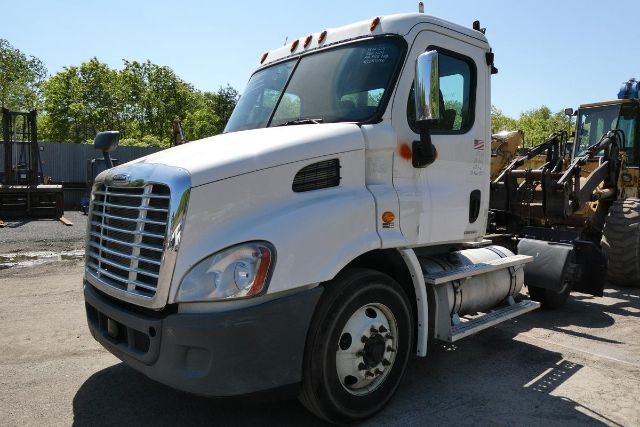
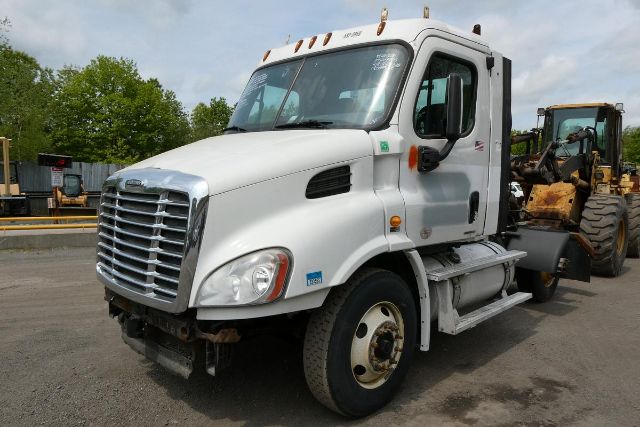
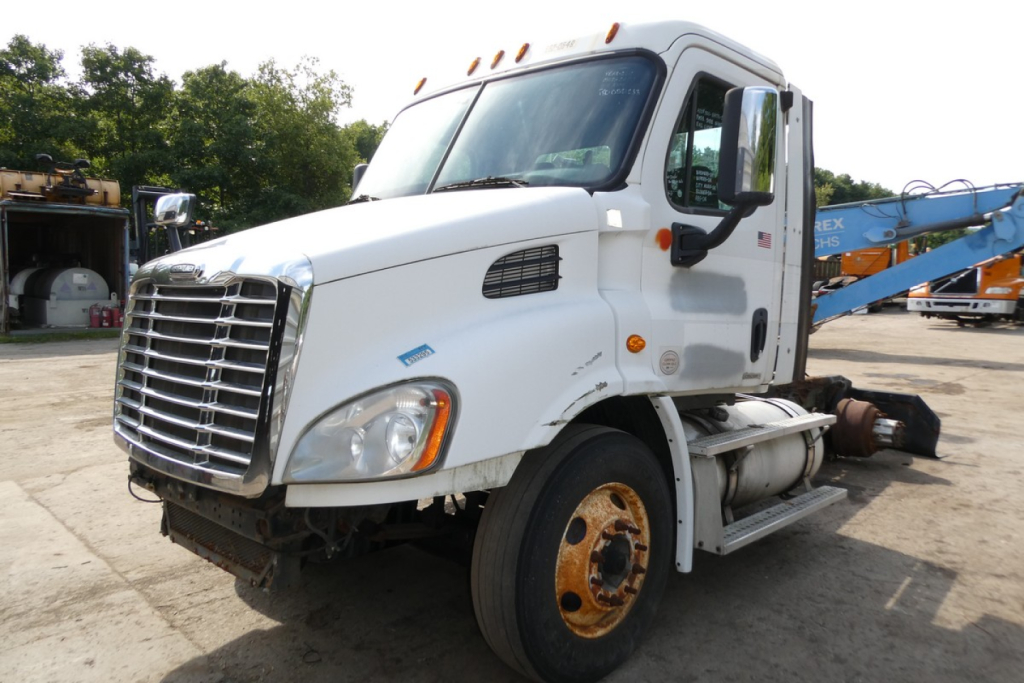
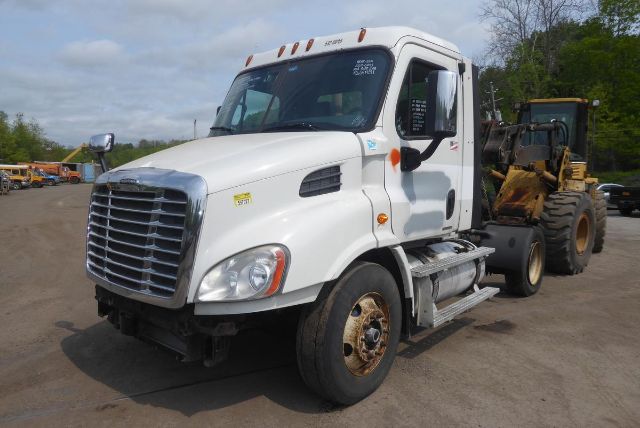
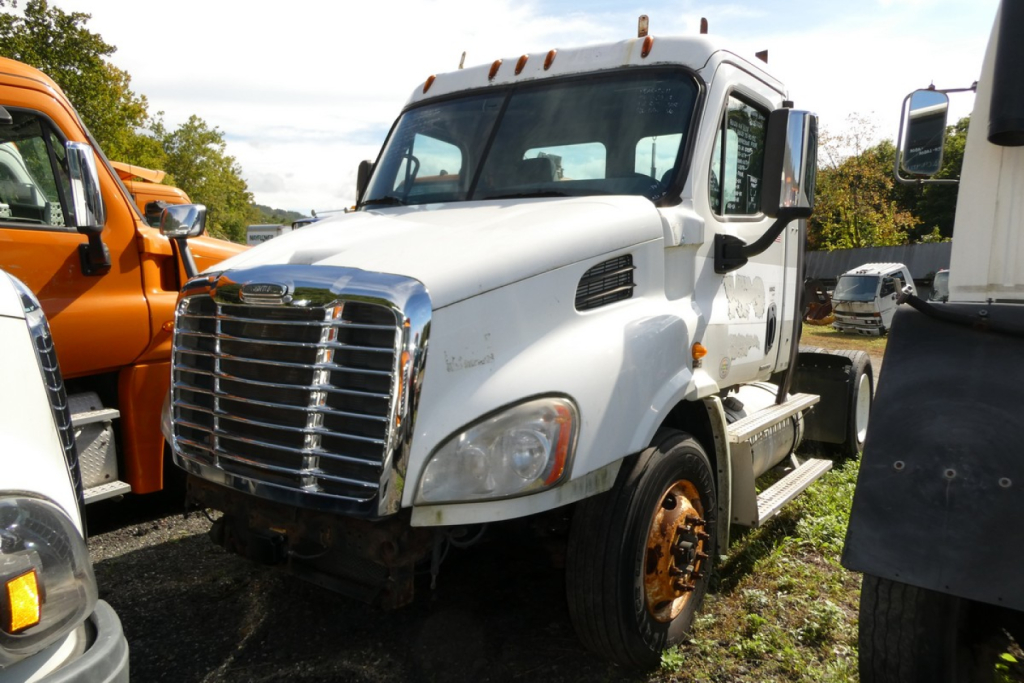
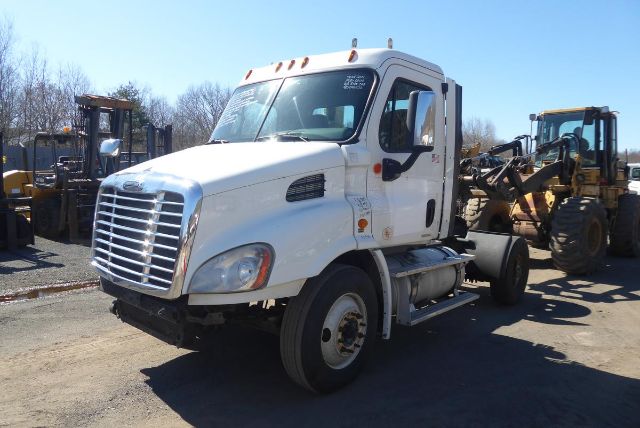
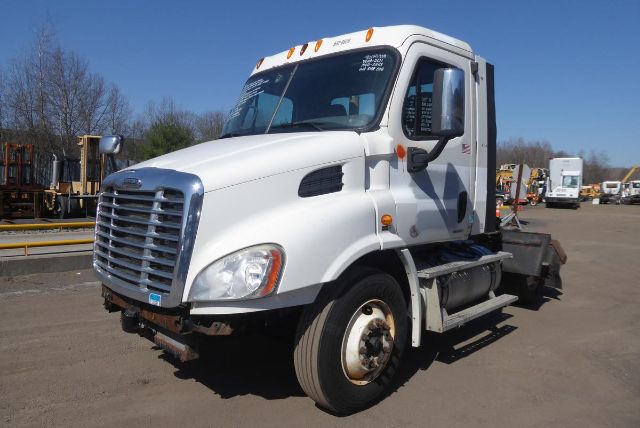
Selling a used 2011 freightliner conventional daycab truck? List your used 2011 freightliner conventional daycab truck for sale and reach thousands of commercial buyers.
Used 2011 Freightliner Conventional Daycab Trucks
For 2011 Freightliner daycabs, Detroit powertrains are common, especially the DD13 in regional haul trim. Horsepower often lands in the low-to-mid 400 range, paired with 10-speed manual or automated manual transmissions. Tandem rear axle configurations are typical, with 40,000 lb class rears and gearing such as 3.42 or similar ratios that balance startability with highway efficiency. Air ride suspension, 11R22.5 rubber, air slide or fixed fifth wheels, and 12,000 lb front axles are all specs worth checking closely. If the truck will pull heavy in stop-and-go work, rear ratio and clutch or transmission condition matter more than headline horsepower. If it will spend more time at steady regional speeds, aero condition, idle strategy, and aftertreatment health become more important.
Condition matters more than age in this category. A used 2011 Freightliner conventional daycab can range from a fleet-maintained route tractor to a high-mile unit needing engine, CPC, aftertreatment, or collision-related work. Service records, engine hours, ECM mileage, fault history, and evidence of emissions system repairs are important on this year because DEF-equipped trucks can be very good values when maintained correctly and very expensive when neglected. Buyers should inspect the hood and bumper structure, radiator support, charge air cooler, frame rails, suspension bushings, steering components, brake type, and fifth wheel wear. Inside the cab, pay attention to switchgear, HVAC performance, warning lights, and driver comfort items like seat base condition and mirror function, especially if the truck will be assigned to daily route work.
Freightliner remains popular in the daycab market because parts support is broad, dealer coverage is strong, and most technicians are familiar with the platform. That matters for trucks that cannot afford downtime. A 2011 conventional daycab is often a practical fit for fleets and owner-operators moving freight in a 150 to 500 mile operating radius, shuttling trailers between terminals, or handling dedicated customer freight where maneuverability and lower tare weight count. The best buy is usually the truck with the right wheelbase, rear ratio, and maintenance history for the intended route, not simply the one with the lowest price or newest-looking cab.
Frequently Asked Questions about Used 2011 Freightliner Conventional Daycab Trucks
What is a 2011 Freightliner conventional daycab best suited for?
A 2011 Freightliner conventional daycab is best suited for regional haul, local delivery support, terminal-to-terminal moves, port drayage, and dedicated short-haul freight. The daycab configuration removes sleeper weight and length, which helps maneuverability and can improve payload or operational efficiency in tight yards and urban routes. It is commonly used as a highway tractor for van, reefer, and some flatbed work where the driver returns home daily.
What engine and transmission combinations are common in used 2011 Freightliner daycabs?
Many used 2011 Freightliner conventional daycabs are equipped with Detroit engines, especially the DD13, often paired with a 10-speed manual or an automated manual depending on the original fleet spec. Horsepower usually falls in a range suitable for regional freight rather than heavy specialized haul. The best combination depends on duty cycle. Manual transmissions can appeal to buyers looking for simplicity and driver control, while automated manuals can reduce driver fatigue in stop-and-go applications.
What should I inspect first on a used 2011 Freightliner daycab?
Start with the engine, emissions system, transmission operation, and maintenance documentation. On a 2011 model, DEF system condition, fault codes, injector history, and aftertreatment repairs deserve close attention because emissions-related issues can quickly change the total cost of ownership. After that, inspect frame condition, suspension wear, steering play, brake system type and remaining life, wheelbase suitability, fifth wheel condition, and any signs of front-end or cab damage. ECM miles and engine hours should also be compared to the odometer when possible.
What axle and wheelbase specs matter most in this category?
Front axle rating, rear axle rating, rear ratio, and wheelbase are the key chassis specs in a conventional daycab. Many buyers look for a 12,000 lb front axle and tandem rears in the 23,000 lb to 40,000 lb class depending on exact configuration and intended use. Wheelbase affects turning radius, trailer swing clearance, and body or equipment options. A shorter wheelbase can help in tight city work, while a longer wheelbase may better suit ride quality, fuel tank capacity, or application-specific trailer setup.
Is a used 2011 Freightliner daycab still a good value for a fleet or owner-operator?
It can be a strong value if the truck has the right spec and a documented maintenance history. Freightliner daycabs are widely supported for parts and service, which helps control downtime and repair planning. The purchase decision should be based on current mechanical condition, emissions compliance status, and fit for the route, not just purchase price. A lower-cost truck that needs major engine or aftertreatment work can easily cost more over time than a better-maintained unit with higher upfront price.