
Used 2020 Freightliner Conventional Daycab Trucks For Sale
Shop used 2020 Freightliner conventional daycab trucks. Compare Cascadia specs, DD13 and X15 power, wheelbase, axle ratings, and driveline setup.
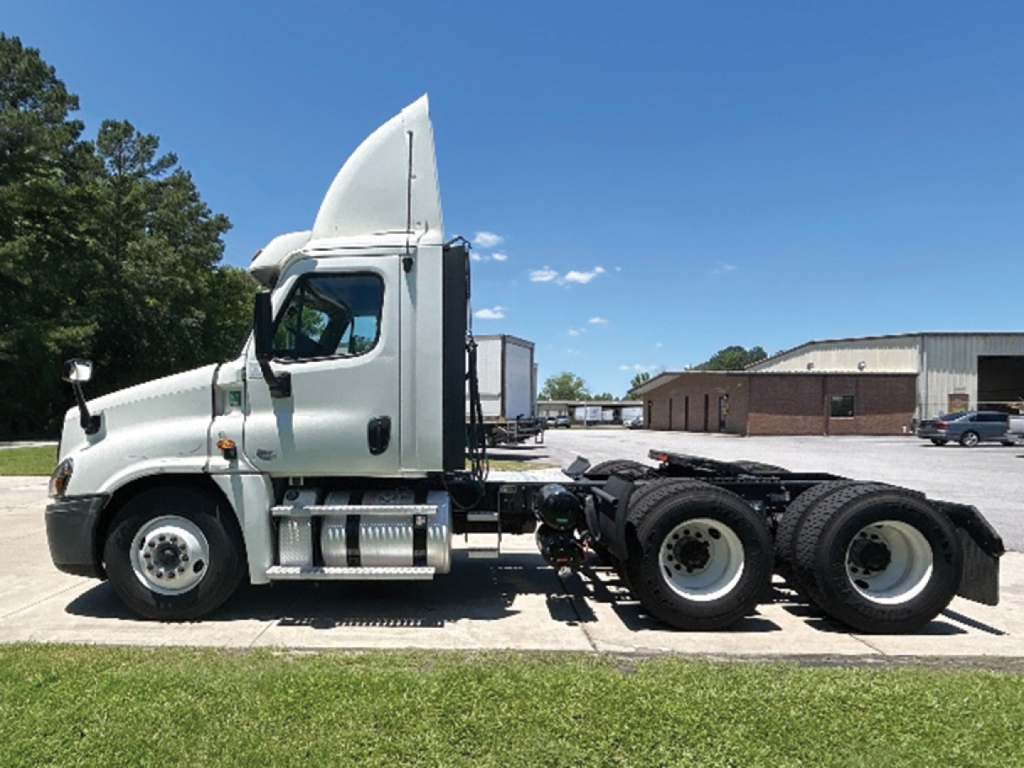
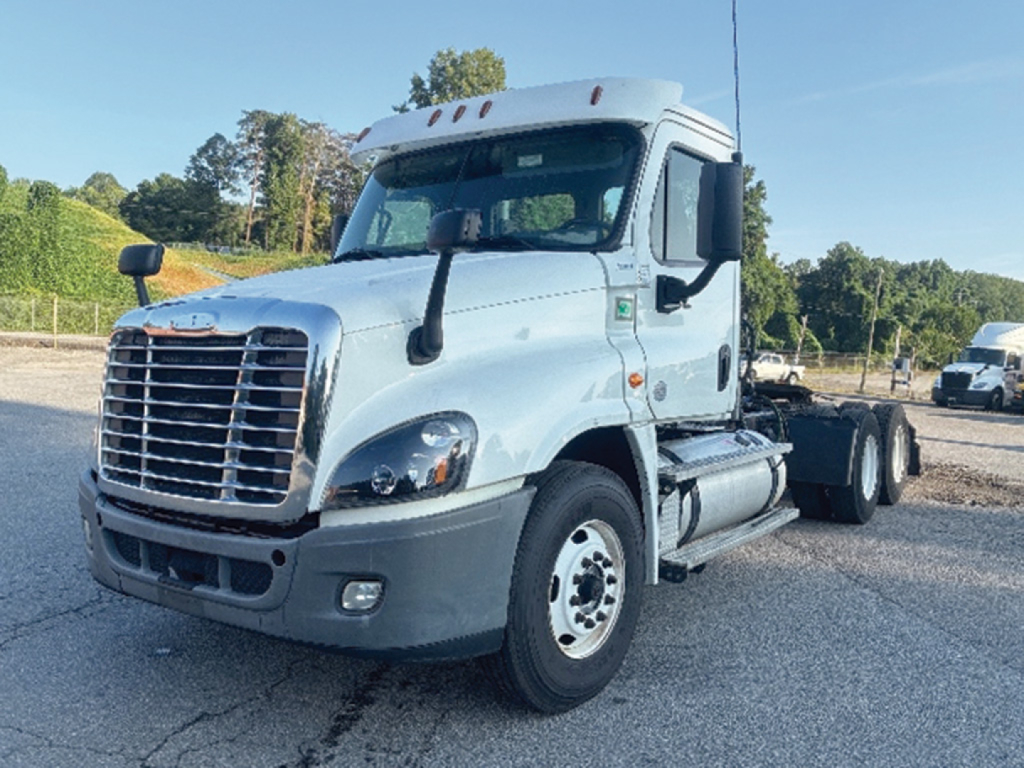
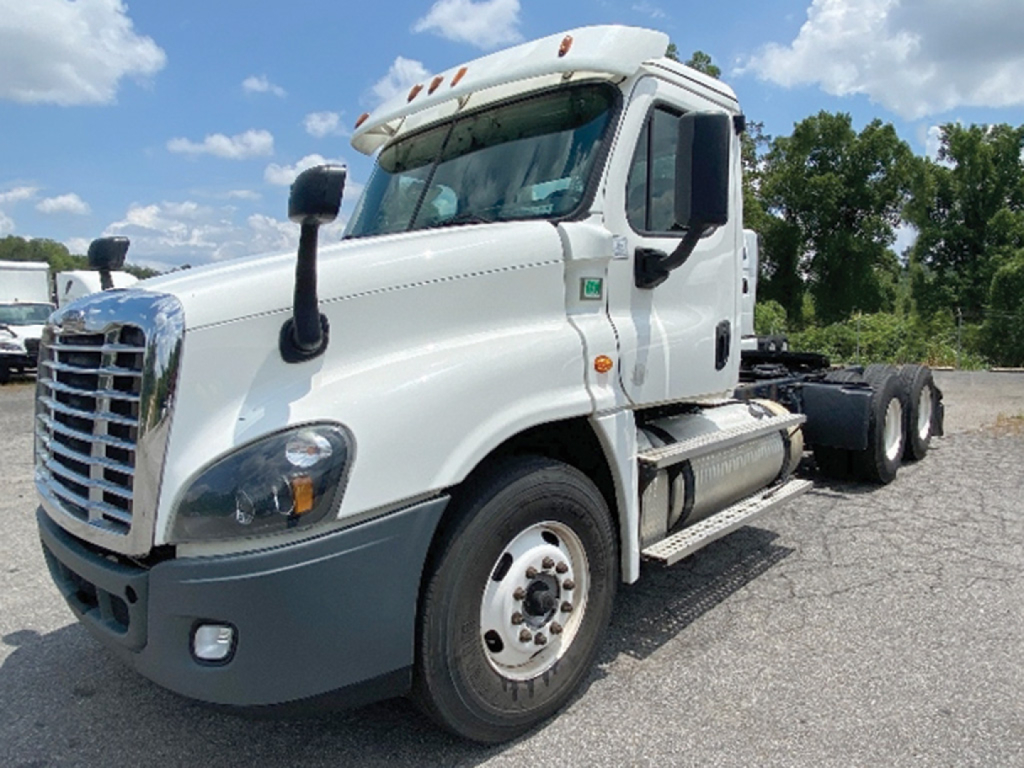
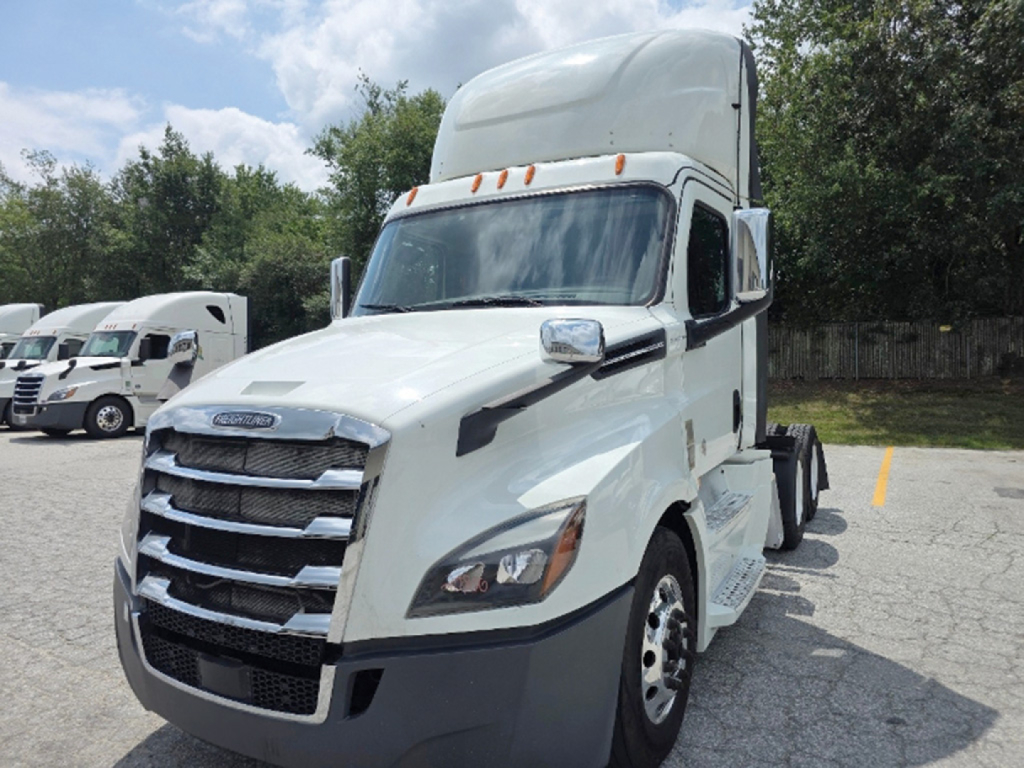
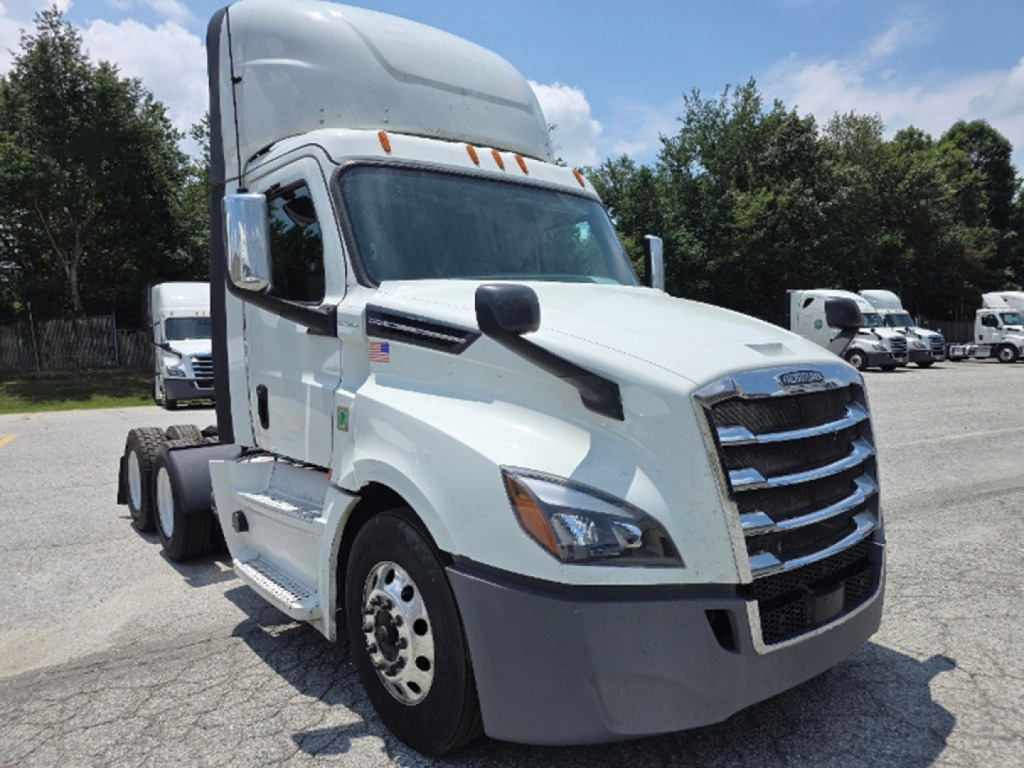
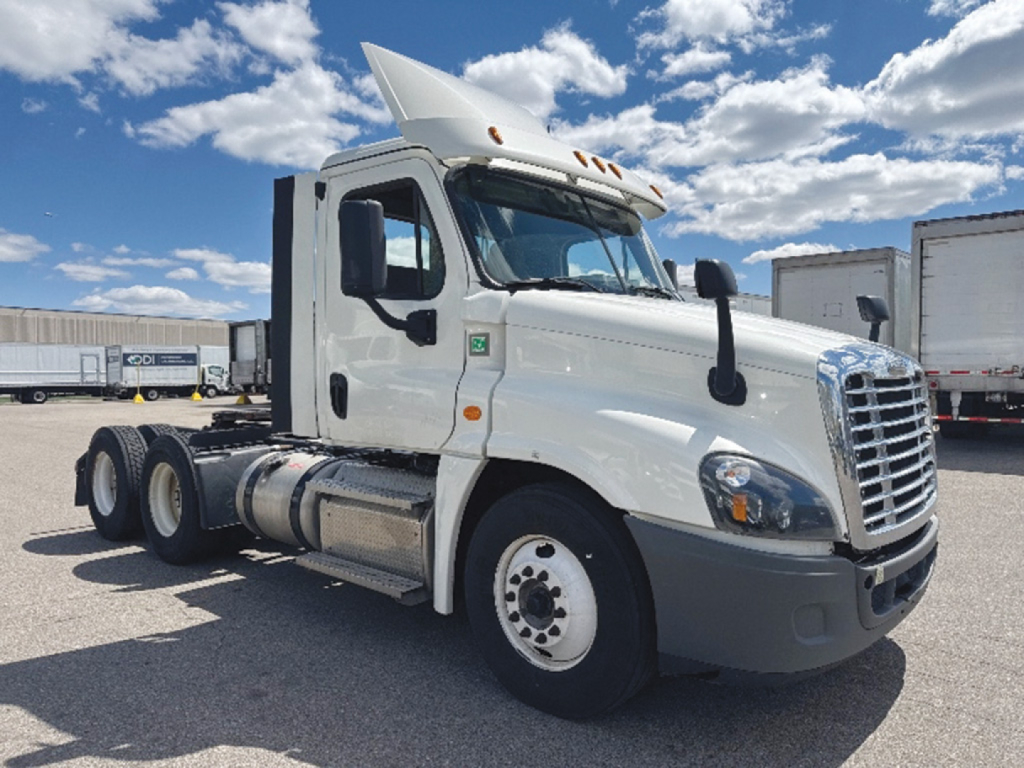
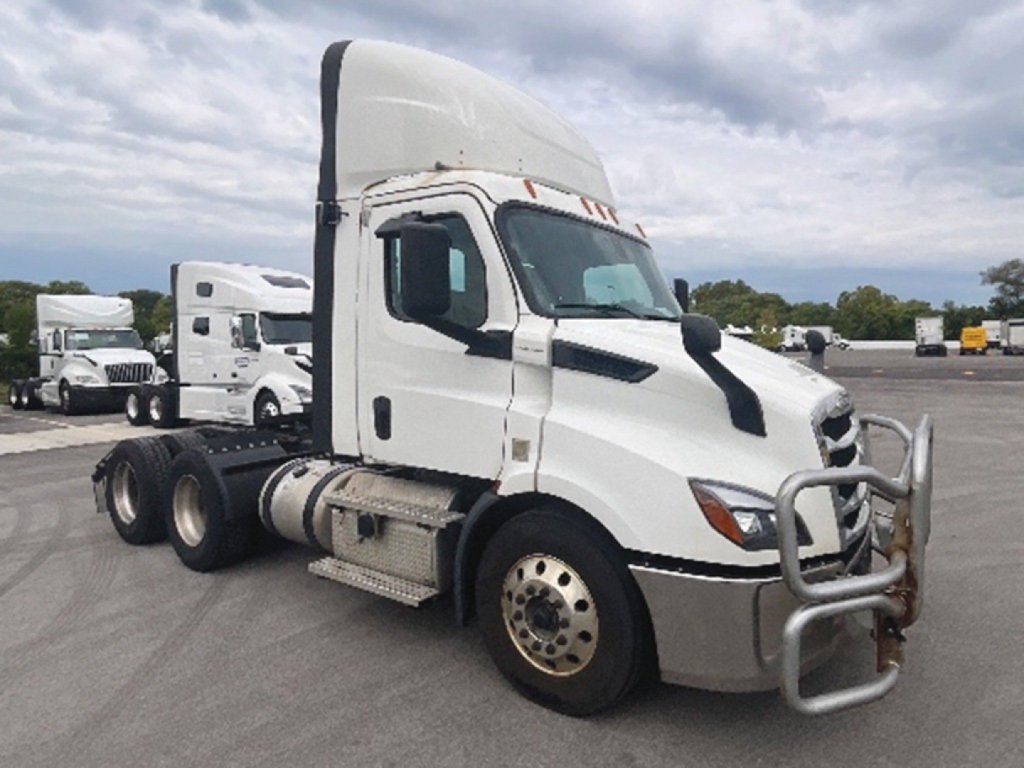
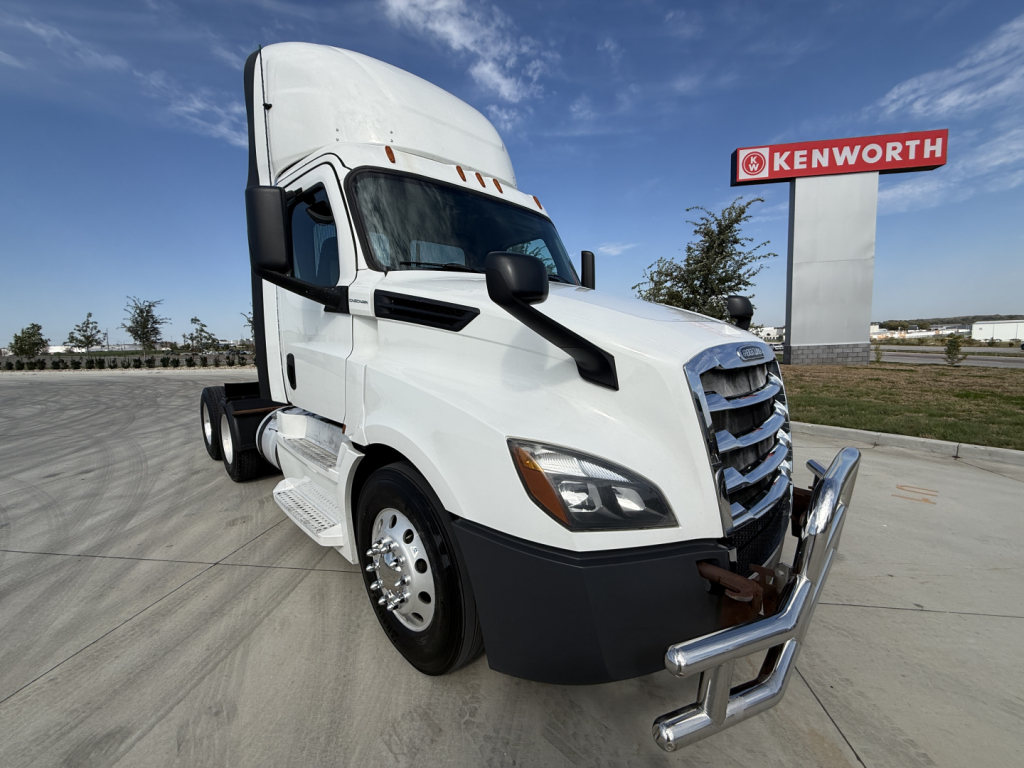
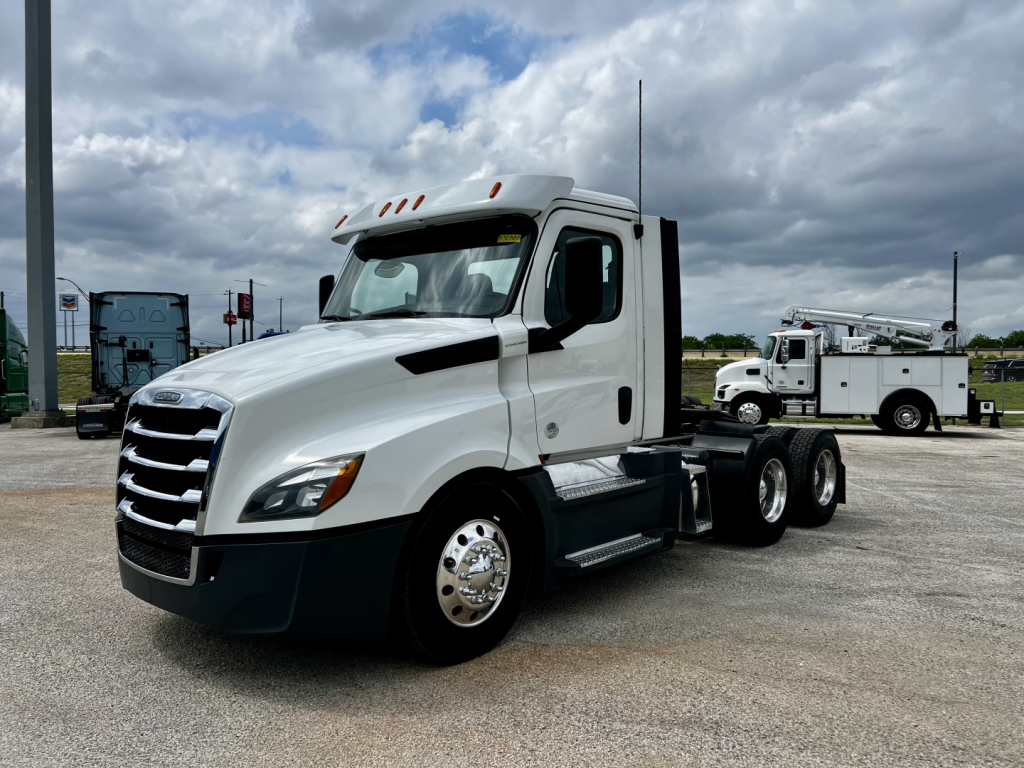
Selling a used 2020 freightliner conventional daycab truck? List your used 2020 freightliner conventional daycab truck for sale and reach thousands of commercial buyers.
Used 2020 Freightliner Conventional Daycab Trucks
The first decisions should be engine, transmission, and rear axle ratio. Common 2020 Freightliner daycab specs include Detroit DD13 or Cummins X15 power, often in the 410 to 450 horsepower range, paired with a Detroit DT12 automated manual or a 10-speed manual. A DT12-equipped daycab is common in fleet service because it helps with driver consistency and can reduce clutch-related wear, while a manual may still appeal in vocational or specialized applications. Rear axle ratings are often 40,000 pounds with air ride suspension, and ratios such as 3.08 or 3.70 change how the truck feels on the road. A 3.08 ratio generally favors fuel economy at highway speeds, while a 3.55 or 3.70 setup is often better for heavier starts, tighter regional work, or routes with more stop-and-go.
Wheelbase, fifth wheel configuration, and frame layout matter more than many buyers expect. A daycab in the 170- to 200-inch wheelbase range is common, but the right dimension depends on trailer swing clearance, bridge law needs, and how tight your delivery environment is. An air slide fifth wheel adds flexibility if the truck will pull different trailer lengths or needs kingpin adjustment across accounts. Buyers should also look at fuel tank capacity, fairings, cab extenders, and whether the truck is spec'd for aerodynamic highway work or more stripped-down local service. Air disc brakes, collision mitigation, LED headlights, tire inflation systems, and other driver-assist or maintenance-focused features can add real value on a used truck if they have been properly maintained.
On a used 2020 Freightliner conventional daycab, condition should be judged by service history as much as mileage. Odometer readings need to be considered alongside engine hours, idle time, transmission behavior, aftertreatment history, and visible wear in the fifth wheel, suspension, steering, and brake system. Check for fault codes, regen frequency, coolant and oil condition, and signs of deferred maintenance around the air system or emissions components. Freightliner daycabs are common enough that buyers can be selective, so it pays to compare not just price and mileage, but the exact driveline, axle ratings, wheelbase, and maintenance record against the job the truck needs to perform.
Frequently Asked Questions about Used 2020 Freightliner Conventional Daycab Trucks
What is the most common 2020 Freightliner conventional daycab model?
The Freightliner Cascadia daycab is the most common 2020 conventional daycab configuration on the market. It is widely used in regional and local fleet service because it offers broad parts availability, familiar service procedures, and a range of proven engine and transmission combinations. That volume also helps buyers compare specs more easily across similar trucks.
Which engine is better in a used 2020 Freightliner daycab, the Detroit DD13 or Cummins X15?
The better choice depends on the application. A Detroit DD13 is a common fit for regional freight, lighter linehaul, and fleets focused on fuel efficiency and standardized maintenance. A Cummins X15 is often preferred when the truck will see heavier loads, tougher terrain, or buyer preference for Cummins support in a specific region. The right decision comes down to horsepower rating, torque, rear axle ratio, maintenance records, and the type of trailers and loads the truck will pull.
What wheelbase is best for a conventional daycab truck?
There is no single best wheelbase because the correct setup depends on trailer type, loading environment, and axle placement needs. Shorter wheelbases generally improve maneuverability in cities, yards, and tight docks. Longer wheelbases can improve ride quality, weight distribution, and trailer compatibility in highway service. Buyers should match wheelbase to kingpin setting, fifth wheel travel, and the actual turning space in their operation.
Is an automated manual transmission a good choice in a used Freightliner daycab?
Yes, an automated manual such as the Detroit DT12 is a strong choice for many buyers if it has been properly maintained and road tested. It can improve driver consistency, reduce missed shifts, and lower clutch wear compared with a manual in multi-driver fleets. The key is verifying shift quality, checking for transmission fault codes, reviewing clutch and calibration history, and making sure the truck launches smoothly under load.
What should buyers inspect first on a used 2020 Freightliner daycab?
Start with the maintenance file, engine hours, fault codes, and aftertreatment history, then inspect the driveline and chassis. Pay close attention to engine performance, transmission operation, air system build time, suspension wear, brake condition, and fifth wheel wear. A truck with average mileage but strong records and clean diagnostics is usually a better buy than a lower-priced truck with unclear service history or signs of deferred repairs.