
Used 2020 Freightliner Conventional Daycab Trucks For Sale in Illinois
Browse used 2020 Freightliner conventional daycab trucks in Illinois, including Cascadia day cabs with DD15 power, DT12 automated transmissions, and fleet specs.
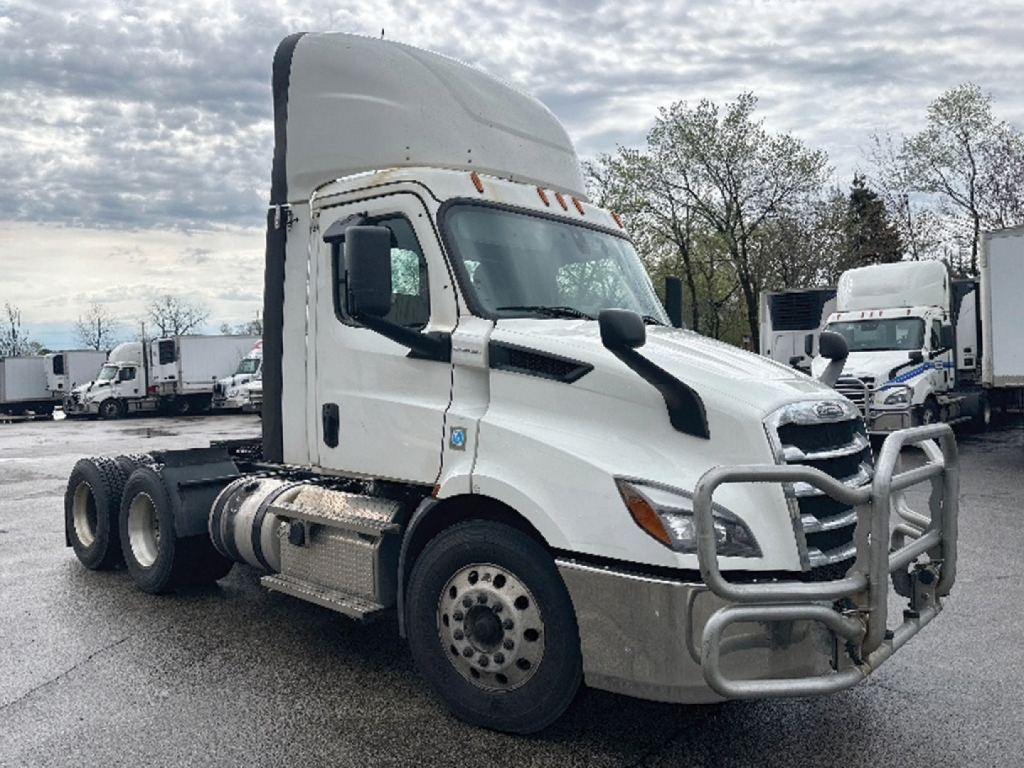
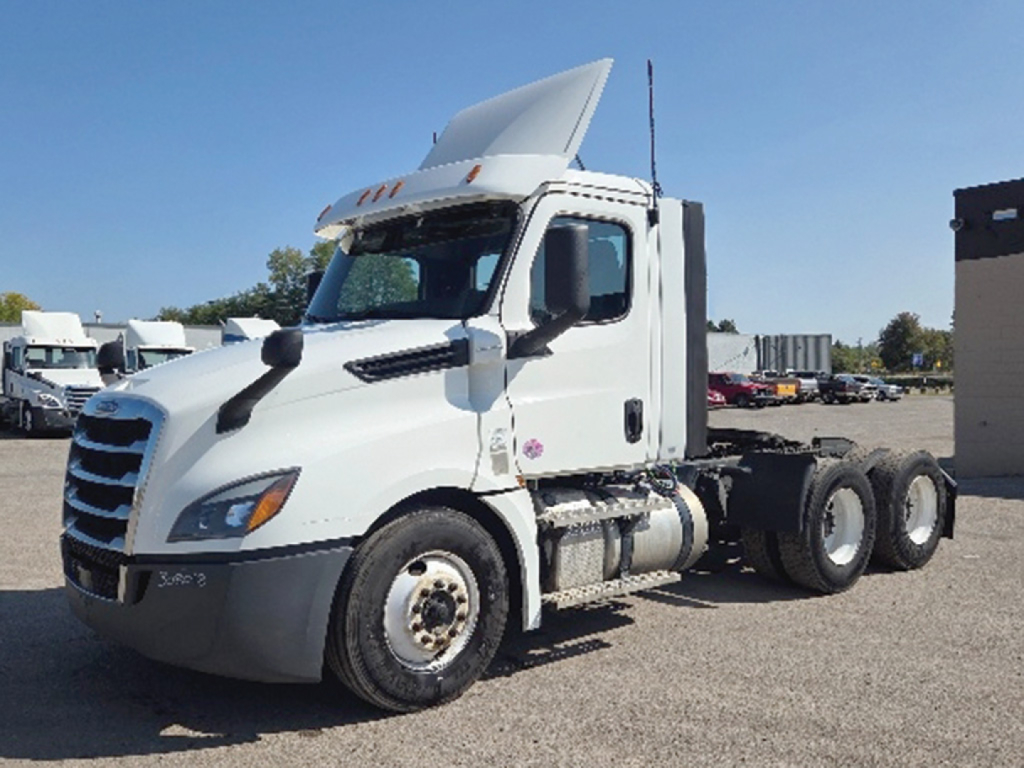
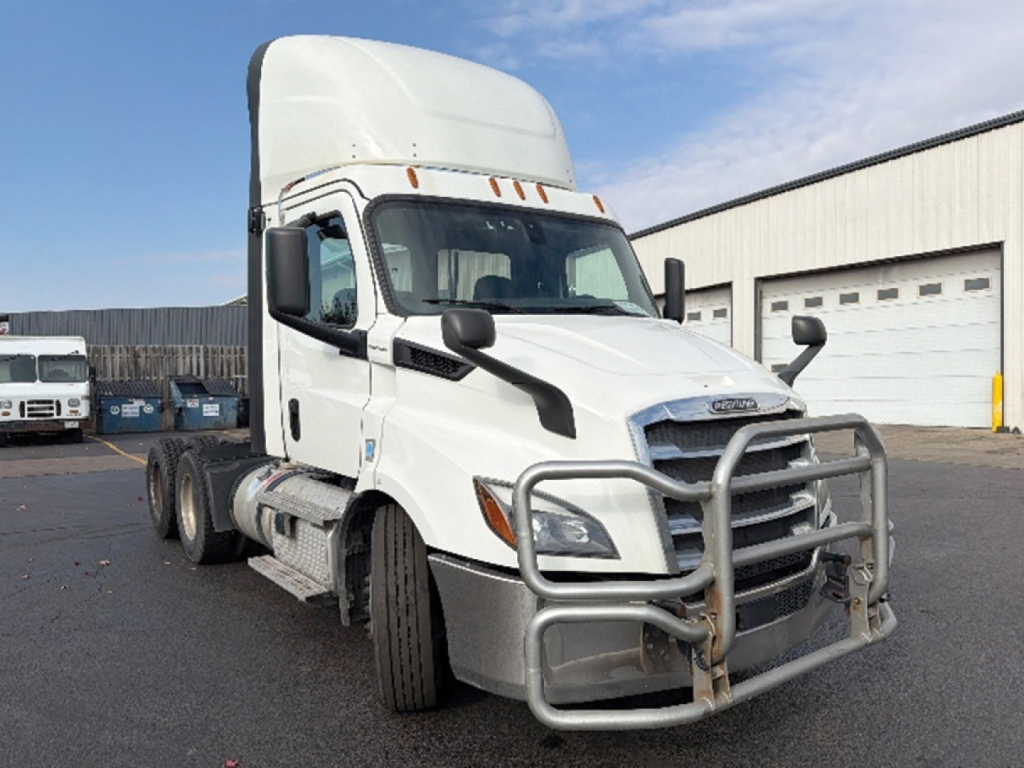
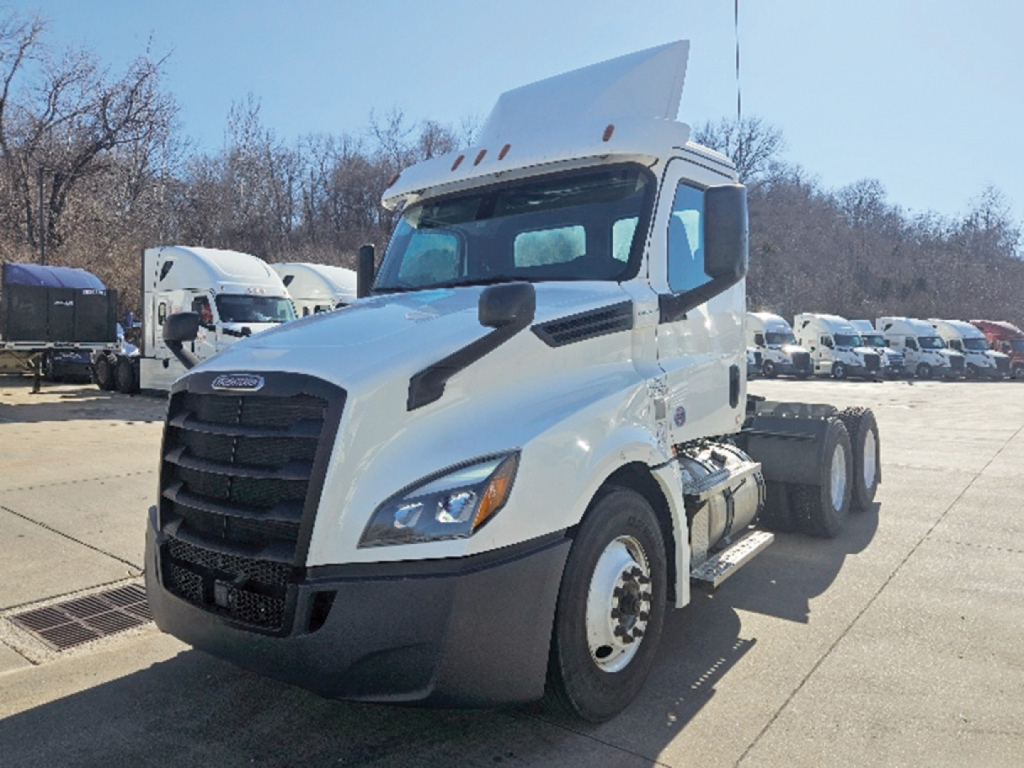

Looking for the easiest place to sell your used 2020 freightliner conventional daycab truck? List it here to reach thousands of buyers.
Used 2020 Freightliner Conventional Daycab Trucks in Illinois
The spec details matter more than the badge on the hood. A 400 to 455 horsepower DD15 covers most regional and short-haul applications, but the rear end ratio changes how the truck behaves. A 2.28 ratio is typically chosen for fuel-efficient highway and lighter GCW work, while a 3.08 ratio gives a more versatile balance for mixed routes, heavier starts, and tighter operating conditions. Many 2020 Freightliner daycabs also show 40,000 lb rear axles, air ride suspension, air slide fifth wheels, and wheelbases in the high-170 to mid-180 inch range. That combination usually fits van, reefer, and general freight trailer work while still keeping the truck maneuverable in yards and urban delivery environments.
For Illinois buyers, operating environment should influence the purchase decision. A daycab running Chicagoland, intermodal ramps, warehouse districts, or downstate regional lanes needs a different setup than a truck spending most of its time on open interstate. Look closely at wheelbase, fairings, fuel tank configuration, and fifth wheel travel. A shorter wheelbase can help in tighter docks and container yards, while a longer wheelbase may ride better and work well with certain trailer swing-clearance requirements. Roof fairings, cab extenders, quarter fenders, and low-profile 22.5 tires are common on highway-oriented Freightliner day cabs and can help with fuel burn and trailer compatibility.
Buyers comparing used 2020 Freightliner conventional daycab trucks should pay close attention to maintenance history, idle hours, emissions system service, transmission calibration, and signs of prior fleet use. The Cascadia platform is widely accepted in commercial fleets, so many used examples come with standardized specifications and consistent preventive maintenance records. That can be an advantage if uptime, technician familiarity, and predictable operating cost matter more than custom spec. A clean 2020 Freightliner day cab with the right horsepower, axle ratio, suspension, and wheelbase can be a very efficient truck for regional haul, dedicated contract freight, and high-cycle local operations.
Frequently Asked Questions about Used 2020 Freightliner Conventional Daycab Trucks in Illinois
What engine and transmission are common in a used 2020 Freightliner conventional daycab?
Many used 2020 Freightliner conventional daycab trucks, especially Cascadia models, are equipped with a Detroit DD15 diesel engine and a DT12 automated manual transmission. This is a common fleet specification because it offers a strong mix of fuel economy, driver acceptance, and service support. Horsepower ratings around 400 to 455 are typical, and that range is suitable for most regional, dedicated, and local tractor applications.
Is a 2020 Freightliner day cab a good choice for regional hauling in Illinois?
A 2020 Freightliner day cab is generally a strong fit for Illinois regional freight because it is built for high-frequency routes, terminal work, and same-day runs where a sleeper is not needed. The Cascadia platform is especially common in Midwest fleet service, which helps with parts sourcing and technician familiarity. Buyers running Chicago-area freight, intermodal, warehouse distribution, or downstate lanes often prefer daycabs for their lower weight, easier maneuverability, and simpler operating profile.
What rear axle ratio should I look for on a used Freightliner daycab?
The right rear axle ratio depends on route profile, trailer weight, and average speed. A 2.28 ratio is often selected for fuel-efficient highway use and lighter average loads, especially when the truck spends most of its time at steady interstate speeds. A 3.08 ratio is usually better for mixed duty, heavier starts, more stop-and-go operation, and applications where stronger launch performance matters more than maximizing highway fuel mileage.
What specs affect trailer compatibility on a conventional daycab?
Wheelbase, fifth wheel position, ride height, fairing setup, and tire size all affect how a daycab works with different trailers. An air slide fifth wheel adds flexibility for kingpin settings and axle loading, while wheelbase affects bridge compliance, turning radius, and swing clearance between the tractor and trailer. Buyers should also confirm frame layout, fuel tank placement, and aerodynamic components such as cab extenders and roof fairings, especially if the truck will pull dry vans, reefers, or intermodal chassis.
What should I inspect first on a used 2020 Freightliner Cascadia day cab?
Start with maintenance records, engine hours, fault history, aftertreatment service, and transmission operation. On a fleet-spec 2020 Cascadia day cab, it is also smart to check for suspension wear, steering play, brake condition, fifth wheel wear, and tire pattern consistency. Because these trucks are often used in high-cycle regional service, signs of hard yard use, excessive idle time, or deferred emissions repairs can tell you more than appearance alone.