
Used 2015 Freightliner Conventional Daycab Trucks For Sale
Browse used 2015 Freightliner conventional daycab trucks with specs that fit local haul, regional service, port work, and fleet replacement needs.
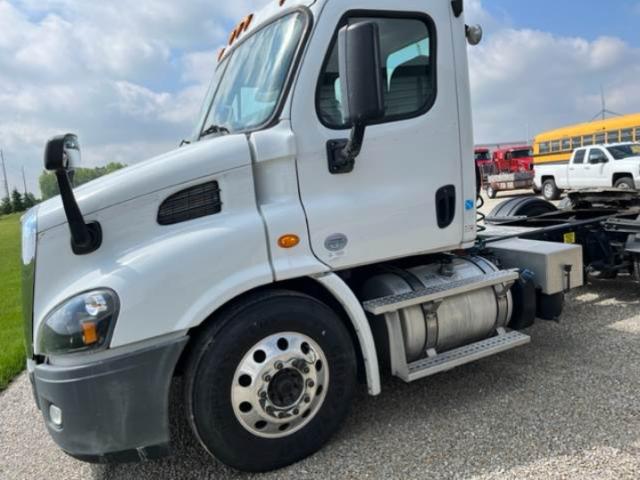
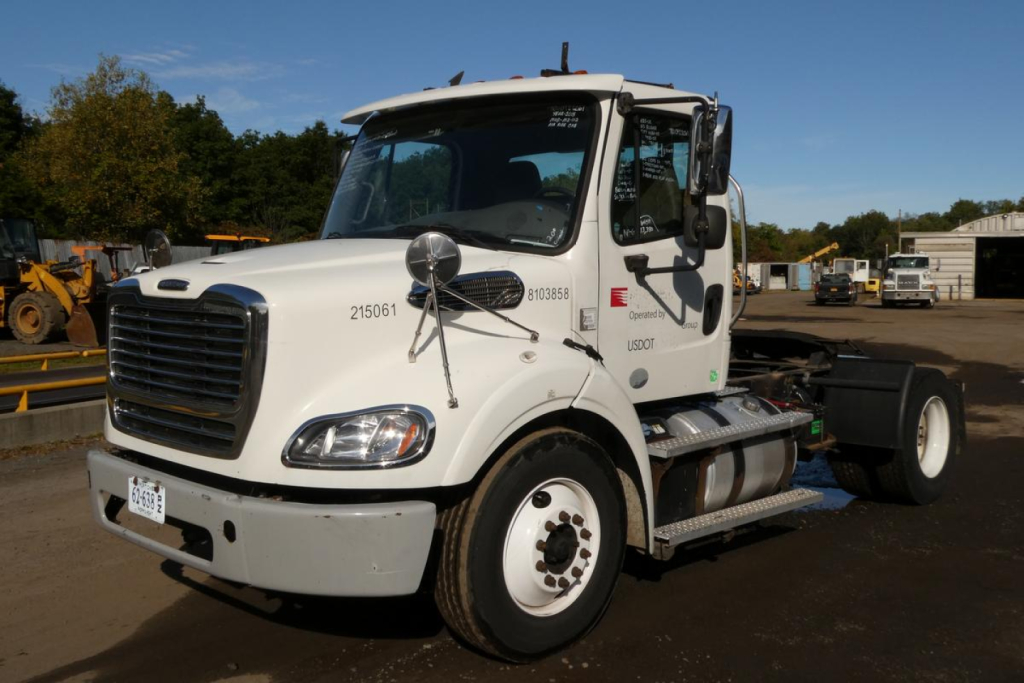
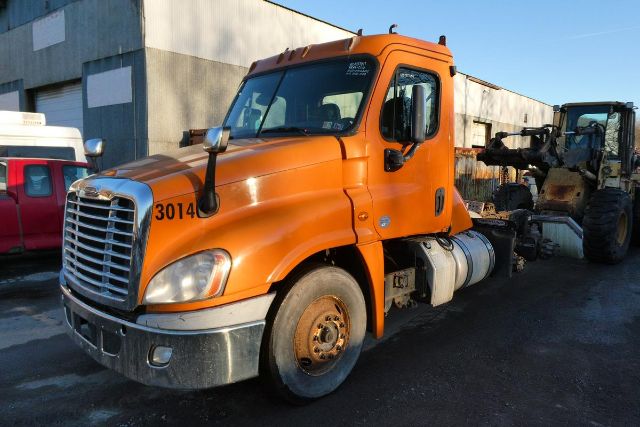
Selling a used 2015 freightliner conventional daycab truck? List your used 2015 freightliner conventional daycab truck for sale and reach thousands of commercial buyers.
Used 2015 Freightliner Conventional Daycab Trucks
The biggest buying decisions usually come down to engine, transmission, rear ratio, and wheelbase. Many Freightliner daycabs from this era were spec'd with Detroit DD13 engines, often in the 410 to 450 horsepower range, paired with 10-speed manual or automated manual transmissions. For stop-and-go city work or mixed regional lanes, pay close attention to rear axle ratings, suspension type, and ratio. A 3.08 or 3.23 ratio can make sense for highway-oriented regional use, while wheelbase and fifth wheel placement matter more if the truck will be switching between trailer lengths, operating in tight yards, or handling container chassis. Common features in this class include air ride suspension, engine brakes, aluminum wheels, dual fuel tanks, power windows, and sliding fifth wheels.
Condition matters more than original spec on a used 2015 model. Buyers should compare odometer miles with engine hours, look for signs of excessive idle time, and verify maintenance history on emissions components, cooling system work, clutch or transmission service, and suspension wear. On Freightliner daycabs, it is worth checking the condition of the AirLiner suspension, steering components, dash electronics, and aftertreatment system. A clean frame, even tire wear, consistent brake life across axles, and a cab interior that matches the claimed use all tell you a lot about how the truck was run. If the truck has a pintle hook, wet kit history, or other vocational modifications, confirm that the frame layout and wheelbase still fit your intended trailer setup.
A 2015 Freightliner conventional daycab can be a strong fit for fleets standardizing around Detroit power and for buyers who need a dependable non-sleeper road tractor with manageable operating costs. The category covers everything from lightweight daycab tractors for short regional van and reefer lanes to heavier local units working flatbed, dump transfer, or port drayage service. The best match is the truck whose axle capacity, gearing, cab configuration, and maintenance record line up with the job it will do every day, not just the badge on the hood.
Frequently Asked Questions about Used 2015 Freightliner Conventional Daycab Trucks
What is the most common engine and transmission setup in a used 2015 Freightliner conventional daycab?
Many 2015 Freightliner daycabs were spec'd with Detroit DD13 engines, typically in the low-to-mid 400 horsepower range, and paired with either a 10-speed manual or an automated manual transmission. The right setup depends on duty cycle. Manual transmissions still appeal to some buyers for simplicity and driver preference, while automated manuals can reduce driver fatigue in city and regional use. The best choice is the one supported by your drivers, your maintenance program, and the terrain the truck runs.
Is a 2015 Freightliner daycab a good truck for local and regional freight?
Yes, this category is commonly used for local delivery, regional van freight, reefer lanes, drayage, and vocational tractor work. A daycab eliminates sleeper weight and length, which helps with maneuverability and can improve payload flexibility depending on the application. For regional work, fuel capacity, gearing, and driver comfort features still matter. For city and yard-heavy work, wheelbase, turning radius, and clutch or transmission type usually matter more.
What should I inspect first on a used 2015 Freightliner daycab?
Start with maintenance records, engine hours, odometer consistency, and emissions system history. Then inspect the frame, suspension, steer axle components, brake wear, tire wear pattern, and fifth wheel condition. On a Freightliner of this age, buyers should also pay attention to the aftertreatment system, cooling system, electrical functions in the cab, and any signs of chronic fault codes being recently cleared. A pre-purchase inspection with a scan tool and a road test is money well spent.
How important are wheelbase and rear axle ratio on a conventional daycab?
They are critical because they directly affect how the truck performs in your application. A shorter wheelbase generally helps in tighter urban service, crowded yards, and port work. A longer wheelbase may better suit certain trailer clearances, fuel tank layouts, or specialized upfits. Rear axle ratio influences highway cruising rpm, launch feel, and fuel economy. Buyers who match ratio and wheelbase to route profile usually end up with a truck that works better and costs less to run.
Are used 2015 Freightliner daycabs expensive to maintain?
Operating cost depends more on prior care than model year alone. Freightliner daycabs benefit from wide parts availability and strong service familiarity across independent shops and dealer networks, which helps control downtime. The main cost variables on a 2015 truck are emissions-related repairs, suspension wear, tires, brakes, and drivetrain service. A well-maintained unit can be a cost-effective tractor, while a neglected one can quickly erase any savings from the lower purchase price.