
Used Freightliner Rollback Trucks For Sale
Browse used Freightliner rollback trucks, including M2 models with steel beds, winches, air brakes, and medium to heavy-duty towing setups.
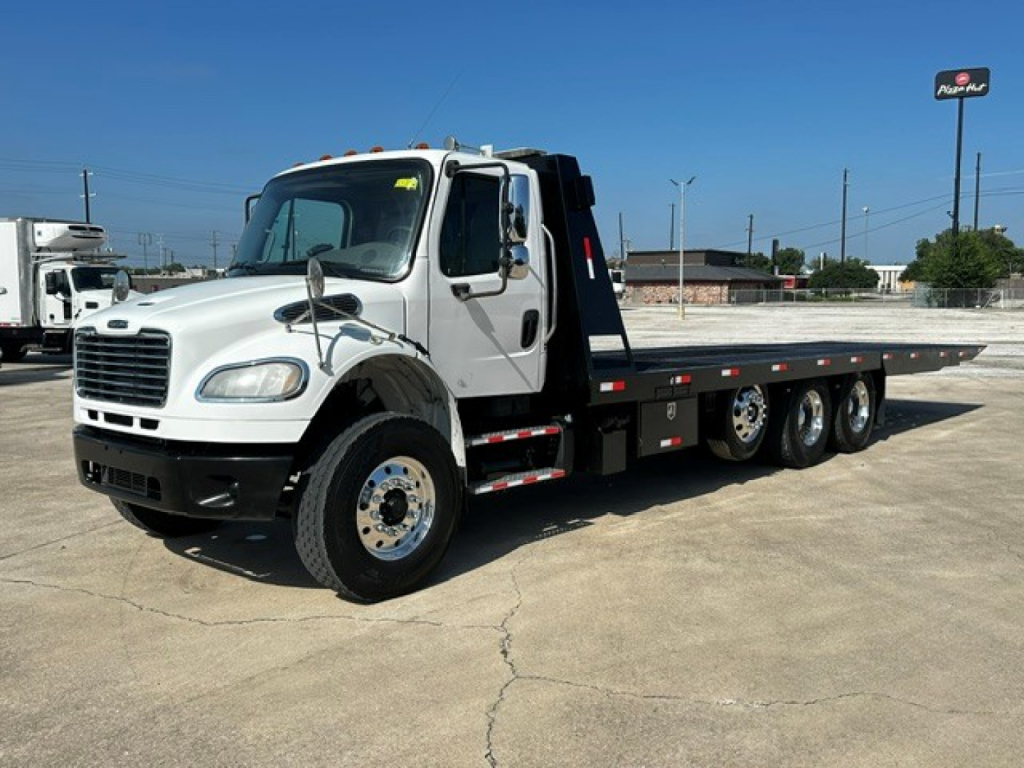
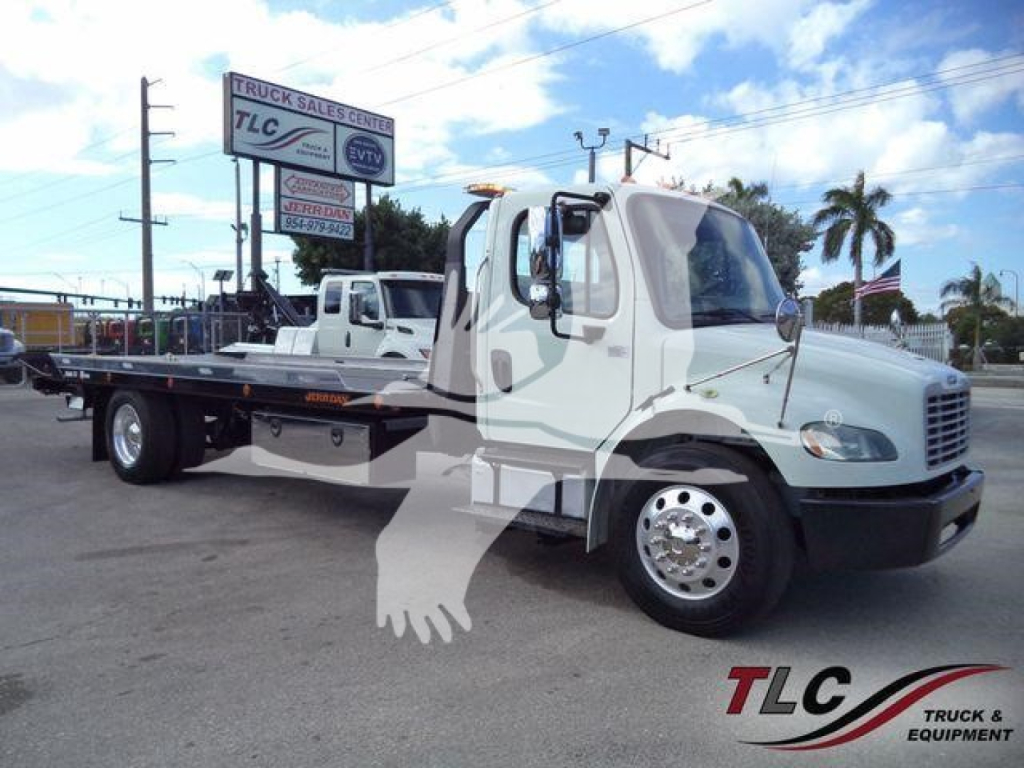
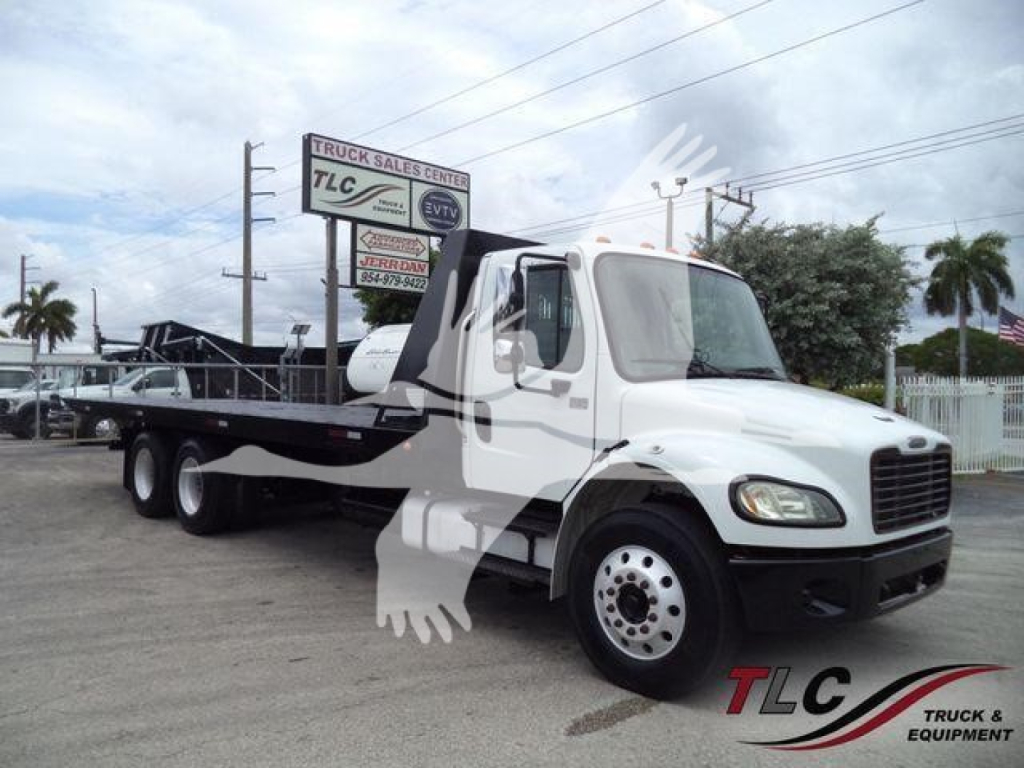
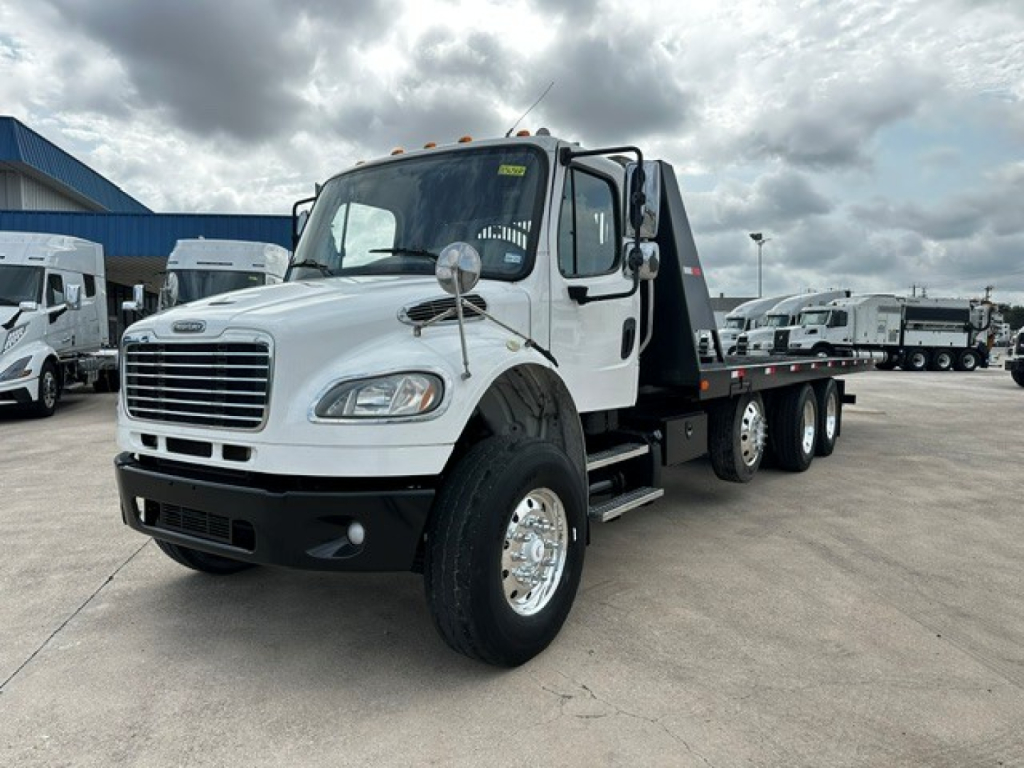
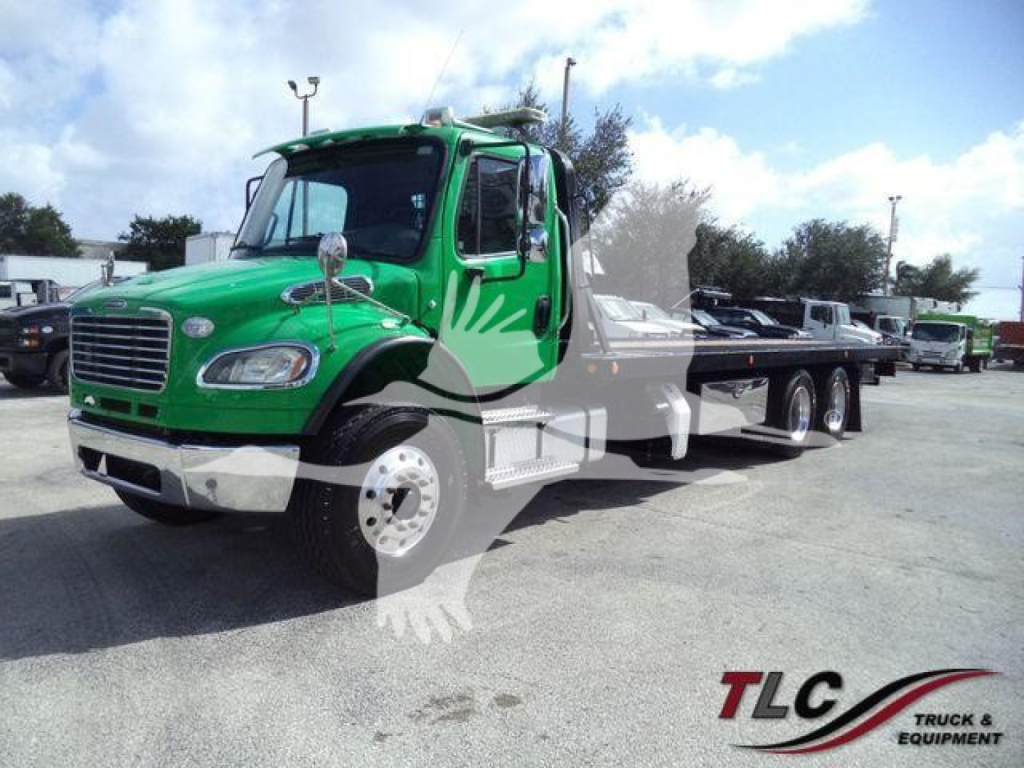
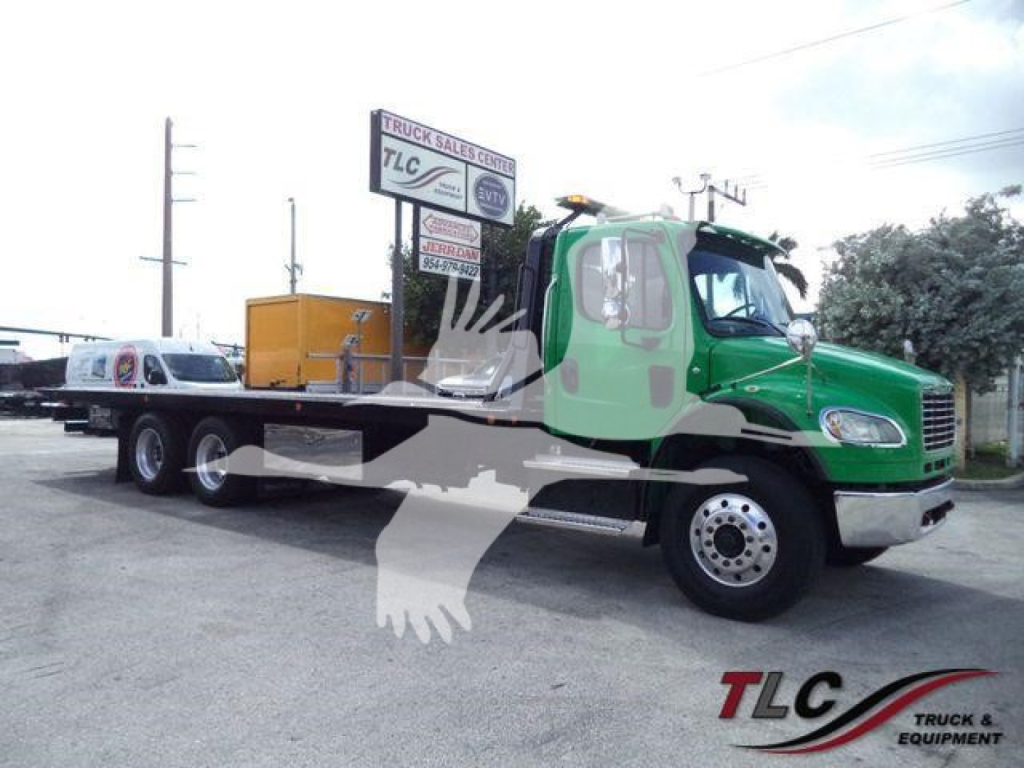
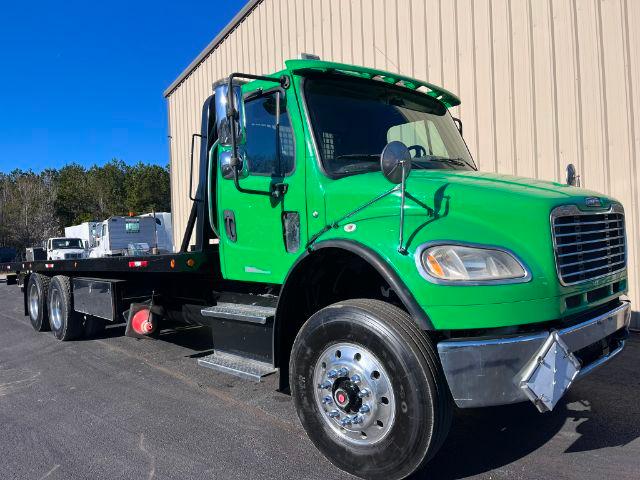
Selling a used freightliner rollback truck? List your used freightliner rollback truck for sale and reach thousands of commercial buyers.
Used Freightliner Rollback Trucks
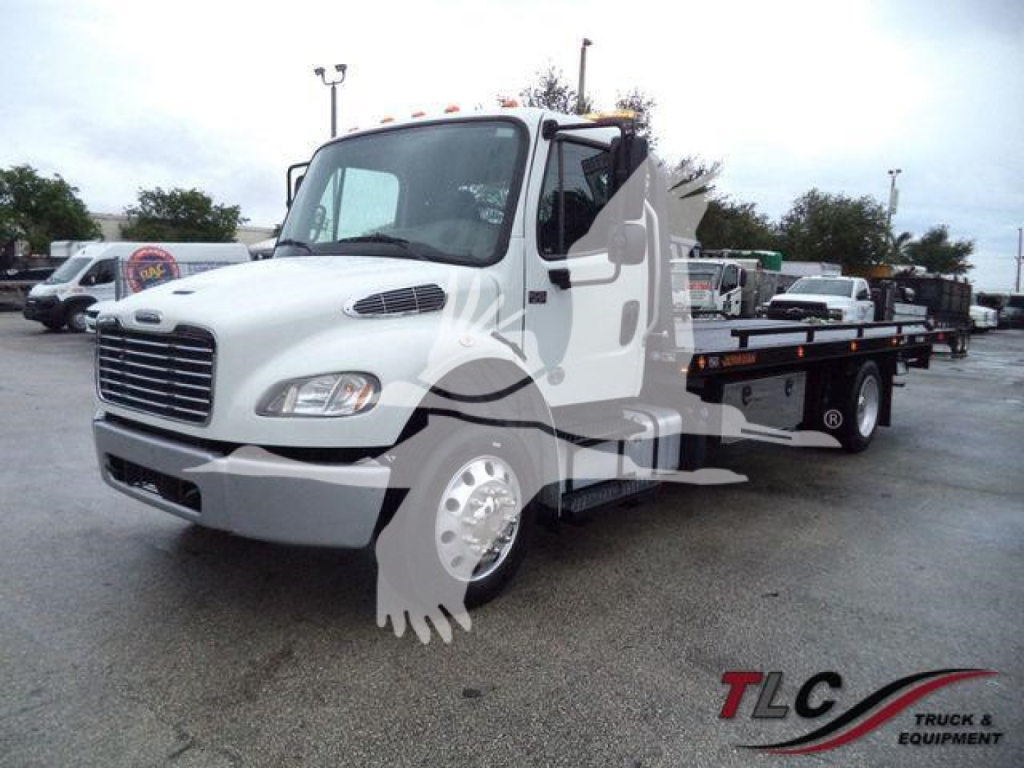
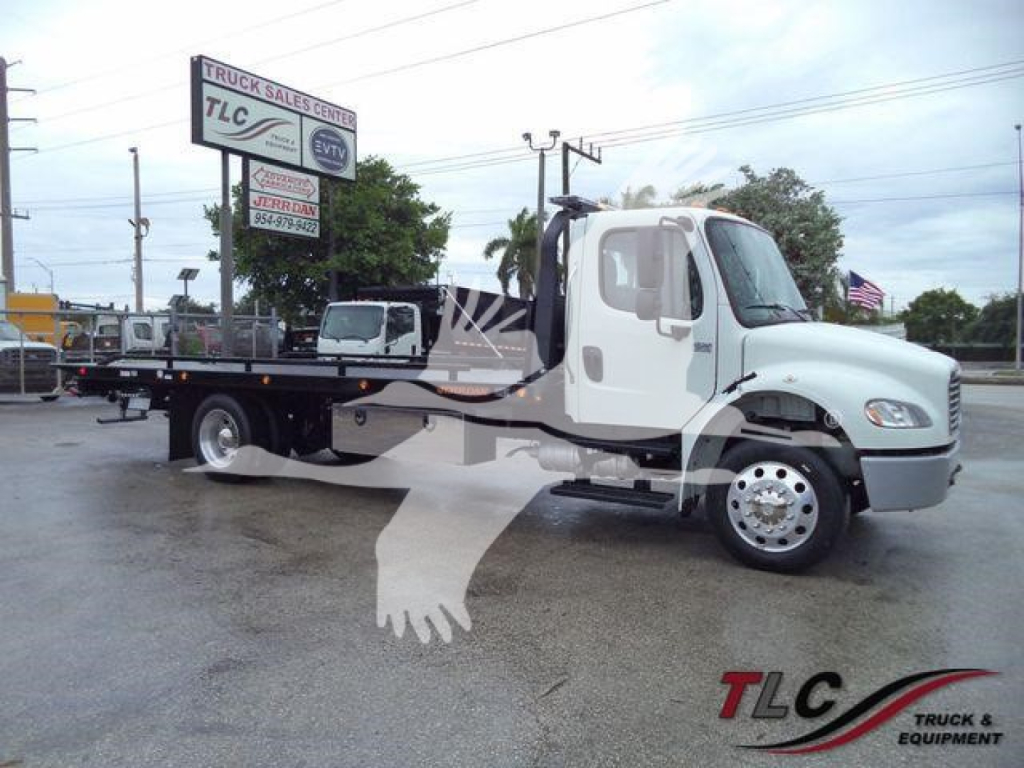
The first decision is usually capacity. Freightliner rollback trucks can be found with bed lengths around 21 to 28 feet, often with deck widths near 102 inches, and bed ratings that range from light auto hauling into true heavy-duty recovery and transport work. Buyers should match bed length and deck rating to the real mix of vehicles or equipment being moved. A longer deck helps with crew cab pickups, vans, and small machinery, while a higher rated carrier is better suited for larger trucks, box vans, and commercial units. Look closely at winch capacity, subframe condition, deck floor wear, hydraulic operation, and whether the body uses a wheel lift or underlift for towing combinations.
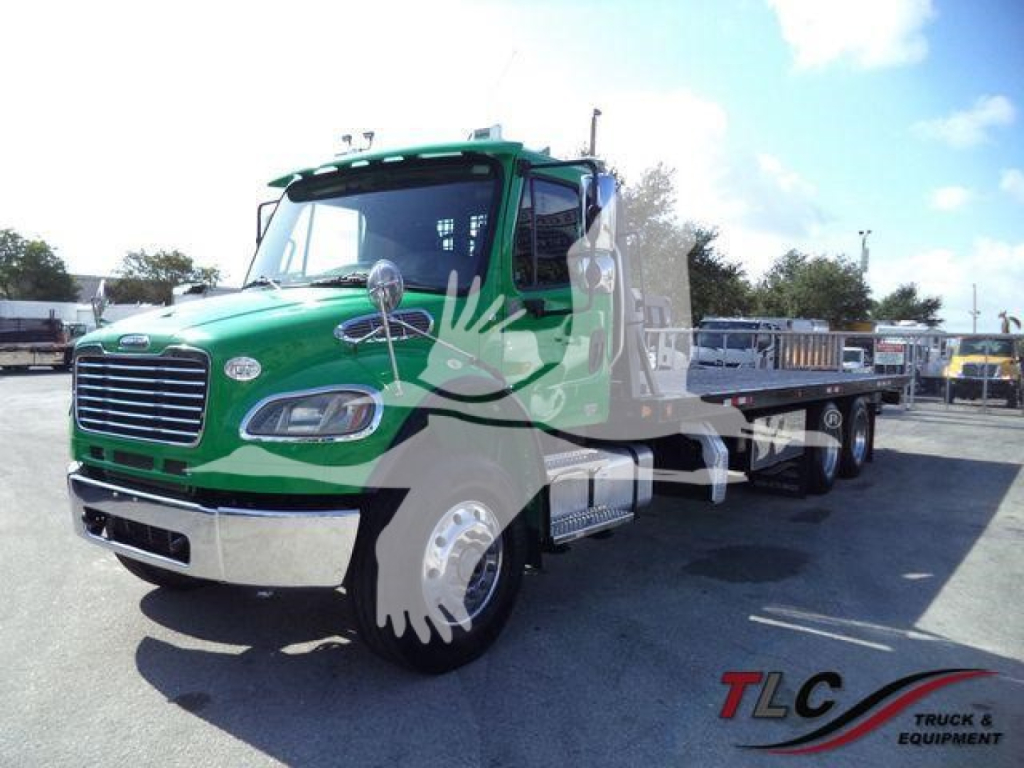
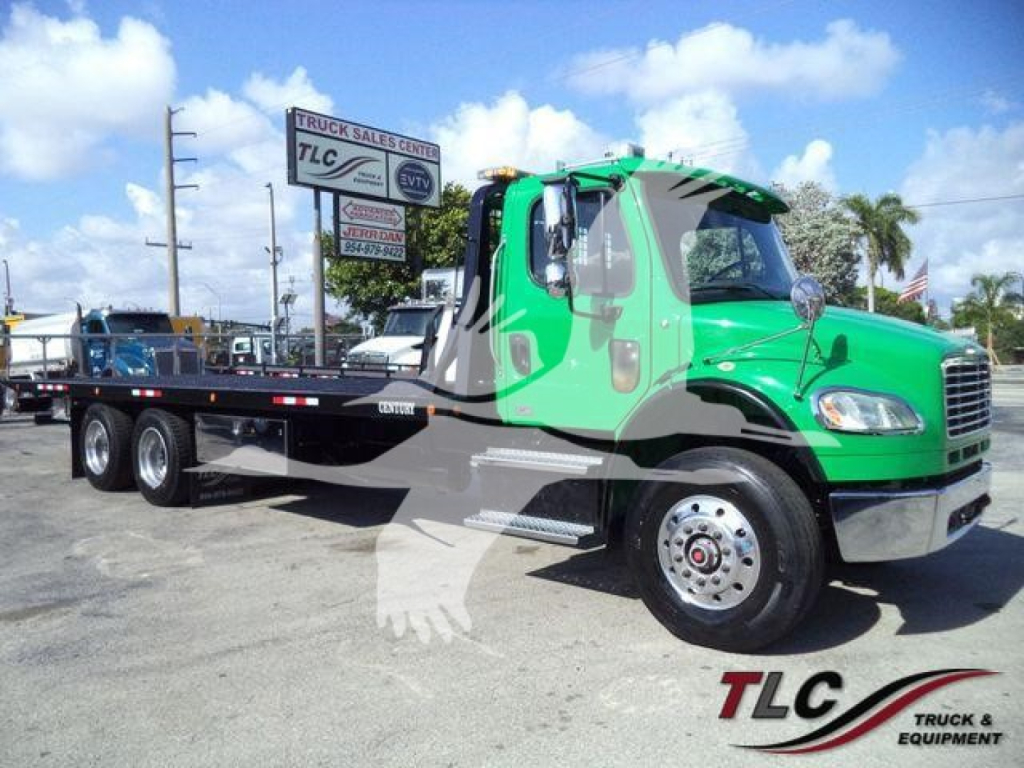
On the chassis side, Freightliner rollbacks are commonly spec'd with Cummins diesel engines and Allison automatic transmissions, a combination many operators prefer for stop-and-go urban work and driver turnover. Front axle and rear axle ratings matter just as much as stated bed capacity because payload, tongue weight, and tool or accessory weight all add up fast. Tandem axle Freightliner rollback trucks are often chosen for higher GVWR applications, while single axle trucks can be a better fit for tighter city work and lower operating cost. Suspension type, rear ratio, brake configuration, and wheelbase all affect how the truck loads, turns, and rides with a vehicle on the deck.
For a used Freightliner rollback, the condition of the carrier body is just as important as the engine and transmission. Check deck cylinders, pivot points, cable or synthetic winch line, crossmembers, scuff areas, tie-down points, controls, lighting, and PTO engagement. Cab condition matters too because these trucks spend long days in traffic and on service calls. Power windows, air ride seats, heated mirrors, and good visibility are not minor items in this class. A well-spec'd Freightliner rollback can serve towing companies, repossession operators, municipal fleets, auctions, rental fleets, and contractors that need to move forklifts, skid steers, or other equipment without stepping up to a lowboy or dedicated trailer.
Frequently Asked Questions about Used Freightliner Rollback Trucks
What is the most common Freightliner rollback truck model?
The Freightliner M2 106 is one of the most common rollback truck chassis because it offers a good balance of maneuverability, cab comfort, service access, and GVWR options. It is widely used for car hauling, light and medium-duty recovery, and equipment transport. Depending on the body and axle setup, an M2-based rollback can be configured for standard vehicle transport or for heavier commercial work.
What should I check first on a used Freightliner rollback truck?
Start with bed rating, axle ratings, and wheelbase because those determine whether the truck can legally and safely do the work you need. After that, inspect the rollback body itself for hydraulic leaks, deck wear, crossmember damage, winch condition, PTO operation, and any signs of frame stress around the carrier installation. On the chassis, pay close attention to engine hours, transmission performance, suspension wear, brake condition, and maintenance records.
Are Freightliner rollback trucks good for equipment hauling as well as vehicle recovery?
Yes, many Freightliner rollback trucks are used for both jobs, especially when equipped with a long steel deck, adequate bed capacity, and a strong winch. They are commonly used to move cars, pickups, vans, forklifts, skid steers, and other compact equipment. The key is to verify deck length, distributed load rating, tie-down setup, and axle capacity so the truck is matched to the weight and dimensions of the equipment being transported.
Is a tandem axle Freightliner rollback better than a single axle?
A tandem axle Freightliner rollback is generally better for higher GVWR, heavier deck ratings, and larger commercial loads because it provides more rear axle capacity and better stability under weight. A single axle rollback can still be the better choice for lighter work, urban routes, tighter turning requirements, and lower operating cost. The better option depends on the payload mix, road conditions, and how often the truck will carry heavy or oversized vehicles.
Why do many buyers prefer a Cummins engine and Allison transmission in a rollback truck?
That combination is popular because it is proven in medium-duty service, widely supported by repair shops, and well suited to stop-and-go towing work. Allison automatics are especially valued in rollback service because they are easy to operate, reduce driver fatigue, and handle frequent loading, backing, and city driving well. Cummins engines are also common across the market, which can help with parts availability and technician familiarity.