
Used Freightliner Rollback Trucks For Sale in Florida
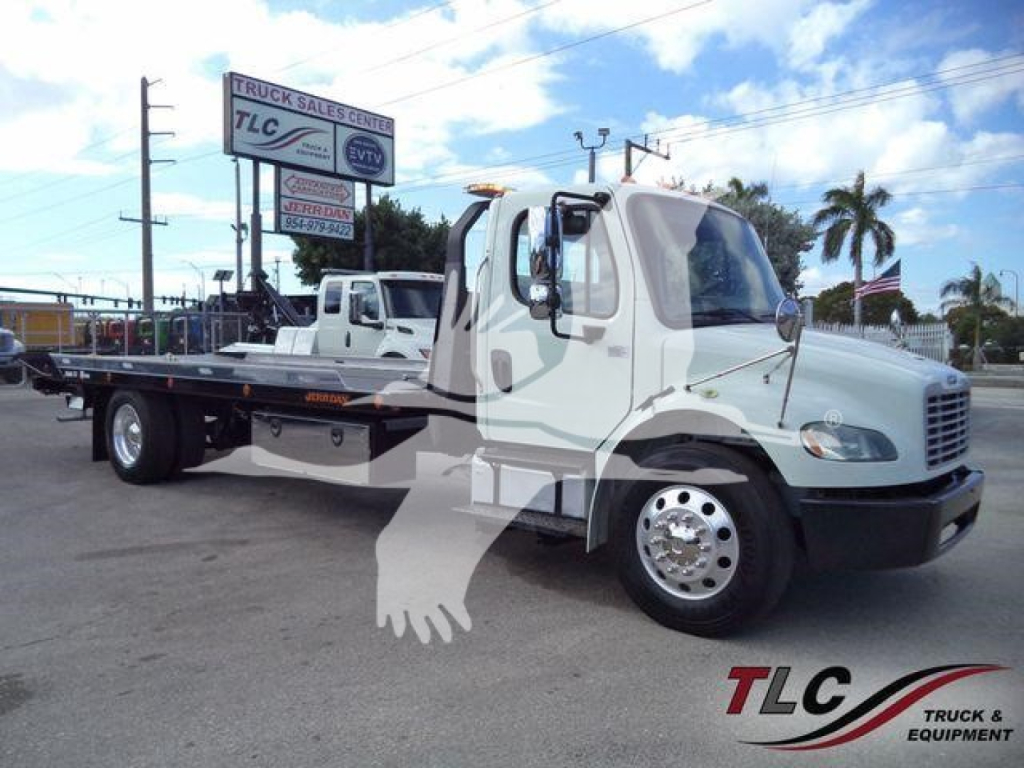
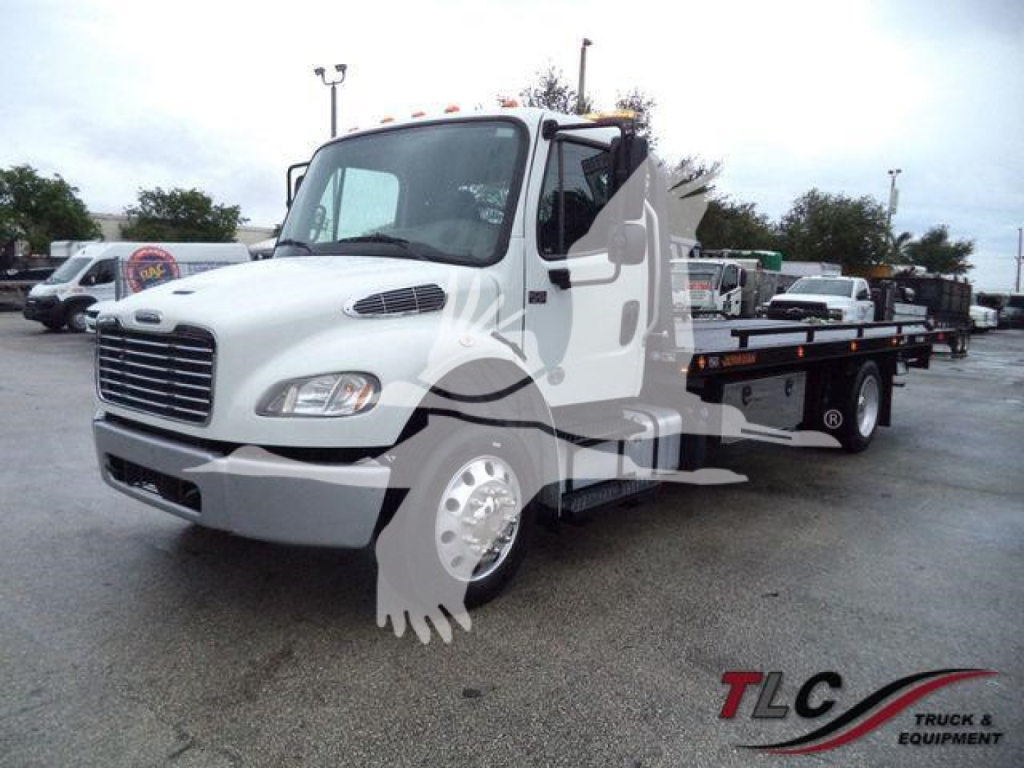
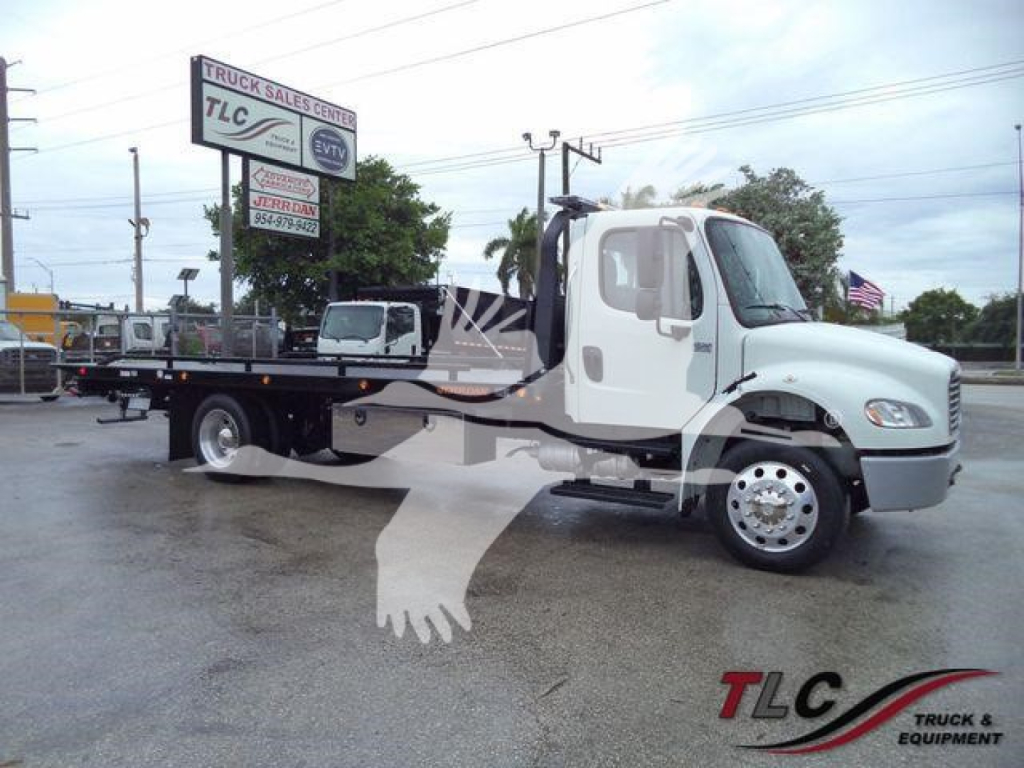
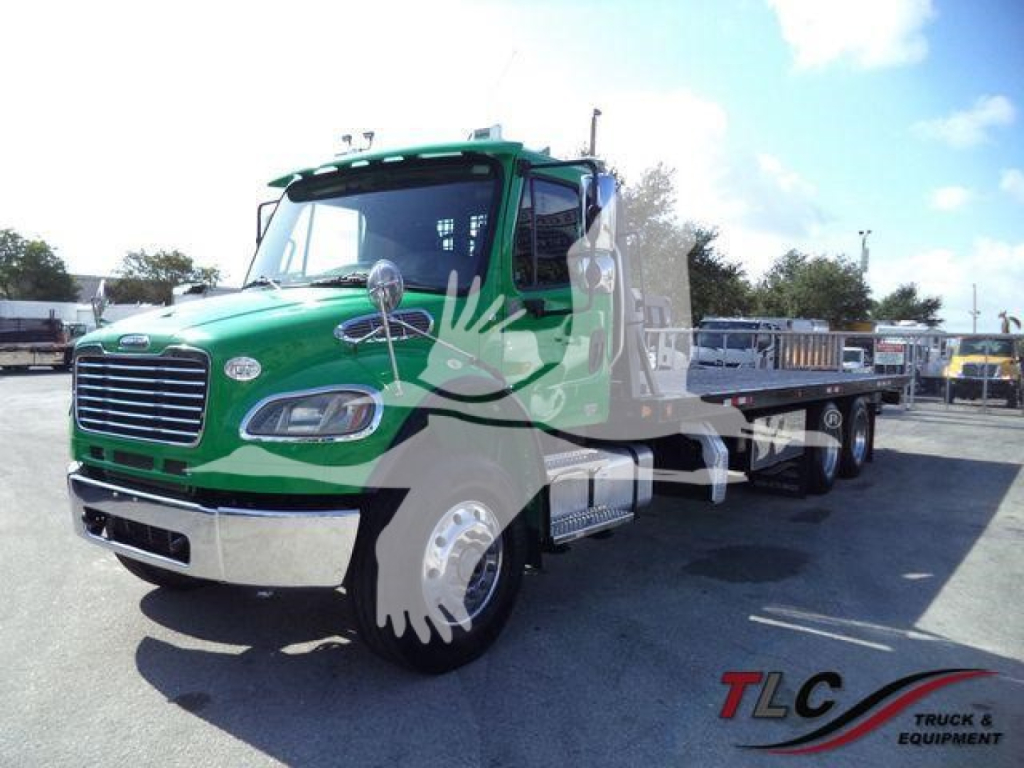
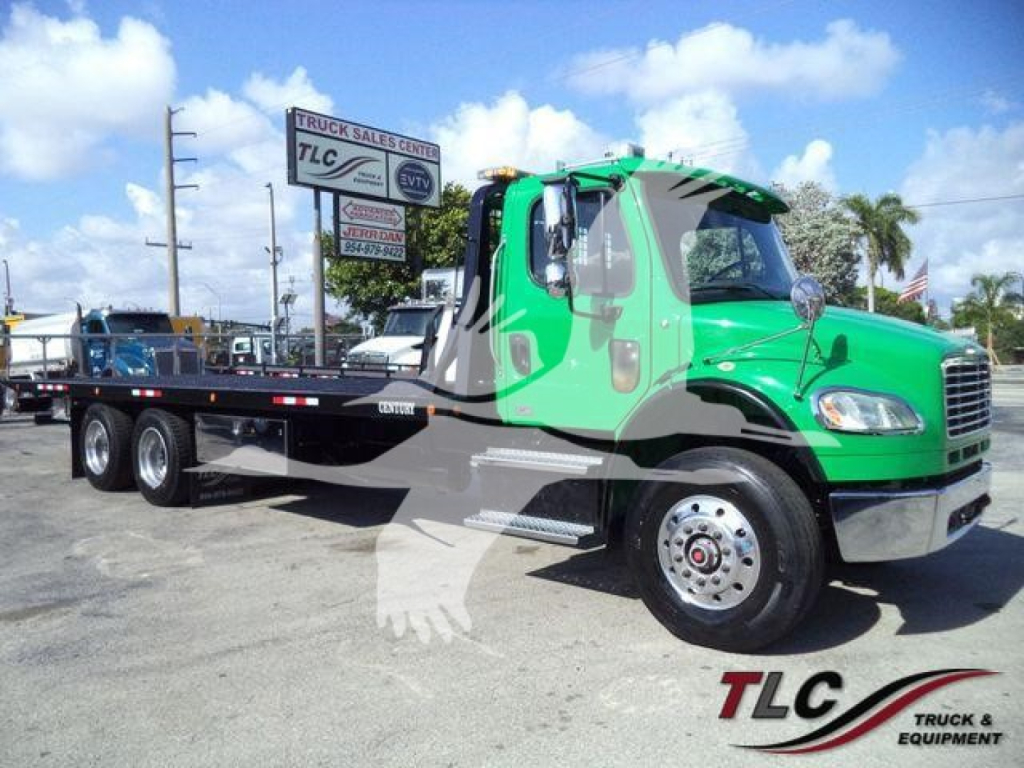
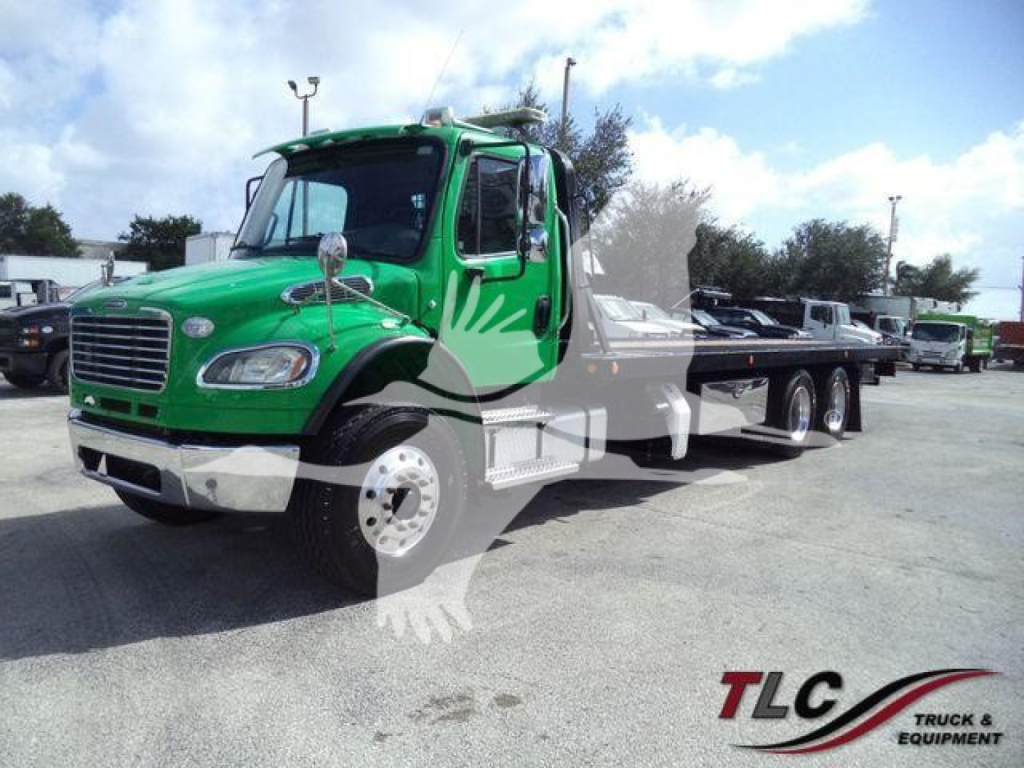
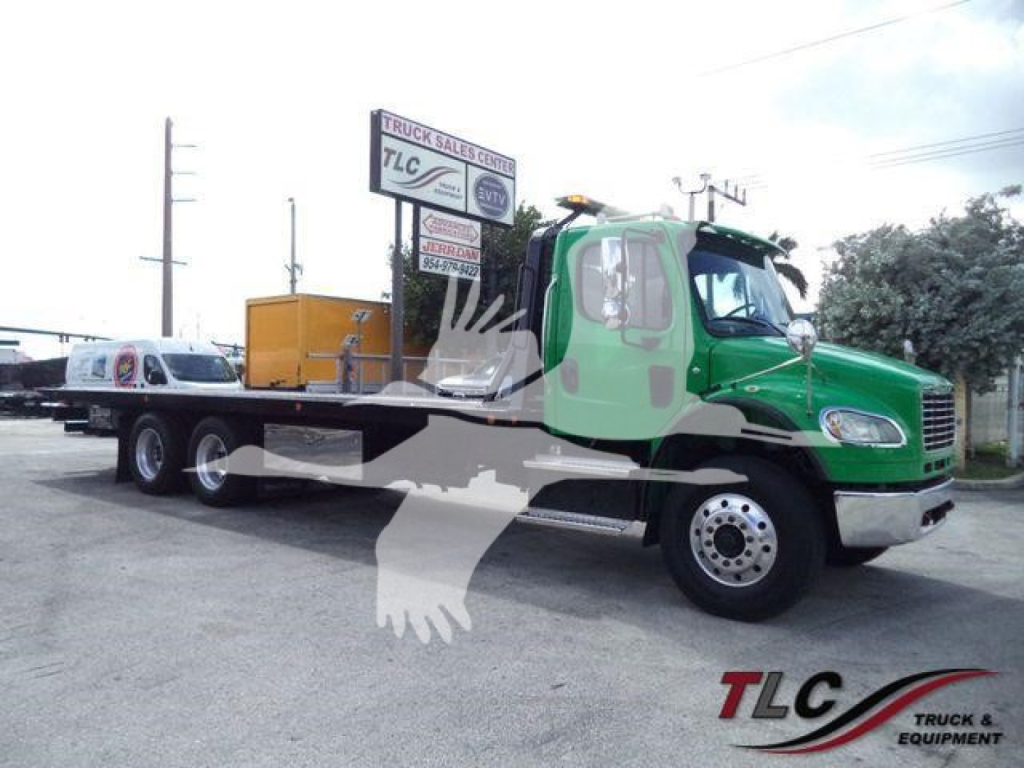
Browse used Freightliner rollback trucks for sale in Florida, including M2 106 carriers with 22 to 28 ft beds, winches, wheel lifts, and air brakes.
Selling a used freightliner rollback truck? List your used freightliner rollback truck for sale and reach thousands of commercial buyers.
Used Freightliner Rollback Trucks in Florida
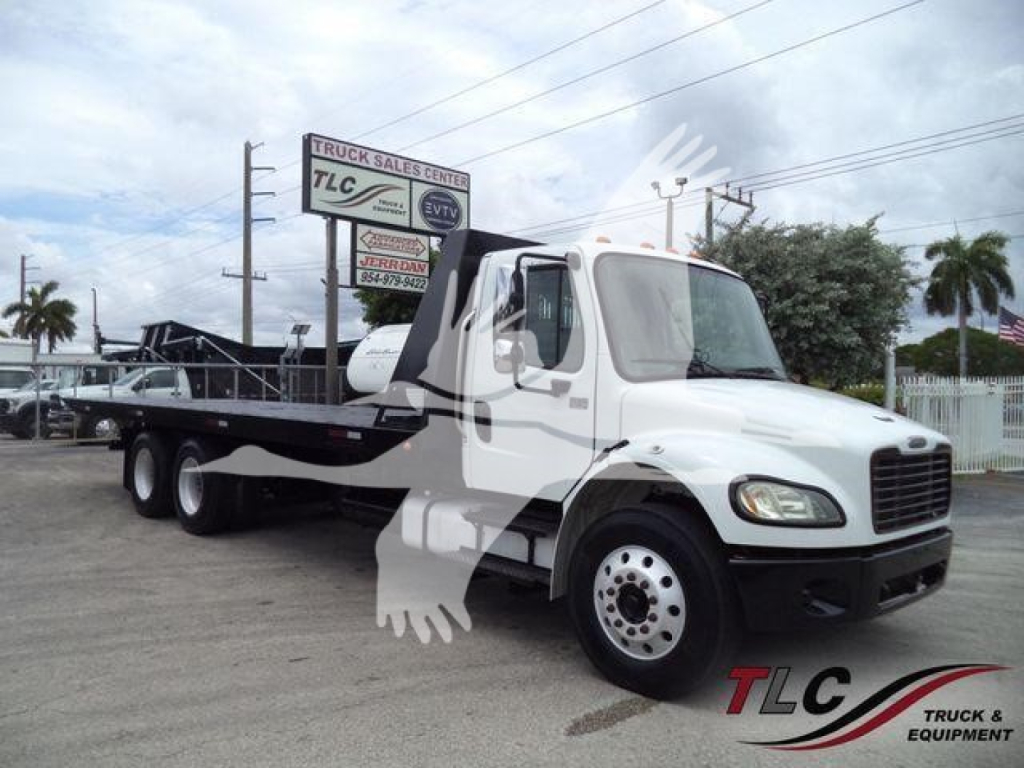
The first decision is usually bed size and capacity. Many used Freightliner rollback trucks in this category carry 22 ft x 102 in steel decks in the 6 ton range, often with low-profile or XLP-style carriers for loading lower-clearance cars more safely. Heavier configurations step up to 28 ft beds and 15 ton decks, typically on tandem axle M2 chassis with 54,000 to 60,000 lb GVWR ratings, double frames, larger front axles, and 40,000 lb rears. Buyers comparing units should look closely at winch rating, wheel lift capacity, deck material, and rear stabilizer setup. An 8,000 lb winch may be adequate for standard passenger vehicle recovery, while 20,000 lb class winches, hydraulic pintle hitches, and dock stabilizers point to more industrial hauling and heavier recovery work.
Chassis spec matters as much as body brand. Used Freightliner rollbacks are commonly powered by Cummins ISB, Cummins ISL, or CAT medium-duty diesels, paired with Allison automatics or manual transmissions depending on age and intended use. Air ride suspension, air ride cabs, engine brakes, differential locks, and aluminum wheels are all useful details that affect ride quality, driver comfort, and jobsite performance. In Florida's stop-and-go towing environment, an automatic with air brakes and a 26,000 lb GVWR single axle setup is often ideal for light-duty carrier work, while tandem axle trucks with higher axle ratings and stronger ratios are better suited for longer beds, heavier payloads, and commercial equipment transport.
Body builders such as Jerr-Dan, Century, and Ledwell are common in this class, and each buyer should inspect the upfit as carefully as the truck itself. Pay attention to hydraulic function, bed slide operation, pylon condition, toolbox integrity, rail setup, chain and strap storage, and wear on the deck surface or subframe. On used rollback trucks in coastal and humid markets like Florida, corrosion around the carrier structure, hydraulic components, wheel-lift assemblies, and electrical connections deserves a hard look. A well-matched Freightliner rollback should have a chassis GVWR, wheelbase, axle ratio, and PTO setup that support the carrier body without compromise. When those specs line up, a used Freightliner rollback truck can serve as a dependable platform for daily towing, dealer transport, repossession, and medium-duty hauling.
Frequently Asked Questions about Used Freightliner Rollback Trucks in Florida
What is the most common Freightliner rollback truck configuration?
The most common setup is a Freightliner Business Class M2 106 with a 22 ft x 102 in rollback body, diesel engine, Allison automatic transmission, air brakes, and a 6 ton carrier deck. This configuration fits light-duty towing, dealer transfers, auction transport, and general car hauling. Heavier tandem axle versions with 28 ft beds and 15 ton decks are available for equipment moves and larger commercial recovery work.
What should I check on a used Freightliner rollback body before buying?
Inspect the bed structure, subframe, hydraulic cylinders, hoses, PTO operation, winch function, wheel-lift assembly, and rear stabilizers. Look for deck damage, bent rails, cracked welds, corrosion, and wiring issues around lights and controls. Toolboxes, chain racks, and tie-down points should also be checked because heavy towing work often shows up first in the carrier equipment rather than in the cab.
Is a single axle or tandem axle Freightliner rollback better?
A single axle Freightliner rollback is usually the better choice for standard vehicle transport, urban towing, and lower operating cost. These trucks are easier to maneuver and commonly rated around 26,000 lb GVWR. A tandem axle rollback is better when the job calls for a 28 ft bed, higher deck capacity, heavier winches, hydraulic hitches, or commercial equipment hauling. The right choice depends on payload, route type, and how often the truck will handle overweight or long-wheelbase loads.
Which engines are common in used Freightliner rollback trucks?
Common engines include the Cummins ISB 6.7L, Cummins ISL 8.9L, and some older CAT medium-duty diesel engines. The ISB is widely used in lighter M2 carrier applications and is known for broad service support. The ISL and larger-displacement engines are more common in heavier rollback and tandem axle builds where higher horsepower, torque, and stronger overall payload capability are needed.
Are low-profile rollback beds worth it on a Freightliner M2?
Low-profile and XLP-style beds are valuable if the truck will regularly load sports cars, lowered vehicles, luxury cars, or units with limited approach clearance. They reduce the loading angle and make it easier to avoid bumper, fascia, and underbody contact. For mixed-use towing fleets, that lower load angle can improve versatility and reduce loading risk without changing the overall usefulness of the Freightliner chassis.