
Used 2002 Freightliner Trucks For Sale
Used 2002 Freightliner trucks overview, models, engines, tare weight, floor strength, thermal integrity and corrosion insights to choose the right unit.
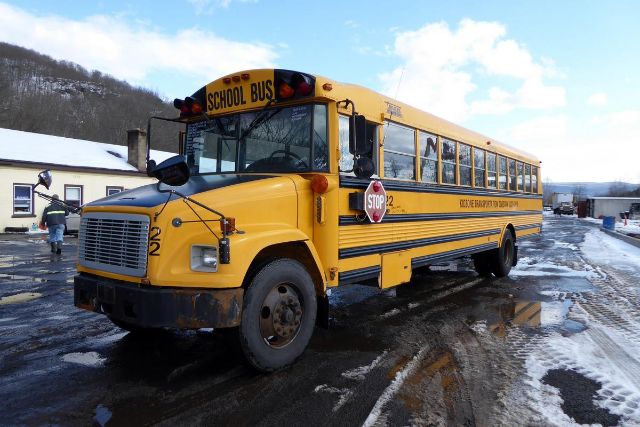
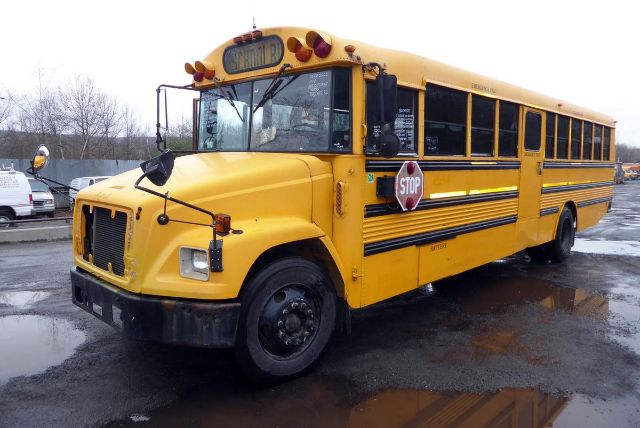
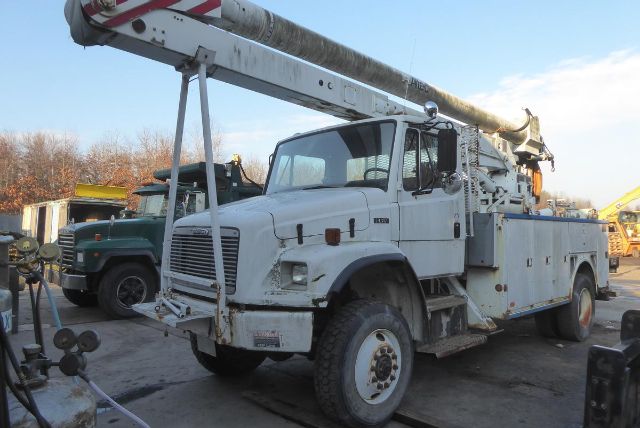
Selling a used 2002 freightliner truck? List your used 2002 freightliner truck for sale and reach thousands of commercial buyers.
Used 2002 Freightliner Trucks
Powertrain choices in 2002 often include Detroit Diesel Series 60, Caterpillar C12 or C15, and Cummins N14 or early ISX, paired to Eaton Fuller 9, 10, 13 or 18 speed manuals, with Allison automatics more common on medium duty. October 2002 brought EGR requirements, so some units are pre EGR, others early EGR, which affects heat load, cooling package capacity, and maintenance cadence. Series 60 and N14 pre EGR units are prized for simplicity and fuel economy, while early ISX or ACERT era Cats demand clean cooling stacks, healthy charge air systems, and vigilant oil analysis. Look for spec alignment with duty cycle, for example 3.55 to 3.90 rears with direct top gear for mixed regional, taller rears with overdrive for linehaul, and verify the engine brake function for downhill control and brake life.
For straight trucks, floor strength dictates how the box handles pallet jacks and forklifts. Aluminum plank with dense crossmember spacing keeps tare weight low, while hardwood plank floors on 12 inch centers raise forklift rating and resist point loads. A true forklift floor typically has 1.25 to 1.5 inch planks or heavy aluminum with threshold plates, plus 10 or 12 inch high scuff liners to protect walls. Thermal integrity matters if the unit is refrigerated, closed cell foam insulation, tight rear door seals, and straight, undelaminated panels preserve box temperature and reduce compressor cycles, which saves fuel. Dry van bodies still benefit from solid door geometry, intact roof bows, and sealed rivet lines to keep dust and moisture out of freight spaces.
Corrosion resistance on a 2002 Freightliner comes down to frame prep, hardware, and region history. Inspect inner frame flanges, suspension hangers, spring perches, and crossmember webs for scaling, and check aluminum cab mounts for galvanic activity where they contact steel brackets. Stainless or plated fasteners, intact undercoating, and unpitted air tanks indicate a cleaner life. Air ride suspensions ride better and protect freight and cabs, but add a small tare weight penalty compared to steel spring, aluminum wheels and hubs claw back weight and help with heat dissipation at brakes. Verify wiring harness integrity at firewall pass throughs and along frame rails, plus ABS leads at the axles, since clean electricals reduce downtime on an older platform.
Frequently Asked Questions about Used 2002 Freightliner Trucks
Which engines are most common in 2002 Freightliner trucks and how do they compare for reliability and fuel burn?
You will typically see Detroit Diesel Series 60, Caterpillar C12 or C15, and Cummins N14 or early ISX. Pre EGR Series 60 and N14 are known for simple emissions systems and steady fuel economy, provided cooling stacks and charge air systems are leak free. Early ISX and ACERT era Cats can run well but require stronger cooling capacity, clean EGR paths where applicable, and disciplined maintenance. Oil analysis, blow by checks, and a smoke test on the CAC are the fastest ways to separate a strong engine from an expensive one.
Are 2002 Freightliner trucks pre emissions or do they have EGR systems?
Both exist in this model year. The EPA 2002 standard took effect for engines built on or after October 1, 2002, so trucks with engines built before that date are usually pre EGR, while later builds use cooled EGR. Confirm by engine dataplate build date and by visual inspection of EGR plumbing and the valve. Cooling system condition becomes more critical on early EGR engines due to higher thermal load.
What should I look for regarding tare weight on a 2002 Freightliner tractor or straight truck?
Tare weight depends on wheelbase, cab type, sleeper size, and body or axle specs. Day cabs with aluminum wheels and air ride typically save several hundred pounds over steel wheel spring ride setups. Sleepers can add 1,200 to 1,800 pounds depending on bunk size and cabinetry. On straight trucks, an aluminum box with aluminum plank floor and composite roof will weigh less than steel framed bodies with hardwood floors, which improves payload but may reduce forklift floor rating if crossmembers are widely spaced.
How do I evaluate floor strength and thermal integrity on a 2002 Freightliner box truck?
Check crossmember spacing, material thickness, and forklift rating on the body data tag. Look for 12 inch or tighter crossmember centers for heavy pallet work, intact threshold plates, and 10 inch or higher scuff liners. For refrigerated bodies, inspect for straight, undelaminated sidewalls, solid door seals, and dry foam cores with no water intrusion. A tight box holds temperature with fewer cycles, which reduces fuel use and wear on the refrigeration unit.
Where are the common corrosion and wiring trouble spots on 2002 Freightliner models?
Focus on frame rail inner flanges, suspension brackets, fifth wheel mounting angles, cab mounts, and battery boxes. Look for bubbling under paint, missing undercoating, and pitted air tanks. On wiring, check the firewall bulkhead, frame rail harness retainers, and ABS sensor leads for chafing. Clean grounds and sealed connectors prevent intermittent faults in lighting, ABS, and engine electronics, which is essential on an older chassis.