
Used Freightliner Truck and Trailer Trucks For Sale
Used Freightliner truck and trailer combos with proven floor strength, thermal integrity, low tare weight, and corrosion-resistant specs.
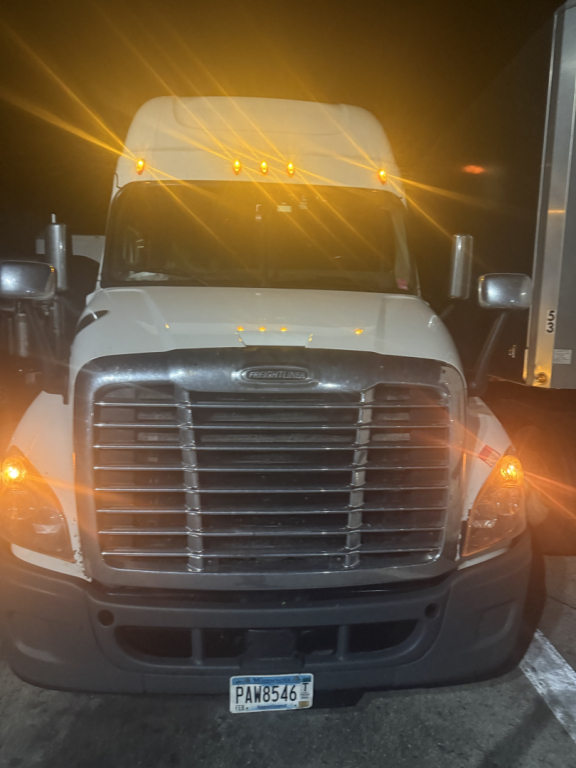
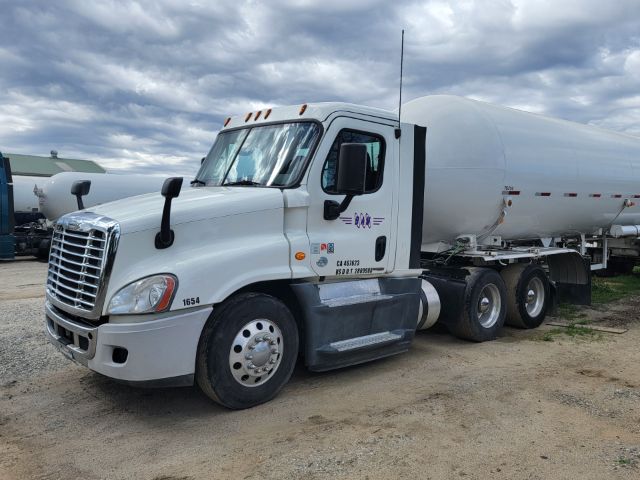
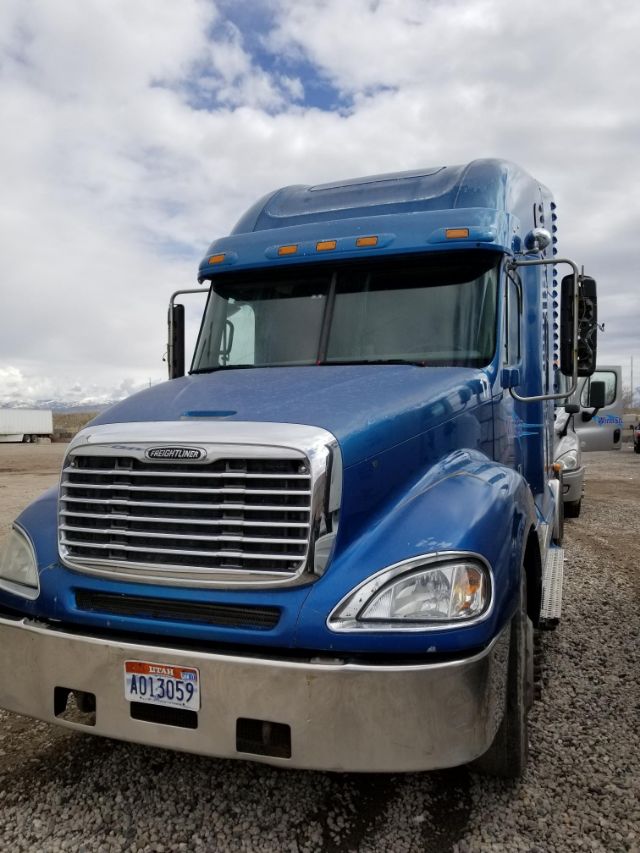
Selling a used freightliner truck and trailer truck? List your used freightliner truck and trailer truck for sale and reach thousands of commercial buyers.
Used Freightliner Truck and Trailer Trucks
Floor strength dictates how the trailer lives under forklifts and pallet jacks. For dry vans, look for laminated oak or composite floors with 12 inch crossmember spacing or closer, rated 18,000 to 24,000 pound forklift, and protected by 12 to 24 inch scuff liners. On reefers, extruded aluminum duct floors disperse point loads while maintaining air return, check for crushed channels and loose fasteners. Flatbeds benefit from apitong hardwood or aluminum decks with strong main beam ratings and dense crossmember spacing; heavier floors add durability but cost payload, lighter floors reduce tare weight but raise the risk of floor deflection and fastener pull through.
Thermal integrity matters whenever temperature control is part of the job. Continuous foam in place insulation, sealed vapor barriers, insulated rear doors and tight bulkhead seals minimize heat gain and unit run time. High R value walls and roof improve product protection but add weight, older trailers can lose performance at panel joints and around penetrations. Inspect for consistent box temperature during a pulldown test, air leaks at door gaskets, cracked corners and moisture intrusion that indicate compromised insulation.
Tare weight and corrosion resistance determine long term cost. Aluminum wheels, wide base singles where legal, lightweight fifth wheels, smaller fuel tanks sized to route length and a 6x2 or tag lift axle can free up hundreds of pounds; the tradeoff is reduced redundancy and potential traction penalties on slick surfaces. Look for e coated or hot dip galvanized components, stainless rear frames, sealed LED lighting and weather tight harnesses, plus undercoated landing gear and crossmembers in salt states. Air ride suspensions protect freight and floors, automatic tire inflation systems maintain casing life, and air disc brakes with coated hardware resist corrosion while shortening stops. Confirm dock height, interior logistics posts, roof condition, and kingpin settings of 24 or 30 inch to balance turning radius with bridge requirements including the 40 foot KPRA rule in California.
Frequently Asked Questions about Used Freightliner Truck and Trailer Trucks
What specs should I prioritize to maximize payload on a used Freightliner truck and trailer?
Focus on tare weight reductions that do not compromise durability. On the tractor, aluminum wheels, a lightweight fifth wheel, a DT12 or Eaton automated manual, optimized fuel capacity and a 6x2 or liftable axle save weight. On the trailer, aluminum wheels, lighter roof and side panels and balanced crossmember spacing help. Verify the tradeoff between lightweight floors and forklift rating, and ensure suspension, kingpin setting and tandem slide still meet bridge and axle weight limits for your lanes.
How can I evaluate trailer floor strength before buying?
Check the forklift rating on the data plate and confirm crossmember spacing, 12 inch or tighter is stronger. Inspect for soft spots, loose or pulled floor screws, and corrosion at crossmembers and side rails. Look for scuff liners at least 12 inches high to protect walls, and examine duct or aluminum floors in reefers for crushed channels. A strong floor usually has laminated hardwood or heavy duty composite, tight crossmember spacing and intact thresholds and rear frame welds.
What defines good thermal integrity in a used reefer trailer?
High performing boxes have continuous foam in place insulation, sealed vapor barriers, tight door gaskets and properly sealed penetrations. Thicker panels and insulated roofs improve R value but add weight, so confirm the balance you need. Run a pulldown test to confirm temperature stability, check for moisture staining or delamination, examine bulkhead seals and verify drains, vents and floor channels are clear to maintain even airflow and minimize unit runtime.
Which corrosion resistant features matter most on tractors and trailers?
Look for e coated frames and components on the tractor, aluminum cab structures, stainless hardware and sealed electrical connectors. On the trailer, hot dip galvanized crossmembers, stainless rear frames, composite sills, undercoating on landing gear and axles, and sealed LED lighting reduce corrosion risk. In salt regions, confirm previous wash practices and check fasteners, suspension hangers and the rear impact guard for rust or zinc loss.
How do kingpin setting and wheelbase affect route legality and maneuverability?
A 24 inch kingpin improves turning but can tighten bridge measurements, a 30 inch kingpin increases swing clearance but can reduce maneuverability. Tractor wheelbase and fifth wheel position interact with the trailer slider to meet bridge laws, including the 40 foot kingpin to rear axle rule in California. Verify your typical tandem slide positions, dock approach angles and turning radii, and match the kingpin setting and wheelbase to your heaviest lanes and most restrictive customers.