
Freightliner Truck and Trailer Trucks For Sale
Freightliner truck and trailer combinations optimized for payload, tare weight, floor strength, thermal integrity, corrosion resistance, and lifespan.
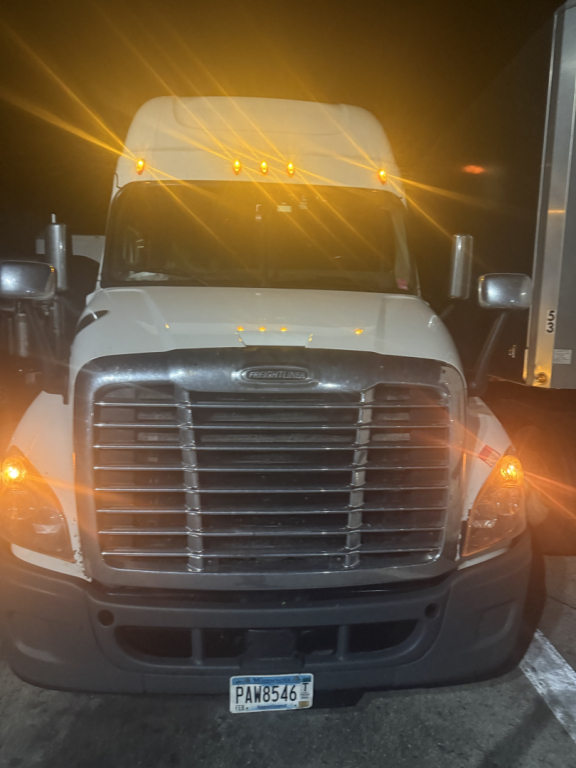
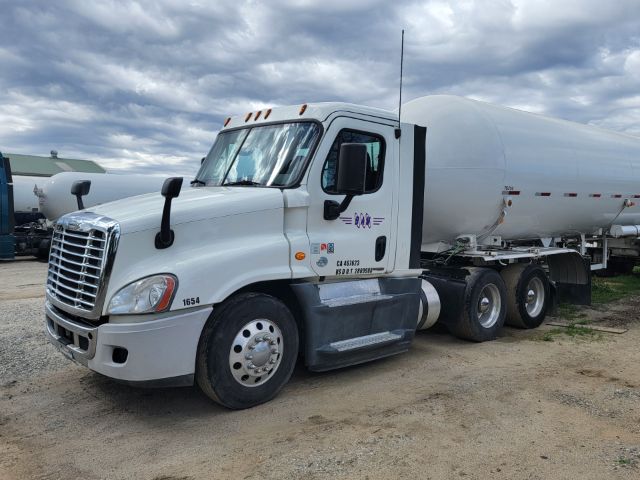
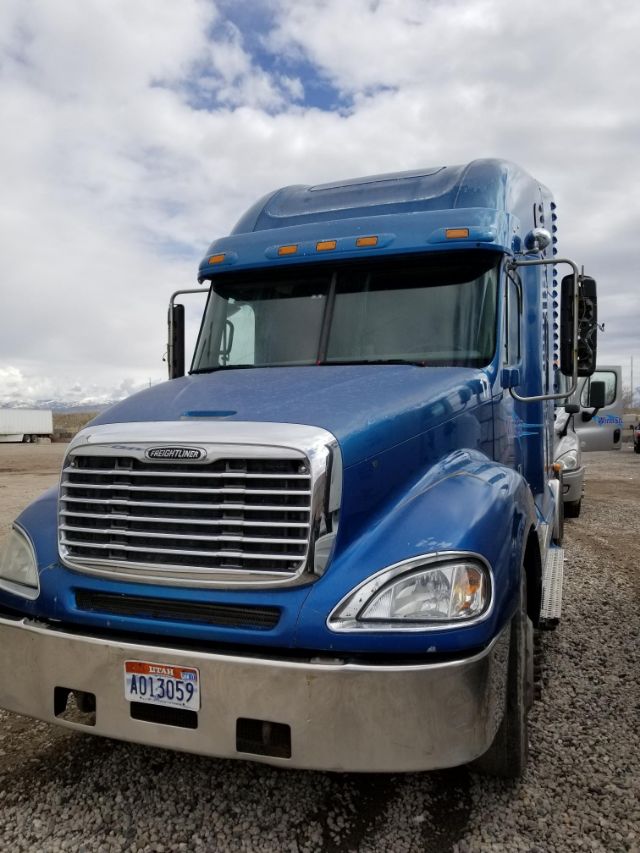
Selling a freightliner truck and trailer truck? List your freightliner truck and trailer truck for sale and reach thousands of commercial buyers.
Freightliner Truck and Trailer Trucks
Spec choices on the tractor side drive payload and longevity. Tare weight can be trimmed with aluminum wheels and hubs, wide base singles where appropriate, air disc brakes with lightweight calipers, and 6x2 or liftable tag configurations; each has trade offs in traction and brake service cost that should be weighed against your routes. Corrosion protection is strong with e coated frames, aluminum cabs, sealed connectors, and stainless hardware on high splash areas; look for undercoating on crossmembers and powder coated components in the battery box and DEF enclosure. Fifth wheel height and slide travel must match typical trailer kingpin settings to maintain clearance to fairings and achieve legal axle splits.
Trailer selection finishes the performance picture. For dry vans, floor strength depends on crossmember spacing and deck material, 12 inch on center spacing and 1.25 inch laminated hardwood floors support heavy forklift traffic and concentrated loads, while 24 inch spacing saves weight for lighter cube freight. Scuff liners, 12 to 24 inches in HDPE, plywood, or aluminum, protect sidewalls; logistics posts and e track add flexibility without cutting into wall structure. Flatbeds with apitong or composite decks and coil packages handle point loads; aluminum combos reduce tare and resist corrosion. Typical 53 foot dry vans run 12,500 to 14,000 pounds, reefers 13,500 to 16,000 pounds, so a well trimmed sleeper tractor can keep a combination under key weight thresholds for higher net payload.
Thermal integrity is the make or break factor for reefer trailers. Closed cell foam in place insulation with tight panel joints, sealed nailers, and stainless rear frame components preserve R value and reduce thermal bridging. Inspect door gaskets, hinges, and lock rods, check for intact T floor extrusions, air chutes, and bulkheads that maintain even return air; small air leaks drive hours and fuel consumption. Corrosion resistance in the trailer subframe matters as much as the box, galvanized or hot dip components, stainless rear corners, sealed harnesses with molded connectors, and aluminum roof and side sheets hold up to salt. Look for tire inflation systems on the trailer and the tractor, ABS and roll stability compatibility, and a landing gear height that matches the fifth wheel to avoid high kingpin angles and uneven tire wear.
Frequently Asked Questions about Freightliner Truck and Trailer Trucks
Which Freightliner tractor models pair best with a 53 foot trailer for over the road use?
Cascadia sleeper and day cab variants are the standard for 53 foot dry van and reefer work. A DD13 for regional or lighter GCWs and a DD15 or Cummins X15 for long grades and higher average weights, combined with a DT12 or Eaton automated manual, let you fine tune cruise RPM and hill performance. Aim for a fifth wheel height that matches the trailer plate, typically 47 to 50 inches, and enough slide travel to trim axle weights with common kingpin settings without compromising fairing clearance.
How can I evaluate trailer floor strength in a truck and trailer combination sale?
Check crossmember spacing first, 12 inch on center with deep formed or I beam members supports heavy forklift axle loads, while 24 inch spacing suits lighter freight and reduces tare. Look for 1.25 inch laminated hardwood or heavy composite floors, additional outrigger supports at the sidewalls, and reinforcement at dock plate impact zones. Scuff liners and logistics posts protect the wall to floor interface, and for flatbeds, confirm apitong thickness, coil bunks, and tiedown ratings that match your commodity.
What defines good thermal integrity on a used reefer trailer?
Consistent insulation and tight seals are key. Foam in place insulated panels with intact joints, a straight and stainless rear frame, and undamaged side doors reduce thermal bridging. Verify door gasket compression, hinge alignment, and that return air chutes and bulkheads are present and secured to prevent short cycling. Inspect for previous wall or floor repairs that could compromise insulation, then review engine hours versus box age to gauge how hard the unit has worked to hold temperature.
How much does tare weight vary, and which specs cut the most weight without sacrificing durability?
A modern sleeper tractor can range from about 17,500 to over 20,000 pounds before fuel, depending on axle configuration, wheels, tanks, and brakes. A 53 foot dry van can vary 1,500 to 2,000 pounds between heavy duty and lightweight builds. Common reductions come from aluminum wheels and hubs, smaller dual fuel tanks sized to the route, wide base singles where allowed, optimized air suspension components, and composite aero parts. Balance these with duty cycle needs, for example disc brakes add some weight but improve stopping and maintenance consistency.
What corrosion protection features add long term value on a Freightliner truck and matching trailer?
On the tractor, look for e coated frame rails and crossmembers, sealed harness connectors, stainless fasteners in high splash areas, powder coated battery and DEF enclosures, and aluminum cab and fuel tanks. On the trailer, galvanized or hot dip subframes, stainless rear corners and lock rods, sealed LED lighting with molded main harness, and aluminum roof and side skins extend service life. Verify proper drain paths in reefers and intact undercoating to prevent trapped moisture that accelerates corrosion.