
Used Freightliner Trucks For Sale in Florida
Used Freightliner trucks in Florida, from Cascadia sleepers to M2 box trucks, focusing on tare weight, floor strength, cooling, and corrosion control.
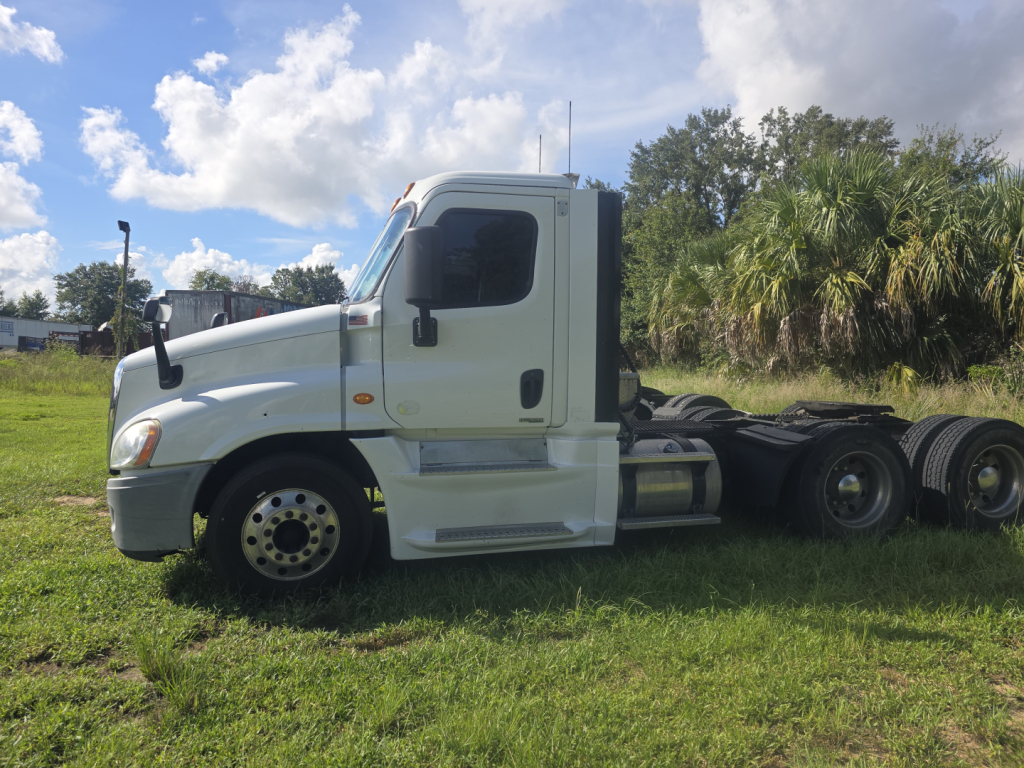
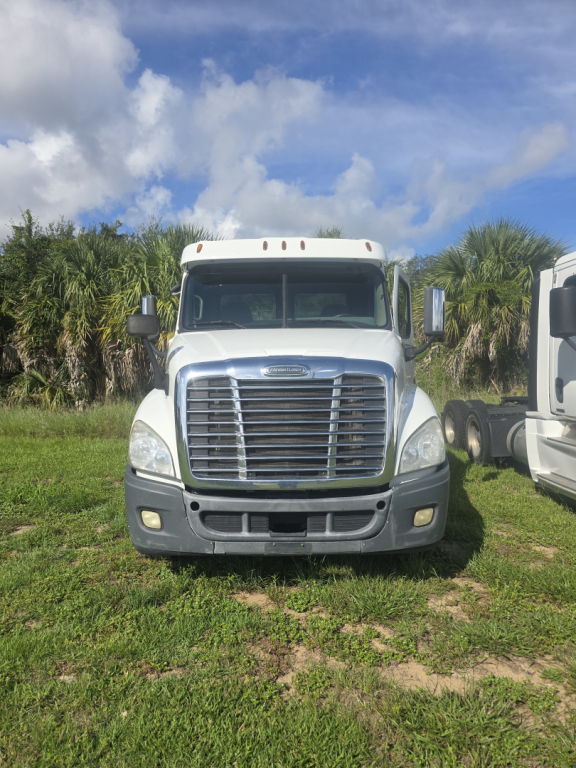
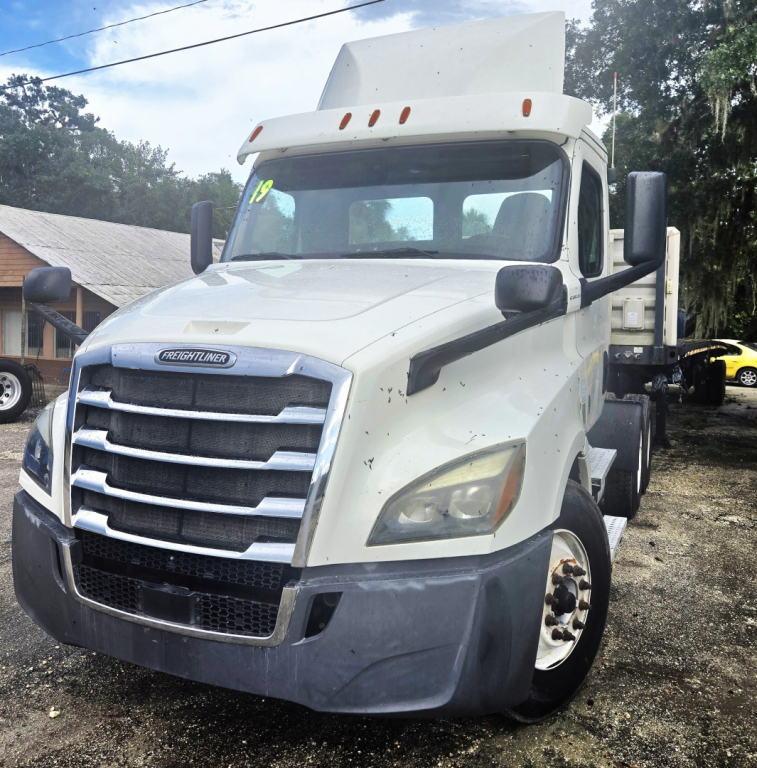
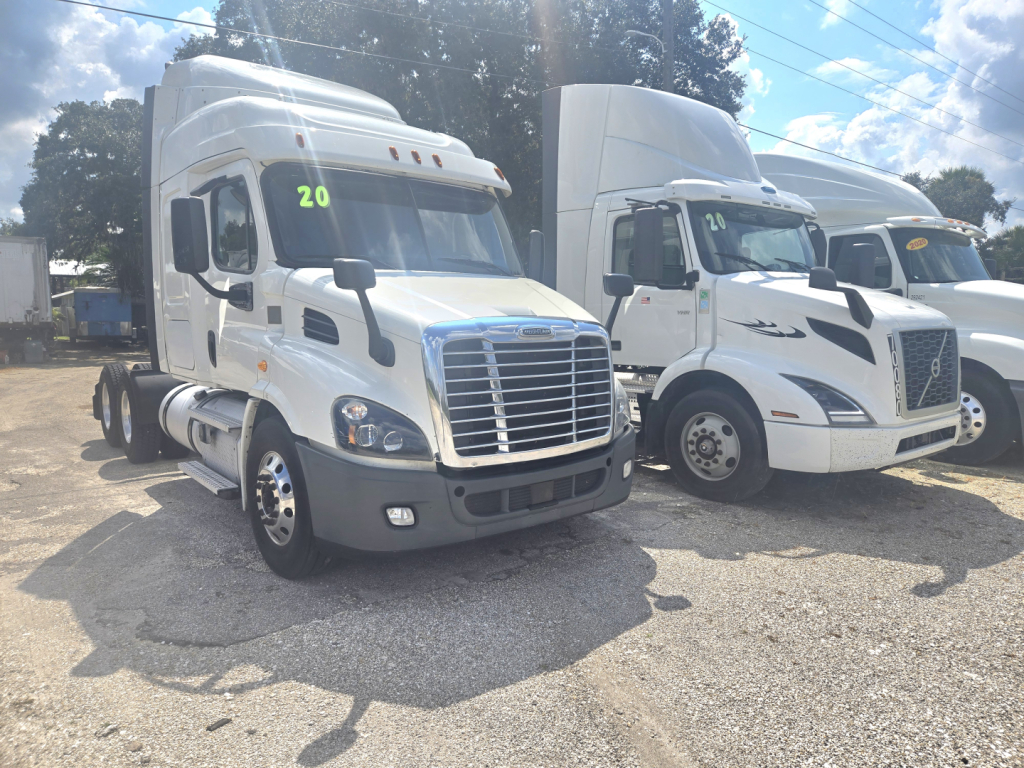
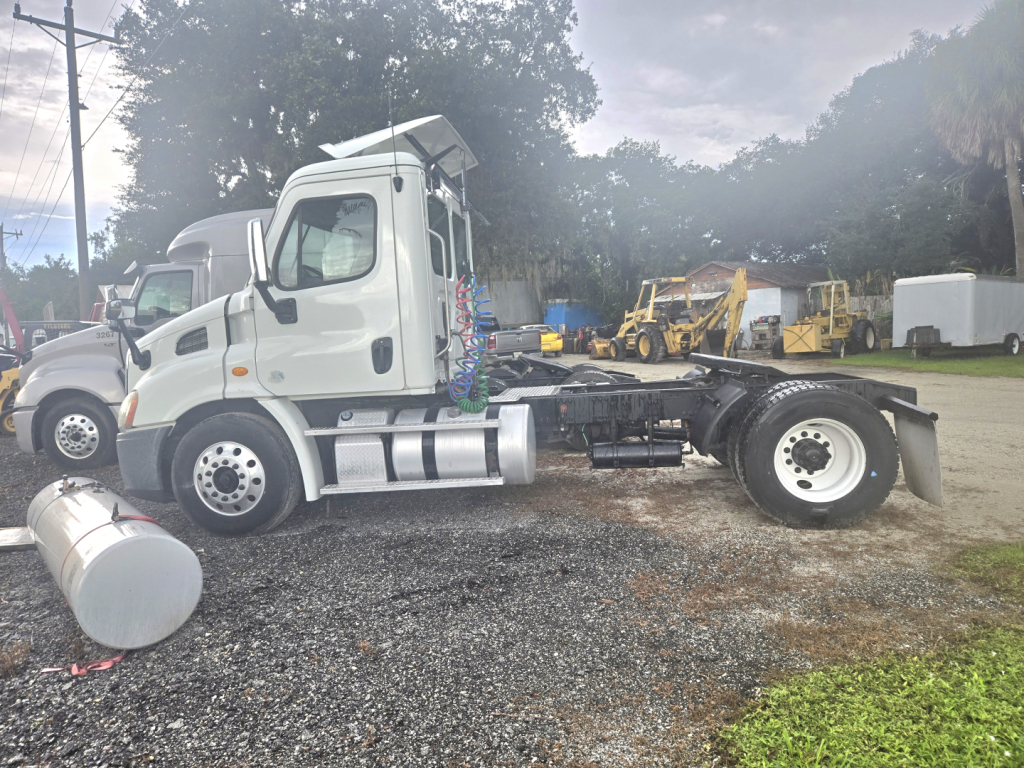
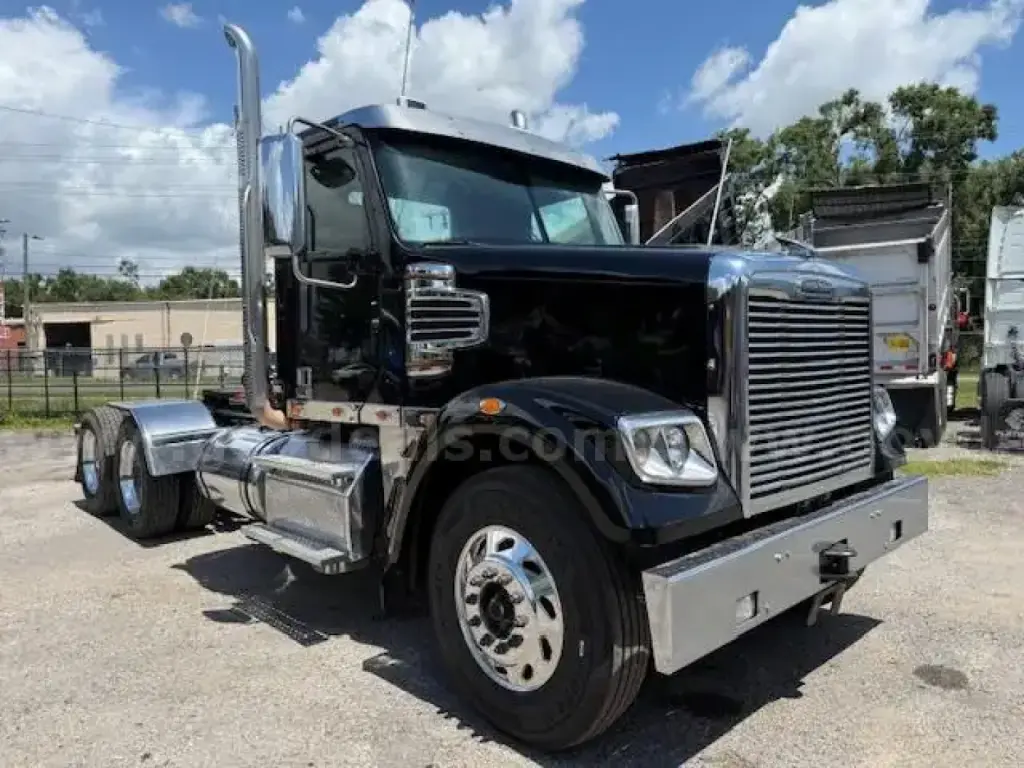
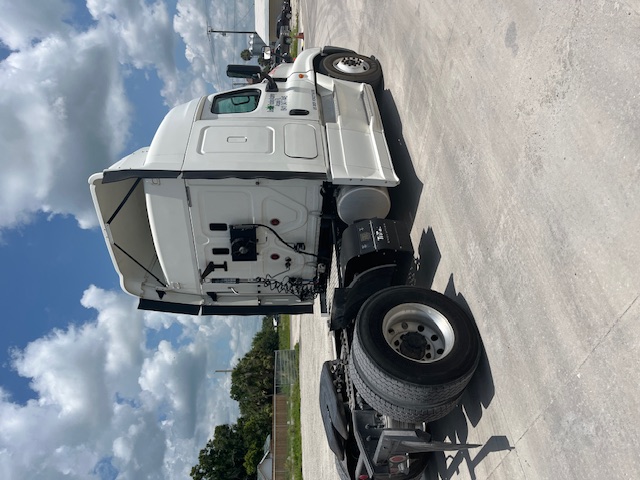
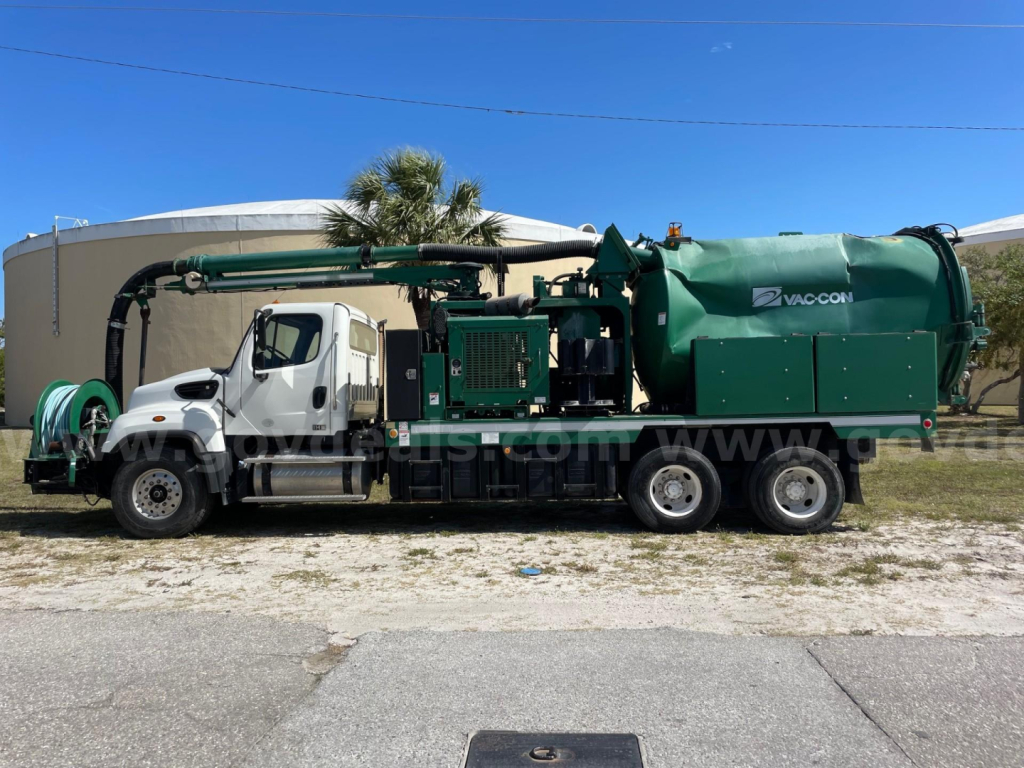
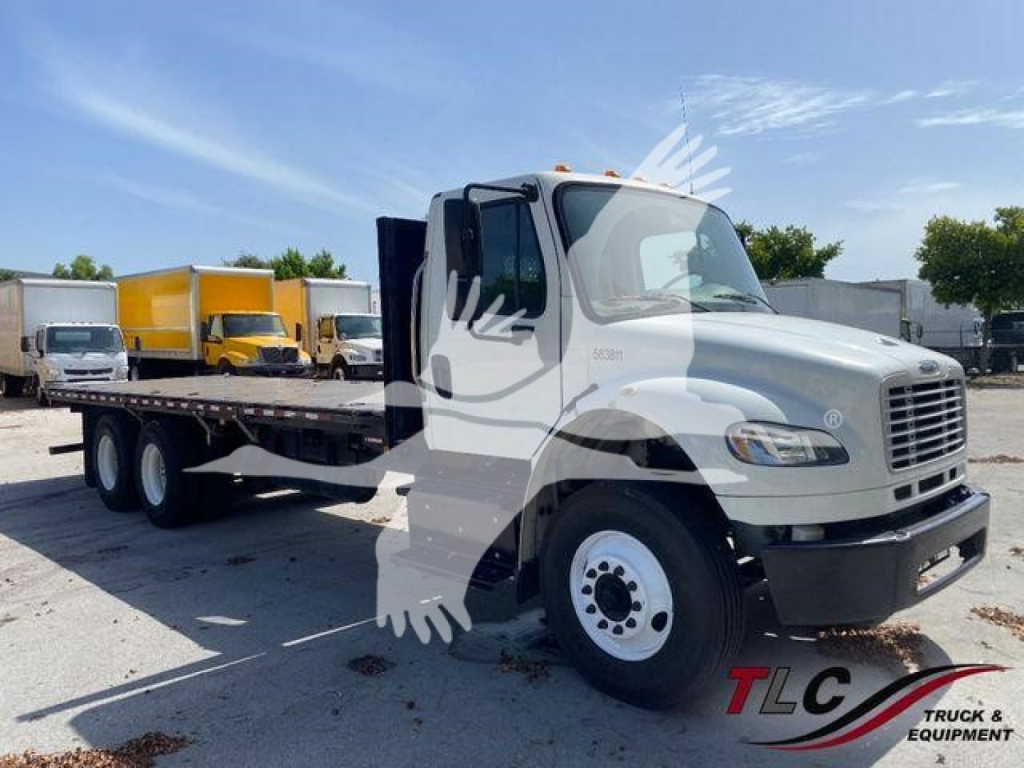
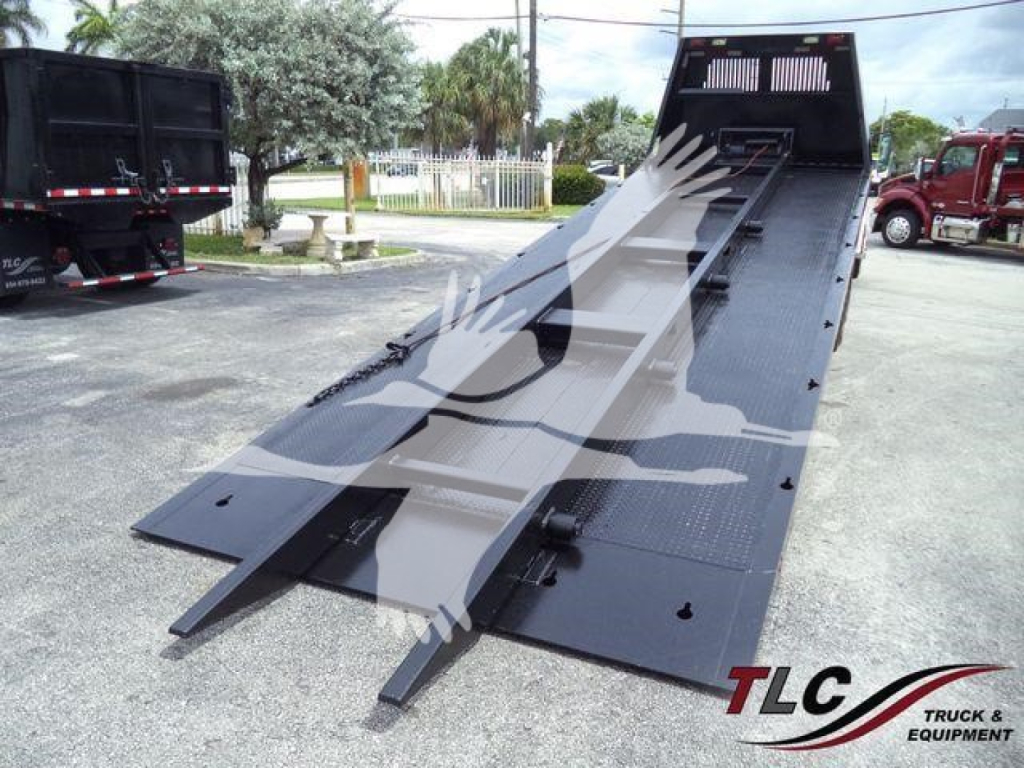
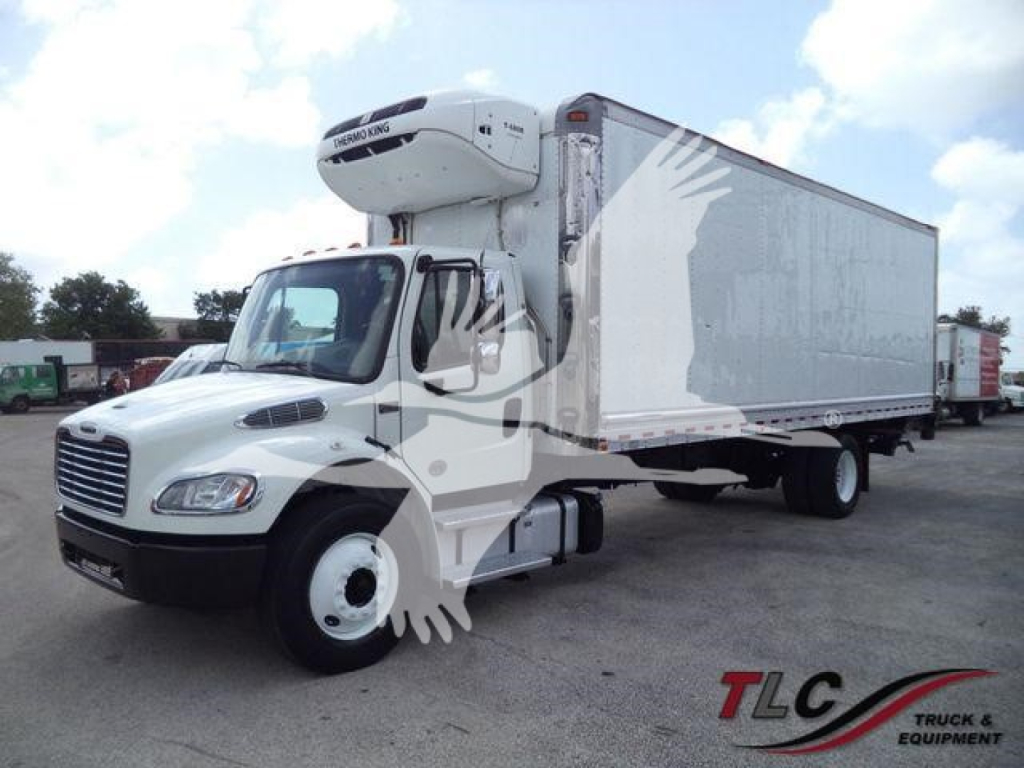
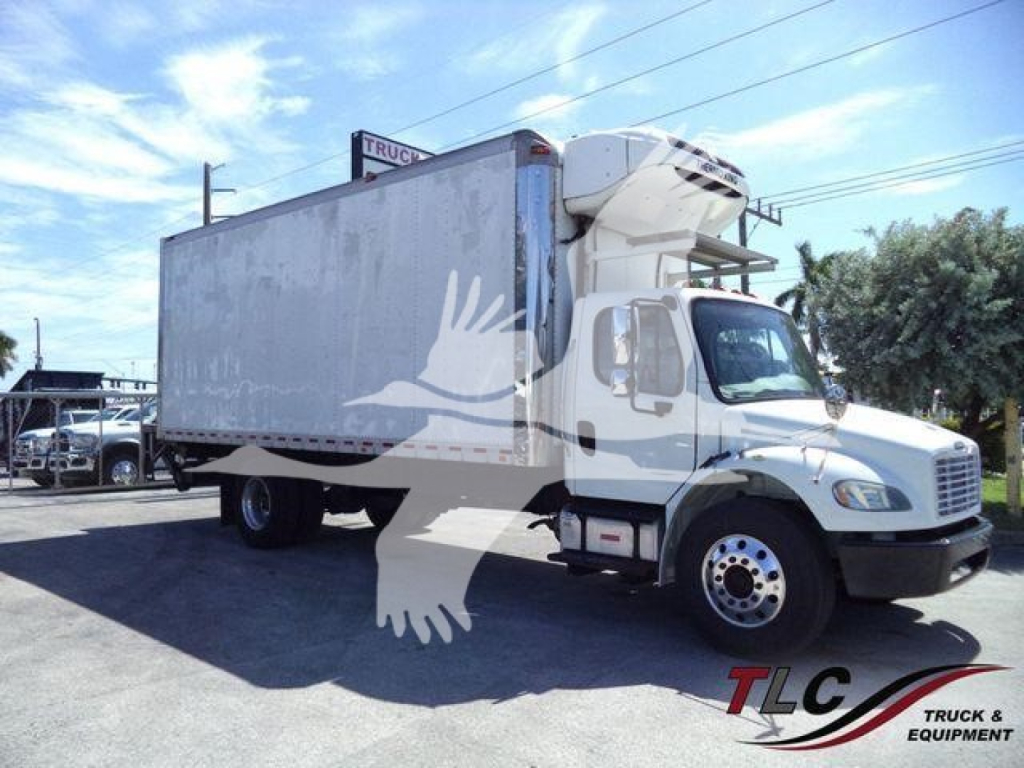
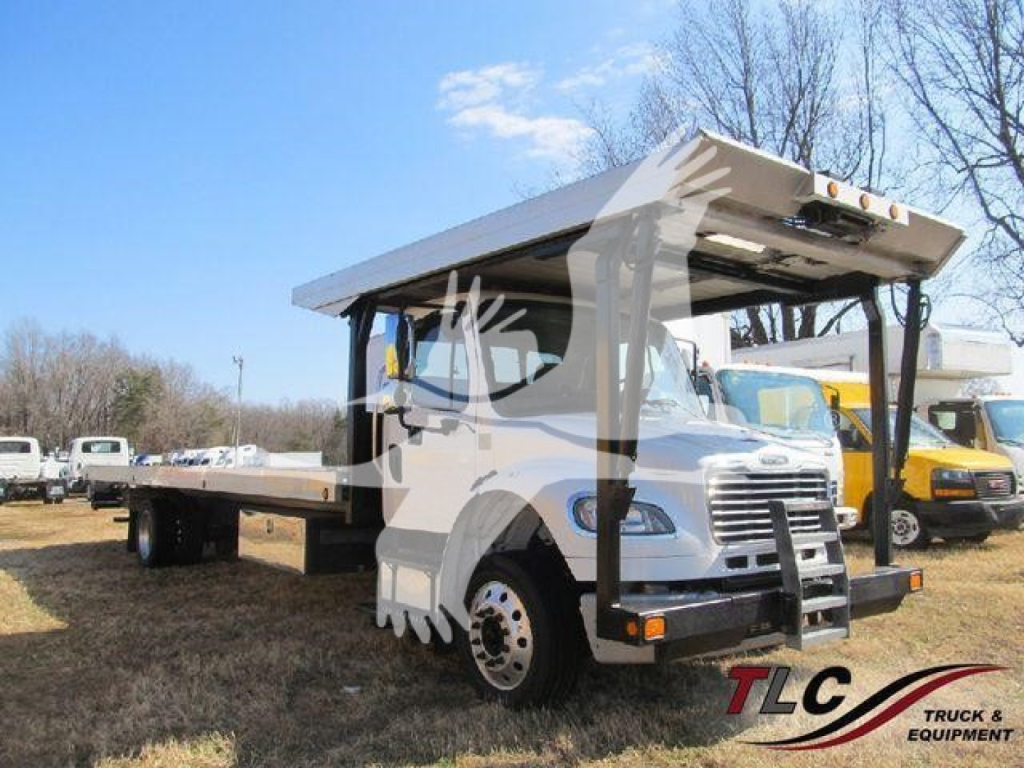
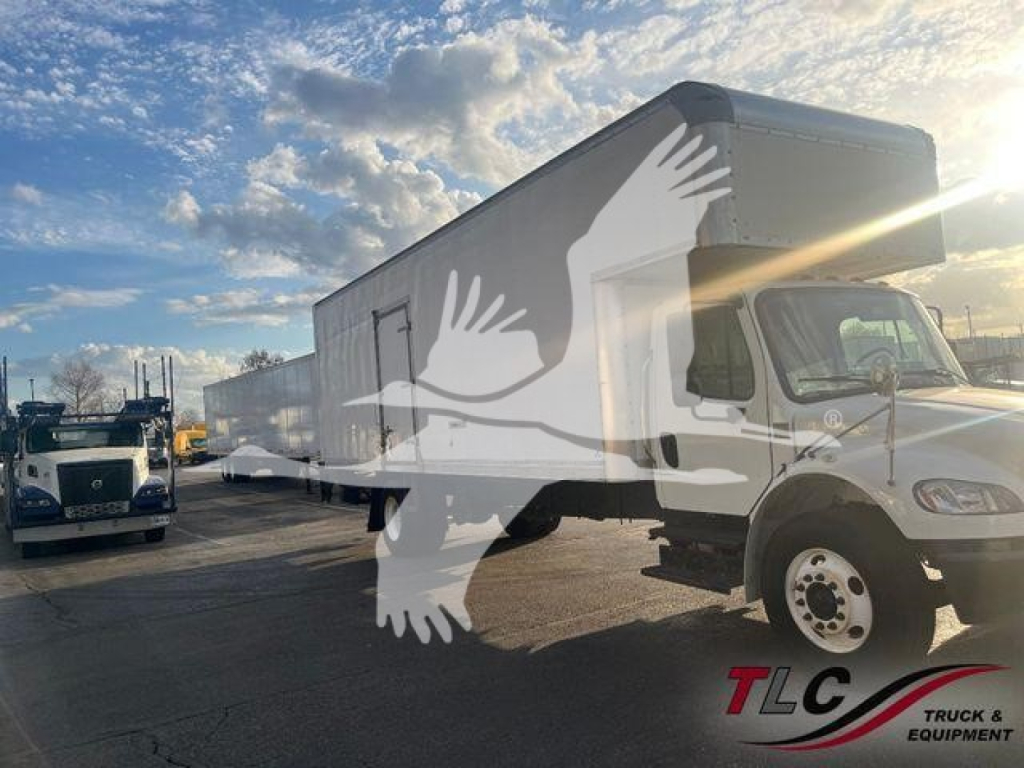
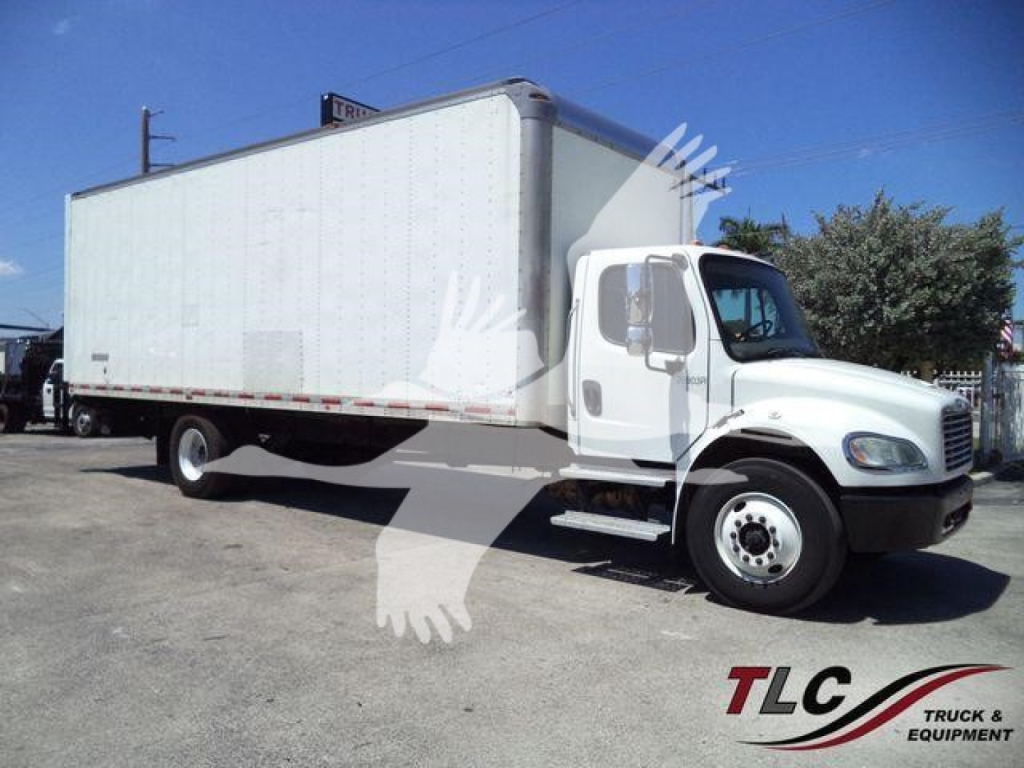
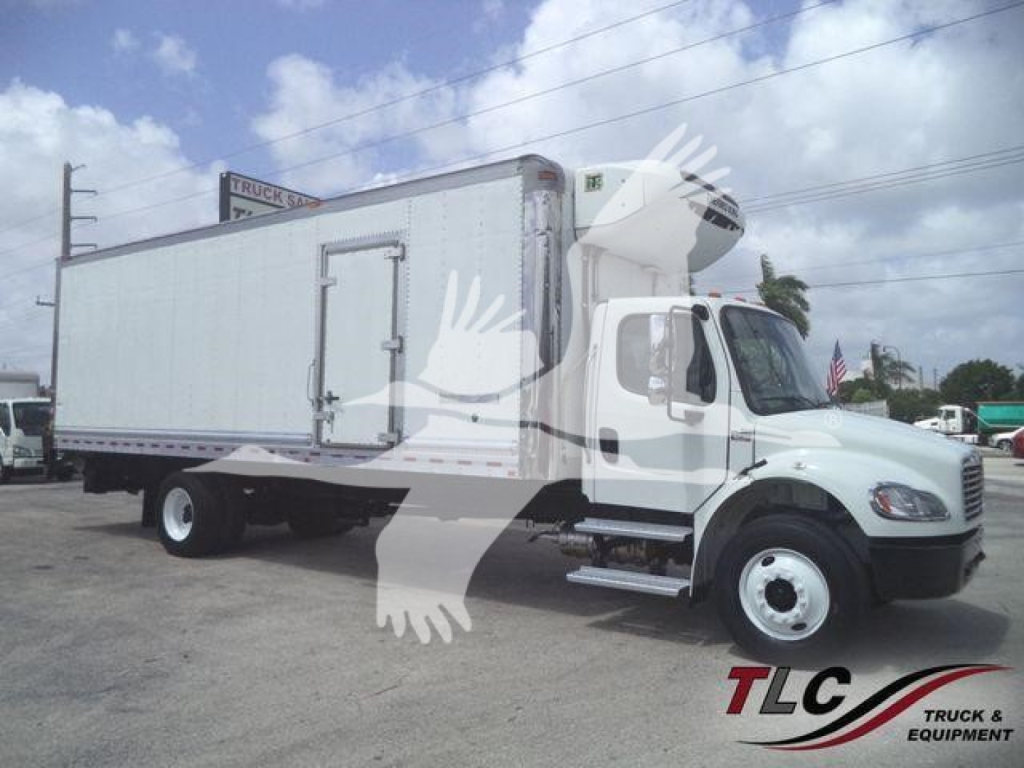
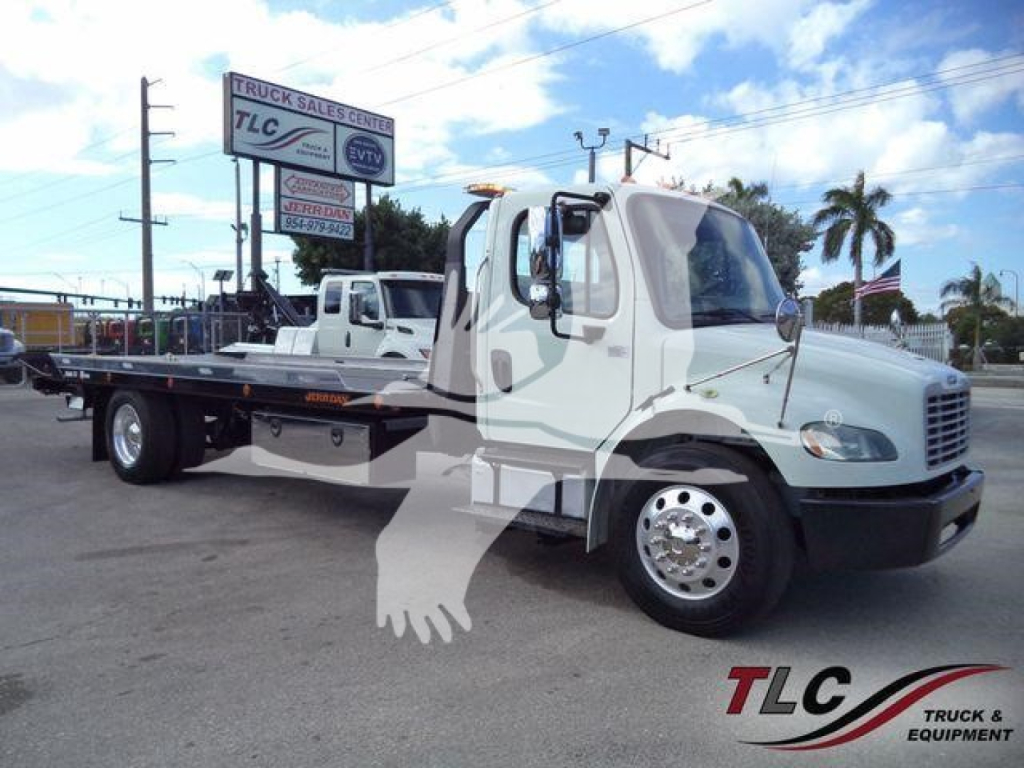
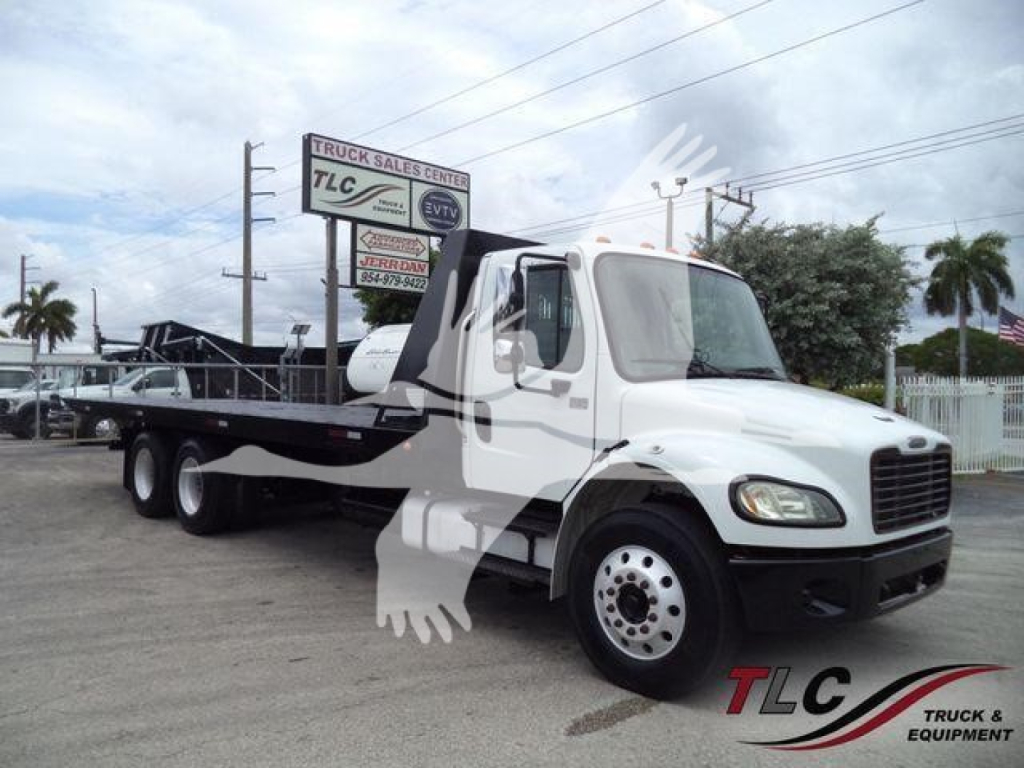
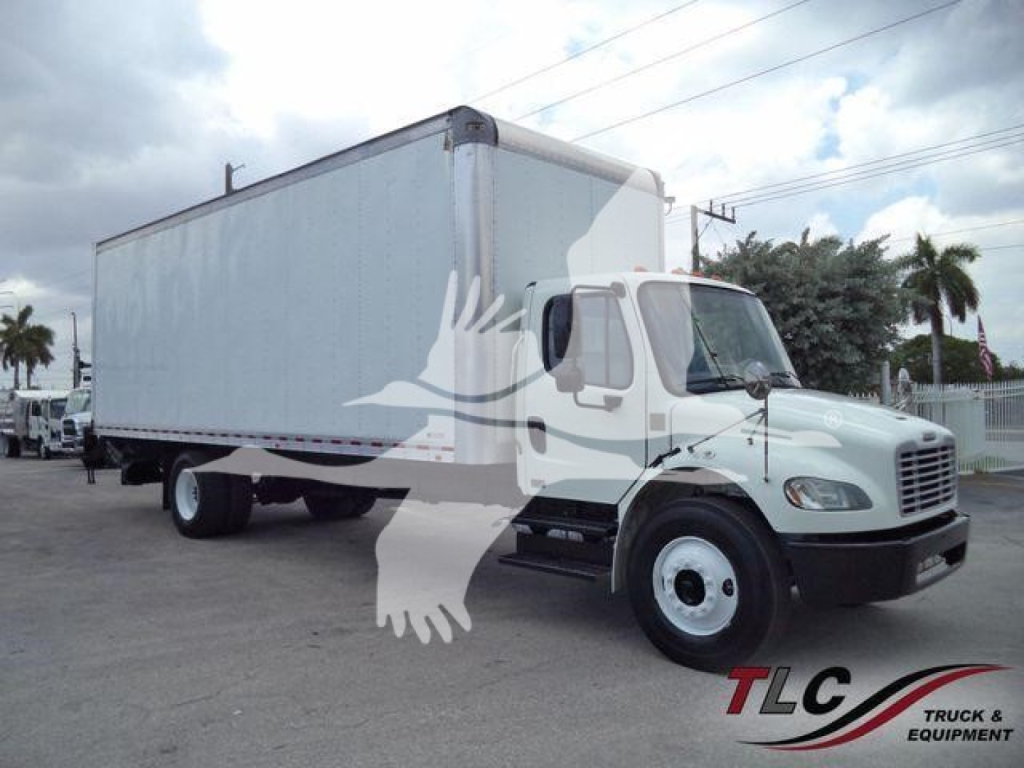
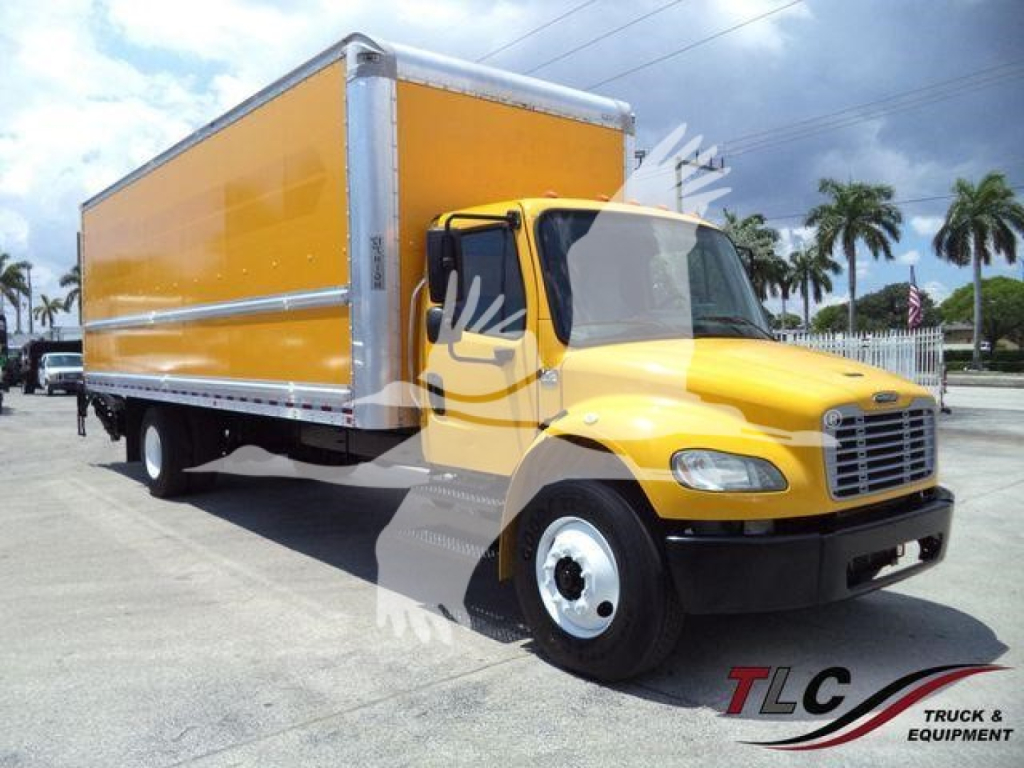
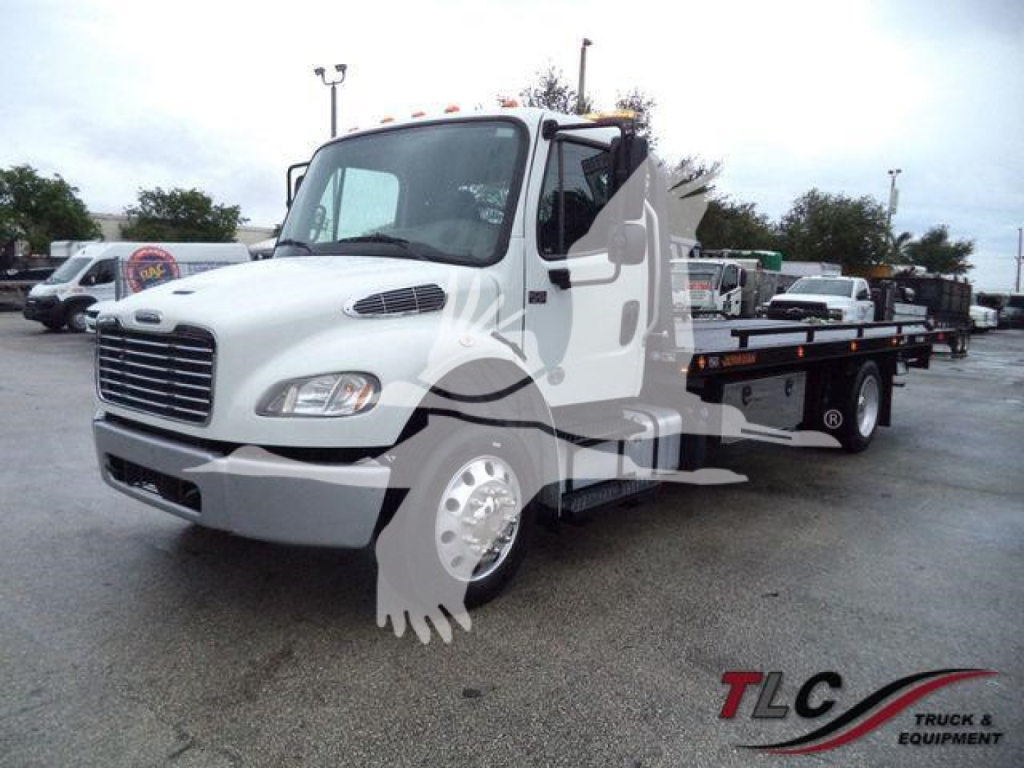
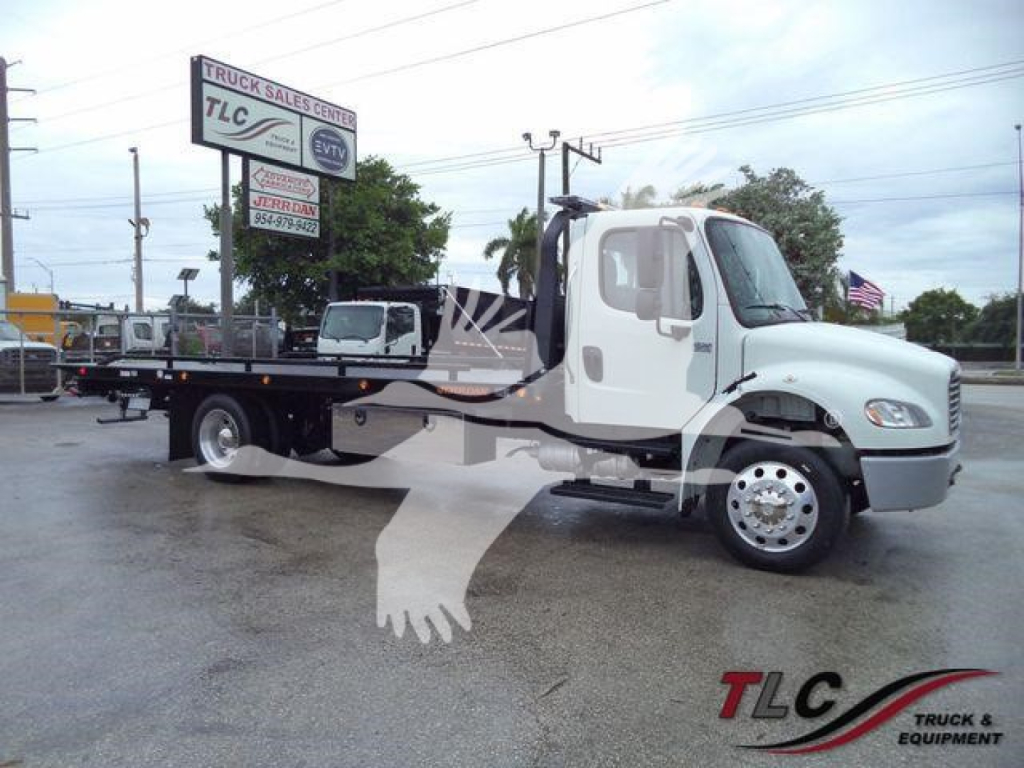
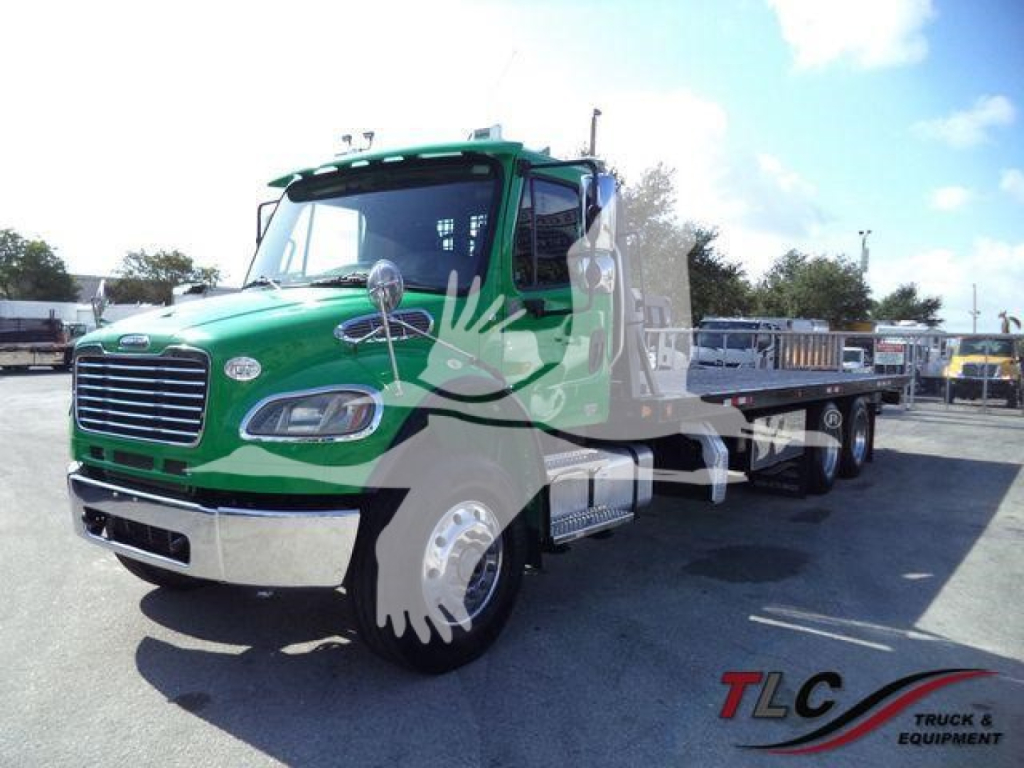
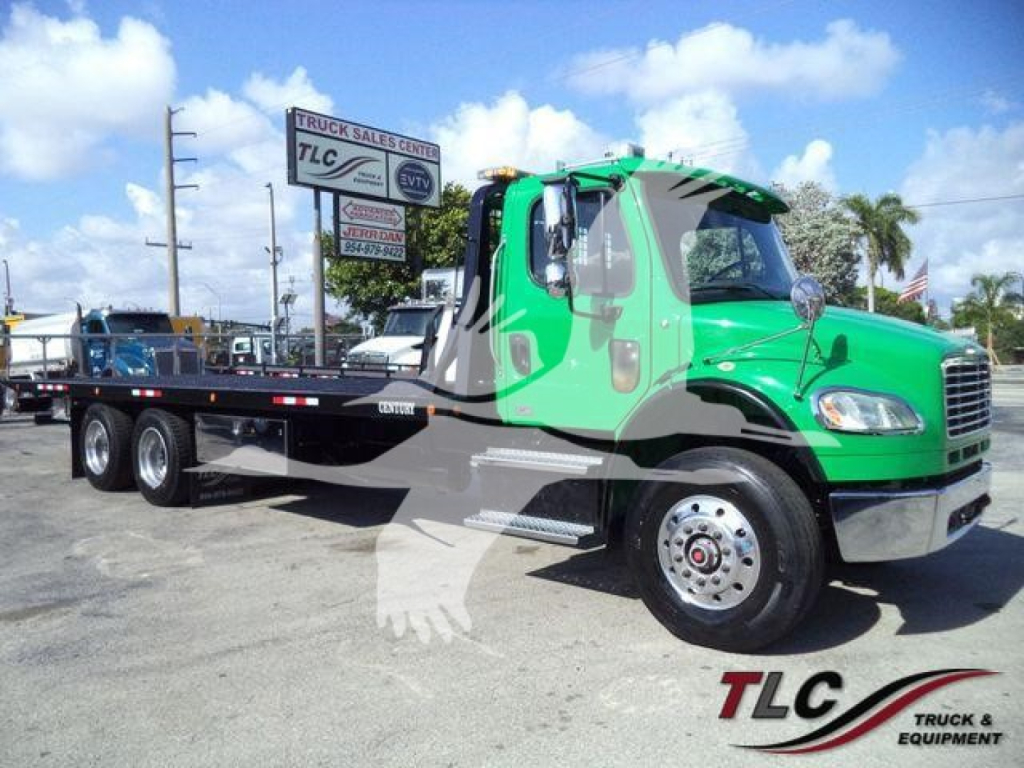
Showing 1 to 28 of 41 results
Selling a used freightliner truck? List your used freightliner truck for sale and reach thousands of commercial buyers.
Used Freightliner Trucks in Florida
Powertrain choice drives both tare and durability. Detroit DD13 and DD15 engines balance torque with lower curb weight, Cummins X12 and X15 are common on vocational and heavy haul units. The DT12 automated manual is efficient for highway duty, Eaton UltraShift and Allison automatics suit stop and go routes. For Florida interstates, axle ratios in the 2.28 to 2.64 range pair with overdrive for fuel economy at 65 to 70 mph, regional work may favor 2.79 to 3.08. A 6x2 saves several hundred pounds, aluminum wheels, single 120 gallon tanks, and low profile 22.5 tires also cut tare, but consider traction and tire wear trade offs in rain. Verify cooling package capacity, charge air cooler condition, radiator fin integrity, and HVAC performance, Florida heat exposes marginal systems quickly.
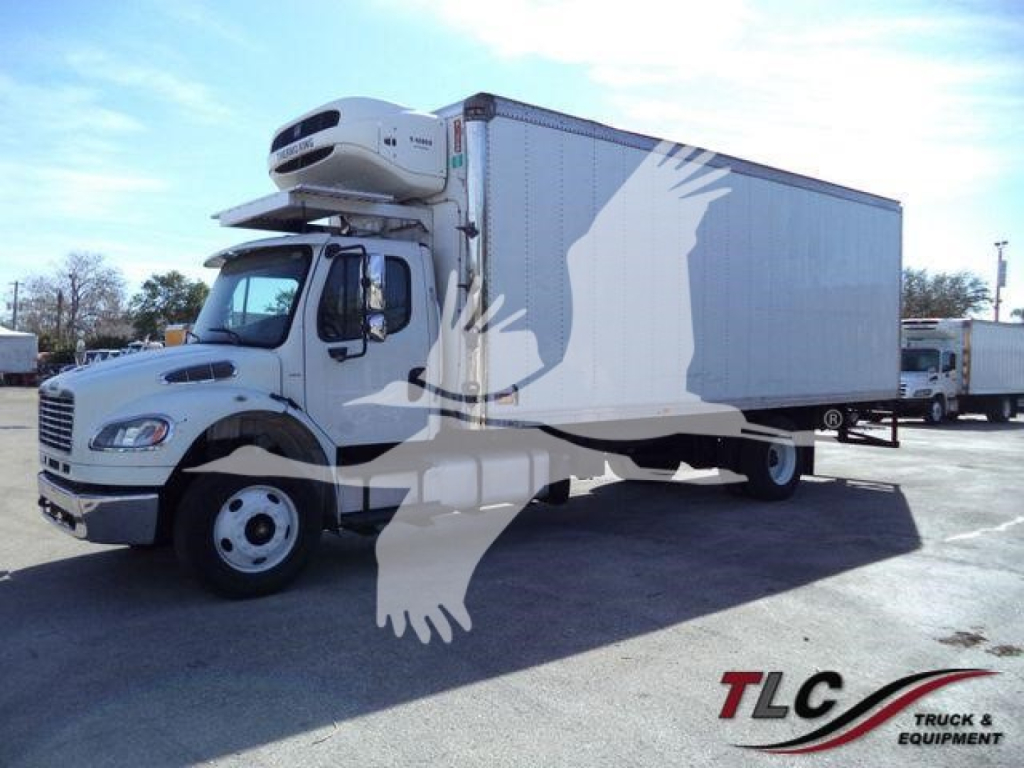
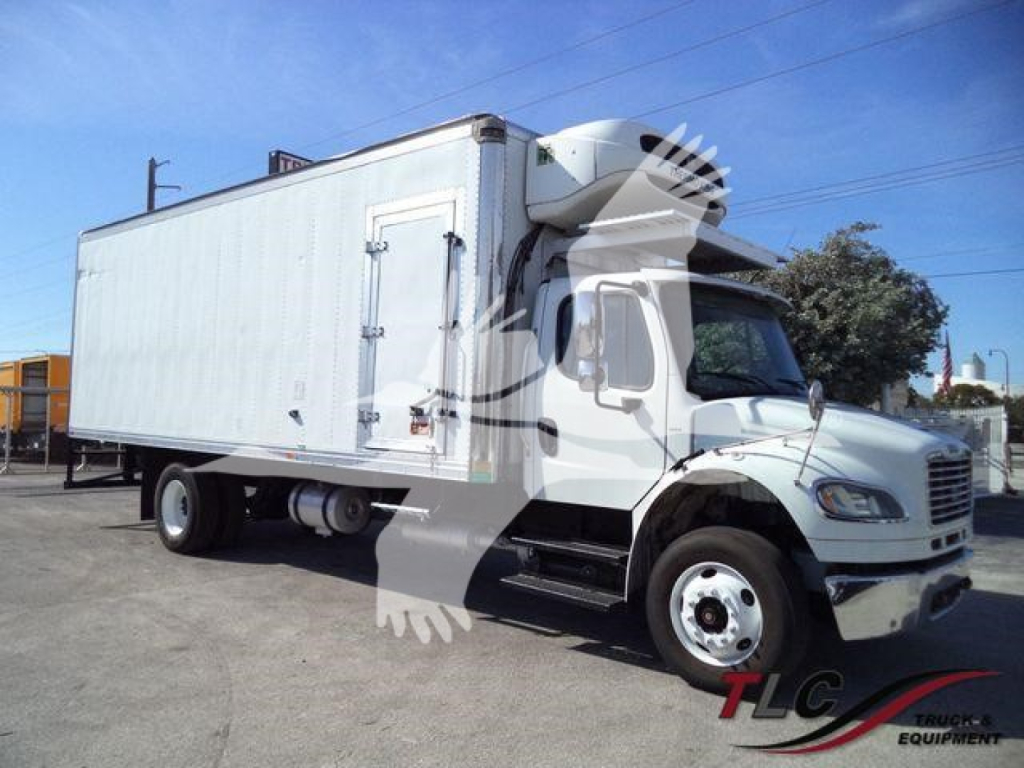
For straight trucks, floor strength and box construction set real world capability. Look for hardwood or composite floors with a known forklift rating, tight crossmember spacing at 12 inches improves point load support compared to 16 inches, and aluminum or high density polyethylene scuff liners protect walls. Check rear threshold plates and sill welds for impact damage. On refrigerated bodies, thermal integrity depends on foam density, intact door seals, corrosion free fasteners, and well sealed penetrations; weak spots show as sweating, odor, or uneven box temperatures. Ask for recent service on Carrier or Thermo King units, confirm pull down times and standby operation if shore power is required.
Florida conditions make corrosion resistance a priority. Cascadia cabs use aluminum panels that resist rust, Freightliner frames are e coated, yet steel crossmembers, fifth wheel plates, suspension hangers, battery boxes, and cab mounts can pit in coastal air. Inspect frame flanges, spring perches, brake chambers, and air tank seams for blistering paint or scale, look at fairing brackets and wiring harness clips for galvanic reactions. Stainless fasteners, sealed Deutsch connectors, intact loom, and undercoating in high spray zones extend service life. For dump or mixer applications, consider 114SD or 122SD with treated frames, spec stainless exhaust and aluminum air tanks to curb corrosion. A clean service history, consistent DEF and DPF maintenance, and verified brake and hub service indicate a truck that will handle Florida humidity and salt without surprises.
Frequently Asked Questions about Used Freightliner Trucks in Florida
Which Freightliner models fit Florida long haul, regional, and vocational work best?
For over the road in Florida, the Cascadia with a DD15 and DT12 delivers strong fuel economy and low tare for 53 foot van or reefer duty. Regional and city P&D suits the M2 106 or Cascadia day cab with DD13, Allison automatics work well for frequent stops. Vocational jobs like dump, mixer, and tanker call for the 114SD or 122SD with higher axle ratings, heavy frame options, and PTO friendly transmissions.
How do I evaluate floor strength on a used Freightliner box or reefer truck?
Confirm the forklift floor rating from the body tag, then look for hardwood or laminated composite floors with minimal screw pull through. Measure crossmember spacing, 12 inch centers support heavier point loads than 16 inch, and inspect the rear threshold plate, sill welds, and dock impact area for deflection or cracked welds. Scuff liners should be tight and undamaged, and there should be no daylight at seams that could admit water and degrade the subfloor.
What affects tare weight most on Freightliner tractors and straight trucks, and why does it matter?
Tare weight is driven by axle configuration, wheel and tire spec, fuel tank count, frame rail thickness, and transmission choice. A 6x2 with aluminum wheels, low profile 22.5 tires, a single 120 gallon tank, disc brakes, and an aluminum fifth wheel plate can remove hundreds of pounds, which adds payload and improves mpg. The trade off can be reduced traction, faster drive tire wear, and less thermal mass for braking on grades, so balance savings with route demands and Florida rain.
How do I assess thermal integrity on refrigerated Freightliner straight trucks and sleeper cabs?
On reefers, check box wall and roof condition for swelling or soft spots, verify door gasket compression, inspect drain paths, and review recent Carrier or Thermo King service with documented pull down times and setpoint stability. Use an infrared thermometer to spot temperature deltas near seams or door frames. For sleepers, test HVAC at idle and at cruise, inspect condenser and evaporator cleanliness, and confirm APU or optimized idle functionality to maintain cab comfort in Florida heat without excessive engine idle.
What corrosion risks are specific to Florida and how can I spot a well protected truck?
Salt air and humidity accelerate corrosion on steel frames, suspension mounts, battery boxes, and underbody hardware, and fertilizer or marine cargo residues intensify attack. Look for intact e coat on frame rails, minimal blistering around crossmember rivets, stainless or zinc nickel fasteners, aluminum air tanks, and sealed Deutsch connectors with clean dielectric grease. Check cab steps and body mounts where aluminum meets steel for galvanic activity, and favor units with documented undercoating or periodic freshwater rinsing after coastal operations.