
Used 2020 Freightliner Trucks For Sale in Florida
Browse used 2020 Freightliner trucks in Florida, including M2 106 and vocational chassis for box, rollback, service, and municipal work.
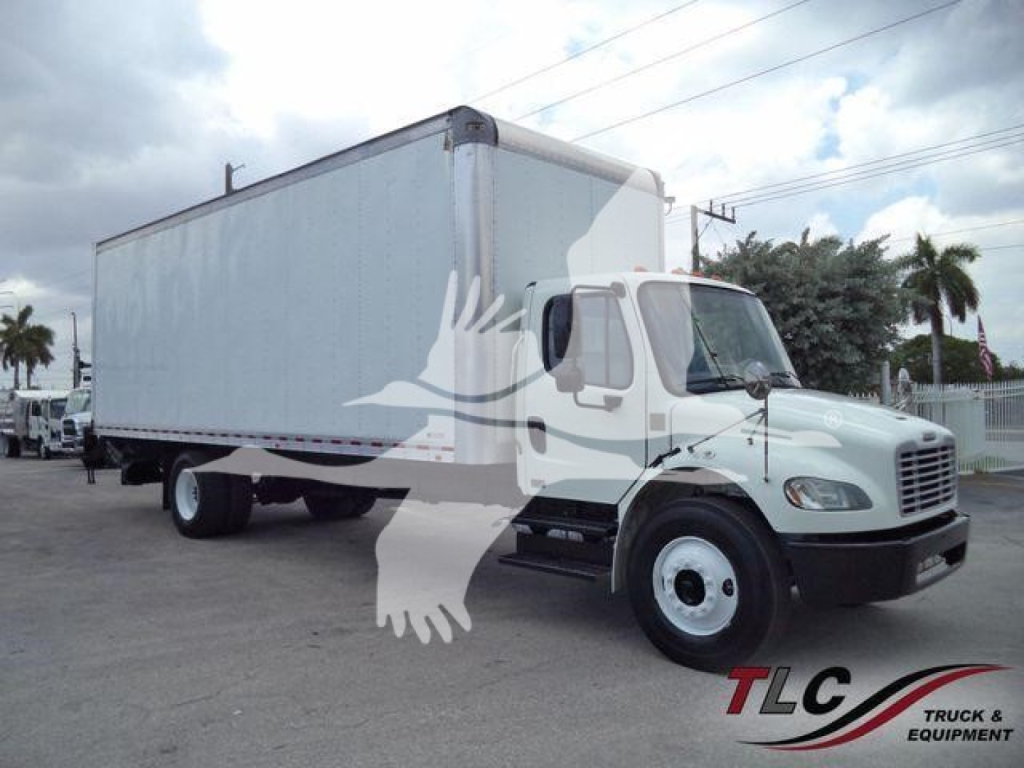
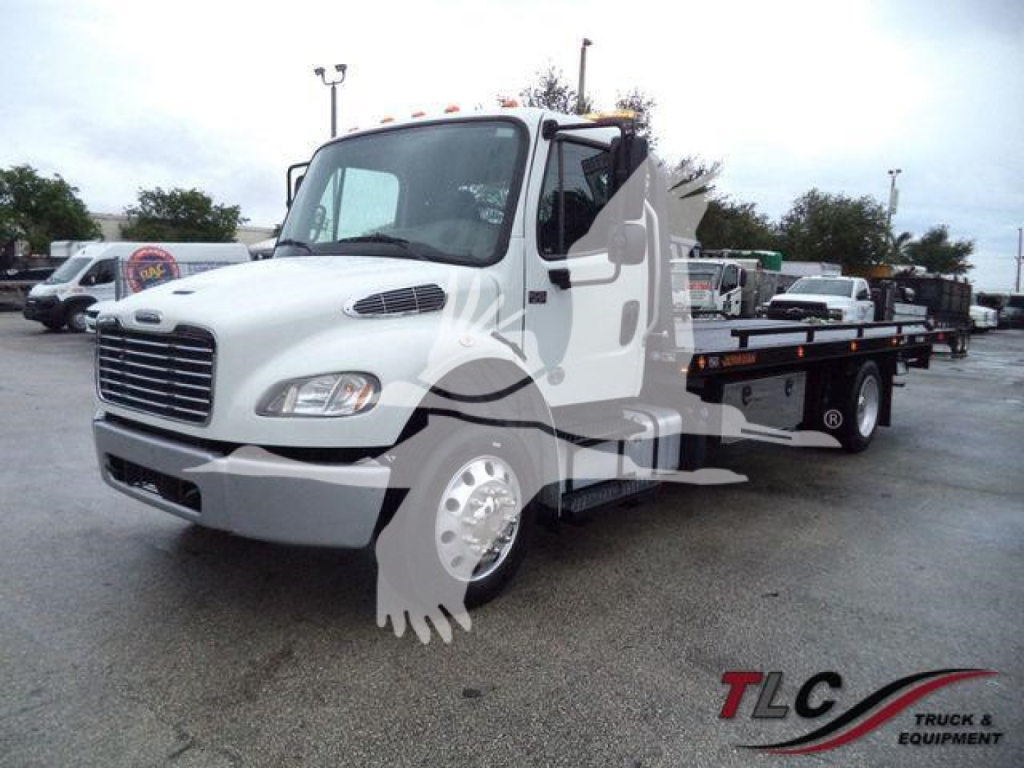
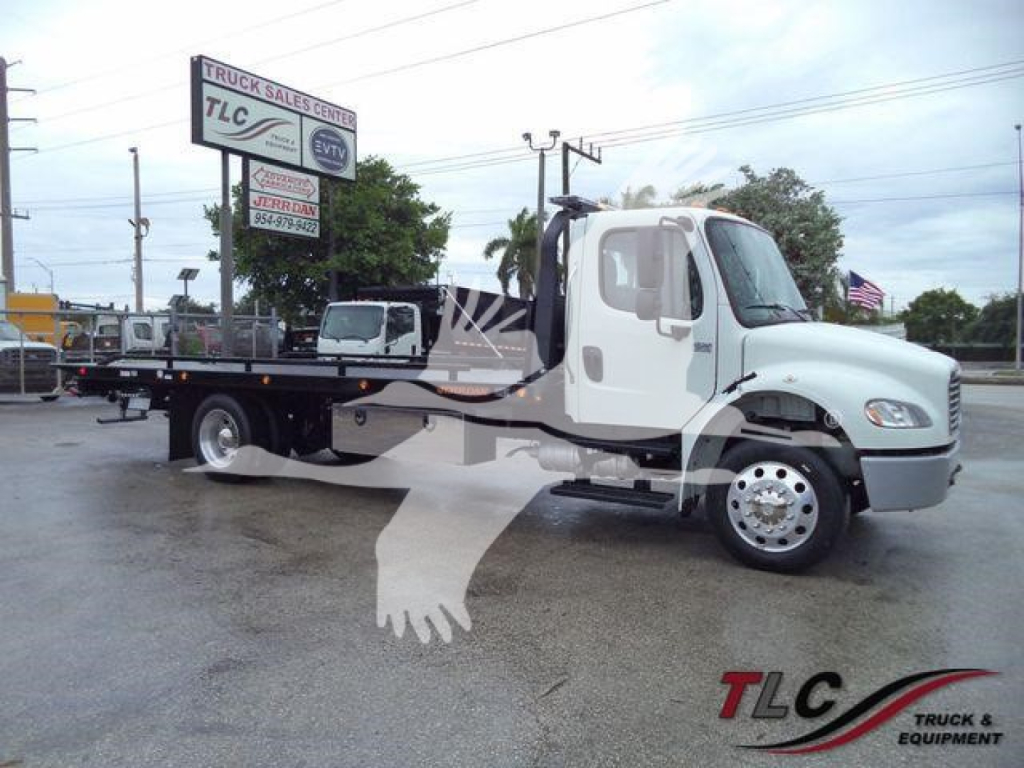
Selling a used 2020 freightliner truck? List your used 2020 freightliner truck for sale and reach thousands of commercial buyers.
Used 2020 Freightliner Trucks in Florida
For many buyers, the first decision is the chassis and engine package. A 2020 Freightliner truck may be configured with Cummins diesel power in medium-duty applications or Detroit powertrains in heavier classes, depending on the model and original build. Common considerations include GVWR, wheelbase, front axle capacity, rear axle ratio, suspension type, PTO provision, and whether the truck is under or over CDL thresholds. On M2 106 units, buyers often compare automatic versus manual transmissions, air brakes versus hydraulic brakes on lighter specs, and single-axle versus tandem needs based on the body and payload. If the truck carries a rollback, box, dump, chipper, hooklift, or utility body, body manufacturer support and hydraulic system condition matter just as much as the cab and chassis.
Florida buyers should pay close attention to application-specific wear and regional operating conditions. Coastal service can accelerate corrosion on wiring, connectors, fasteners, and body hardware even when the cab and frame look clean. Cooling system health is important in hot, humid duty cycles, especially on trucks that idle frequently for PTO, liftgate, or hydraulic operation. On used 2020 Freightliner trucks, it is smart to check idle hours, DPF and SCR service history, brake wear, suspension bushings, steering play, tire date codes, and signs of uneven loading or frame stress around body mounts. If the truck has a towing or rollback setup, inspect winches, wheel-lift components, deck condition, and hydraulic lines. If it is a box or delivery truck, verify door seals, floor integrity, liftgate capacity, and body dimensions.
Freightliner remains a popular choice because the trucks are familiar to technicians, easy to source parts for, and available in a wide range of vocational configurations. That matters when comparing listings that may share the same model year but serve very different jobs. A 2020 Freightliner truck set up for local delivery will have very different gearing, cab equipment, and maintenance patterns than one built for towing, landscape work, refuse, or utility service. Buyers who match the original chassis spec to the actual job tend to get the best long-term value, lower downtime, and fewer surprises after the sale.
Frequently Asked Questions about Used 2020 Freightliner Trucks in Florida
What are the most common 2020 Freightliner truck models buyers look for?
The most common 2020 Freightliner trucks in the used market include the M2 106 for medium-duty vocational and delivery work, along with heavier severe-duty models such as the 108SD and 114SD for construction, municipal, and specialty body applications. The M2 106 is especially common because it can be spec'd for box trucks, rollback carriers, dumps, utility bodies, flatbeds, and hooklift applications. The right model depends less on the badge and more on the truck's GVWR, axle ratings, wheelbase, and body integration.
Is a used 2020 Freightliner M2 106 a good choice for vocational work?
Yes, the 2020 Freightliner M2 106 is widely used in vocational service because it balances maneuverability, cab comfort, and body-builder flexibility. It is common in towing, delivery, landscape, chipper, and municipal applications, and many units were ordered with Cummins diesel engines and Allison automatic transmissions. Buyers should still confirm that the wheelbase, PTO setup, suspension, and brake configuration match the intended job, since two M2 106 trucks can have very different capabilities depending on how they were originally spec'd.
What should I inspect on a used 2020 Freightliner truck in Florida?
In Florida, buyers should look closely at corrosion from coastal exposure, especially on electrical connectors, body hardware, liftgates, rollback decks, and hydraulic components. Service records for the emissions system, cooling system, and transmission are important because heat, humidity, and idle-heavy duty cycles can accelerate wear. It is also smart to inspect tire age, brake condition, suspension components, PTO operation, and any signs of frame stress or poor body installation. A clean cab and fresh paint do not replace a full chassis and body inspection.
Are 2020 Freightliner trucks expensive to maintain?
Maintenance costs are generally manageable because Freightliner has a large parts and service network, and most technicians are familiar with the platform. Costs depend heavily on the truck's application, mileage, idle hours, and body equipment. A straight truck used for local delivery may have a different maintenance profile than a rollback, refuse unit, or utility truck with hydraulics and PTO-driven accessories. Buyers should budget not only for engine and chassis service, but also for body repairs, hydraulic maintenance, brake work, and emissions-related upkeep.
How do I choose between different used 2020 Freightliner truck listings?
Start with the truck's intended job, then compare the hard specs that affect performance and legal operation. Focus on GVWR, axle ratings, wheelbase, engine rating, transmission type, suspension, brake system, and any PTO or hydraulic requirements. After that, evaluate the body or upfit itself, including manufacturer support, structural condition, and whether the dimensions and capacities fit your workload. Maintenance records, idle hours, and evidence of consistent fleet care often tell you more about long-term value than appearance alone.