
Used 2016 Freightliner Trucks For Sale in Florida
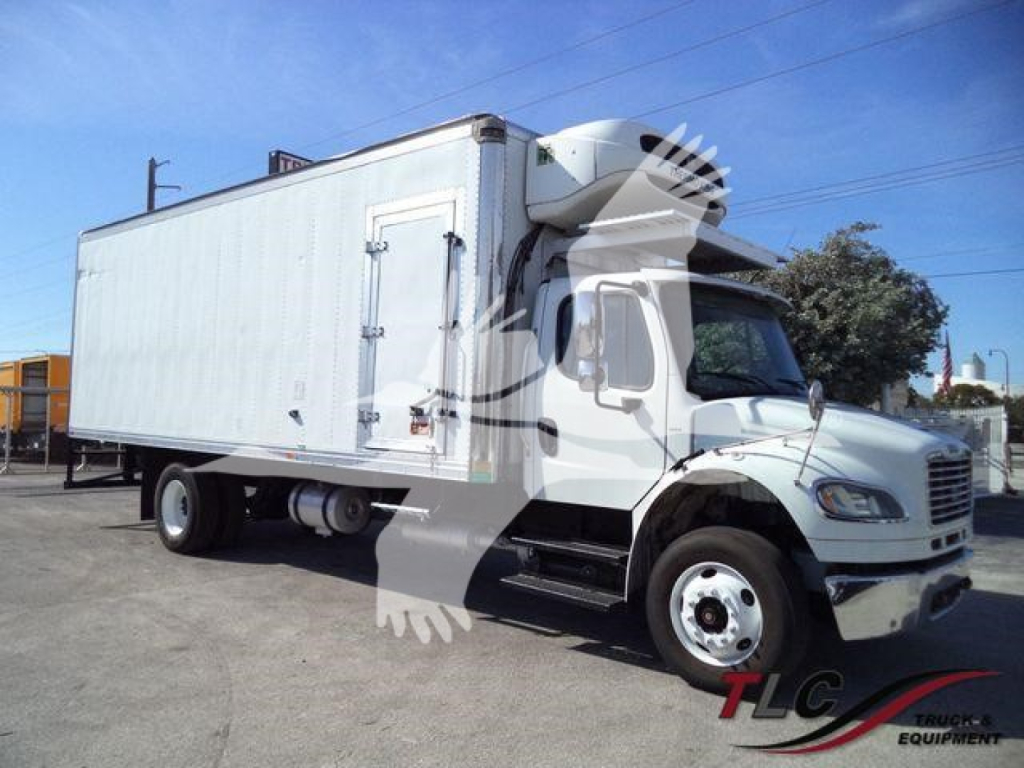
Browse used 2016 Freightliner trucks in Florida, including M2, 108SD, and 114SD models for vocational, medium-duty, and severe-duty work.
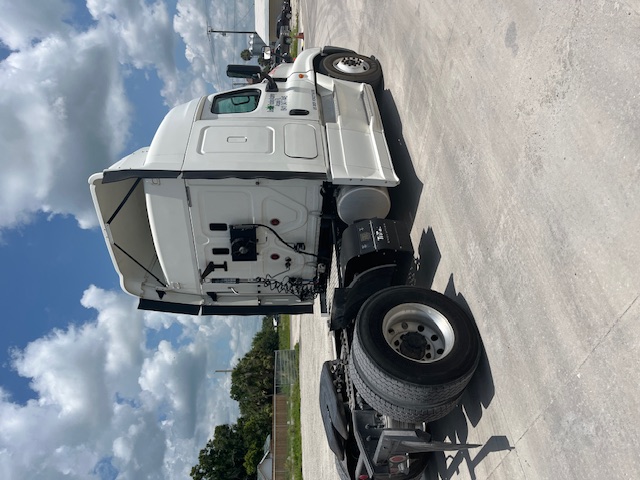
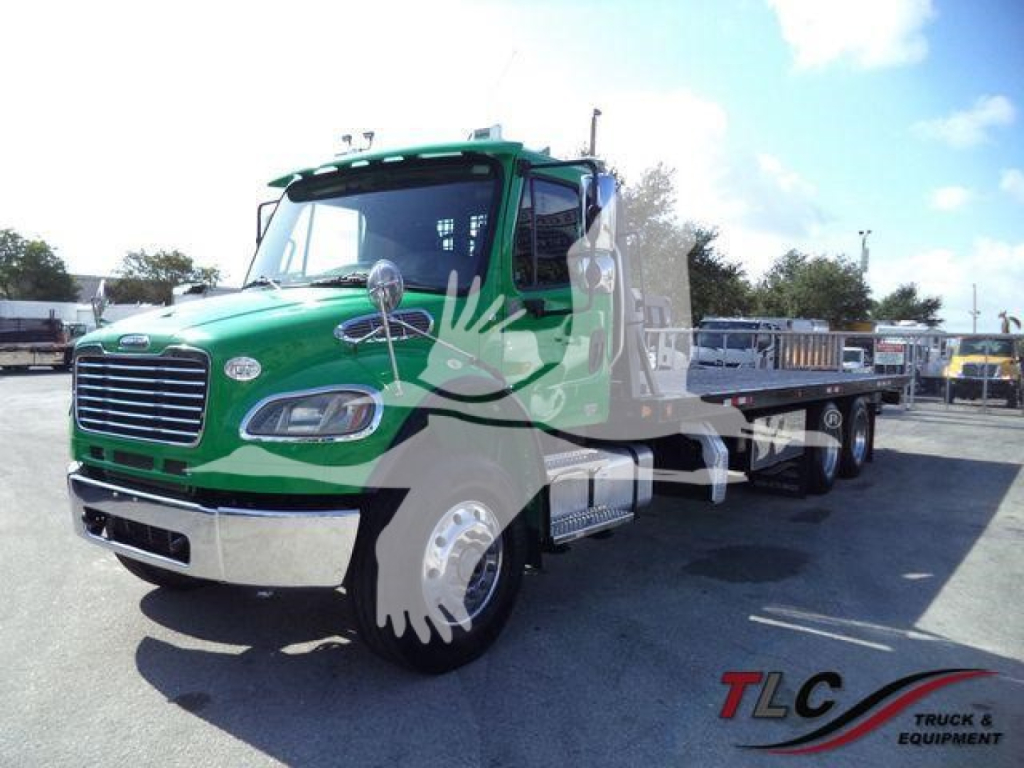
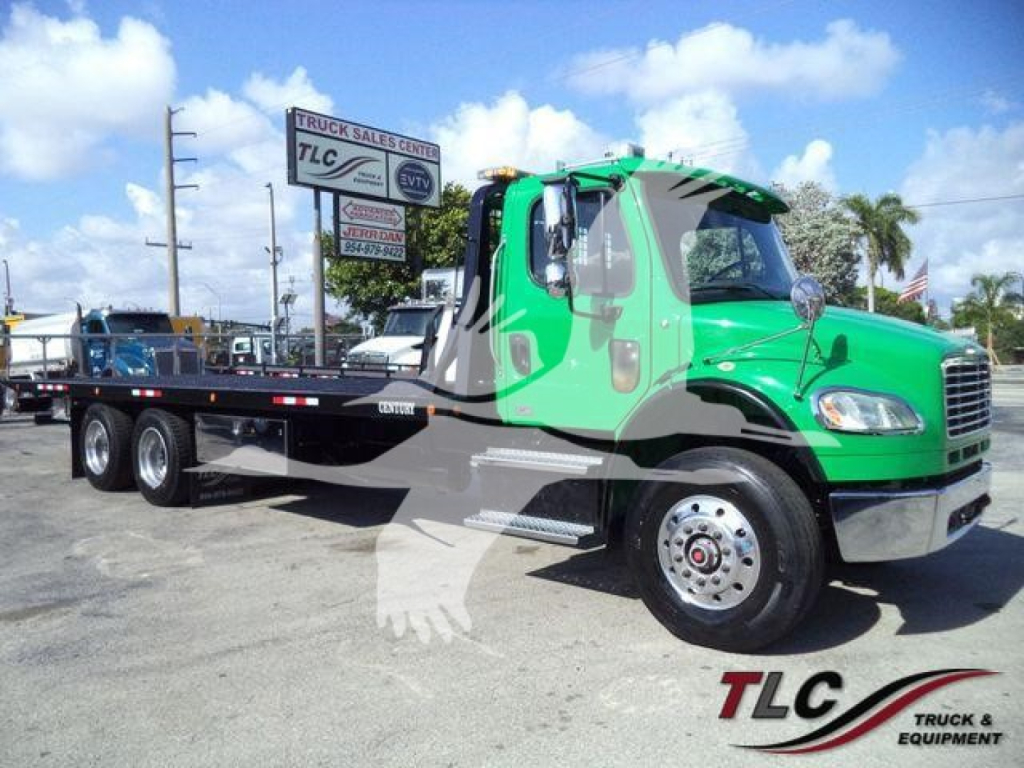
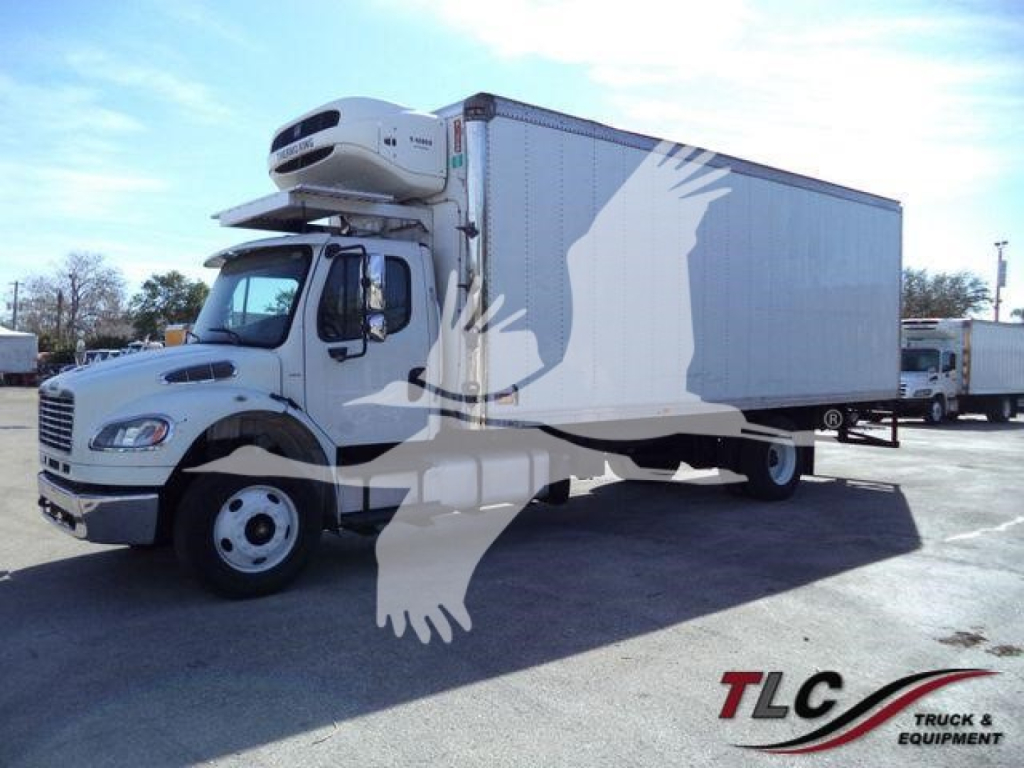
Selling a used 2016 freightliner truck? List your used 2016 freightliner truck for sale and reach thousands of commercial buyers.
Used 2016 Freightliner Trucks in Florida
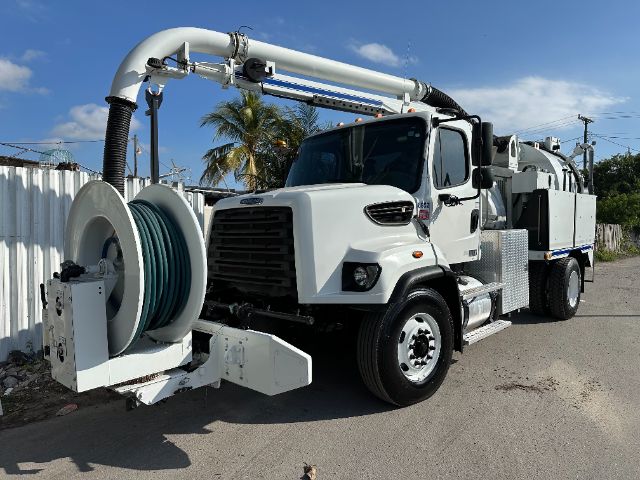
The most important buying decision is usually chassis class and engine package. A 2016 Freightliner M2 may show up with Cummins B6.7 or larger diesel options and a GVWR suited for local freight, utility work, or equipment hauling. The 108SD and 114SD are more likely to carry Cummins ISL or similar heavy vocational specs paired with Allison automatic transmissions, tandem axles, heavier front ends, and air brake systems. Florida buyers should pay attention to cooling system condition, corrosion at body mounts and crossmembers, and the overall state of PTO-driven or hydraulically driven equipment if the truck has been used as a vacuum truck, grapple truck, rollback, or municipal unit. On vocational trucks, miles matter less than engine hours, idle time, pump hours, and maintenance history.
Freightliner trucks from this period are known for broad parts availability, widespread service support, and relatively familiar electrical and chassis layouts for fleet technicians. That matters on used trucks because downtime often comes from body controls, hydraulic systems, emissions components, and wiring repairs rather than the base chassis alone. Buyers comparing 2016 Freightliner trucks should look closely at front axle capacity, rear axle ratio, suspension type, brake configuration, wheelbase, and whether the truck was ordered for highway use or severe-service duty. Cab configuration also affects value, especially on crew cab, extended cab, or day cab setups used by utility and municipal fleets.
For Florida operation, application fit is everything. A used 2016 Freightliner truck set up for stop-and-go city work, airport service, refuse support, sewer and vacuum work, or equipment delivery can still have a long service life if the chassis and body were matched correctly from the start. Review the body manufacturer, PTO setup, frame rail condition, tire size, hydraulic components, and any evidence of salt, flood, or coastal corrosion exposure. A well-spec'd 2016 Freightliner can still be a practical platform for vocational buyers who need a truck that is easy to service, easy to upfit, and common enough that parts and shop familiarity are rarely a problem.
Frequently Asked Questions about Used 2016 Freightliner Trucks in Florida
What are the most common 2016 Freightliner truck models buyers will find on the used market?
The most common 2016 Freightliner trucks on the used market are the M2, 108SD, and 114SD. The M2 is widely used in medium-duty applications such as flatbeds, rollback carriers, box trucks, and service bodies. The 108SD and 114SD are severe-duty vocational chassis more often used for dump, vacuum, sewer, municipal, utility, and construction work. The model matters because frame strength, axle ratings, and PTO readiness vary significantly across these platforms.
Is a used 2016 Freightliner better for medium-duty work or heavy vocational service?
A used 2016 Freightliner can be a good fit for either, but the answer depends on the specific chassis. M2 models are generally better suited to medium-duty and urban applications where maneuverability and body versatility are important. The 108SD and 114SD are built for heavier vocational service with stronger frames, higher axle capacities, and specs designed for PTO and hydraulic equipment. Buyers should match the truck to the job rather than shop by year alone.
What should I inspect first on a used 2016 Freightliner vocational truck?
Start with engine hours, idle hours, PTO usage, and maintenance records before focusing on cosmetic condition. On vocational trucks, inspect the frame rails, crossmembers, suspension, hydraulic lines, pump systems, wiring, and body mounts. Check the emissions system, cooling system, transmission operation, and any signs of hard municipal or construction use. If the truck carries specialty equipment such as a vacuum system, grapple, rollback, or jetter body, inspect the upfit components as closely as the chassis.
Are 2016 Freightliner trucks easy to service and get parts for?
Yes, one of the main advantages of a 2016 Freightliner truck is broad parts and service support. Freightliner chassis are common in both fleet and independent shop environments, which generally helps with repair familiarity and component sourcing. Availability can still vary by engine, emissions hardware, and body manufacturer, but core chassis parts, brake components, suspension items, and many electrical parts are typically easier to source than on lower-volume brands.
Why do engine hours matter so much on used 2016 Freightliner trucks in Florida?
Engine hours are critical because many vocational Freightliner trucks spend large portions of their lives idling, running PTO equipment, or powering pumps and hydraulic systems without accumulating many road miles. A truck with relatively low mileage can still have high total engine wear if it was used in municipal, utility, or vacuum service. In Florida, long idle periods, heat, and stop-and-go operation can also add stress to cooling, emissions, and hydraulic systems, so hours often tell more of the truck's real workload than the odometer.