
Used Freightliner Flatbed Trucks For Sale in Florida
Shop used Freightliner flatbed trucks for sale in Florida. Compare M2 specs, bed lengths, GVWR, ramps, winches, and diesel drivetrain options.
Selling a used freightliner flatbed truck? List your used freightliner flatbed truck for sale and reach thousands of commercial buyers.
Used Freightliner Flatbed Trucks in Florida
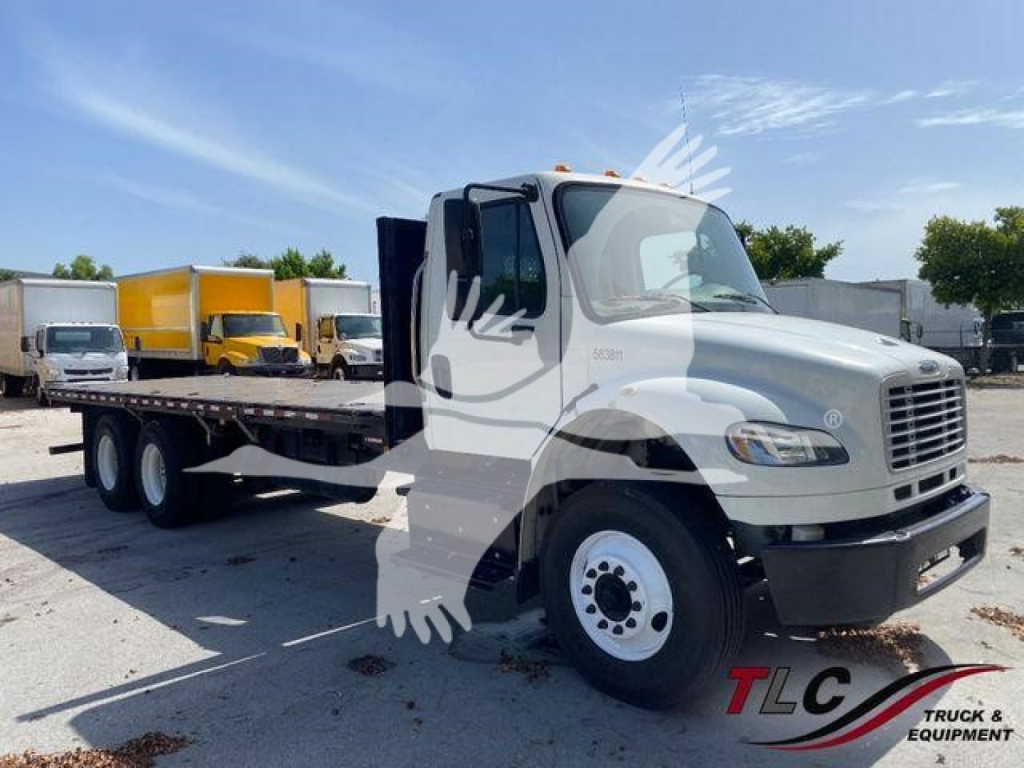
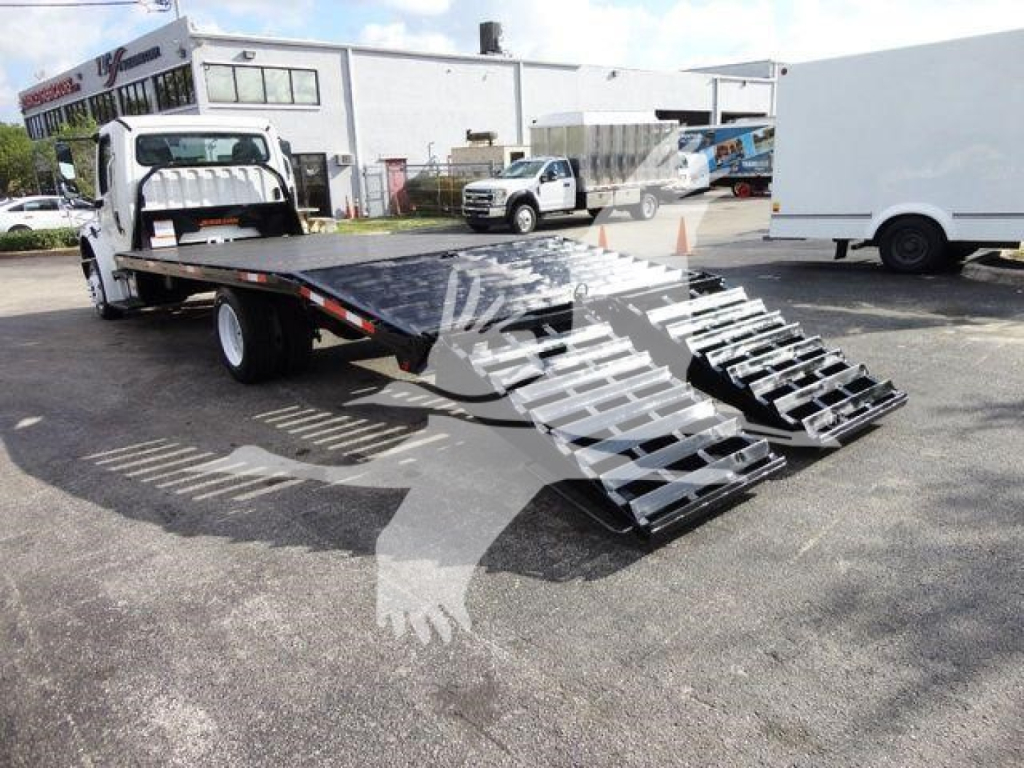
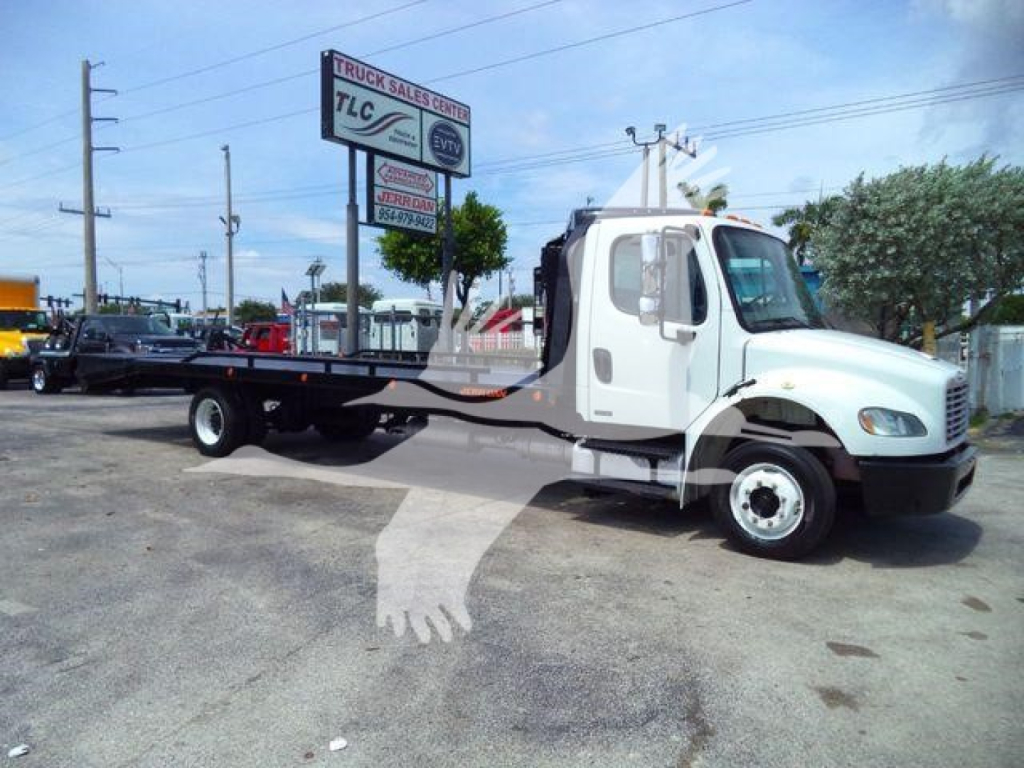
The bed setup matters as much as the chassis. Flatbed trucks in this class may be configured as a straight deck, beavertail, dovetail, or ramp truck, and those differences change what the truck can load efficiently. A 21-foot to 25-foot steel bed is common, with combinations such as 16-foot flat plus 5-foot beavertail or 20-foot flat plus 5-foot beavertail. Buyers hauling skid steers, compact excavators, scissor lifts, or small tractors should pay close attention to deck height, ramp angle, bed width, and whether the truck includes spring-assisted fold-down ramps or a winch. Stake pockets, removable side rails, headboards, and diamond plate decking also add utility if the truck will handle mixed cargo instead of dedicated equipment moves.
On used Freightliner flatbeds, the key buying decision is matching payload and loading method to the suspension, brake system, and axle ratings. A truck with air suspension and a dump valve can be easier to load low-clearance equipment than a spring suspension setup, while 19.5-inch low-profile tires can help keep deck height manageable. If the truck will spend most of its time on local routes, an Allison automatic can be a strong fit for stop-and-go work and rotating drivers. If it is going into heavier vocational use, check frame condition, PTO or auxiliary electrical provisions, bed mounting quality, brake service history, and signs of hard loading around the tail section, ramp hinges, and headboard.
Florida buyers should also look closely for corrosion patterns that differ from northern rust but still matter on used vocational trucks. Salt air, humidity, and outdoor storage can affect wiring, bed hardware, hydraulic or winch components, fuel tanks, and cab mounts even when the frame looks clean. Maintenance records are valuable on ex-fleet units, especially for engine aftertreatment service, transmission service intervals, brake work, tires, and suspension repairs. A well-spec'd used Freightliner flatbed can be a cost-effective truck for businesses that need open-deck flexibility, easy cab access, and medium-duty operating costs without giving up commercial-grade durability.
Frequently Asked Questions about Used Freightliner Flatbed Trucks in Florida
What are the most common Freightliner flatbed truck models in this category?
The most common model is the Freightliner Business Class M2 106, which is widely used for medium-duty flatbed, ramp, and equipment-hauling applications. It is popular because it supports a range of GVWR ratings, body lengths, diesel engine options, and vocational upfits. Many used examples are equipped with Cummins power, Allison automatic transmissions, and either spring or air suspension depending on the original fleet application.
What should I check on a used Freightliner flatbed truck before buying?
Focus on the chassis and the body as two separate inspections. On the chassis side, review engine fault history, aftertreatment condition, transmission operation, brake wear, suspension type, tire condition, and service documentation. On the body side, inspect the deck for structural repairs, rust between crossmembers and decking, ramp hinge wear, winch operation, headboard integrity, and signs of overloading or impact damage at the beavertail and tail section. Cab and electrical condition also matter on trucks that have seen daily vocational use.
Is a beavertail flatbed better than a straight deck?
A beavertail flatbed is often better for loading wheeled or tracked equipment because it reduces the loading angle and makes ramp use easier. That matters for skid steers, trenchers, scissor lifts, and similar machines with limited ground clearance. A straight deck can be the better choice for palletized freight, building materials, or loads that need a full-length level platform. The right design depends on whether the truck will function more like an equipment hauler or a general-purpose delivery flatbed.
What GVWR and bed length are common on used Freightliner flatbed trucks?
A common spec in this segment is around 25,500 pounds GVWR, especially on M2 106 trucks used for local hauling and equipment transport. Bed lengths often fall in the 21-foot to 25-foot range, with some bodies built as a combination of flat deck and beavertail. The right length depends on cargo dimensions, axle placement, and how much deck space is needed while staying within legal weight distribution limits.
Are used Freightliner flatbed trucks a good fit for Florida work?
Yes, they are a strong fit for many Florida operations because they are commonly used in construction, agriculture, landscaping, equipment rental, and municipal service. The medium-duty Freightliner platform is well suited to local and regional routes, and parts and service access is generally good. Buyers in Florida should still inspect for humidity-related electrical issues, corrosion on body hardware, and wear from outdoor storage, especially on trucks with steel beds, winches, and ramp assemblies.