
Freightliner Flatbed Trucks For Sale
Shop Freightliner flatbed trucks with specs that fit hauling, delivery, equipment transport, stake body work, and contractor applications.
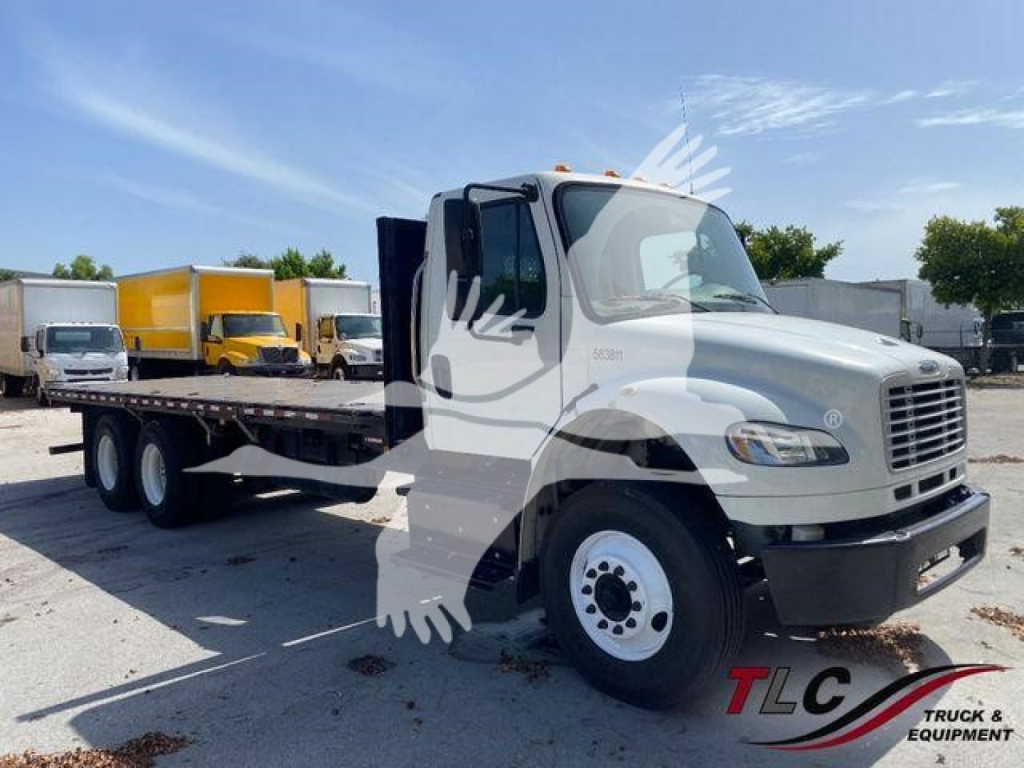
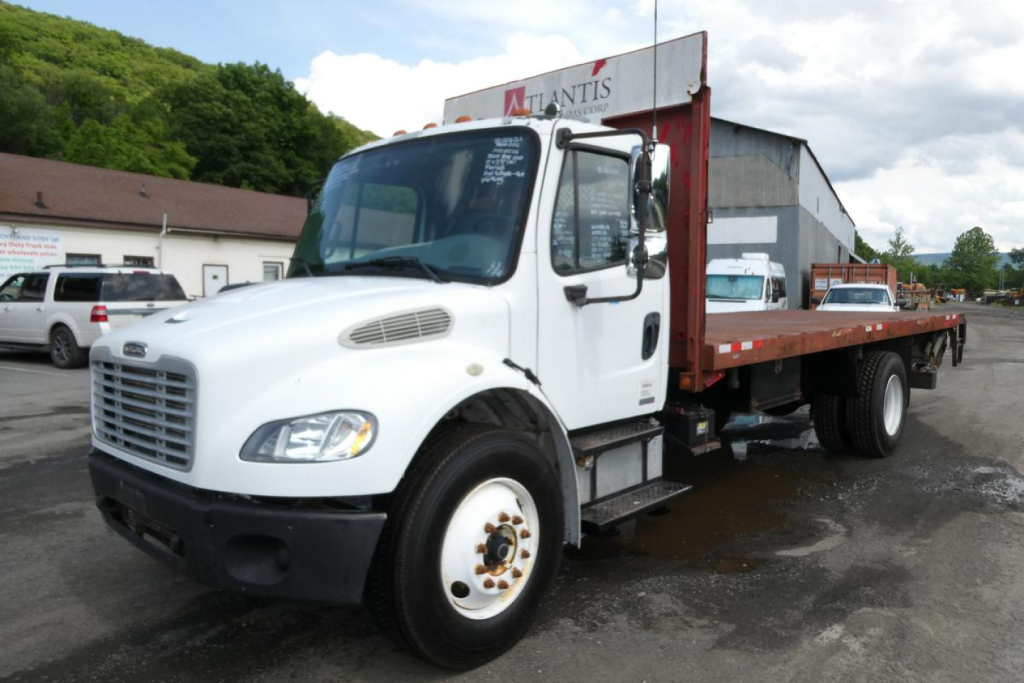
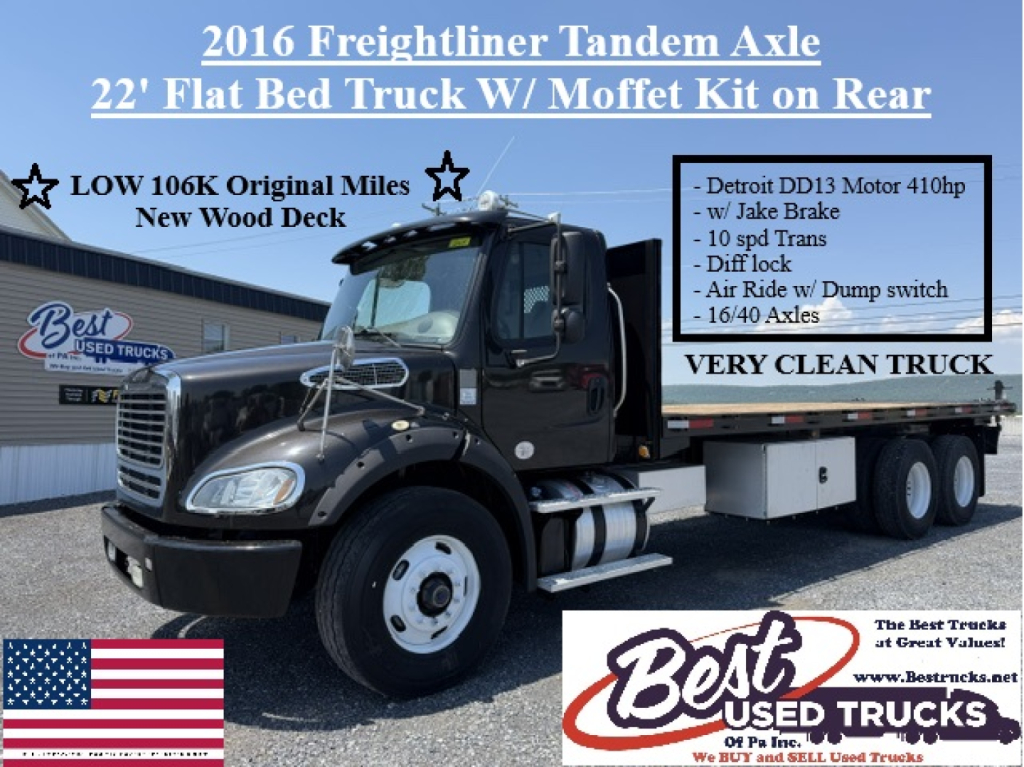
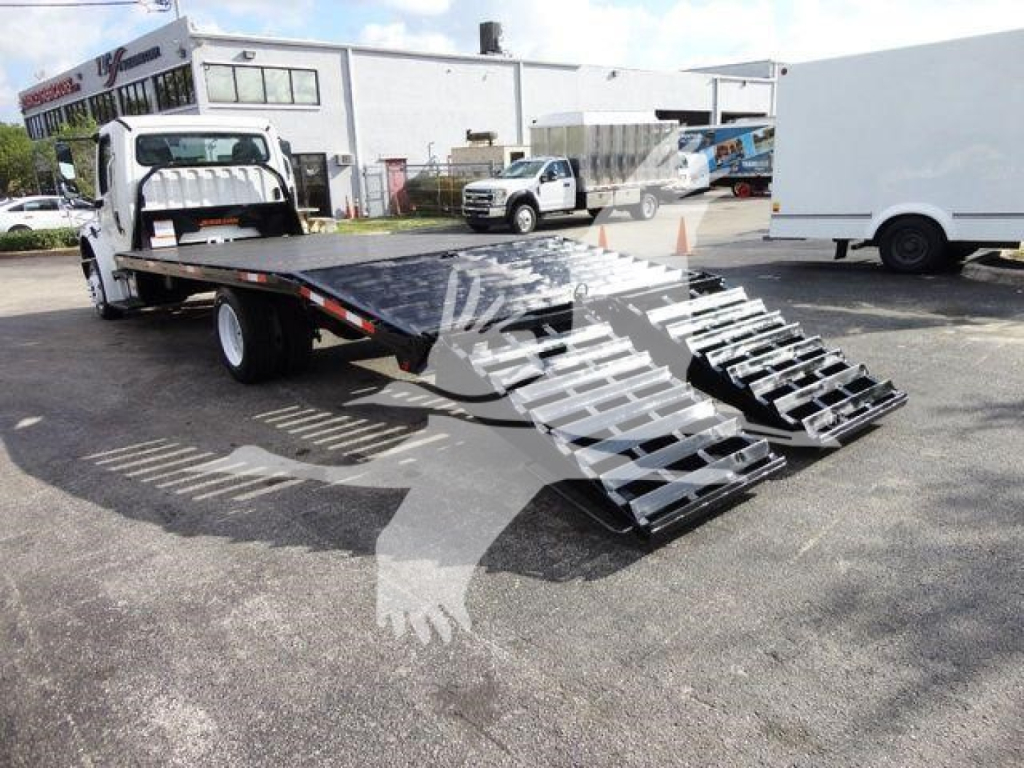
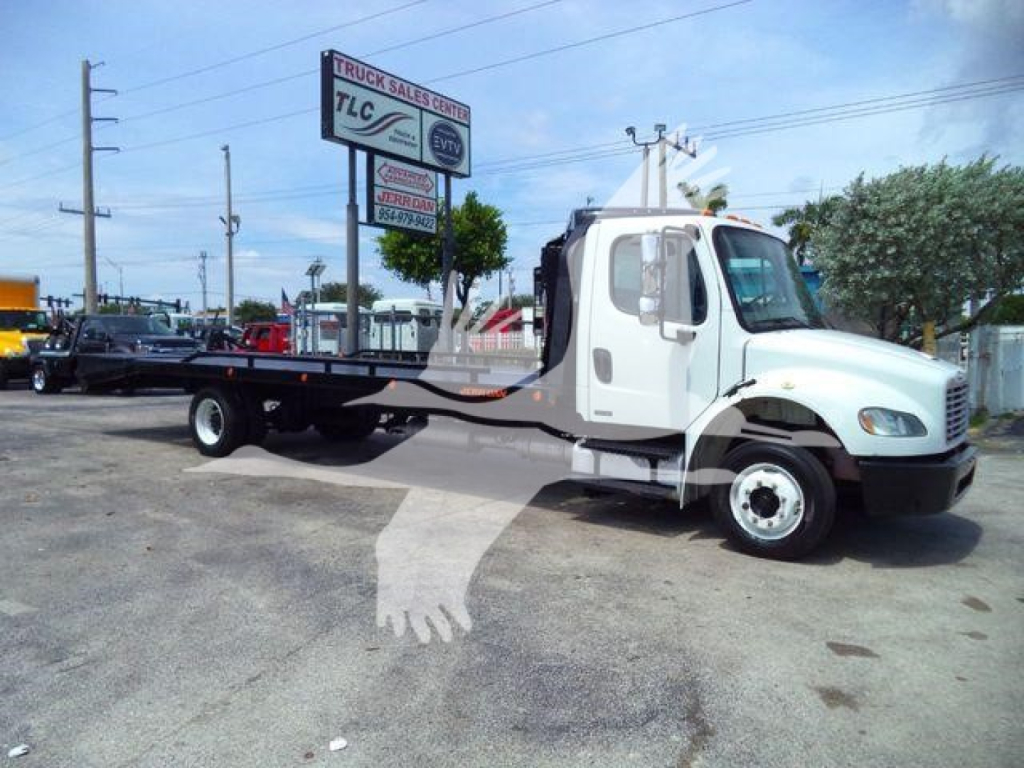

Selling a freightliner flatbed truck? List your freightliner flatbed truck for sale to reach thousands of commercial buyers.
Freightliner Flatbed Trucks
The first buying decision is usually body configuration and GVWR. Many Freightliner flatbeds in this class fall in the 25,500 to 33,000 GVWR range, which covers a wide spread of applications from non-CDL-friendly setups to heavier Class 7 work. Bed lengths commonly run from about 16 feet to 26 feet, with 21 foot to 25 foot bodies being especially common on M2 chassis. If you are loading equipment, skid steers, or forklifts, pay close attention to beavertail length, ramp rating, deck width, and winch setup. If the truck will stay in pallet and building supply work, a stake body with removable sides, pop-up tie-downs, and a liftgate may be more useful than a plain flat deck. Deck material matters too. Steel holds up well in rugged service, while wood floors can be easier to repair and often provide better grip for certain cargo.
Freightliner chassis in this segment are typically powered by Cummins diesel engines such as the 6.7L B6.7 or earlier medium-duty offerings, often paired with Allison automatic transmissions. That combination is popular for municipal fleets, rental fleets, and contractor use because it is straightforward to operate and widely supported. Buyers should compare front axle rating, rear axle rating, rear ratio, suspension type, and brake setup against the actual payload and route profile. Spring suspension can be fine for rough jobsite durability, while air ride can help with ride quality, load protection, and dock-height control, especially when paired with an in-cab dump valve. Tire size, wheelbase, and turning radius also matter more than many buyers expect, particularly in urban delivery work or when backing into tight jobsite access points.
A good Freightliner flatbed should be evaluated as both a chassis and a work body. Look for frame condition, corrosion around crossmembers and body mounts, deck wear, headboard integrity, and signs of overloading near the rear section of the bed. On ramp or beavertail trucks, inspect hinge points, spring assist systems, and winch wiring. On stake bodies, check the condition of side racks, tie-down hardware, and liftgate capacity if equipped. Freightliner remains a strong fit for fleets and owner-operators who want a practical flatbed truck with broad parts availability, familiar controls, and configurations that can handle delivery, equipment transport, utility work, and general vocational hauling.
Frequently Asked Questions about Freightliner Flatbed Trucks
What are the most common Freightliner flatbed truck models on the used market?
The most common Freightliner flatbed trucks are the M2 106, Business Class M2, FL60, and FL70. The M2 platform is especially common because it supports a wide range of wheelbases, GVWR ratings, and body installations. Buyers will find these trucks configured as standard flatbeds, stake beds, beavertail ramp trucks, and contractor bodies for pallet freight, building materials, and equipment transport.
What GVWR range should I look for in a Freightliner flatbed truck?
A lot depends on payload, licensing requirements, and body style, but many Freightliner flatbed trucks fall between 25,500 and 33,000 GVWR. A 25,500 GVWR truck can be attractive for buyers trying to stay below CDL thresholds in certain applications, while 33,000 GVWR trucks are better suited for heavier loads, longer bodies, and liftgate or stake body use. Always compare GVWR, axle ratings, and body capacity together because a long or heavily outfitted bed can reduce usable payload.
Is a Freightliner flatbed better with spring suspension or air ride?
Spring suspension is usually favored for lower cost and jobsite durability, especially in rough service. Air ride is often the better choice when cargo protection, ride quality, and height control matter more. On a flatbed used for palletized freight, finished materials, or regular dock work, air ride with a dump valve can make the truck easier to load and unload. On more basic contractor or equipment hauling applications, spring suspension may be perfectly adequate if the rest of the chassis is matched correctly.
What should I inspect on a Freightliner beavertail or ramp flatbed?
Focus on both the chassis and the body equipment. Check deck condition, ramp hinges, spring assist hardware, dovetail structure, winch operation, rub rails, and tie-down points. Review the rear frame area for signs of stress or overloading, and make sure the ramp rating matches the equipment you plan to load. If the truck has an Allison automatic and a Cummins engine, verify service records and look for proper operation under load, not just at idle.
Are Freightliner flatbed trucks good for stake body and delivery work?
Yes. Freightliner flatbed chassis are widely used for stake body and local delivery applications because they are available with practical wheelbases, automatic transmissions, and medium-duty diesel powertrains that work well in stop-and-go service. A stake body setup can be especially useful for lumber, masonry products, landscaping materials, and pallet freight because it adds cargo control without giving up the open loading access that makes a flatbed useful in the first place.