
Used Freightliner Vacuum Trucks For Sale in Florida
Shop used Freightliner vacuum trucks in Florida, including combo jetter units built for sewer cleaning, hydro excavation, industrial cleanup, and utility work.
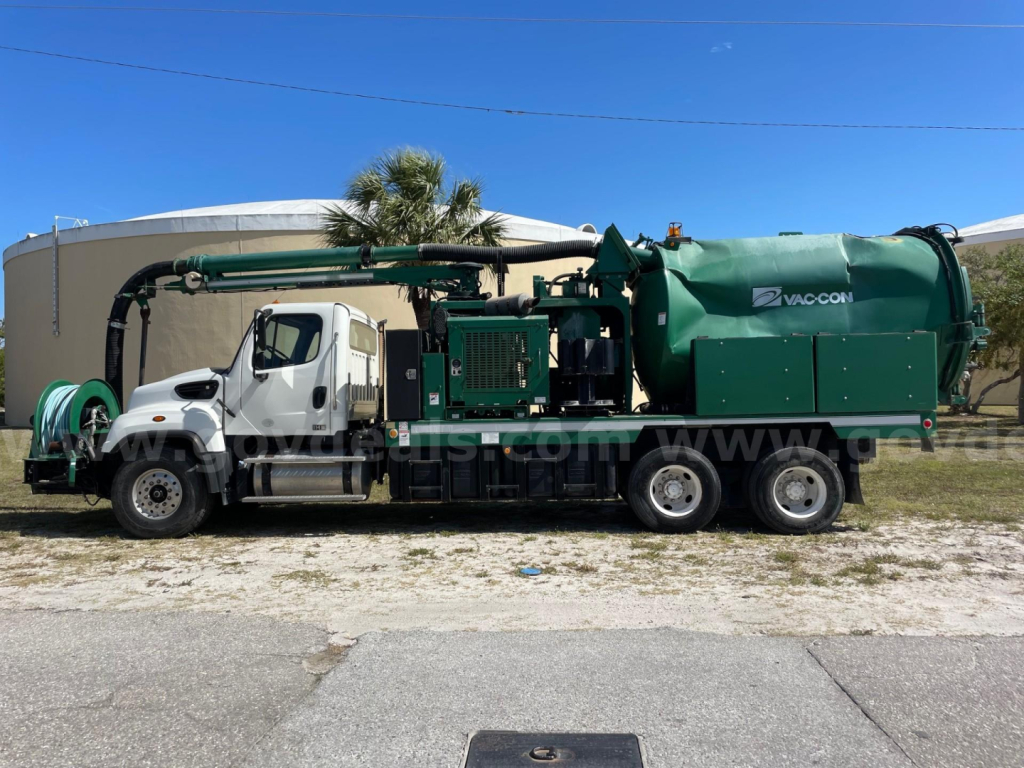
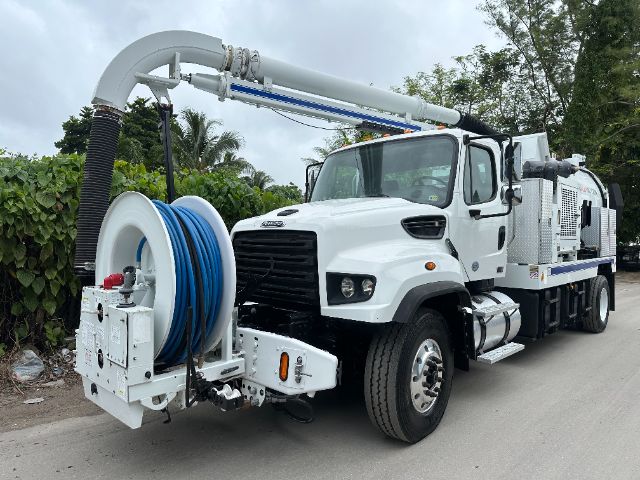
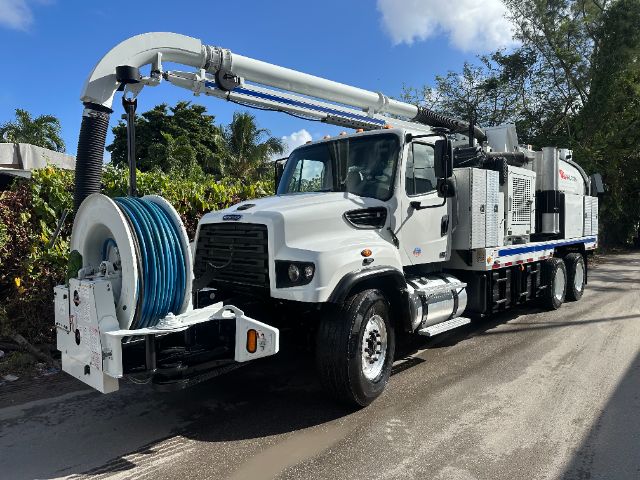
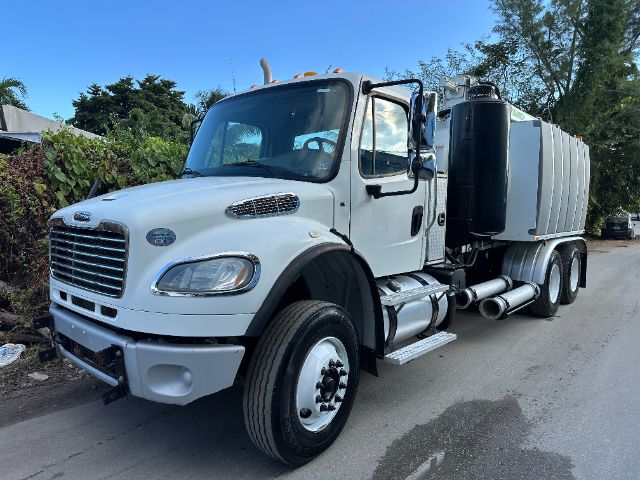
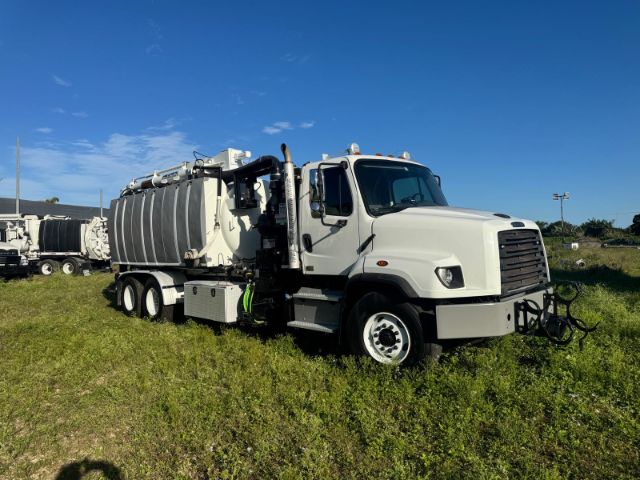
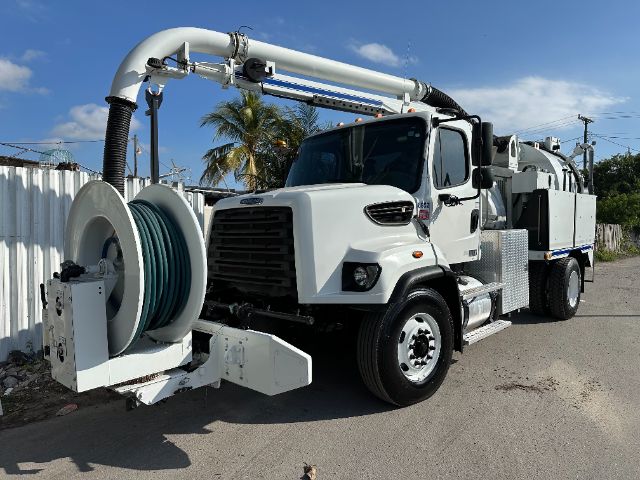
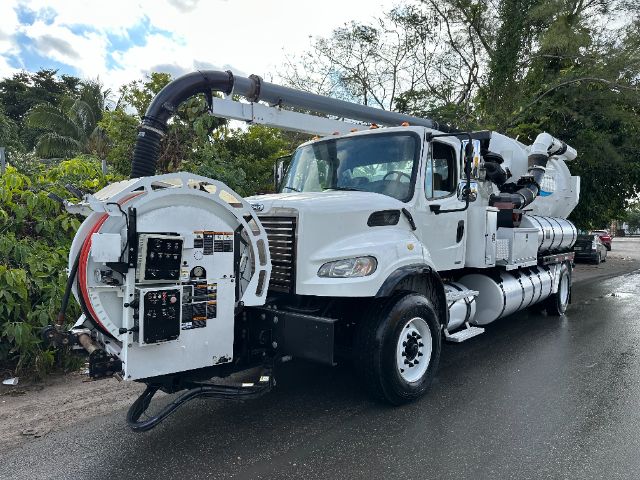
Selling a used freightliner vacuum truck? List your used freightliner vacuum truck for sale and reach thousands of commercial buyers.
Used Freightliner Vacuum Trucks in Florida
A big buying decision is combo configuration versus straight vacuum service. Many used Freightliner vacuum trucks are vacuum jetter combo units with high-pressure water systems for sanitary sewer and storm line cleaning. Common setups include 40 to 80 GPM water pumps in the 2,500 to 3,000 PSI range, freshwater capacity from roughly 500 to 1,500 gallons, and debris bodies from about 3 to 15 cubic yards. Vacuum systems vary by blower or fan design, with positive displacement blowers often used where steady suction and material transfer matter, while fan systems may appeal when high airflow is the priority. Buyers should confirm reel layout, rear or top-mounted boom configuration, hydraulic dump function, tailgate seals, and lock operation because those details directly affect daily productivity.
Freightliner chassis specs matter just as much as the body. The Cummins ISL 8.9L is common in this class, usually paired with an automatic transmission, and it has the torque range many municipal and contractor fleets want for stop-and-go service. Check GVWR against the body size, water load, and the material you expect to haul. In Florida, corrosion and moisture exposure should be part of any inspection, especially around subframes, tank saddles, hose reel mounts, plumbing, electrical connections, and rear door sealing surfaces. A used vacuum truck with moderate miles can still be a high-hour machine, so maintenance records on the pony motor, blower, jetter pump, hydraulic system, and filtration components are often more important than odometer reading alone.
Body brand and support network also influence long-term value. Common names in this category include Vac-Con, Hi-Vac, and Aquatech, each with different layouts, controls, and service parts considerations. Ex-municipal Freightliner vacuum trucks can be attractive because they are often maintained on schedule, but buyers should still inspect for idle-heavy use, PTO wear, and signs of repeated short-route operation. The right used Freightliner vacuum truck comes down to matching debris capacity, water volume, suction system, and chassis rating to the work mix. A contractor focused on tight urban sewer runs may prefer a shorter, lighter combo unit, while crews handling larger cleanout volumes usually benefit from a bigger SD chassis with more water and debris capacity.
Frequently Asked Questions about Used Freightliner Vacuum Trucks in Florida
What should I look at first on a used Freightliner vacuum truck?
Start with the complete operating profile, not just the odometer. Compare truck miles, engine hours, PTO hours if available, blower or fan hours, and water pump usage. Then inspect the vacuum package itself, including the debris body, rear door seals, hydraulic dump system, hose reels, boom, filtration, and plumbing. On a Freightliner chassis, buyers also want to review engine and transmission service history, cooling system condition, suspension wear, and brake condition because vacuum trucks typically work in stop-and-go duty cycles.
What is the difference between a vacuum truck and a vacuum jetter combo truck?
A straight vacuum truck is built mainly to vacuum and contain liquids, sludge, or debris. A vacuum jetter combo truck adds a high-pressure water system so the operator can break up and flush material before vacuum recovery. For sewer and storm drain cleaning, a combo unit is usually more versatile because it can jet the line and recover the debris with one truck. That added versatility also means more components to inspect, including the water pump, freshwater tank, reels, nozzles, and related hydraulics.
Which Freightliner models are common for vacuum truck applications?
The Freightliner M2, 108SD, and 114SD are all common in this category. M2 chassis are often used for lighter or more compact vacuum and jetter builds, while the 108SD and 114SD are better known for heavier municipal and contractor applications. The larger SD models typically carry larger debris bodies, more freshwater, and heavier vacuum packages. The best fit depends on required GVWR, body size, route conditions, and the type of material being handled.
Are ex-municipal used Freightliner vacuum trucks a good buy?
They can be, especially when maintenance records are available and the truck shows consistent fleet servicing. Municipal units are often maintained on schedule and may have desirable safety and equipment specifications. The tradeoff is that many have spent years in severe stop-and-go duty with long idle periods, frequent PTO engagement, and short-trip operation. Buyers should inspect for wear in the vacuum system, hydraulics, electrical circuits, and chassis components rather than assuming fleet ownership automatically means lower risk.
What vacuum truck specs matter most for Florida buyers?
In Florida, many buyers focus on corrosion exposure, cooling system health, and suitability for municipal sewer, stormwater, utility, and industrial cleaning work. Important specs include debris body size, freshwater capacity, blower or fan type, water pump GPM and PSI, boom and reel arrangement, and chassis GVWR. Because heat and humidity can accelerate wear on hoses, seals, wiring, and hydraulic components, a thorough inspection of the truck's plumbing, electrical connections, and rear door sealing surfaces is especially important.