
Used 2014 Freightliner Vacuum Trucks For Sale in Florida
Browse used 2014 Freightliner vacuum trucks in Florida, including combo jetter units with common specs, applications, and buying considerations.
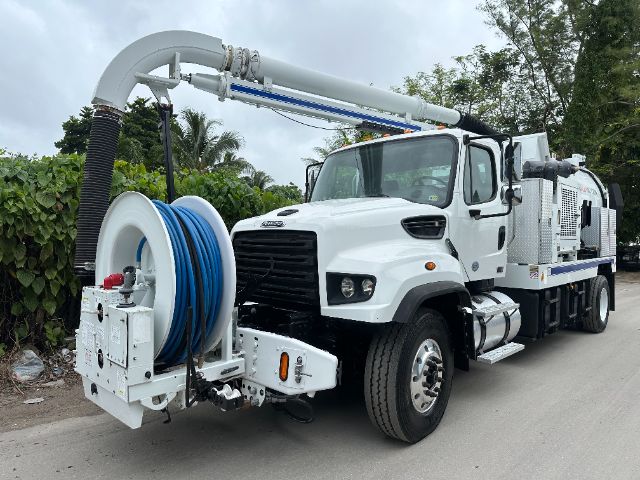
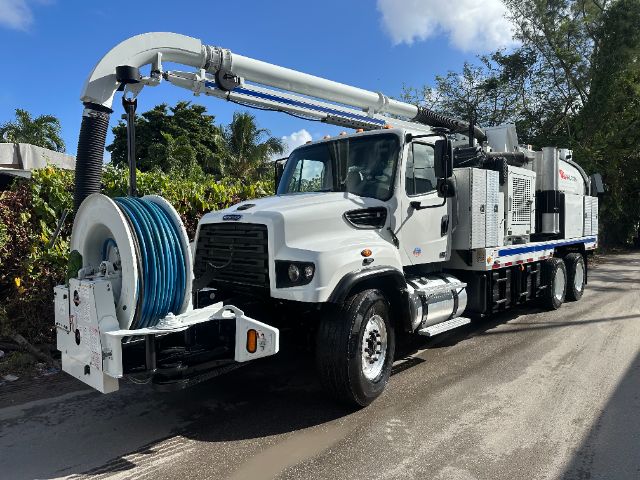
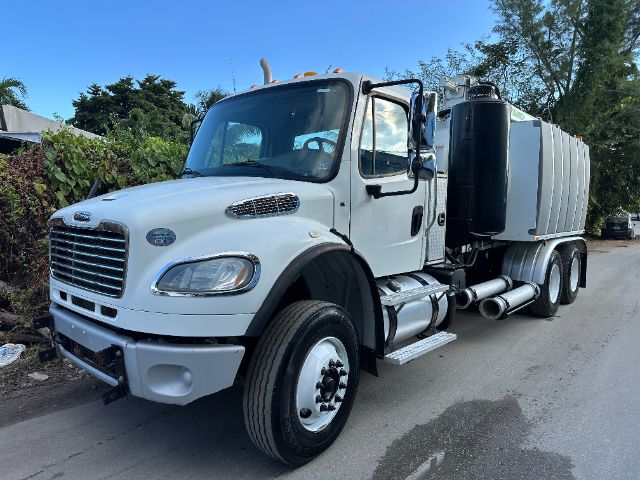
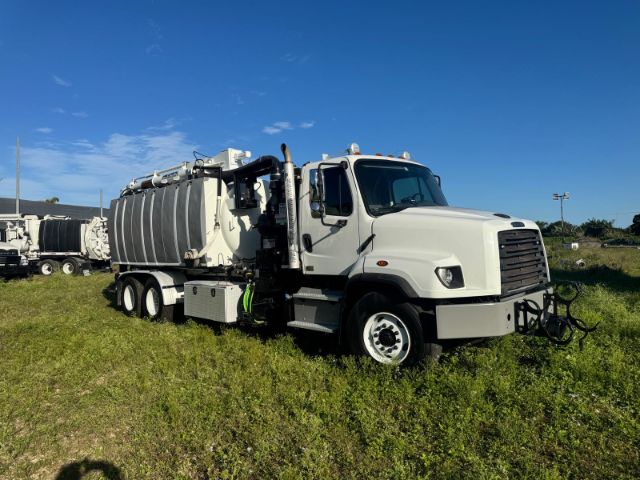
Selling a used 2014 freightliner vacuum truck? List your used 2014 freightliner vacuum truck for sale and reach thousands of commercial buyers.
Used 2014 Freightliner Vacuum Trucks in Florida
The body and vacuum system matter as much as the chassis. Sample configurations in this class show debris bodies ranging from around 5 to 15 yards, freshwater capacity from roughly 850 to 1,500 gallons, and water pumps in the 50 to 80 GPM range at about 2,500 to 3,000 PSI. Common vacuum components include positive displacement blowers such as Roots or Howden units, while some trucks use fan systems depending on the intended duty cycle and lift requirements. A larger debris body and bigger water tank improve productivity on longer jobs, but they also affect wheelbase, payload distribution, and maneuverability in tighter municipal or industrial settings.
On 2014 Freightliner vacuum trucks, the Cummins ISL 8.9L and automatic transmission are common and generally well-matched to this application. For a used unit, miles tell only part of the story. Engine hours, PTO hours, blower condition, pump output, hose reel operation, hydraulic dump function, and rear door locking systems are all critical inspection points. Ex-municipal trucks can be attractive because they are often maintained on schedule, but buyers should still verify service records, corrosion exposure, blower oil history, tank condition, and any signs of stress cracking around mounts, hinges, or subframe components. In Florida, attention to cooling system performance, hydraulic hose condition, and the effects of heat and humidity on seals and electrical systems is especially important.
A buyer comparing listings should first match the truck to the work profile. A 3 to 5 yard unit can make sense for tighter urban access and lighter daily cleaning work, while a 10 to 15 yard truck is better suited for higher-volume sewer and industrial cleanup operations. Rear-mounted hose reels, top-mounted booms, hydraulic hose reels, and hydraulic tailgate locks all affect labor efficiency on the jobsite. If the truck is a vacuum jetter combo, confirm the jetter pump model, rated flow and pressure, and whether the setup is driven off the chassis or a pony motor. The best value in this category usually comes from balancing chassis condition, vacuum system health, and the right body size for the routes and contracts the truck will actually serve.
Frequently Asked Questions about Used 2014 Freightliner Vacuum Trucks in Florida
What should I inspect first on a used 2014 Freightliner vacuum truck?
Start with the vacuum system and jetting equipment, not just the truck chassis. Verify blower performance, pump pressure and flow, tank integrity, hydraulic dump operation, hose reel function, rear door seals, and PTO or pony motor condition. After that, review engine hours, miles, maintenance records, tire condition, suspension wear, and any frame or subframe cracking. On a vacuum truck, the work equipment usually drives repair costs faster than the cab and chassis.
What is the difference between a vacuum truck and a vacuum jetter combo truck?
A straight vacuum truck is built mainly to recover liquids, sludge, and debris through suction. A vacuum jetter combo truck adds a high-pressure water system for cleaning sewer lines, storm drains, and other piping before or during debris removal. Combo units are more versatile for municipal and utility work, but they have more components to inspect, maintain, and repair, including the water pump, reel system, and freshwater tank.
Are Freightliner 114SD and M2 chassis good choices for vacuum truck service?
Yes. Both are widely used in vocational applications, but they suit slightly different duty cycles. The 114SD is typically favored for heavier, more demanding work because of its rugged vocational design and capacity for larger vacuum bodies. The M2 is common in medium-duty and regional service applications where maneuverability and operating cost matter. The right choice depends on body size, GVWR, route density, and the kind of debris or wastewater work the truck will handle.
How do debris body size and freshwater capacity affect buying decisions?
Debris body size affects how long the truck can stay on a job before dumping, while freshwater capacity affects jetting duration and cleaning productivity. A larger body and tank can reduce trips and improve efficiency on long sewer cleaning runs, but they add weight and may limit maneuverability in tight neighborhoods or plant environments. Buyers should match these specs to actual job lengths, disposal access, and road weight limits rather than assuming bigger is always better.
Why are ex-municipal vacuum trucks so common on the used market?
Municipal fleets are major users of vacuum and combo jetter trucks for sewer, stormwater, and public works maintenance, so many used units come from city or county service. These trucks often benefit from scheduled maintenance and documented fleet records, which is a plus for buyers. The tradeoff is that idle time, short-cycle operation, and accumulated PTO hours can still create wear in pumps, blowers, hydraulics, and body components, so a fleet history should support inspection, not replace it.