
Used 2014 Freightliner Vacuum Trucks For Sale
Browse used 2014 Freightliner vacuum trucks, including sewer jetter and combo units, with specs on chassis, tank size, blower, water system, and PTO setup.
Selling a used 2014 freightliner vacuum truck? List your used 2014 freightliner vacuum truck for sale to reach thousands of commercial buyers.
Used 2014 Freightliner Vacuum Trucks
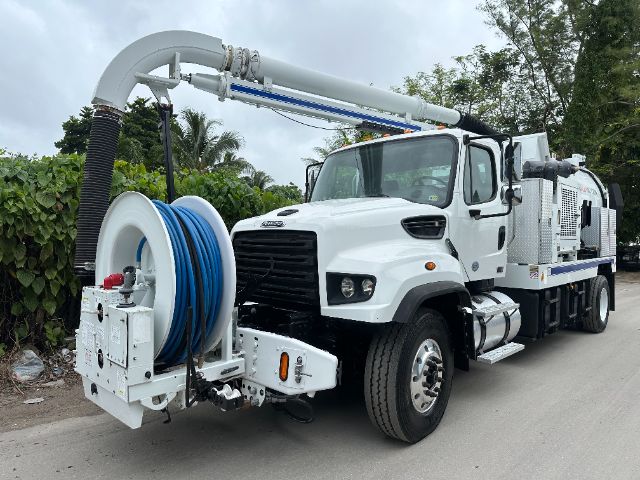
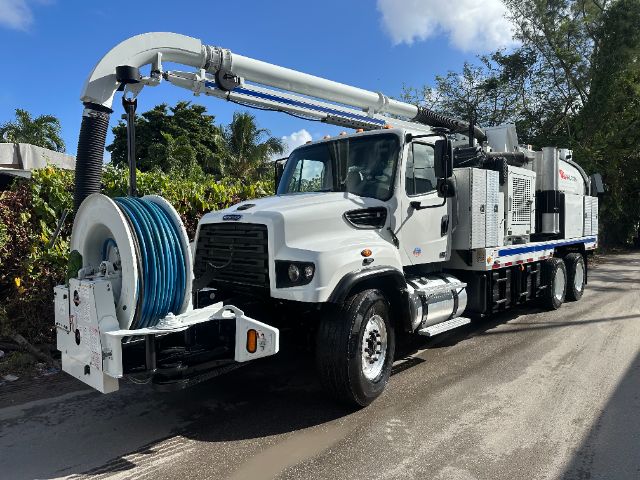
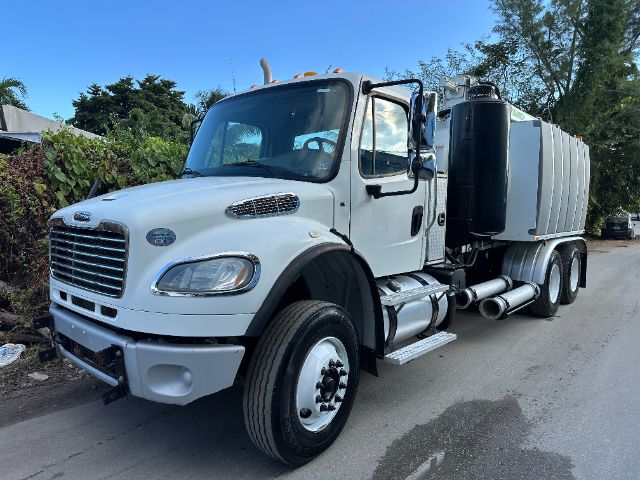
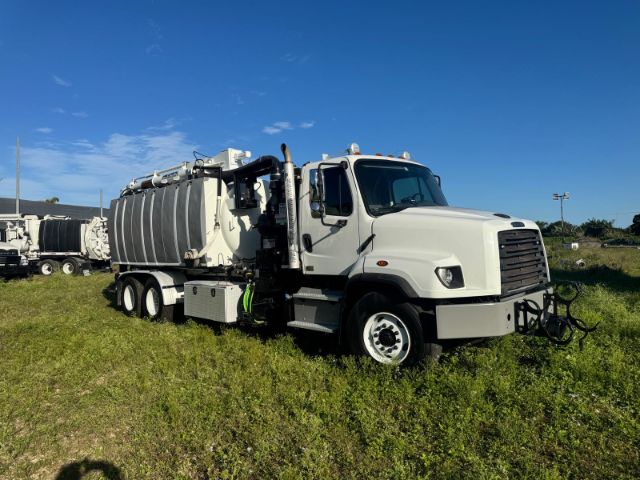
The body configuration is what separates one vacuum truck from another. Some 2014 Freightliner vacuum trucks are straight vacuum loaders for dry material and liquid recovery, while others are sewer jetter or combo trucks with both vacuum and high-pressure water systems. Common specs to compare include debris tank capacity in cubic yards, fresh water capacity, blower CFM, vacuum rating in inches of mercury, hose diameter, boom reach, and water pump output in GPM and PSI. On sewer maintenance units, front or rear hose reels, telescoping booms, cyclonic separators, final filtration, and hydraulic rear door systems all affect productivity. If the truck will be used for jetting mains, cleaning lift stations, or hydro excavation, the water system design and auxiliary engine hours deserve close attention.
Because these are used 2014 models, condition evaluation should go beyond cab mileage. A vacuum truck can have moderate road miles but high blower, water pump, or pony motor hours. Look closely at the vacuum blower, jet pump, hose reel operation, boom pivot wear, hydraulic leaks, tank corrosion, rear door seals, and controls. Ex-municipal trucks are common in this segment and can be attractive because they were maintained on schedule, but buyers should still verify hour meter readings, winterization history, and whether the body manufacturer still supports key components. If the truck has a combo sewer body from Vactor, Vac-Con, or a similar builder, replacement parts availability and local service support can be just as important as chassis specs.
A 2014 Freightliner vacuum truck can be a strong fit for municipalities, utility contractors, septic service operations, and industrial maintenance crews that need a proven vocational platform without stepping into new-equipment pricing. The best choice depends on the work mix. Sewer cleaning fleets often prioritize water capacity, hose reel capacity, and jet performance. Excavation and cleanup work may put more emphasis on boom functionality, debris body size, and vacuum recovery rate. Freightliner remains a practical option in this class because the chassis is familiar to many shops, widely supported, and commonly spec'd for medium-duty and severe-service vacuum applications.
Frequently Asked Questions about Used 2014 Freightliner Vacuum Trucks
What should I look at first on a used 2014 Freightliner vacuum truck?
Start with the chassis and body as two separate systems. Confirm the engine, transmission, GVWR, axle ratings, and brake setup on the Freightliner chassis, then evaluate the vacuum body for debris tank capacity, water capacity, blower output, pump performance, and hydraulic function. On a used unit, component hours often matter more than odometer miles. Pay close attention to blower hours, auxiliary engine hours if equipped, hose condition, boom wear, rear door sealing, and signs of corrosion in the tank and plumbing.
Are 2014 Freightliner vacuum trucks usually sewer jetter combo trucks or standard vacuum units?
They can be either, depending on how the truck was originally spec'd. In the used market, many Freightliner vacuum trucks from this period are sewer cleaning combo units with both vacuum recovery and high-pressure jetting capability, especially on ex-municipal chassis. Others are set up more for industrial vacuum work, liquid waste recovery, or hydro excavation support. The listing details should confirm whether the truck has a water system, jet hose reel, auxiliary engine, and combo-style body features.
How important are hours on the blower or pony motor compared with chassis miles?
Very important. Vacuum trucks often spend long periods operating stationary while the blower, water pump, or auxiliary engine does the real work, so low road miles do not automatically mean low wear. A truck with moderate mileage but high body-system hours may need more immediate attention than a higher-mile chassis with lower equipment hours and strong maintenance records. Buyers should compare chassis miles, engine hours, blower hours, and pump or pony motor hours together to get a realistic picture of total use.
What body specs matter most for sewer cleaning and municipal maintenance?
For sewer cleaning, focus on debris tank size, fresh water tank capacity, water pump output in GPM and PSI, hose reel capacity, boom reach, vacuum blower CFM, and filtration design. Municipal buyers also tend to value cold weather recirculation systems, easy rear door cleanout, reliable hydraulic controls, and accessible service points. If the truck will handle mainline jetting, catch basin cleaning, and lift station work, balanced vacuum and water performance is more useful than chasing only one headline spec.
Is a Freightliner chassis a good platform for a used vacuum truck?
Freightliner is a well-established vocational chassis choice for vacuum truck applications because parts support, shop familiarity, and body-builder compatibility are generally strong. Models such as the M2 and 114SD are common under vacuum, jetter, and combo bodies, which helps with service knowledge and resale confidence. The chassis alone does not guarantee a good purchase, but it is a practical platform for buyers who want a truck that many municipal and contractor fleets already know how to maintain.