
Used Freightliner Vacuum Trucks For Sale
Shop used Freightliner vacuum trucks including 114SD and M2 106 models built for sewer cleaning, hydro excavation, catch basin, and utility work.
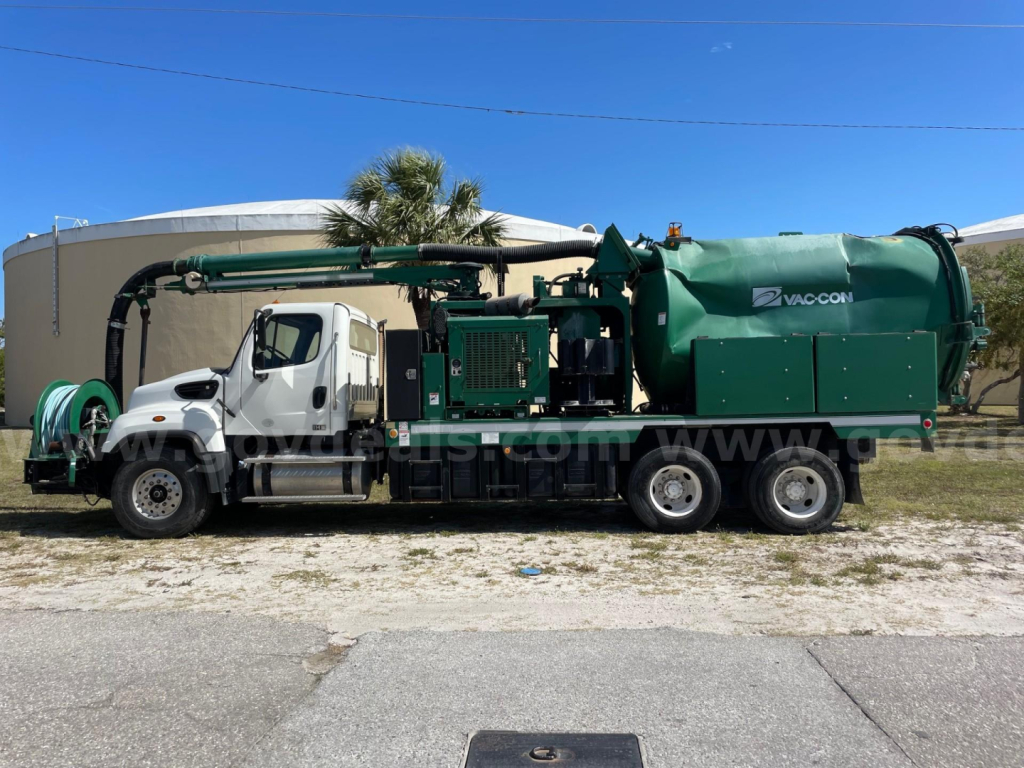
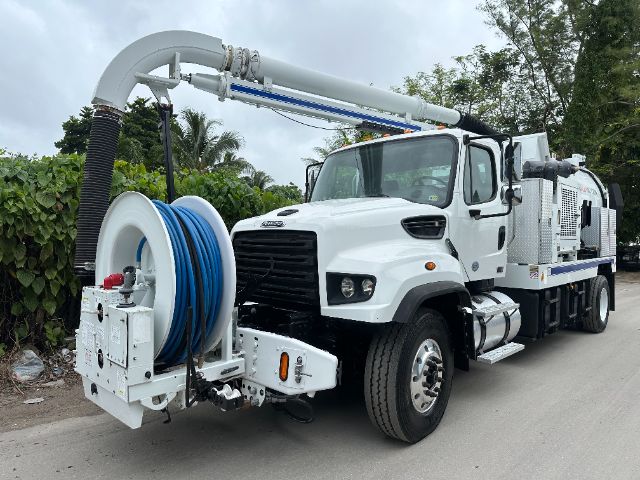
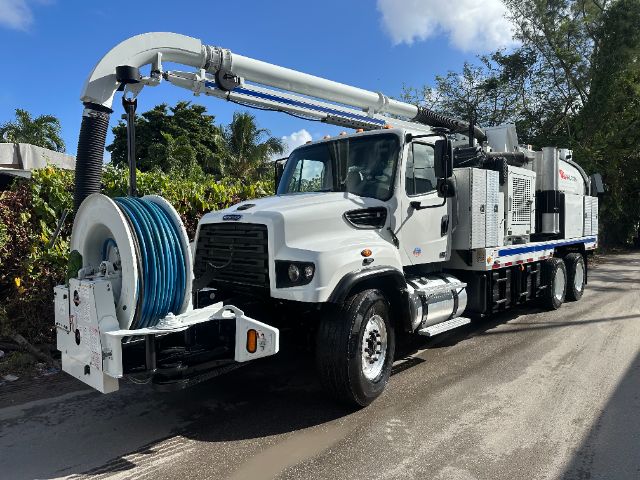
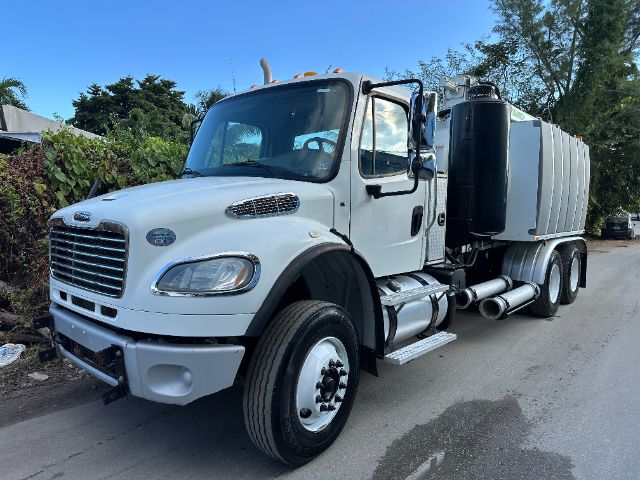
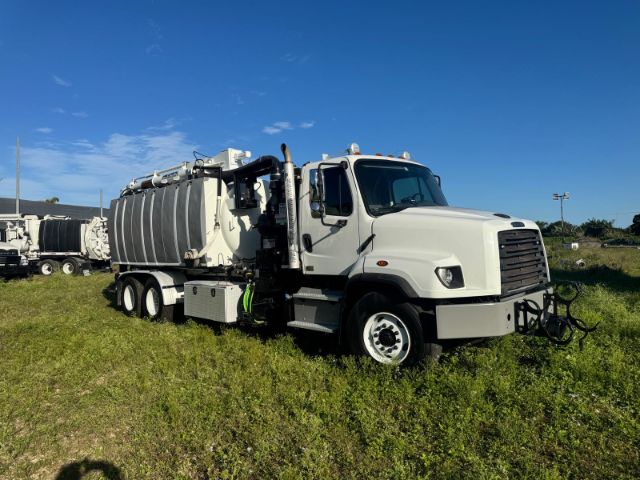
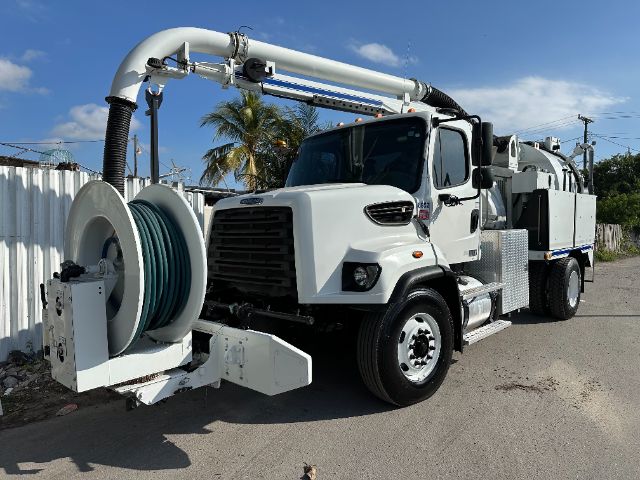
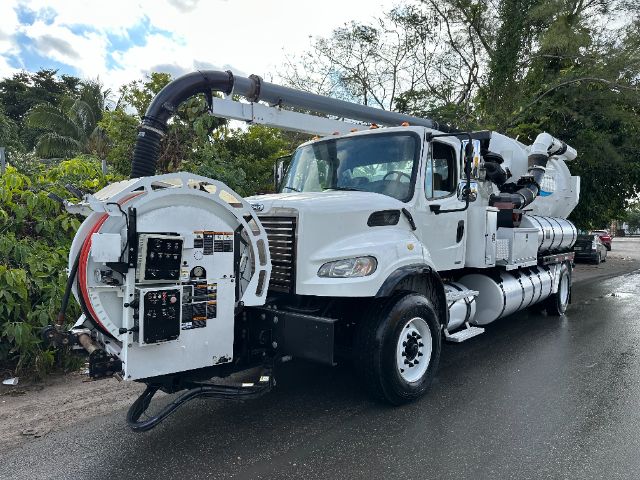

Selling a used freightliner vacuum truck? List your used freightliner vacuum truck for sale and reach thousands of commercial buyers.
Used Freightliner Vacuum Trucks
The first buying decision is usually straight vacuum versus combo vacuum-jetter. A combo unit adds a high-pressure water system for line cleaning and excavation, often with freshwater capacity in the 1,000 to 1,500 gallon range and water pumps rated around 60 to 80 GPM at roughly 2,000 to 2,500 PSI. Vacuum systems commonly include positive displacement blowers, 8-inch hose systems, filtration stages, boom assemblies, and debris tanks ranging from about 9 to 15 cubic yards. On used units, pay close attention to blower hours, water pump hours, boom wear, hose reel condition, tailgate seals, and hydraulic dump performance. A truck with moderate chassis miles can still have significant wear in the vacuum package if it spent years in daily municipal service.
Freightliner 114SD vacuum trucks are typically the heavier vocational option, better suited for larger debris bodies, higher GVWRs, and demanding municipal or utility cycles. The M2 106 is often found in lighter or more compact applications where maneuverability matters. Common powertrains include Cummins ISC, ISL, and other mid-range diesel engines paired with Allison automatic transmissions, a combination many buyers prefer for stop-and-go service work and PTO integration. Front axle capacity, suspension spec, wheelbase, and frame layout should match the body and the intended route conditions, especially if the truck will be working on uneven jobsites, tight urban streets, or long municipal service runs.
Condition on a used vacuum truck should be judged as much by the body as by the truck itself. Service records for the blower, jetter pump, hydraulic system, and annual municipal inspections can tell you more than odometer miles alone. Look for corrosion in the debris tank, water tank integrity, boom pivot play, hose reel motor leaks, valve condition, and signs of patchwork around the rear door and dump body. If the truck is a former municipality unit, that can mean consistent fleet maintenance, but also frequent idling and repetitive short-route duty. A strong used Freightliner vacuum truck is one with the right body size, vacuum and water specs, chassis capacity, and documented maintenance history for the type of sewer, utility, excavation, or environmental work it will be expected to handle.
Frequently Asked Questions about Used Freightliner Vacuum Trucks
What is the difference between a vacuum truck and a combo vacuum-jetter truck?
A vacuum truck is built primarily to suction liquids, sludge, debris, and spoil into a debris tank. A combo vacuum-jetter truck adds a high-pressure water system that can clean sewer lines, break up obstructions, and support hydro excavation. Combo units are more versatile for municipal sewer maintenance and underground utility work, but they are also more complex because the water pump, plumbing, reels, and controls add another major system to inspect and maintain.
Which Freightliner chassis is more common for vacuum trucks, the M2 106 or the 114SD?
Both are common, but they usually serve different ends of the application range. The Freightliner M2 106 is often chosen for lighter or more compact vacuum bodies where turning radius and overall size matter. The Freightliner 114SD is more typical in heavier-duty combo units with larger debris tanks, higher water capacity, and tougher vocational use. Buyers should compare axle ratings, wheelbase, frame strength, and body size instead of choosing by model name alone.
What should I inspect first on a used Freightliner vacuum truck?
Start with the vacuum body and support systems before focusing only on miles. Blower performance, pump hours, tank condition, hydraulic functions, boom operation, hose reel condition, rear door seals, and PTO engagement are critical. After that, inspect the chassis for engine health, transmission behavior, frame condition, suspension wear, and evidence the truck has been matched properly to the body. A clean-running chassis does not guarantee the vacuum package is in ready-to-work condition.
Are ex-municipal Freightliner vacuum trucks a good buy?
They can be, because municipal fleets often follow scheduled maintenance and document repairs carefully. The tradeoff is that many municipal vacuum trucks accumulate high idle hours, repetitive PTO use, and frequent stop-and-go duty that can wear the blower, pump, hydraulics, and body components more than highway miles would suggest. An ex-municipal truck is usually worth considering if the service history is available and the body systems test well under operation.
What specs matter most when buying a used Freightliner sewer or hydro excavation vacuum truck?
The most important specs are debris tank capacity, freshwater capacity, blower rating in CFM and Hg, water pump GPM and PSI, boom reach, hose size, and the truck's axle and GVWR ratings. Those numbers determine what kind of work the truck can do efficiently and legally. A buyer handling municipal line cleaning may prioritize water volume and jetting performance, while a hydro excavation contractor may focus more on boom reach, spoil capacity, and overall maneuverability.