
Used 2017 Freightliner Trucks For Sale in Florida
Shop used 2017 Freightliner trucks in Florida. Compare Cascadia, M2 and vocational specs, engines, GVWR classes, and common applications.
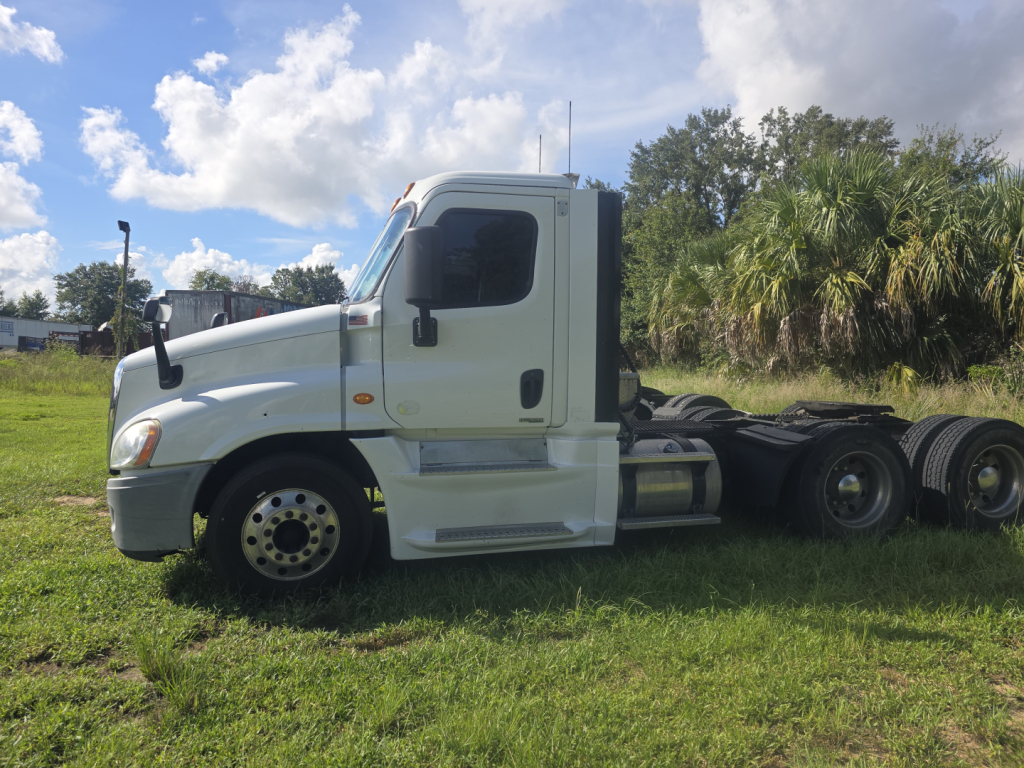
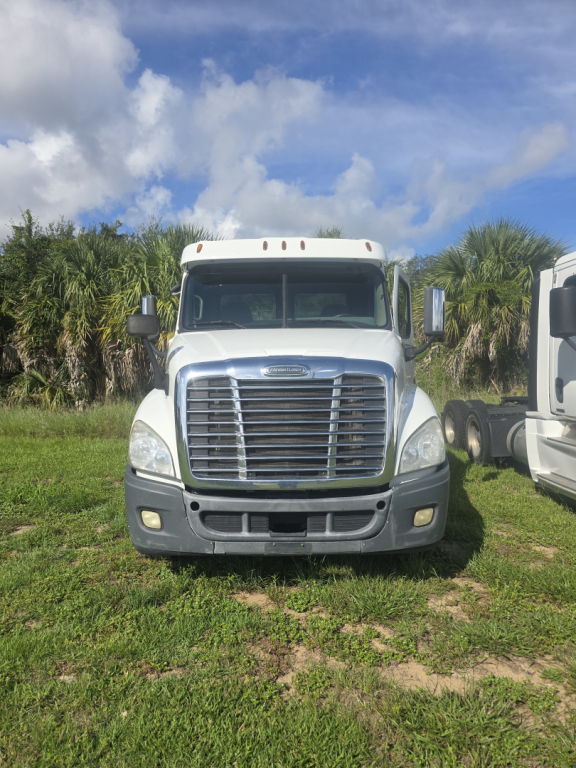
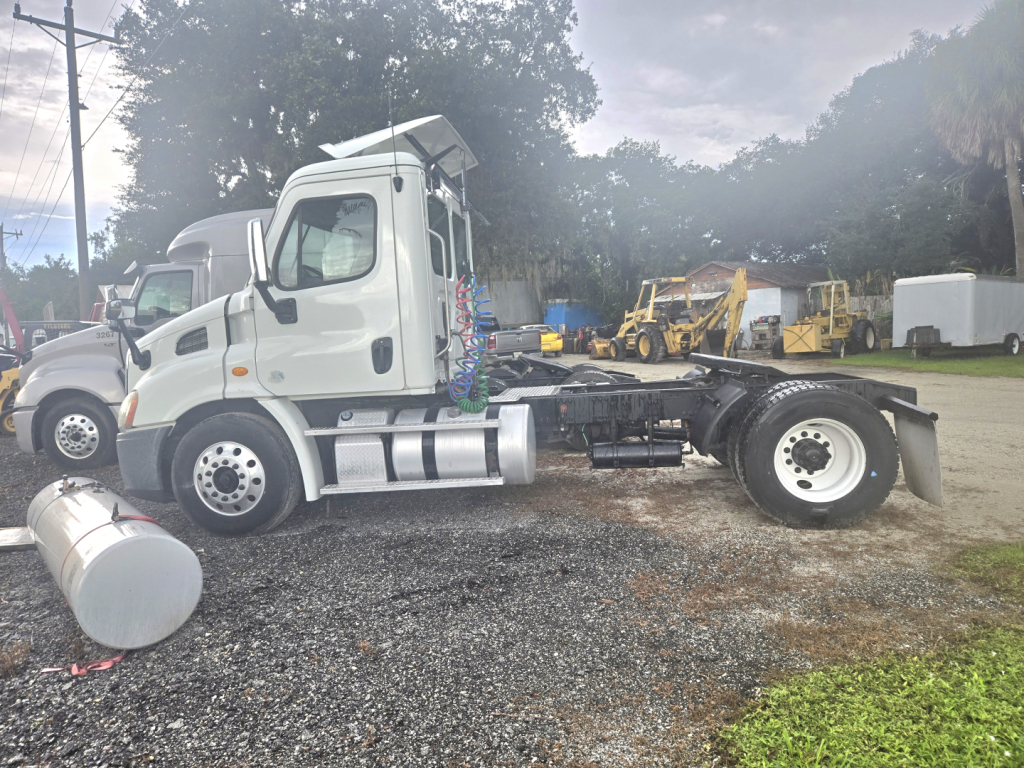
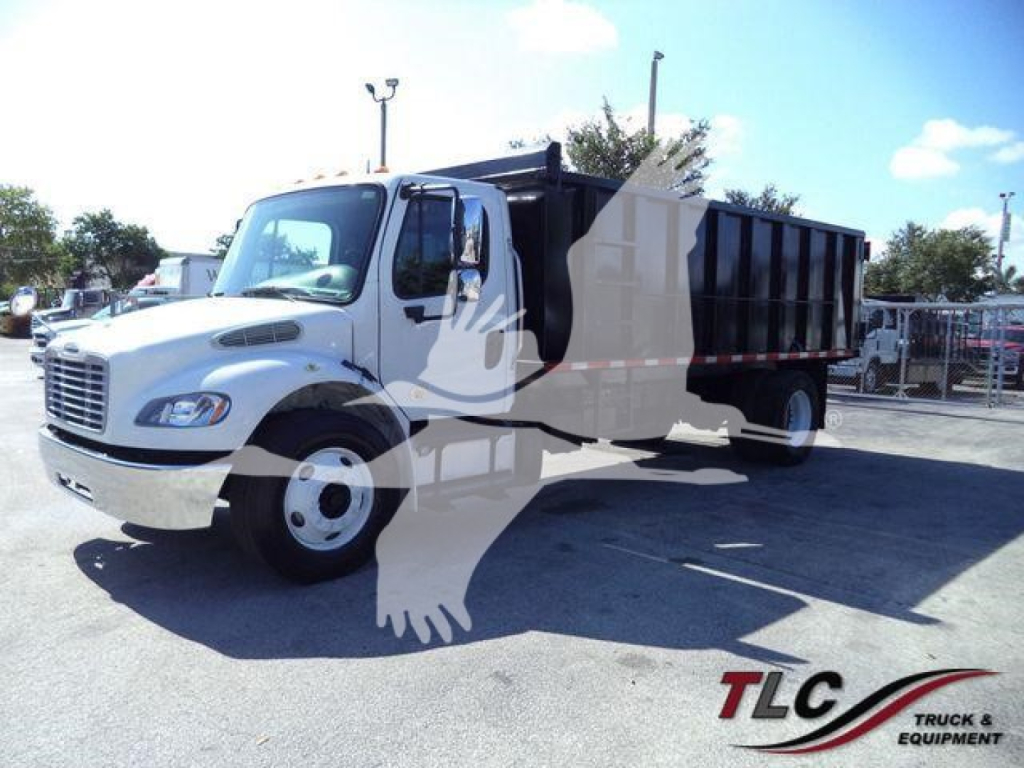
Selling a used 2017 freightliner truck? List your used 2017 freightliner truck for sale and reach thousands of commercial buyers.
Used 2017 Freightliner Trucks in Florida
For over-the-road work, a 2017 Freightliner Cascadia is typically equipped with a Detroit DD13 or DD15, automated manual transmission options such as the DT12, and aero components that help on fuel economy in regional or long-haul service. Day cabs are common in port, drayage, and local freight lanes across Florida, while sleeper configurations fit longer runs through the Southeast. Key checkpoints include emissions history, idle hours, rear axle ratio, wheelbase, fifth wheel type, and service records for the aftertreatment system. On used highway trucks, buyers should also look closely at collision mitigation features, fairing condition, tire wear pattern, and signs of previous frame or suspension repairs.
For medium-duty and straight-truck applications, 2017 Freightliner M2 models are widely used as dry vans, refrigerated trucks, flatbeds, stake bodies, and service bodies. Common specs include Cummins ISB power, Allison automatic transmissions, hydraulic or air brake setups depending on class, and GVWR ratings that often land near the non-CDL threshold or in full Class 6 and Class 7 territory. In Florida delivery work, body condition matters as much as chassis condition. Check liftgate capacity, floor wear, roll-up door operation, reefer hours if equipped, and any corrosion around crossmembers, door frames, and body mounts. If the truck is set up for equipment hauling, review deck length, dovetail design, ramp rating, and tie-down layout.
Florida buyers should also consider cooling system performance, air conditioning output, and the effect of coastal humidity on wiring, connectors, and underbody corrosion. Freightliner remains popular because parts support is broad, technicians know the platforms well, and resale demand stays healthy in both tractor and medium-duty segments. A well-matched used 2017 Freightliner truck can still deliver solid uptime if the specifications fit the route, payload, and body type, and if maintenance history confirms the engine, transmission, suspension, and emissions components have been cared for properly.
Frequently Asked Questions about Used 2017 Freightliner Trucks in Florida
What are the most common 2017 Freightliner truck models buyers look for in Florida?
The most common 2017 Freightliner trucks in Florida are usually the Cascadia for highway tractor work and the M2 series for medium-duty and vocational applications. Cascadia models are frequently used as day cabs or sleepers for regional haul, drayage, and general freight. M2 trucks are often configured as box trucks, reefers, flatbeds, tow units, and service trucks. The right choice depends more on the job than the badge, so buyers should match the platform to payload, body type, axle rating, and route profile.
Is a used 2017 Freightliner a good choice for fleet replacement or startup operations?
A used 2017 Freightliner can be a practical choice because it offers newer design features and broad parts support while staying below the cost of newer model years. For fleet replacement, the advantage is consistency in serviceability and driver familiarity. For startup operations, the key is to avoid buying only on price and instead confirm maintenance records, emissions performance, tire condition, brake wear, and any body or frame repairs. A well-documented truck with the correct specification is usually a better value than a cheaper unit with unknown history.
What should I inspect first on a 2017 Freightliner Cascadia?
Start with the engine and aftertreatment history, transmission operation, fault codes, and evidence of consistent preventive maintenance. On a Cascadia, buyers should review DPF and DEF system service, check for coolant or oil leaks, inspect suspension and steering wear, and confirm the rear axle ratio matches the intended speed and load. Cab condition also matters because worn interior controls, damaged aero panels, and uneven tire wear can point to hard use or deferred maintenance.
What matters most when buying a 2017 Freightliner M2 box or flatbed truck?
Body specification is critical on an M2 because the upfit determines how useful the truck will be in daily service. Buyers should verify body length, floor condition, door function, liftgate rating, tie-down setup, deck material, and any damage to the subframe or mounts. On the chassis side, pay attention to GVWR, brake type, suspension, transmission model, and front and rear axle ratings. Those details decide licensing, payload, and how well the truck will hold up in stop-and-go delivery or equipment hauling work.
Are 2017 Freightliner trucks easy to maintain in Florida?
Freightliner trucks are generally considered straightforward to maintain because dealer coverage, aftermarket parts availability, and technician familiarity are all strong. In Florida, that matters for fleets running tight schedules in port, construction, agricultural, and urban delivery service. Maintenance still depends on configuration, especially with emissions components, refrigeration units, liftgates, and other auxiliary equipment. Buyers should treat chassis maintenance and body or upfit maintenance as two separate inspection categories before making a purchase decision.