
Used 2003 Freightliner Trucks For Sale
Explore used 2003 Freightliner trucks. Pre-DPF simplicity with Detroit, CAT or Cummins power, Eaton manuals or Allison autos, day cab to sleeper specs.
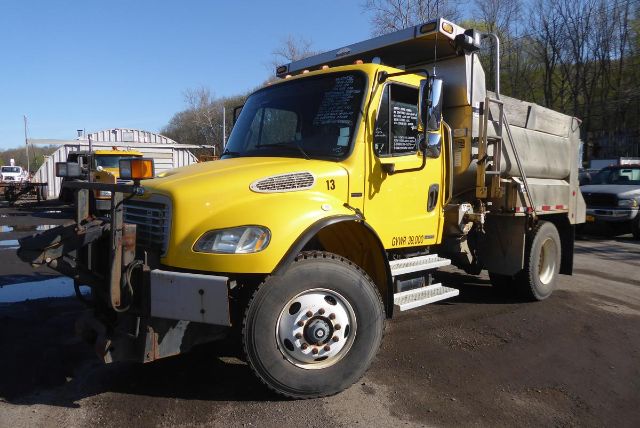
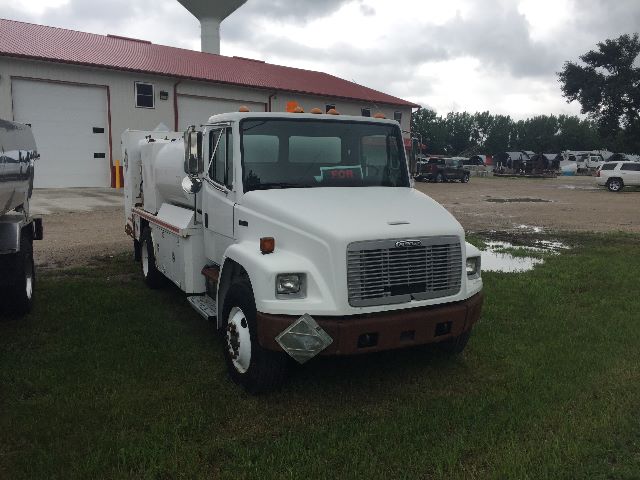

Selling a used 2003 freightliner truck? List your used 2003 freightliner truck for sale and reach thousands of commercial buyers.
Used 2003 Freightliner Trucks
Model mix typically includes Columbia and Century Class aerodynamic sleepers and day cabs, with FLD and Classic XL still in circulation for buyers prioritizing durability and hooded styling. Business Class M2 106 and 112 cover medium-duty and vocational roles like box, dump, service and reefer. Common specs on road tractors include 12k to 13.2k steer axles, 38k to 40k tandems, 3.55 to 3.90 ratios, Eaton Fuller 10 or 13 speed manuals, and Freightliner AirLiner or Hendrickson suspensions. Medium-duty M2 units often pair CAT C7, Cummins ISC or ISB with Allison 3000 series automatics and GVWRs from 26k to 33k. Wheelbases vary widely. A 170 to 230 inch wheelbase is common for 60 to 70 inch sleepers, while regional day cabs often run shorter for better maneuverability and bridge compliance.
Aerodynamic Columbia and Century cabs generally return better fuel economy than FLD or Classic XL hoods, which trade efficiency for service access and curb appeal. Rear axle ratio, tire size and top gear matter as much as engine choice. Direct-drive 10 speeds with 3.36 to 3.55 ratios suit flat country highway work, while overdrive 13 speeds paired with 3.70 to 3.90 ratios help in hills or mixed city duty. 22.5 LP tires lower cruise RPM relative to 24.5 rubber. Expect wide variance in mpg given age, gearing, body type and idle time. Parts availability remains strong through the Freightliner and DTNA network, and Series 60 support is extensive.
Age requires a disciplined inspection. Match ECM miles to odometer and review a current dyno pull and oil analysis. Check for blow-by, CAC leaks, radiator condition, and any history of EGR cooler or turbo replacement. Inspect frame rails and crossmembers for rust and previous repairs, kingpins and suspension bushings for play, fifth wheel lock and height, and driveline angles on stretched or shortened frames. On M2 and vocational builds, evaluate PTO plumbing, body mounts, and wiring integrity around aftermarket upfits. Compliance matters by region. Many 2003 engines are not eligible for on-road operation in California or certain port zones under current CARB rules. For intrastate fleets outside restricted areas, agriculture, vocational tasks, and export markets, a well-kept 2003 Freightliner offers lower acquisition cost and simpler emissions systems with proven powertrains.
Frequently Asked Questions about Used 2003 Freightliner Trucks
Which engines are common in 2003 Freightliner trucks and what should I know about them?
The most common heavy-duty options are Detroit Diesel Series 60 12.7L and 14.0L, Caterpillar C15 or C12, and Cummins ISX or ISM. Many 2003 builds use EGR-only calibrations to meet the EPA 2002 standard. Detroit Series 60 is known for durability and parts availability, but early EGR coolers and valves can require attention. Pre-ACERT CAT C15 variants are sought after for simplicity and torque, while later ACERT versions add complexity. Early Cummins ISX CM870 units run well when maintained but warrant careful inspection of the camshaft, EGR components and fuel system. Always confirm the engine serial and EPA label to understand emissions hardware and parts support.
Are 2003 Freightliner trucks considered pre-emissions and can they run in California?
All 2003 models are pre-DPF and do not use DEF. Many will have EGR-only emissions packages, especially on heavy-duty engines built after October 2002. California Truck and Bus regulations restrict on-road use of older diesel engines, and most 2003 engines are no longer compliant for general operation. Some local exemptions or specialty use cases may exist, but buyers should verify compliance using the engine family number and CARB guidance. Retrofit DPFs do not necessarily make a 2003 engine compliant for all applications.
What transmissions are typical on 2003 Freightliners and how should I choose?
Eaton Fuller 10 speed and 13 speed manuals dominate sleeper and day cab tractors. A 10 speed is simple and cost effective for highway use, while a 13 speed gives better split control on grades and heavy loads. Some units carry early automated manuals like UltraShift, which can be serviceable but should be evaluated for software updates and clutch history. Vocational and medium-duty M2 trucks commonly pair with Allison 3000 or 4000 series automatics for stop-and-go and PTO work. Match top gear type and rear axle ratio to your route speed, terrain and tire size to hit the desired cruise RPM.
What should I inspect on a 2003 Freightliner beyond a basic test drive?
Request ECM mileage, fault code history and service records. Perform a cold start and watch blow-by, then pressure test the charge air cooler and inspect the radiator and EGR cooler for leaks or staining. Check kingpins, spring pins, suspension bushings, and torque rods. Verify fifth wheel condition and height for trailer compatibility. Inspect wiring harnesses at the firewall and battery boxes for chafing or corrosion, and look for cab leaks around windshield seals and sleeper windows. On vocational units, evaluate PTO operation, hydraulic lines and body mounts. An oil sample and a chassis dyno are inexpensive insurance on a truck of this age.
What gearing works best for regional hauling with a 2003 tractor?
For 62 to 68 mph cruise on relatively flat routes, many fleets target a direct-drive top gear with 3.36 to 3.55 rears on 22.5 LP tires. For mixed terrain or heavier loads, an overdrive 13 speed with 3.70 to 3.90 ratios keeps the engine in its torque band on grades. Final choice depends on your target road speed, tire diameter and engine torque curve, so review a cruise RPM calculator and verify the tag on the axle housings before committing.