
Used Freightliner Grapple Trucks For Sale
Browse used Freightliner grapple trucks with dump bodies, hydraulic booms, and heavy-duty chassis for brush, waste, storm debris, and municipal hauling.

Selling a used freightliner grapple truck? List your used freightliner grapple truck for sale and reach thousands of commercial buyers.
Used Freightliner Grapple Trucks
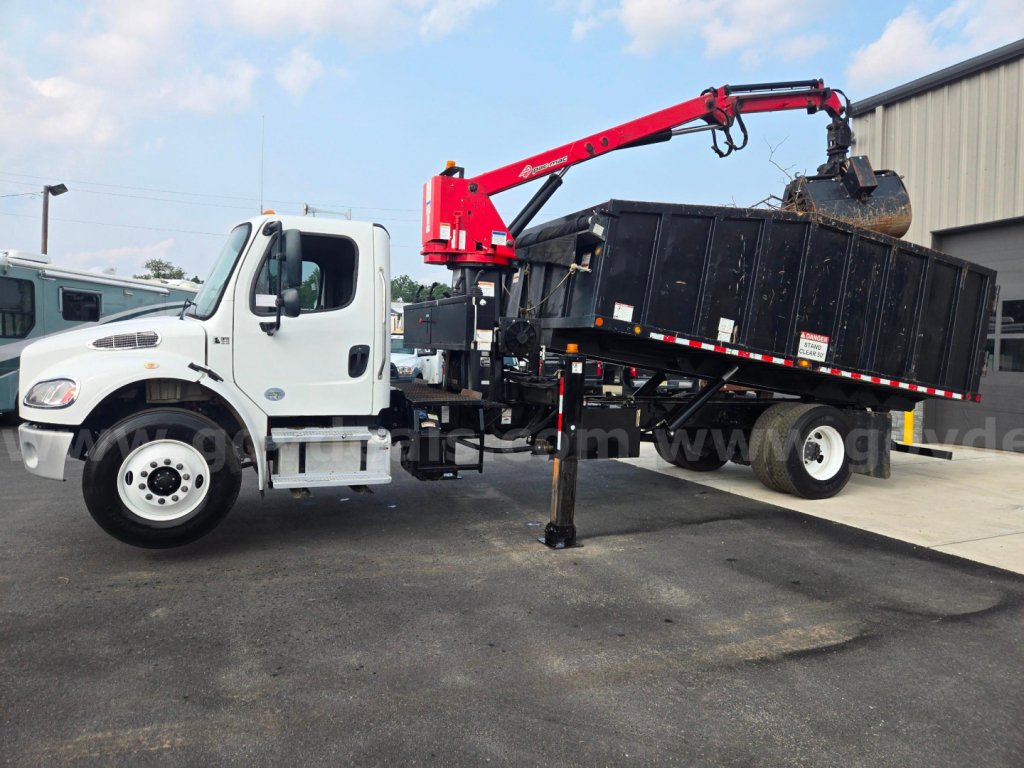
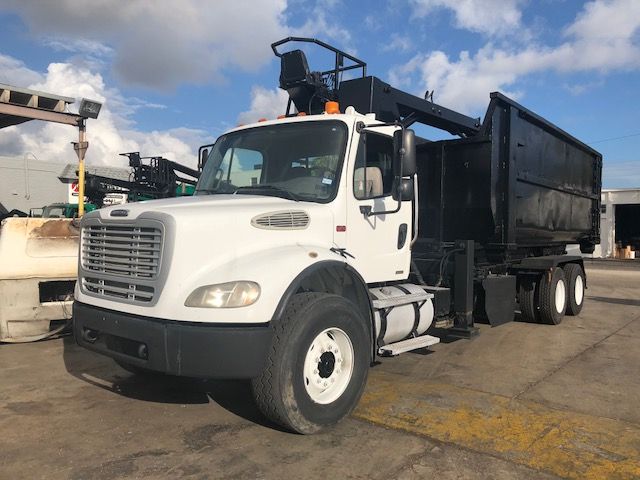
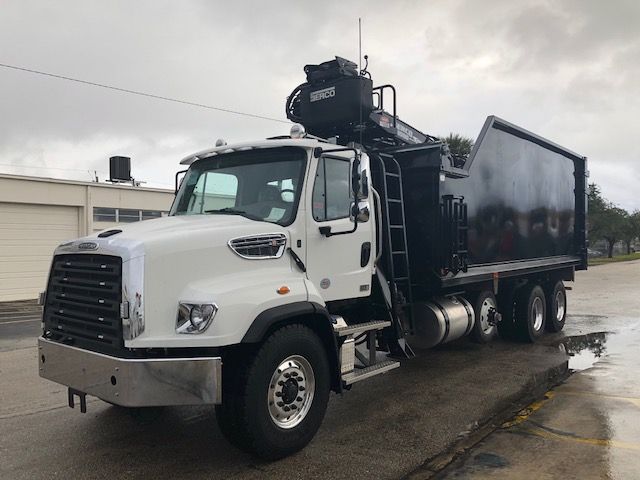
The biggest decision is matching chassis capacity and body style to the material being handled. Medium-duty M2 units are common for municipal brush routes and lighter debris collection, often with Cummins diesel engines and Allison automatic transmissions. Heavier Freightliner 114SD and tandem or tri-axle configurations are better suited for larger payloads, longer bodies, and more demanding grapple packages such as Serco, Petersen Lightning, or Pac-Mac setups. Buyers should compare axle ratings, suspension type, wheelbase, and body dimensions along with grapple reach and lift capacity. A 4-foot extension, upper operator station, or larger waste grapple can make a major difference in production depending on the route and the material stream.
Used grapple trucks need closer inspection of the hydraulic and structural systems than a standard vocational truck. Check the main boom pins, rotator, stick cylinder seals, outriggers if equipped, and valve bank function under load. Look at the dump body floor, sidewalls, and rear doors for rust, cracking, and previous repairs. On refuse and brush units, floor wear and body corrosion are common. If the truck has a roll-off and grapple combination, inspect the hoist rails, hook or cable system, and PTO engagement along with the crane. Service records are especially valuable on ex-municipal trucks because they often show regular maintenance intervals on the engine, transmission, and hydraulic components.
Freightliner grapple trucks also tend to be practical from a parts and service standpoint. M2 and SD series trucks are common across municipal and contractor fleets, which helps with uptime and technician familiarity. For buyers comparing listings, the most useful specs are engine family, horsepower, transmission model, front and rear axle ratings, body length and height, grapple brand, boom reach, and actual operating hours. A lower-mile truck is not automatically the better truck in this category. A well-maintained unit with documented hydraulic service, solid frame condition, and a clean-working boom is usually the stronger buy for debris, scrap, or waste applications.
Frequently Asked Questions about Used Freightliner Grapple Trucks
What should I inspect first on a used Freightliner grapple truck?
Start with the hydraulic system and the structure around the boom mount. Check for pin and bushing wear, cylinder leaks, rotator play, cracked welds, and slow or uneven boom movement. After that, inspect the dump body or roll-off system for rust, floor wear, door alignment, and previous repairs. Engine hours, PTO operation, and maintenance history are often more important than odometer mileage on a grapple truck.
Which Freightliner models are most common for grapple truck applications?
The most common Freightliner platforms in this category are the M2 106, M2106, M2 112, and 114SD. M2-series trucks are often used for municipal brush pickup and lighter debris work, while M2-112 and 114SD chassis are better suited for heavier crane packages, larger dump bodies, tandem axles, and higher payload demands. The right choice depends on body size, grapple capacity, route density, and legal weight requirements.
Are automatic transmissions common in used Freightliner grapple trucks?
Yes. Allison automatic transmissions are very common in grapple truck applications because they perform well in stop-and-go municipal and contractor service. They simplify operation for multiple drivers, improve low-speed control on collection routes, and pair well with PTO-driven hydraulic systems. Buyers should still confirm transmission model, PTO compatibility, and service history before purchase.
How do engine hours affect the value of a used grapple truck?
Engine hours are a major value factor because grapple trucks often spend long periods idling while powering hydraulics and working the boom. A truck with moderate mileage can still have very high engine hours if it spent years in brush or waste service. Compare hours, mileage, and maintenance records together. High hours are not necessarily a deal breaker if the engine, PTO, and hydraulic systems were serviced consistently and the truck remains structurally sound.
What body and grapple features matter most for debris and brush hauling?
Body length, side height, rear door design, grapple size, and boom reach all affect productivity. For brush and storm debris, buyers often prefer tall-capacity dump bodies with barn doors or high-lift tailgate configurations, plus a grapple sized for bulky but lighter material. For heavier waste or scrap, stronger body construction, reinforced floors, and a more robust grapple package become more important. Matching the body volume and crane capability to the actual material stream is key to avoiding under-spec or over-spec equipment.