
Freightliner Grapple Trucks For Sale
Shop Freightliner grapple trucks built for brush, debris, waste, and storm cleanup with crane, body, axle, and PTO setups for demanding work.

Selling a freightliner grapple truck? List your freightliner grapple truck for sale and reach thousands of commercial buyers.
Freightliner Grapple Trucks
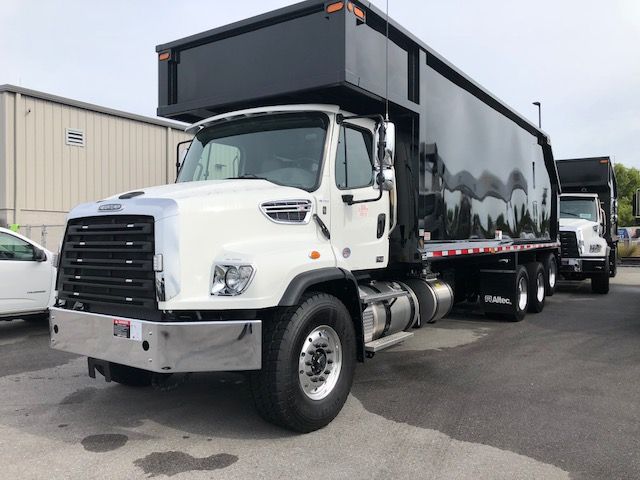
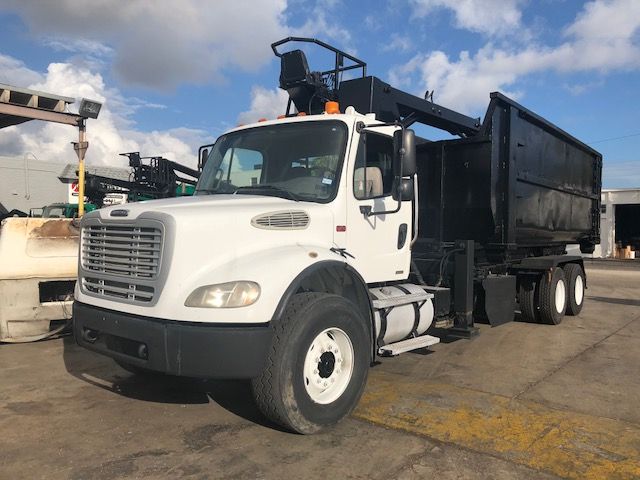
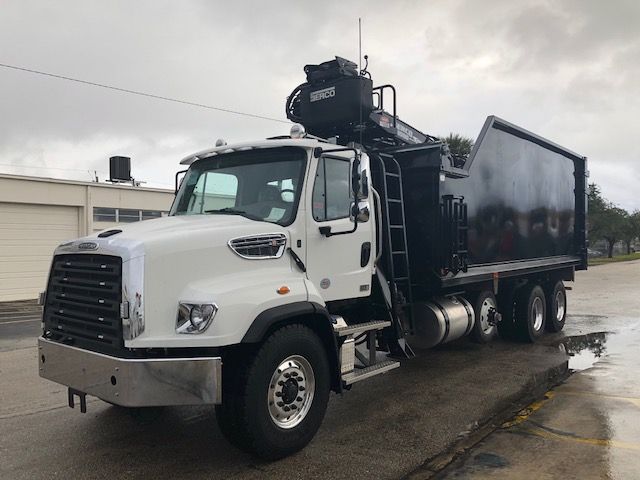
A Freightliner M2-based grapple truck is typically used where maneuverability matters more than raw payload. These trucks often carry Cummins power in the mid-horsepower range, Allison automatic transmissions, and tandem or single-axle layouts depending on body length and legal weight targets. The 114SD moves into a heavier class with Detroit DD13 power, stronger front axle options, higher GVWR and GCWR ratings, and better suitability for 50- to 65-yard debris bodies, extended-boom loaders, and rear hitch or trailer work. Common grapple brands include Serco, Petersen, and Palfinger-style loader systems, and buyers should confirm boom reach, rotator condition, grapple style, and whether the operator station is top seat, stand-up, or cab-controlled.
The body matters as much as the cab and engine. Brush and storm debris units often have high-side bodies, barn doors, and smooth floors for bulky but lighter material, while heavier waste or mixed debris applications benefit from Hardox or similar abrasion-resistant steel, reinforced subframes, and stronger tailgate structures. Check body dimensions, side height, floor thickness, and hoist or dump specifications, then compare that to your route density and disposal cycle time. On a used Freightliner grapple truck, pay close attention to PTO operation, hydraulic leaks, cylinder wear, turntable play, boom pins and bushings, frame rail condition, and rust around the body mounts. Engine hours can matter as much as miles because many grapple trucks spend long periods idling while the loader is working.
A good Freightliner grapple truck should be evaluated as a complete working system, not just a chassis with a crane bolted on. Front axle capacity, suspension spec, wheelbase, tire size, and bridge spacing all affect legal payload and stability when the boom is extended off the side. Buyers running dense urban routes may prioritize shorter wheelbase and tighter turning radius, while storm-response and land-clearing operations often want larger bodies and tri-axle stability. If the truck includes a roll-off and grapple combination, verify hook or cable hoist ratings and compatibility with your container sizes. The best spec is the one that keeps the loader productive, the truck legal on weight, and downtime low during high-cycle debris work.
Frequently Asked Questions about Freightliner Grapple Trucks
What Freightliner models are most common for grapple truck applications?
The most common Freightliner grapple truck chassis are the M2 106, M2 112, and 114SD. The M2 106 is usually chosen for lighter municipal and brush work where maneuverability is important. The M2 112 adds capacity for heavier upfits, and the 114SD is the typical severe-duty choice for large debris bodies, heavier cranes, tri-axle configurations, and demanding waste or storm cleanup service.
What should I inspect first on a used Freightliner grapple truck?
Start with the hydraulic and structural components because they drive uptime and repair cost. Inspect the PTO, pump, control valves, hoses, cylinders, boom pins, bushings, rotator, grapple tines, and turntable for leaks, excessive play, or weld repairs. Then inspect the body floor, sidewalls, tailgate, body mounts, frame rails, and outriggers if equipped. After that, evaluate engine hours, transmission operation, front axle rating, and suspension condition to confirm the truck matches the work it was built to do.
How do I choose between an M2 and a 114SD Freightliner grapple truck?
Choose an M2 when route access, lower operating weight, and tighter maneuvering matter more than maximum body size and payload. Choose a 114SD when the application involves larger waste grapples, heavier materials, bigger debris bodies, tri-axle layouts, or high-cycle storm and land-clearing work. The 114SD generally offers stronger severe-duty chassis options, higher capacity front axles, and better support for larger loader packages.
Are engine hours important on grapple trucks?
Yes. Engine hours are very important because grapple trucks often idle for extended periods while the crane operates, which means mileage alone does not show total wear. A truck with moderate miles but very high hours may have significant engine, PTO, and hydraulic system wear. Buyers should compare miles, hours, maintenance records, and the condition of the hydraulic system together instead of relying on odometer readings alone.
What body features matter most on a Freightliner grapple truck?
The most important body features depend on the material being handled. For brush, limbs, and storm debris, high-capacity bodies with tall sides and barn doors are common. For abrasive or heavier waste streams, abrasion-resistant steel such as Hardox, reinforced floors, and stronger tailgate construction are more important. Buyers should also verify body length, inside height, dump function, hoist condition, and how the body design affects payload, loading speed, and cleanout time.