
Freightliner Grapple Trucks For Sale in Florida
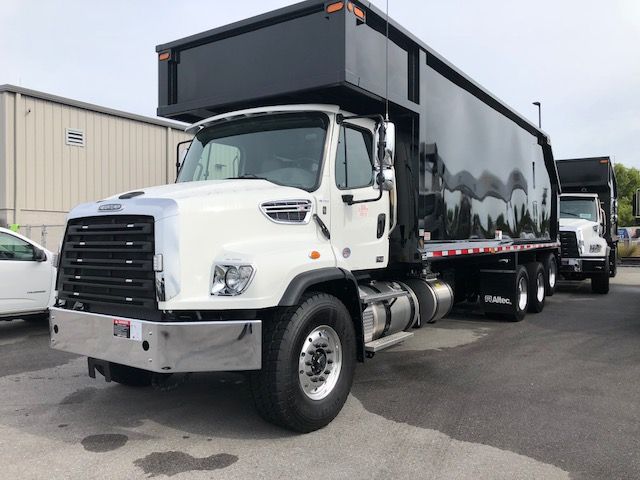
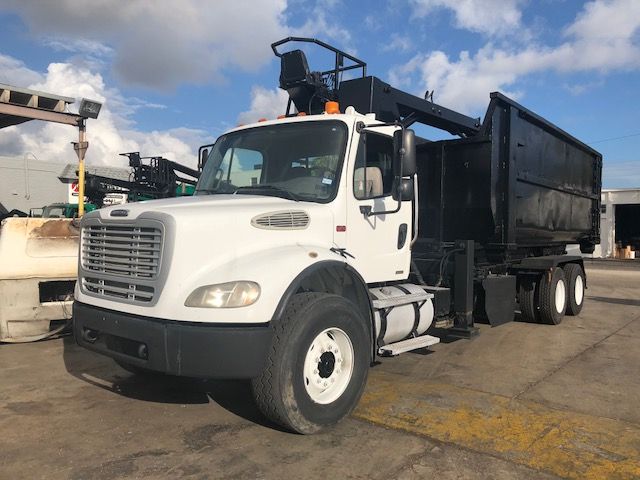
Freightliner grapple trucks for sale in Florida, including 114SD and M2-112 setups for debris, waste, storm cleanup, and roll-off work.
Selling a freightliner grapple truck? List your freightliner grapple truck for sale and reach thousands of commercial buyers.
Freightliner Grapple Trucks in Florida
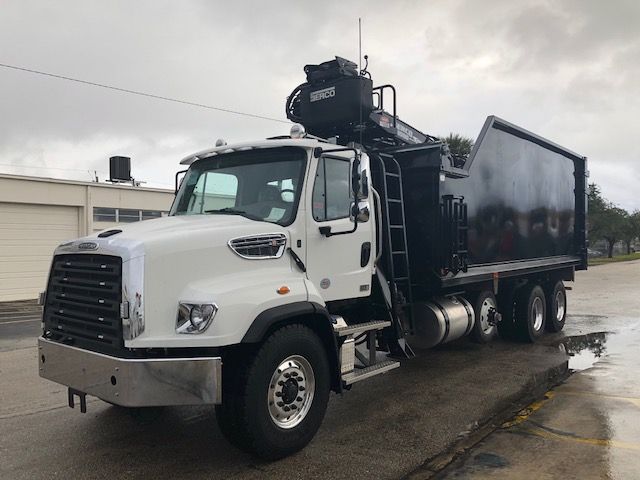
On the spec side, many Freightliner grapple trucks are built with diesel engines in the 350 to 505 hp range, often paired with automatic transmissions for easier stop-and-go operation and reduced driver fatigue. Detroit DD13-powered 114SD trucks are especially common in heavy debris and waste service because they offer strong low-end torque and good support availability. Grapple packages often include loaders from brands like Serco or Pac-Mac, with extended boom options, waste grapples, and upper operator stations depending on the job. Body construction matters as much as the crane. Hardox or similar abrasion-resistant steel bodies are common on debris trucks because brush, concrete, and mixed waste will punish a light body over time.
A buyer comparing Freightliner grapple trucks should look closely at body capacity, crane model, axle ratings, and the relationship between the loader placement and usable body length. A 50-yard to 65-yard debris body may look ideal on paper, but legal payload, bridge laws, and route conditions still determine how productive that truck will be. In Florida, corrosion exposure, hydraulic hose condition, cooling system health, and A/C performance deserve extra attention because heat, humidity, and frequent cycling can accelerate wear. If the truck is intended for municipal or storm cleanup contracts, rear hitches, tarp systems, outriggers, and PTO setup can all affect daily usability.
Freightliner remains a strong choice in the grapple truck market because parts support is broad, vocational chassis specs are well understood, and the 114SD platform is built for severe-service upfits. Also known in some fleets as brush trucks, debris grapple trucks, or grapple loader trucks, these units are highly application-specific. The right truck is not just about make and model. It is about matching crane reach, grapple size, body volume, frame strength, and axle configuration to the material being handled every day.
Frequently Asked Questions about Freightliner Grapple Trucks in Florida
What Freightliner models are most common for grapple truck applications?
The Freightliner 114SD is one of the most common models for grapple truck service because it is a severe-duty chassis designed for heavy vocational upfits. The M2-112 also appears in the market, especially in tandem axle or more specialized roll-off grapple configurations. The best choice depends on body size, crane weight, axle requirements, and how demanding the route and loading cycle will be.
What should I look for first when buying a Freightliner grapple truck?
Start with the application, then verify the chassis and upfit match it. Body capacity, crane brand and model, boom reach, grapple type, axle ratings, and PTO-hydraulic setup all matter more than just model year. A debris truck for vegetative waste is different from a roll-off grapple truck handling mixed material or heavier demolition debris, so the truck needs to be evaluated as a complete system.
Are automatic transmissions common in Freightliner grapple trucks?
Yes. Automatic transmissions are very common in grapple trucks because these units operate in stop-and-go environments with frequent positioning, PTO use, and driver turnover in some fleets. An automatic can improve ease of use, reduce clutch wear, and help maintain more consistent operation on municipal, waste, and storm cleanup routes.
Why are tri-axle Freightliner grapple trucks popular in Florida?
Tri-axle configurations are popular because they allow larger debris bodies and better weight distribution for high-volume material like storm debris, brush, and construction waste. Florida fleets often prioritize body volume and route productivity, especially after severe weather events, so a tri-axle setup can make operational sense when payload laws, disposal site access, and turning radius are still within acceptable limits.
How important is the body material on a grapple truck?
Body material is critical because grapple trucks routinely handle abrasive and irregular loads. Bodies built from Hardox or similar abrasion-resistant steel generally hold up better against repeated impact and scraping from wood waste, mixed debris, and demolition material. A strong body can reduce long-term repair costs, but buyers should still inspect floor thickness, sidewall condition, crossmember integrity, and any prior weld repairs.