
Used 2021 Freightliner Trucks For Sale
Shop used 2021 Freightliner trucks with specs on Cascadia, M2, 114SD and more. Compare engines, axle ratings, sleepers, and vocational setups.
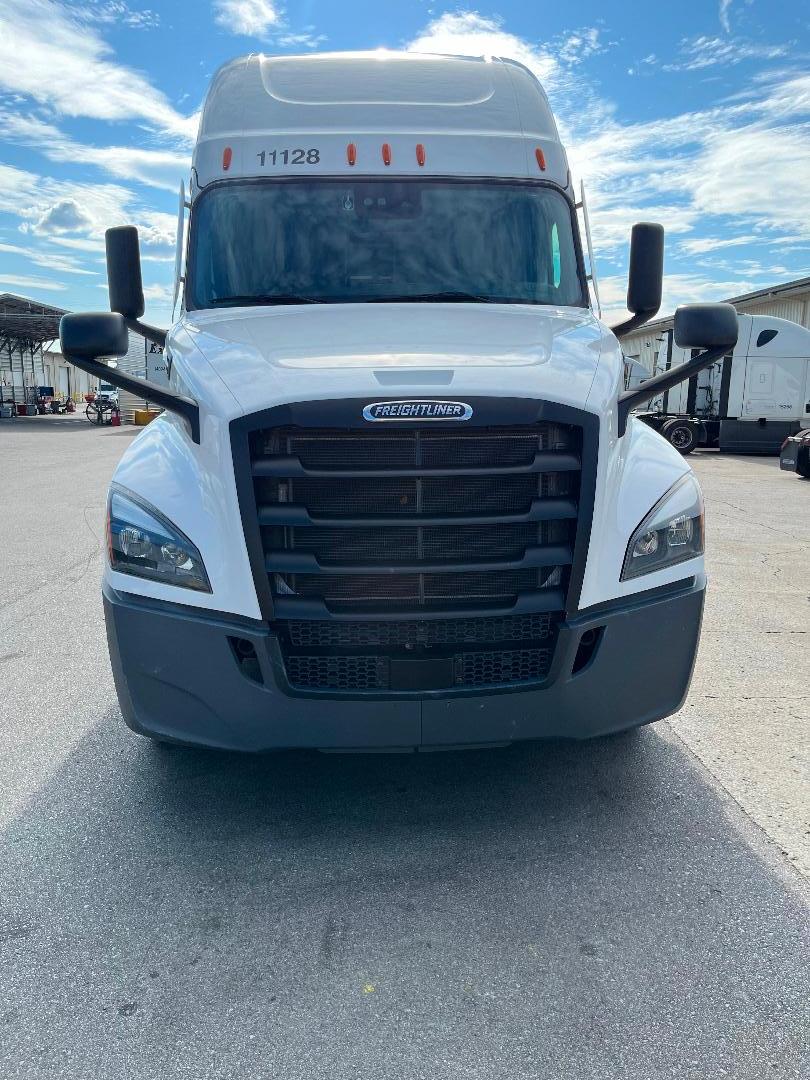
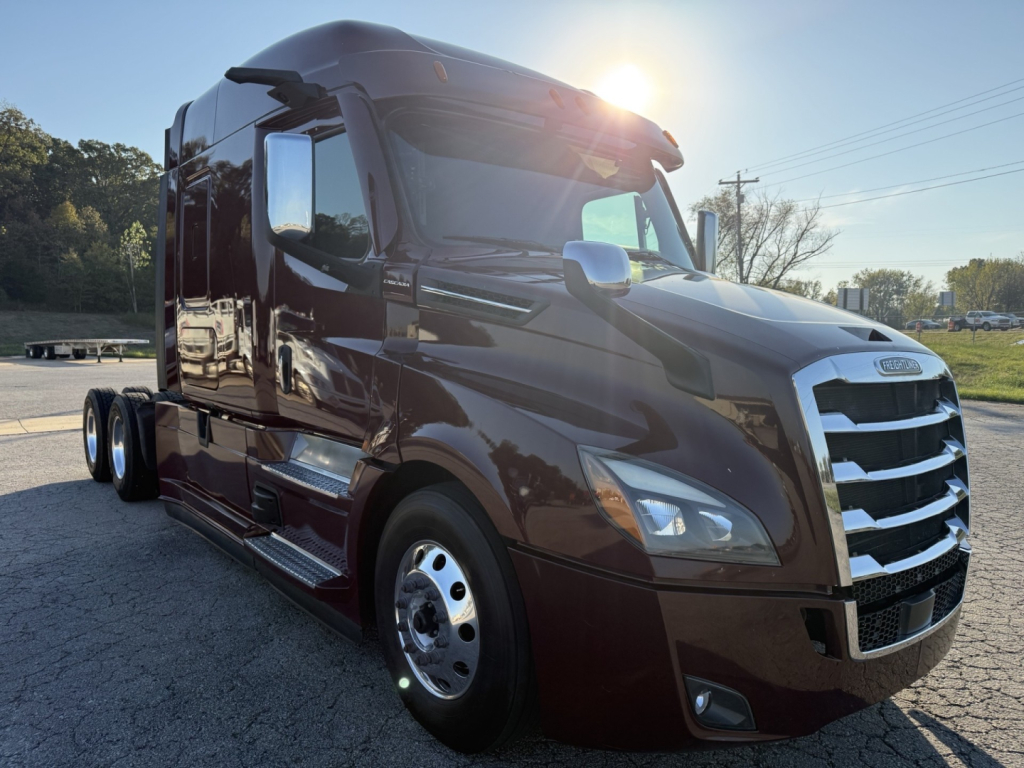
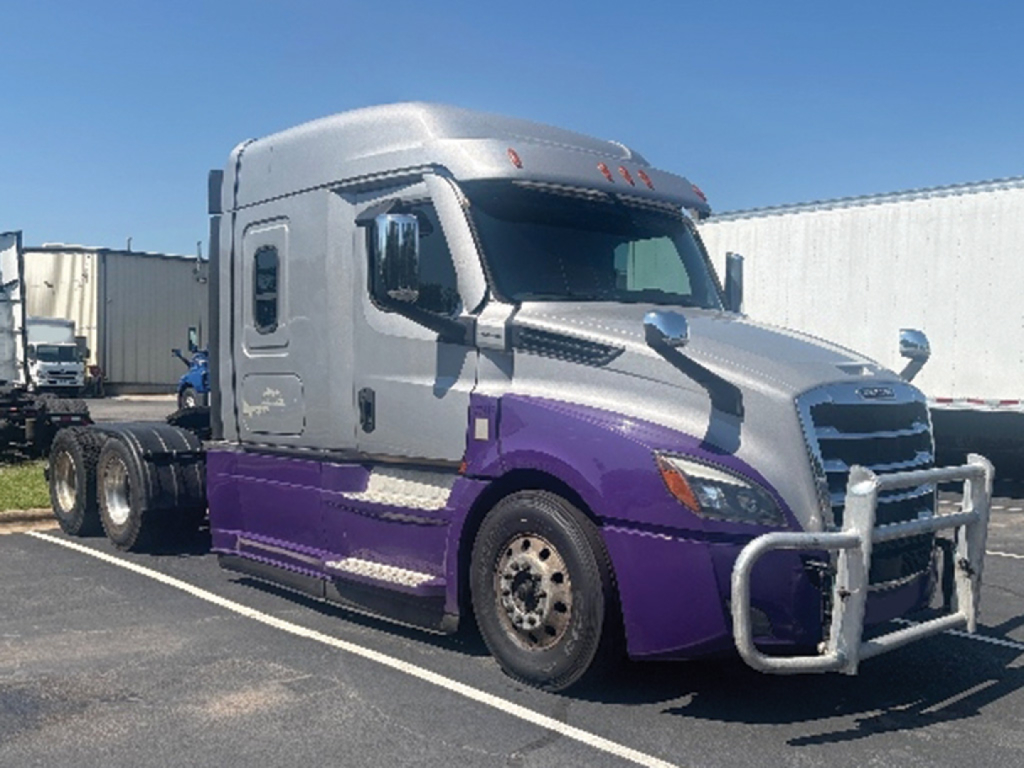
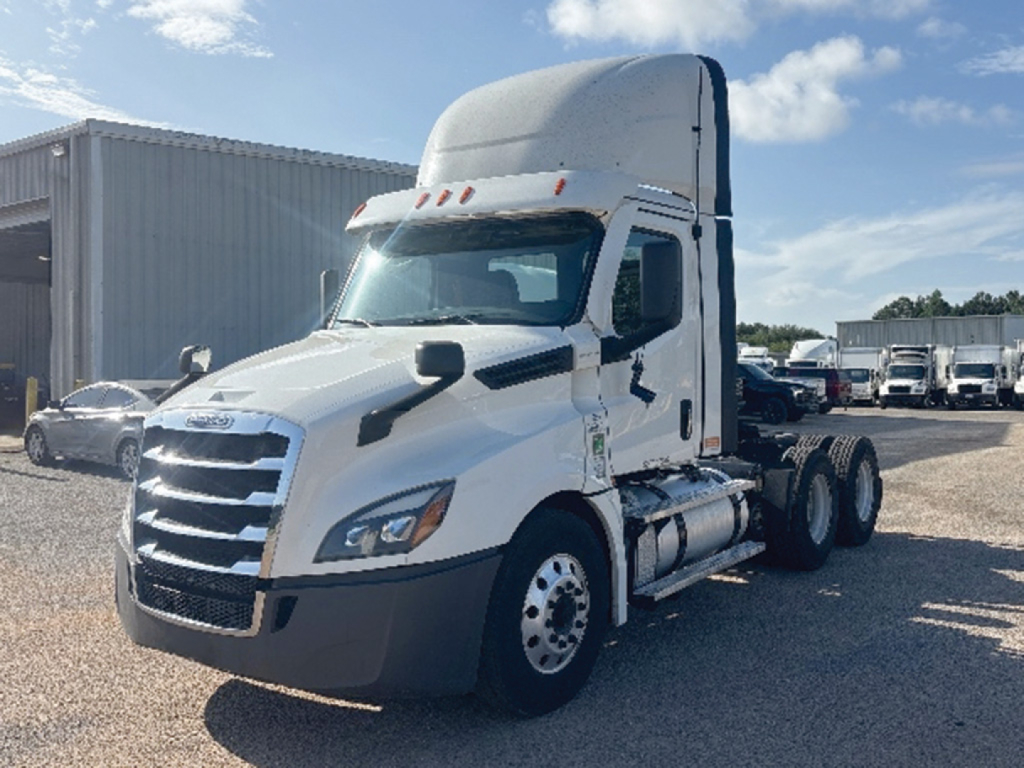
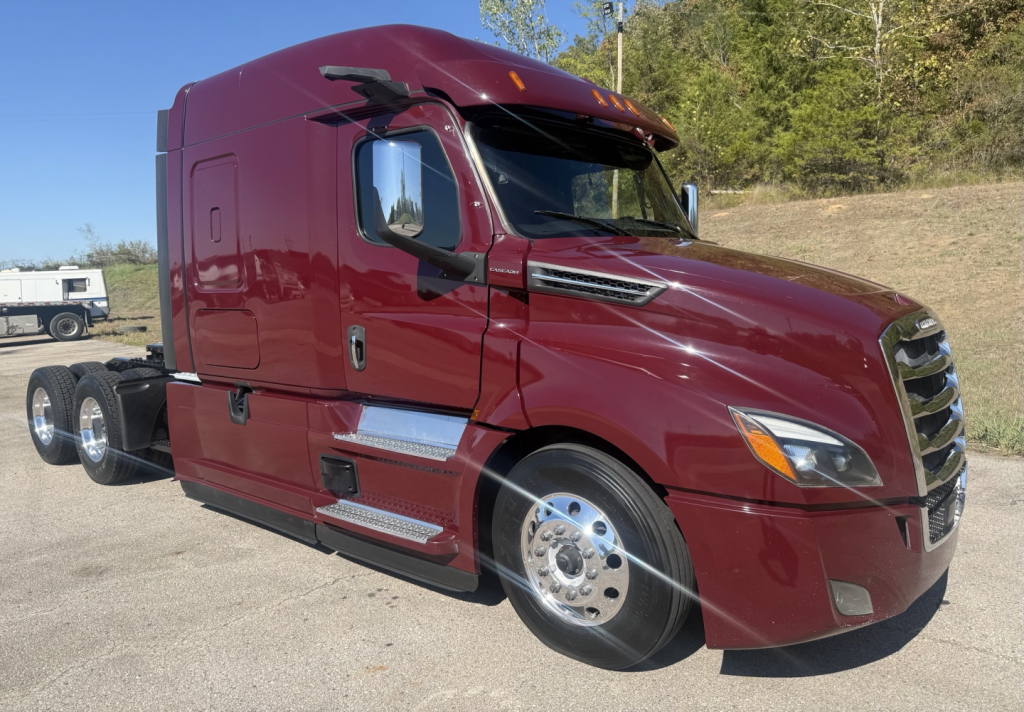
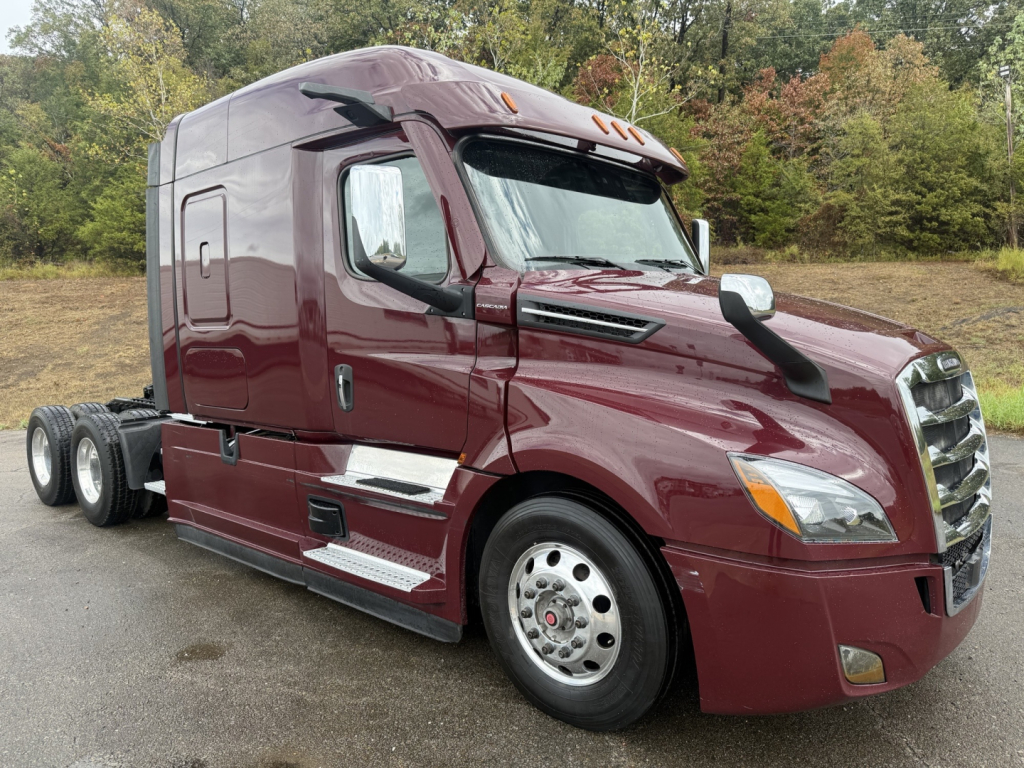
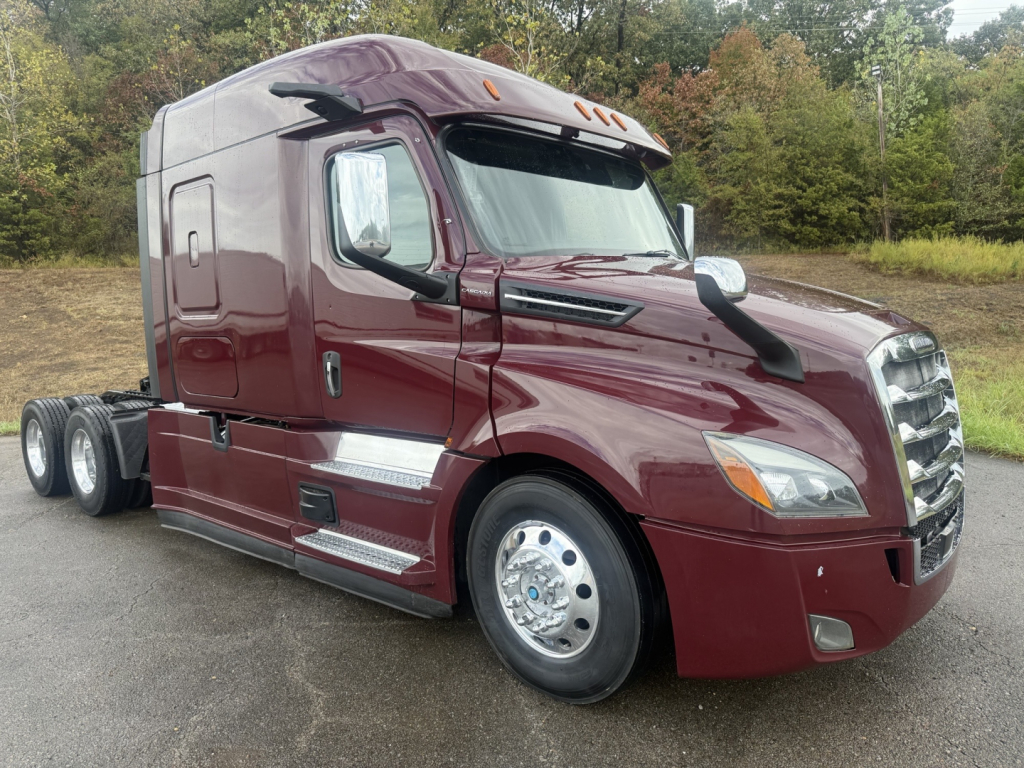
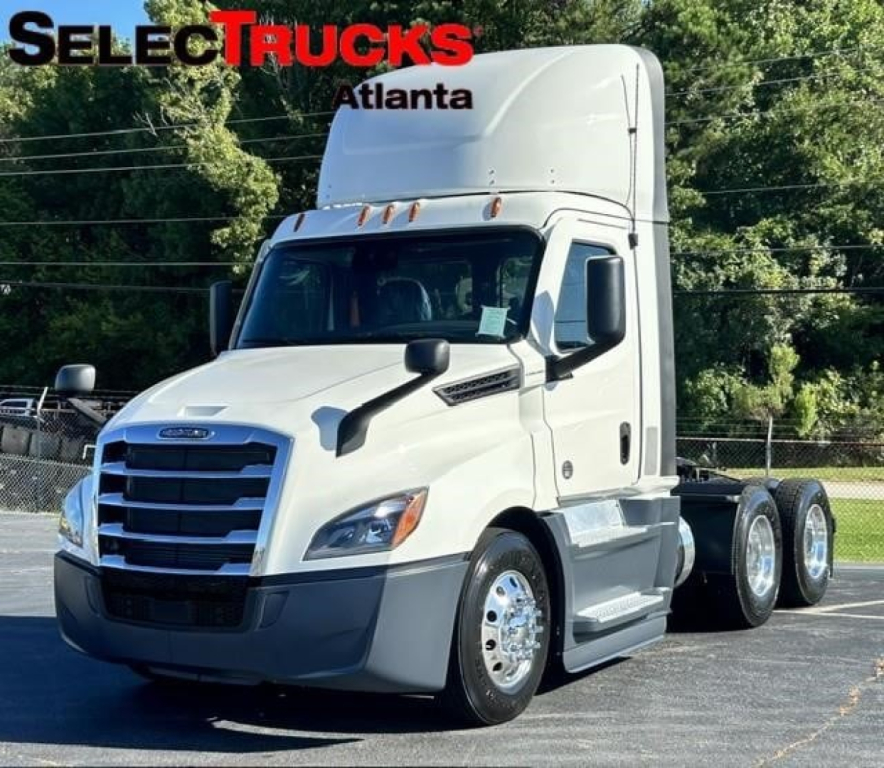
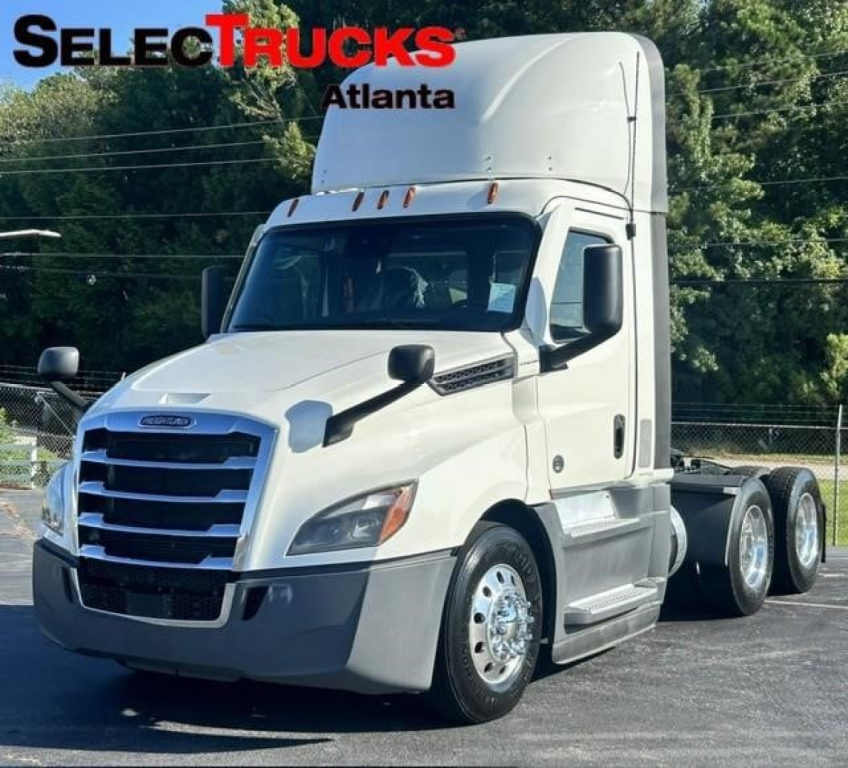
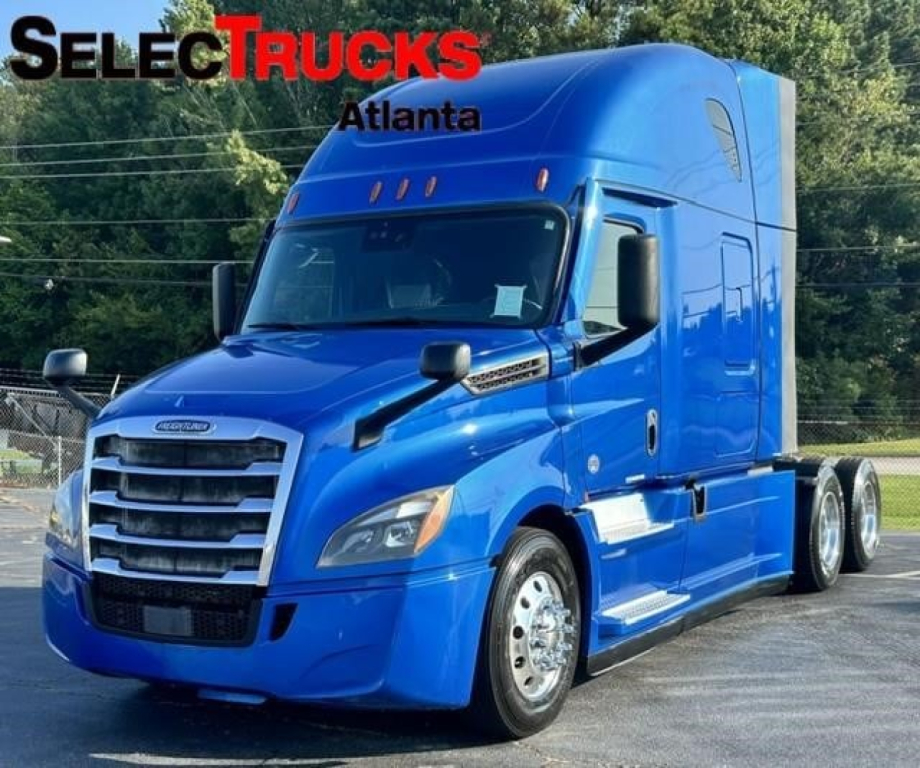
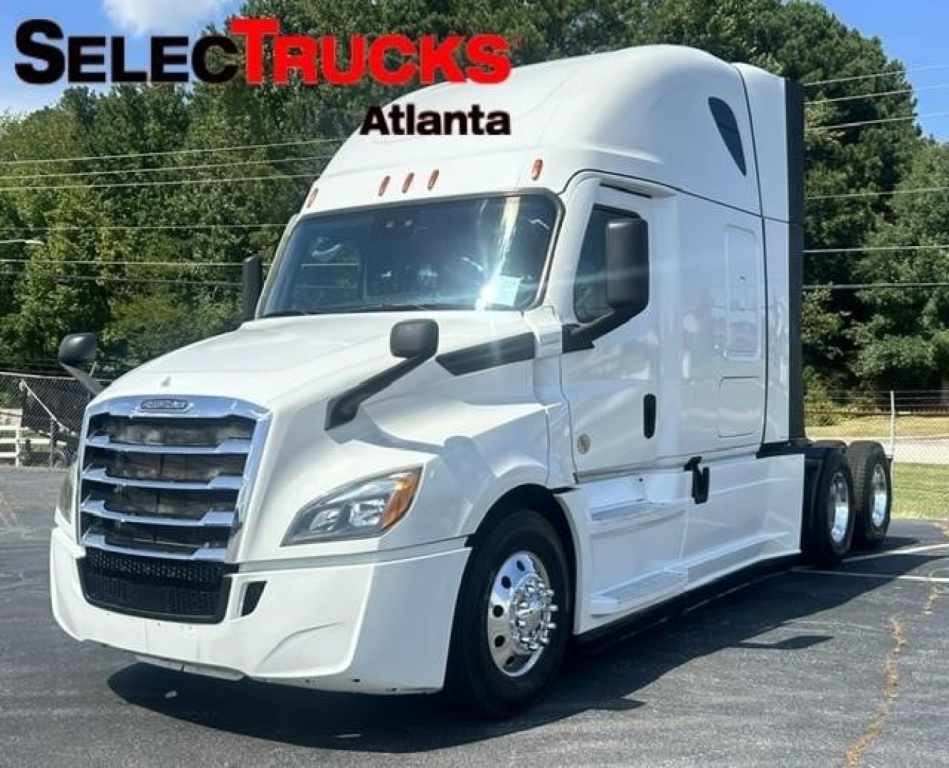
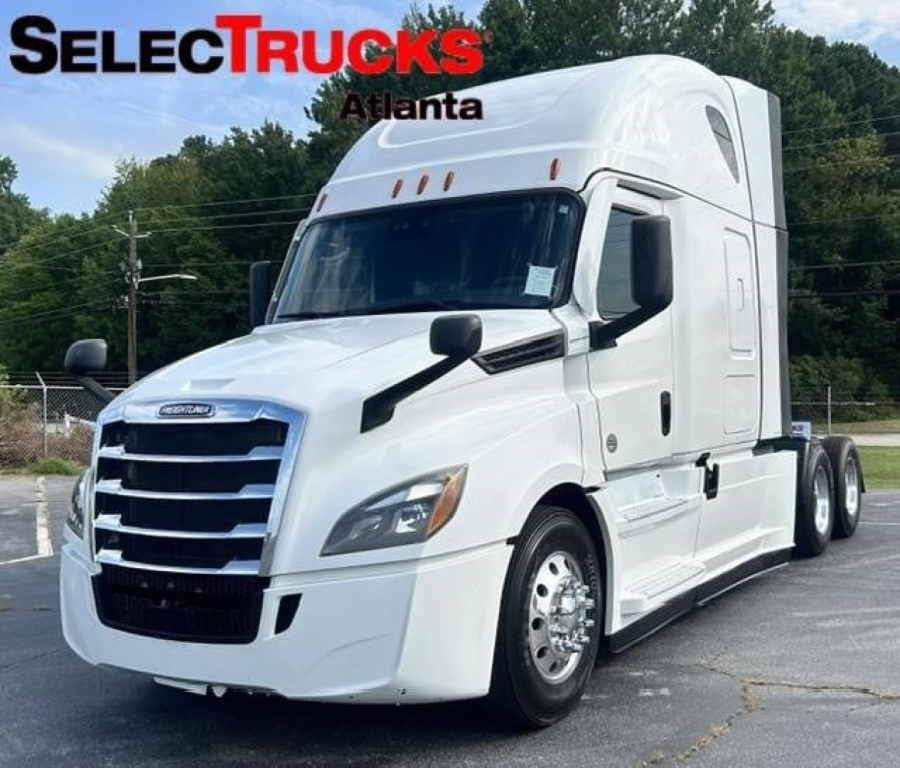
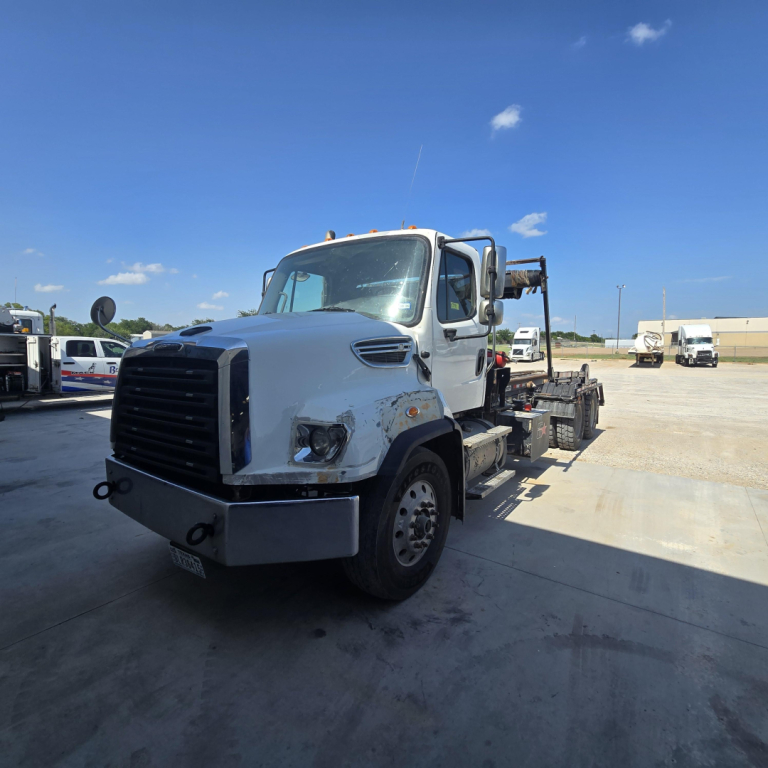
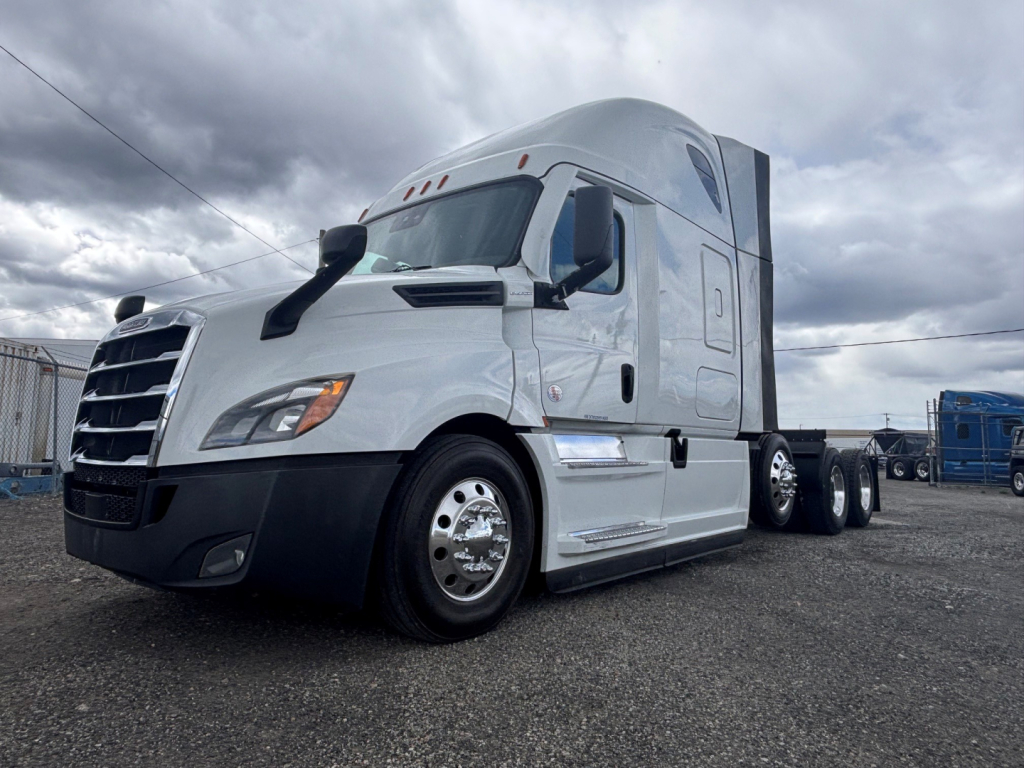
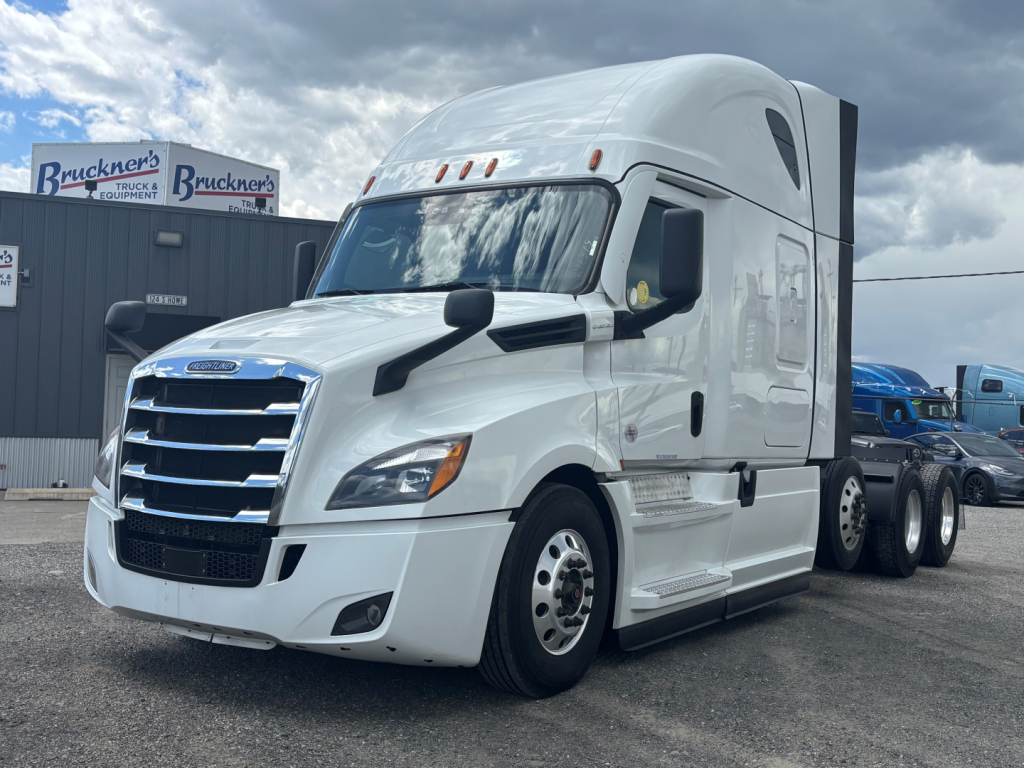

Selling a used 2021 freightliner truck? List your used 2021 freightliner truck for sale and reach thousands of commercial buyers.
Used 2021 Freightliner Trucks
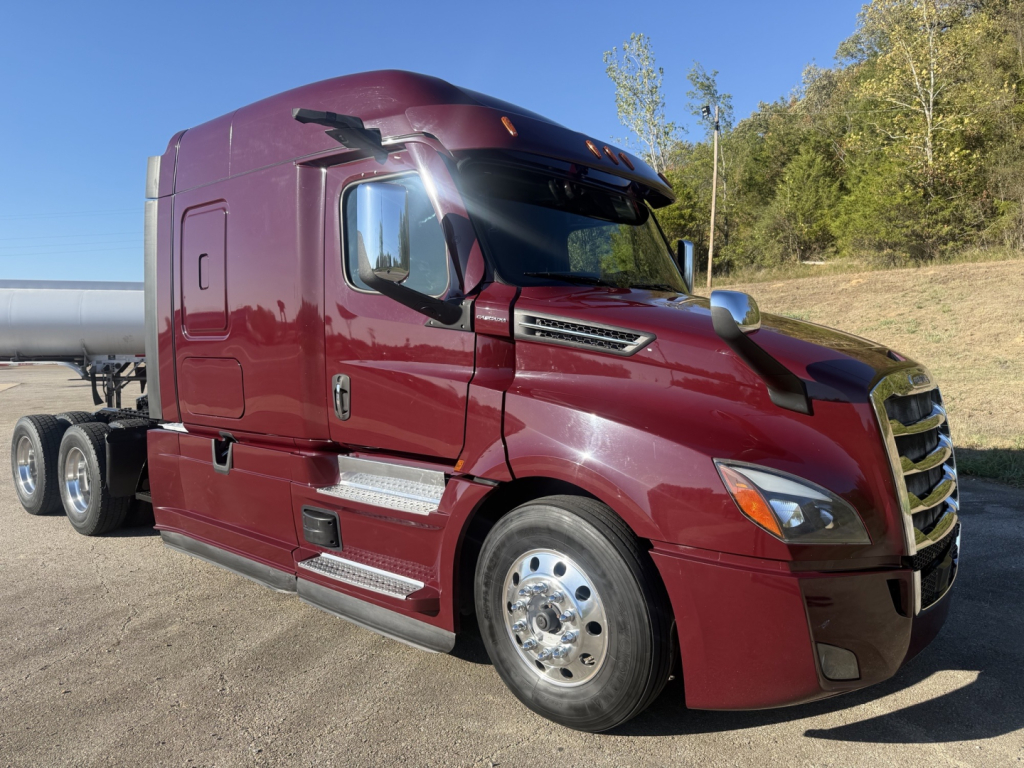
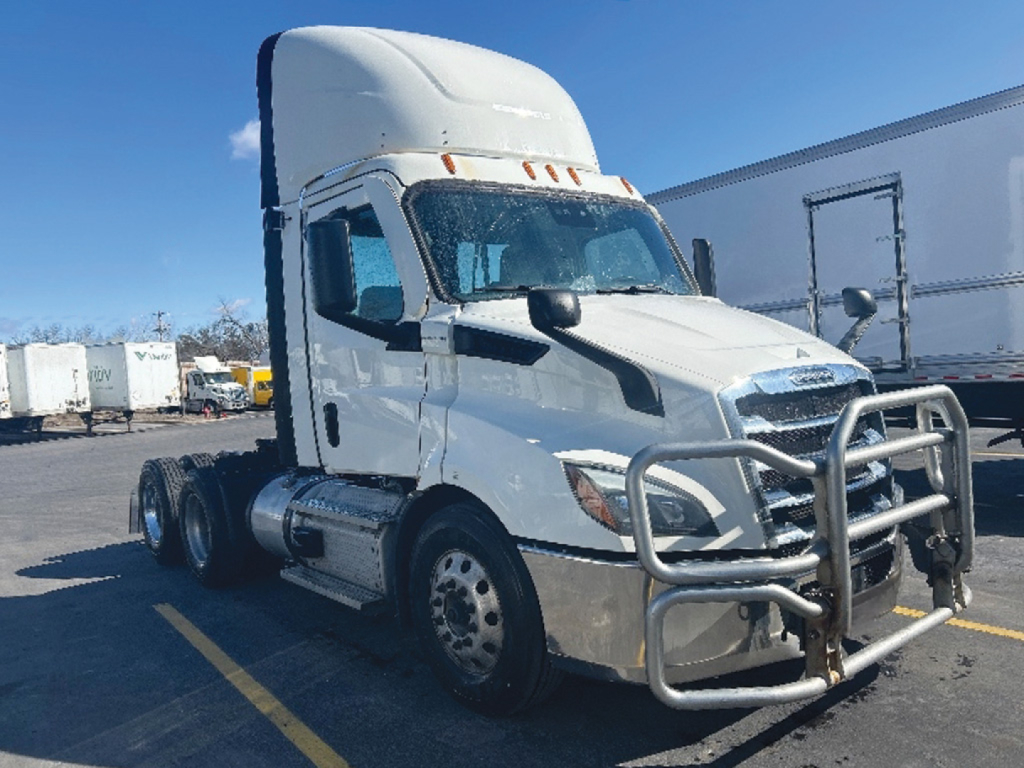
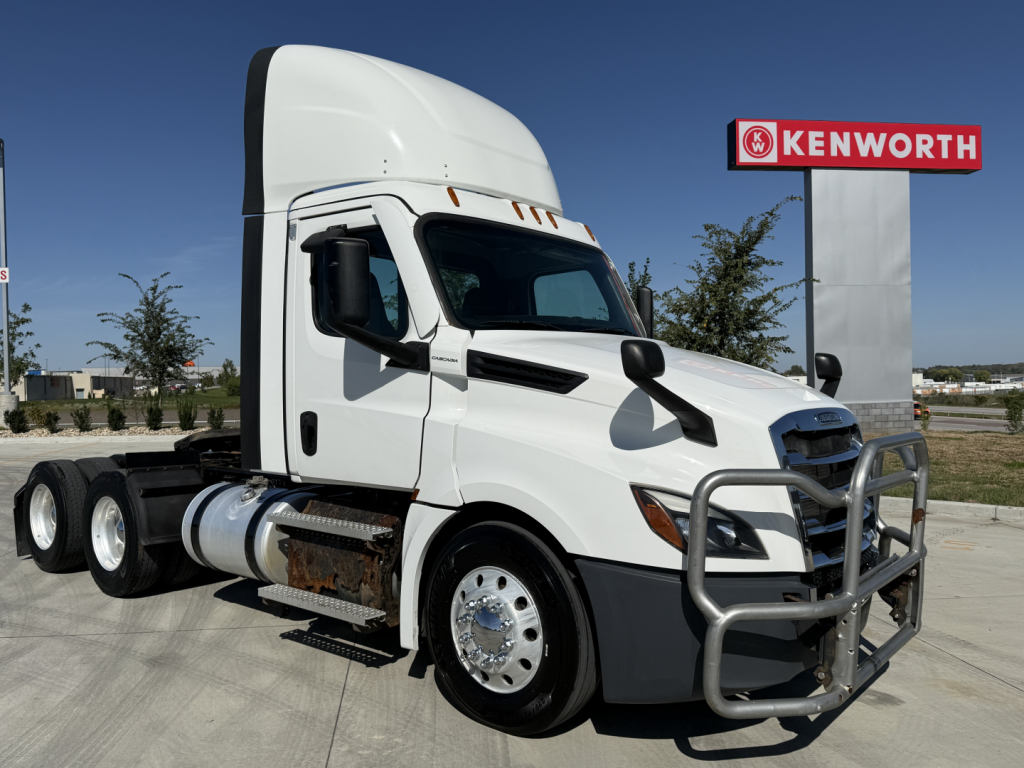
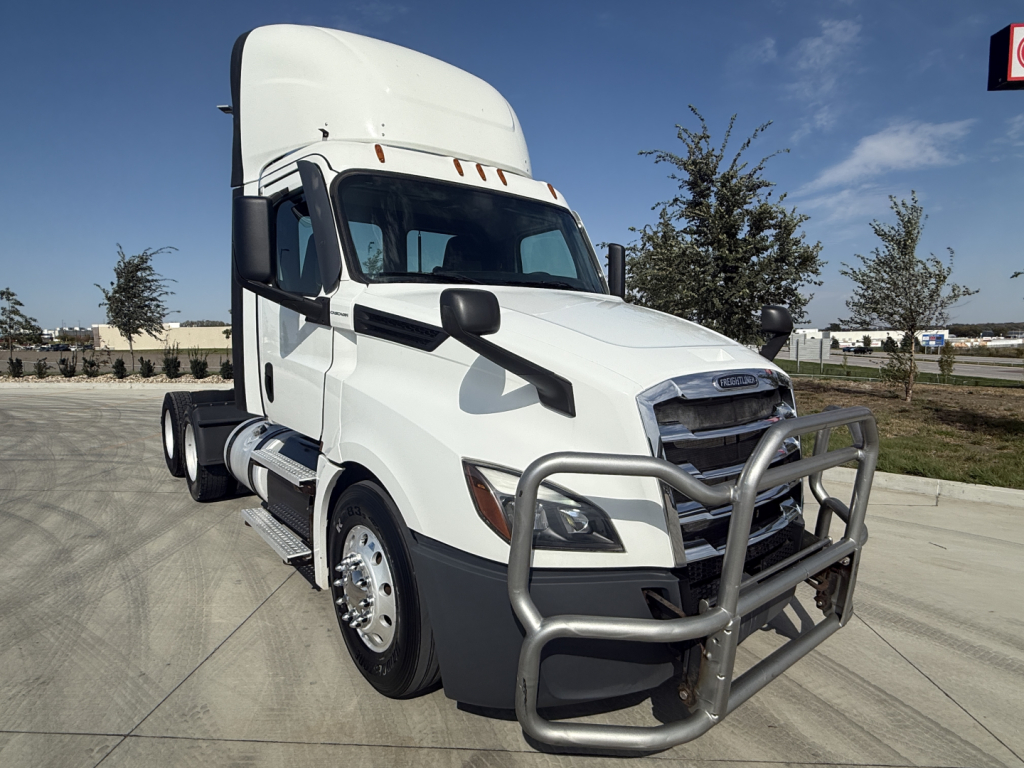
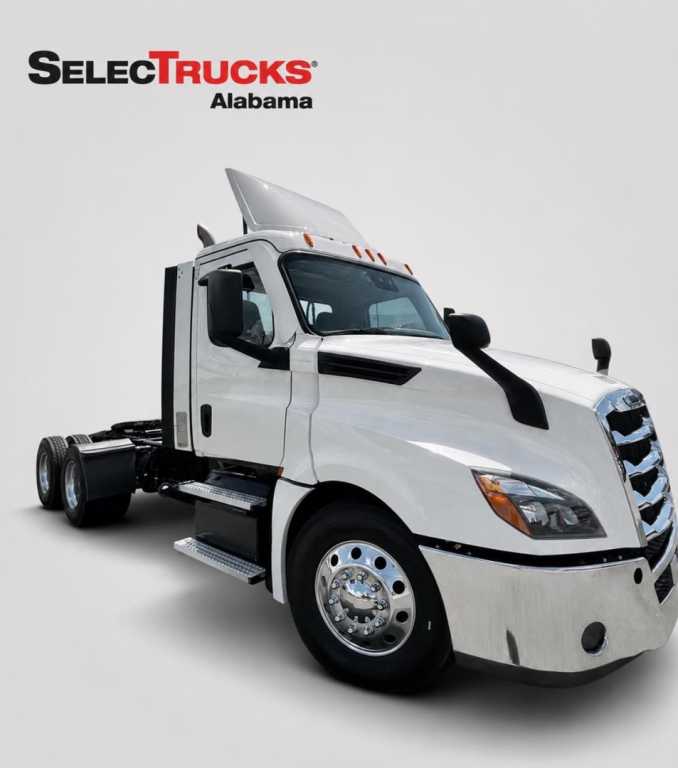
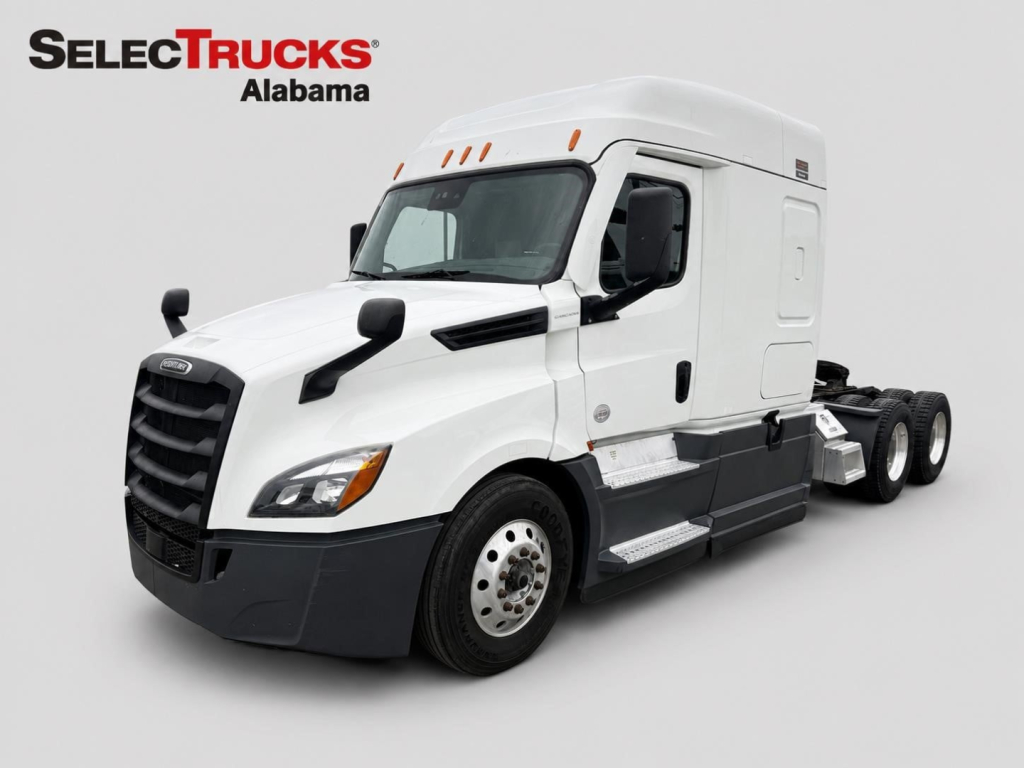
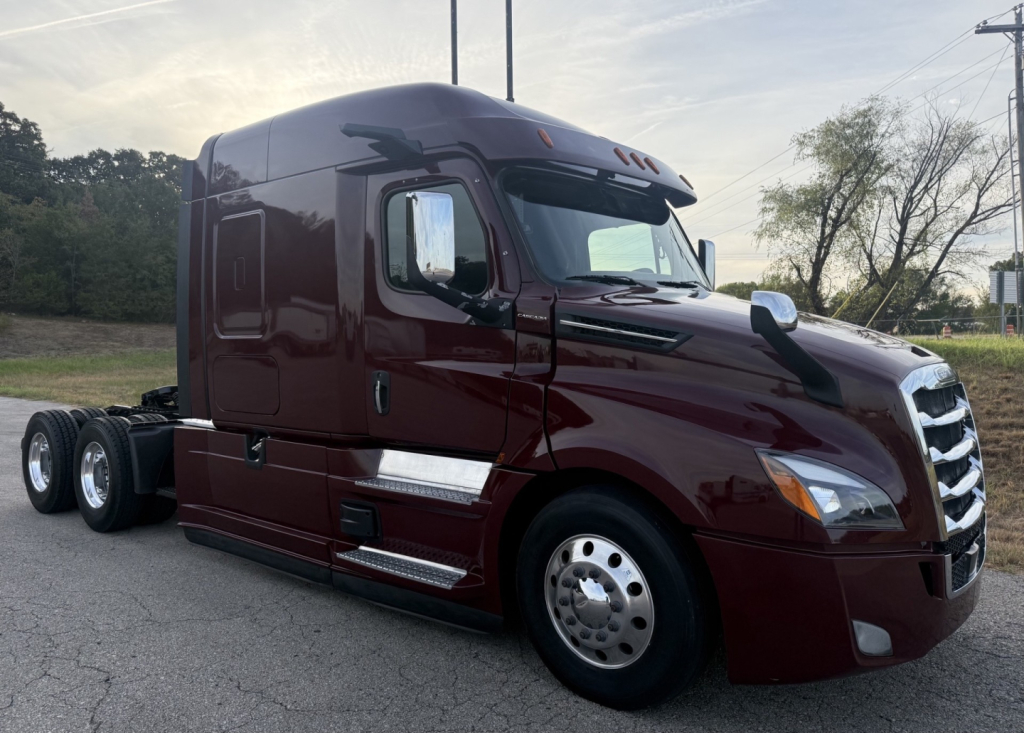
On highway trucks, 2021 Freightliner Cascadia models are known for fuel economy, parts availability, and a driver-friendly cab layout. Common specs include Detroit DD13 or DD15 engines, Detroit DT12 automated manuals, 12,000-pound front axles, 40,000-pound rears, and ratios in the mid-2s to low-3s depending on lane speed and payload. Aerodynamic packages, collision mitigation, adaptive cruise, idle management, and disc brake options became common by this model year, so buyers should compare safety and efficiency features truck to truck. In sleeper tractors, look closely at bunk size, APU or bunk heater presence, fairings, and fuel capacity. In day cabs, wheelbase, fifth wheel style, and rear suspension setup can make a big difference in regional, port, or dedicated fleet work.
For medium-duty and vocational 2021 Freightliner trucks, the decision points shift. M2 106 and M2 112 models are common in box truck, reefer, stake bed, flatbed, service truck, dump, and utility applications. 114SD trucks are more common where heavier front ends, rugged suspensions, and vocational body installations matter. Buyers should verify GVWR, axle spread, frame reinforcement, transmission type, PTO provisions, and whether the truck was ordered for highway duty or jobsite work. Body-ready chassis can look similar on paper, but a double frame, locking rears, heavier springs, or a set-forward axle can change the truck's fit for your operation.
Condition matters as much as spec on any used 2021 Freightliner. Review engine hours, idle time, maintenance history, emissions aftertreatment service, suspension wear, brake type, tire condition, and any telematics or fault-code history if available. On Cascadias, pay attention to aftertreatment performance, transmission calibration, and cab electronics. On vocational trucks, inspect frame integrity, PTO operation, hydraulic hookups, and evidence of severe-duty use. Freightliner remains a strong used-truck choice because service support is widespread, Detroit powertrain parts are easy to source, and there is enough spec variety in the 2021 model year for buyers to match the truck closely to their freight lane, body requirement, or vocational job.
Frequently Asked Questions about Used 2021 Freightliner Trucks
What are the most common 2021 Freightliner truck models on the used market?
The most common used 2021 Freightliner trucks are usually Cascadia highway tractors, M2 medium-duty trucks, and 114SD vocational units. Cascadia models dominate long-haul and regional freight applications, while M2 trucks are common in box, flatbed, reefer, and utility service. The 114SD is more common in construction, tanker, dump, vacuum, and severe-duty applications where heavier frame and axle specs are important.
What engine and transmission combinations are typical in a used 2021 Freightliner?
A used 2021 Freightliner often carries Detroit power in highway applications, especially DD13 and DD15 engines paired with the Detroit DT12 automated manual transmission. Medium-duty and vocational configurations may also be equipped with Cummins engines and Allison automatic transmissions, depending on the body and duty cycle. The best combination depends on operating speed, terrain, PTO needs, payload, and whether the truck spends more time on interstate routes or job sites.
Is a 2021 Freightliner Cascadia a good choice for fleet or owner-operator use?
A 2021 Freightliner Cascadia is a strong fit for both fleets and owner-operators because it offers broad dealer support, good parts availability, and fuel-efficient aerodynamic design. Fleets often value the standardized Detroit powertrain, safety systems, and service network. Owner-operators tend to focus more on sleeper size, fuel capacity, axle ratio, wheelbase, and comfort features such as APUs, bunk heaters, and driver-assist systems.
What should I inspect first on a used 2021 Freightliner truck?
Start with the truck's application-critical items: engine, transmission, axle ratings, frame condition, and maintenance records. On highway tractors, check aftertreatment history, fault codes, tires, brakes, suspension wear, and signs of collision repair. On vocational units, inspect frame rails, PTO operation, hydraulic plumbing, front axle loading, and body-mount condition. A truck can look clean cosmetically and still be poorly spec'd or heavily worn for the work you need it to do.
Are 2021 Freightliner vocational trucks different from highway Freightliners beyond the body style?
Yes. The difference is not just the body or cab style. Vocational Freightliner trucks are often built with heavier front axles, reinforced frames, different suspension packages, PTO-capable transmissions, and axle configurations designed for off-road traction or body equipment. Highway models prioritize fuel economy, aerodynamics, and road speed, while vocational models are spec'd around durability, upfit compatibility, and low-speed job performance.