
Used 1999 Freightliner Trucks For Sale
Shop used 1999 Freightliner trucks with details on common engines, cab styles, specs, applications, and what to inspect before buying.
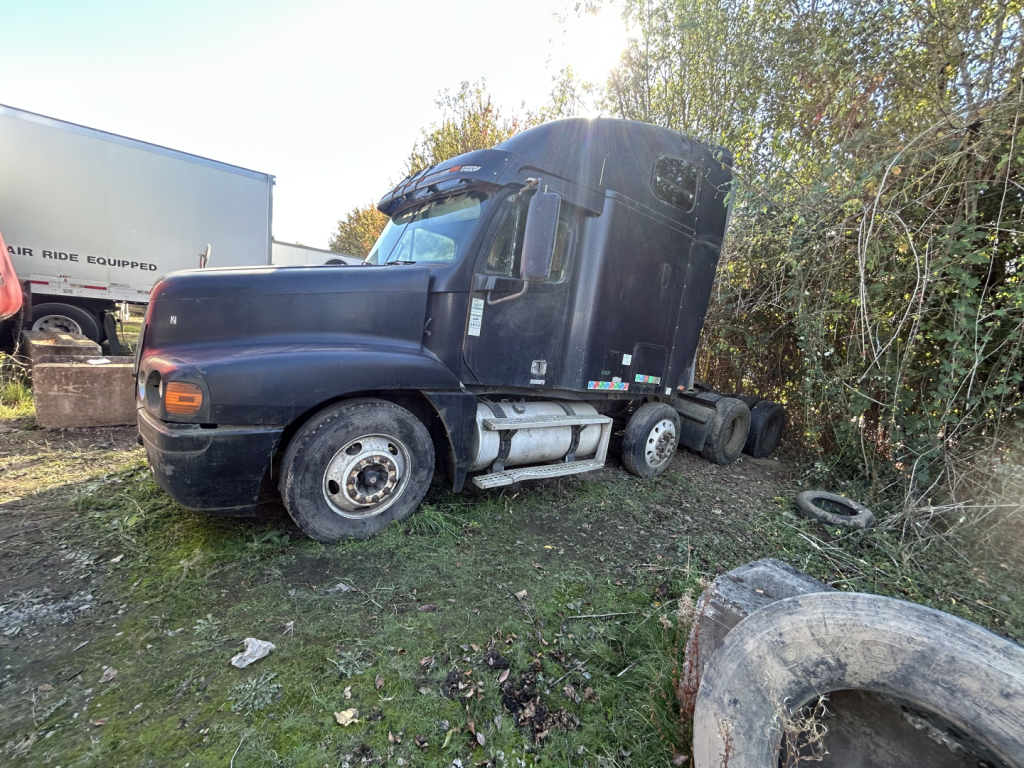
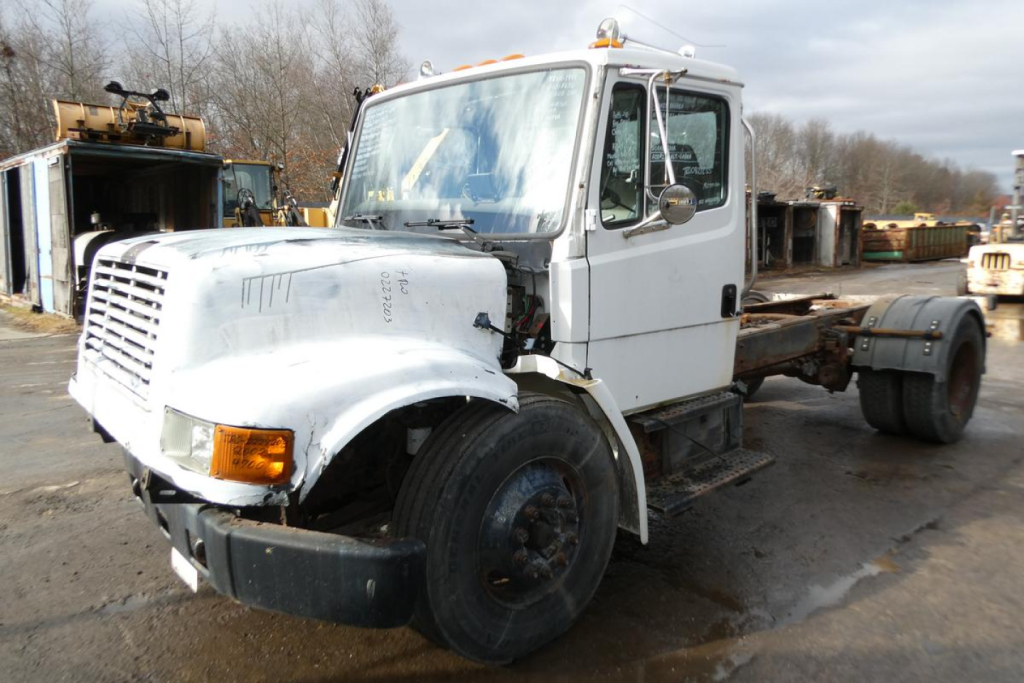
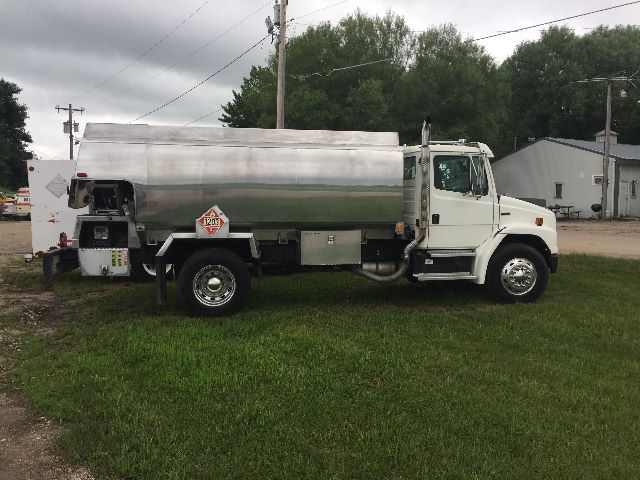
Selling a used 1999 freightliner truck? List your used 1999 freightliner truck for sale and reach thousands of commercial buyers.
Used 1999 Freightliner Trucks
The first buying decision is usually application-specific: sleeper or day cab, highway or vocational, single axle or tandem. A 1999 Freightliner road tractor often came with Detroit Diesel, Caterpillar, or Cummins power, paired with Eaton-Fuller manual transmissions in 9, 10, 13, or 18-speed configurations. Typical rear axle ratings run around 38,000 to 40,000 pounds on tandem tractors, and wheelbases vary widely based on whether the truck was spec'd for regional hauling, long-haul freight, tanker work, flatbed, or heavy vocational service. Buyers should pay close attention to rear-end ratio, suspension type, front axle capacity, and fifth wheel setup because those specs determine how usable the truck will be for your lanes and trailer mix.
For many buyers, the biggest advantage of a 1999 Freightliner is the balance of durability, parts support, and straightforward design. FLD and Classic models remain well known for conventional layouts and easier access for service work. Columbia and Century Class trucks brought more aerodynamic cab design and driver comfort improvements, which can matter if the truck will still see regular highway miles. On vocational configurations, inspect frame condition, crossmembers, PTO provisions, steering components, spring or air suspension wear, and any evidence of prior upfit work. On highway tractors, look closely at cab mounts, air system health, kingpin setting compatibility, driveline vibration, and the condition of the interior if driver retention matters.
Condition matters more than age on a truck from this era. Service records, engine overhaul history, transmission work, differential repairs, brake condition, tire date codes, and signs of corrosion are all more important than a clean paint job. Buyers should also confirm emissions and registration requirements in their state because some 1999 diesel trucks may face operating limits in certain regions or ports. A properly maintained 1999 Freightliner can still be a practical fit for farm use, local hauling, export, backup fleet duty, or lower-mileage specialized work, especially when the spec matches the job and the truck has been inspected with attention to engine, chassis, and cab integrity.
Frequently Asked Questions about Used 1999 Freightliner Trucks
What engines are commonly found in a 1999 Freightliner truck?
Used 1999 Freightliner trucks are commonly equipped with Detroit Diesel, Caterpillar, or Cummins engines, depending on the model and original application. Popular pairings from that era often include Detroit Series 60, Caterpillar 3406-family engines, and Cummins N14 or M11 platforms. The exact engine matters because it affects parts availability, fuel economy expectations, diagnostic complexity, and rebuild cost. Buyers should verify the engine serial number, horsepower rating, and any overhaul documentation before making a decision.
Is a 1999 Freightliner a good choice for highway use?
A 1999 Freightliner can still be a solid highway truck if it was properly maintained and spec'd for over-the-road service. Sleeper-equipped Columbia, Century Class, FLD, and Classic tractors from this period are still used in regional, agricultural, and occasional long-haul work. The truck's rear axle ratio, wheelbase, cab condition, suspension, and drivetrain health will determine how practical it is for current use. A pre-purchase inspection is especially important because ride quality, air system condition, and wear in the driveline and steering can vary widely by prior operation.
What should I inspect first on a used 1999 Freightliner truck?
Start with the frame, engine, transmission, differentials, and air system because those are the highest-cost areas if repairs are needed. Check for blow-by, coolant contamination, oil leaks, hard shifting, driveline vibration, rust around spring hangers or cab mounts, and air leaks that cause frequent compressor cycling. Brake components, tire wear patterns, and suspension condition can also reveal how the truck was maintained. On any older Freightliner, wiring repairs and dashboard electrical issues are also worth checking closely.
Do 1999 Freightliner trucks have emissions equipment like newer trucks?
Most 1999 Freightliner trucks predate the modern emissions systems found on later diesel trucks, so they generally do not have diesel particulate filters or DEF systems. That can reduce complexity and maintenance expense compared with newer models, but it does not automatically make them easier to operate everywhere. Some states, municipalities, ports, and regulated job sites have diesel emissions restrictions based on model year. Buyers should confirm local compliance rules before purchasing for regular on-road commercial use.
Which 1999 Freightliner models are most common on the used market?
The most common 1999 Freightliner models on the used market typically include the FLD series, Classic, Columbia, Century Class, and Business Class variants. FLD and Classic models are often favored by buyers who want a traditional conventional truck with straightforward service access, while Columbia and Century Class units appeal to buyers looking for a more aerodynamic highway platform. Business Class trucks are more common in medium-duty and vocational work. Availability depends heavily on region, prior fleet use, and whether the truck was spec'd as a day cab, sleeper, dump, tractor, or specialized chassis.