
Used Freightliner Bucket Trucks For Sale
Used Freightliner bucket trucks with insulated booms, strong utility body floors, low tare weight, and corrosion protection for reliable aerial work.
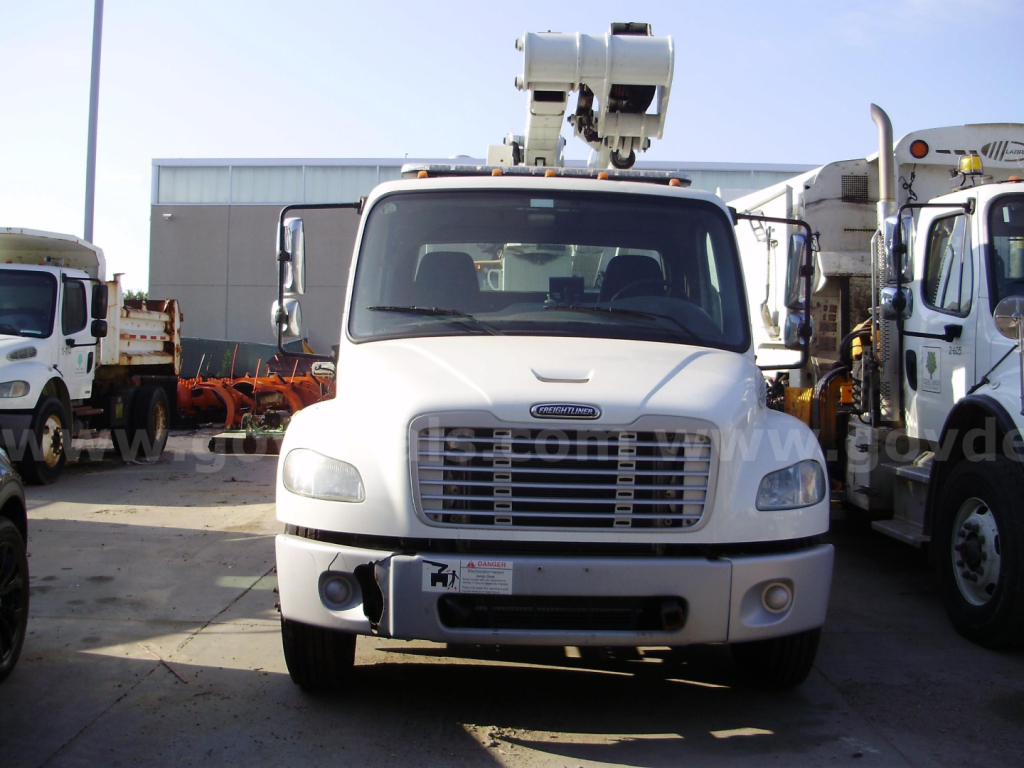
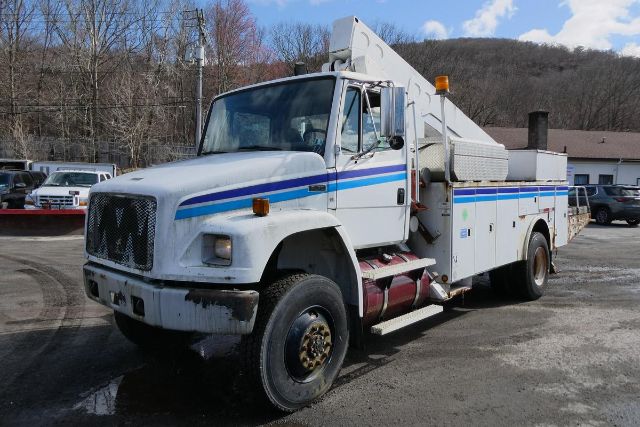
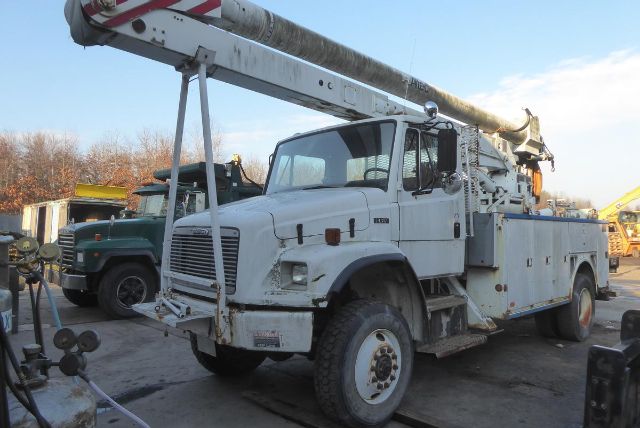
Have used freightliner bucket truck to sell? List it here to reach thousands of buyers.
Used Freightliner Bucket Trucks
Chassis and upfit selection drive payload and stability, so pay close attention to tare weight. Aluminum or composite service bodies and fiberglass buckets trim weight, increase payload margin, and allow more tools without pushing axle ratings, while heavy steel bodies bring maximum durability at a weight penalty. Floor strength is critical on utility bodies that carry transformers and rigging, look for 3/16 inch or heavier treadplate floors with close spaced crossmembers, reinforced wheel wells, and a continuous torque box under the aerial pedestal. Outrigger subframes should spread point loads across the rails and are best when galvanized or e coated to resist rust. If you need a jib and winch at the basket, verify the platform capacity and the pedestal structure that transfers those loads into the frame.
Corrosion resistance separates trucks that age well from those that do not. Favor bodies with e coated or powder coated steel, seam sealed compartments, stainless door hardware, and non absorbent scuff liners. Freightliner cabs use aluminum and composite panels that help long term rust control, but frame flanges, outrigger boxes, and stabilizer pads still need attention, look for undercoating, drain paths, and intact isolators between body and chassis. Thermal integrity matters in aerial work, insulated fiberglass booms maintain dielectric properties across temperature swings, hydraulic oil coolers keep viscosity in range during summer, and cold weather packages with block heaters, arctic rated hoses, and heated compartments protect seals and batteries in winter service.
Performance depends on the match between lift and chassis. For line work, an insulated Category C boom with recent dielectric test records is standard, along with continuous rotation and redundant upper and lower controls. Cummins B6.7 or L9 and Detroit DD5 or DD8 engines pair well with Allison 2500 or 3000 series automatics for smooth PTO engagement and low speed control, choose axle ratios that hold 55 to 65 mph at efficient rpm. Air brakes simplify control on higher GVWR units and spring suspension or vocational air suspensions manage road shock into the pedestal. Before purchase, verify boom hours and rotation bearing play, test for cylinder drift, inspect hoses and valves for leaks, check torque box and outrigger welds, confirm compartment floor integrity, and review PM records for hydraulic fluid changes and dielectric testing intervals.
Frequently Asked Questions about Used Freightliner Bucket Trucks
What working height and side reach should I target for a Freightliner bucket truck?
Urban lighting and sign work typically runs 34 to 45 foot working height with compact wheelbases for tight turns, tree service commonly uses 50 to 60 foot units with strong side reach and jib options, and utility distribution often needs 55 to 75 foot insulated booms with continuous rotation. Match side reach to your typical set back from the work, and ensure platform capacity covers both personnel and tools.
How do body materials affect tare weight and floor strength on bucket trucks?
Aluminum and composite service bodies cut several hundred pounds, improving payload and stability margin, which is valuable when you carry rigging, transformers, and cones. Steel bodies provide maximum impact resistance and easy weld repair but add weight. Regardless of material, prioritize floor strength with 3/16 inch or thicker treadplate, tight crossmember spacing, reinforced pedestal mounts, and scuff liners that prevent moisture intrusion at the floor to wall seam.
Why is boom insulation class and dielectric testing important on used units?
Insulated booms protect crews working near energized lines, with Category C commonly specified for distribution voltages. Dielectric testing verifies the fiberglass and inserts still provide required resistance after exposure to UV, contamination, and repairs. Ask for current test certificates, check for gel coat damage, and confirm proper cleaning procedures, since contamination or moisture can degrade insulation and thermal stability.
Which Freightliner chassis and driveline combinations work best for aerial applications?
Freightliner M2 106 and 108SD are popular for their PTO friendly layouts, strong frame RBM, and maneuverability. Engines like the Cummins B6.7 or L9 and Detroit DD5 or DD8 pair with Allison 2500 or 3000 series automatics for smooth low speed control and reliable PTO engagement. Choose axle ratings that support both GVWR and outrigger reactions, and select ratios that keep cruise rpm in the engine’s efficient band.
What should I inspect on a used Freightliner bucket truck before buying?
Confirm recent dielectric test dates, evaluate boom hours versus chassis miles, and check for rotation bearing looseness, cylinder drift, and valve response. Inspect outrigger boxes, subframes, and frame flanges for corrosion or cracked welds, verify compartment floor integrity and latch condition, review hydraulic service intervals, and test PTO engagement under load. Look for cold weather or hot weather packages if your climate demands it, including block heaters, oil coolers, and arctic rated hoses.