
Freightliner Bucket Trucks For Sale
Freightliner bucket trucks with insulated booms, strong service body floors, optimized tare weight, and corrosion resistant builds. Compare specs.
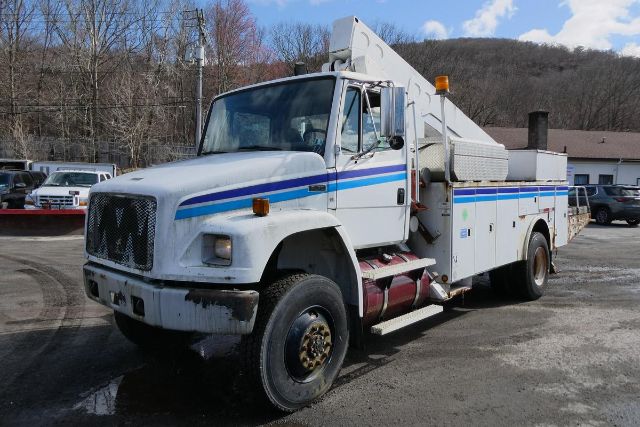
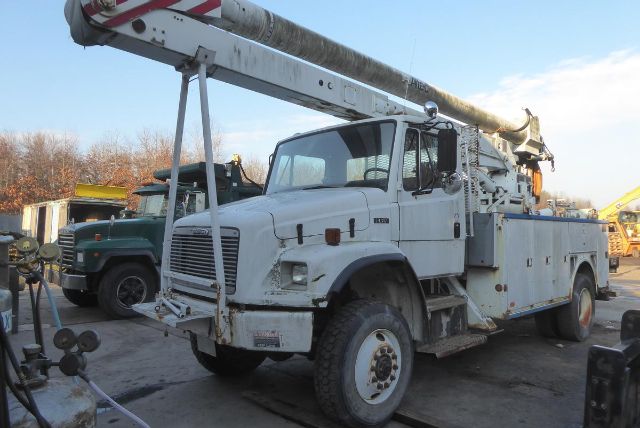
Selling a freightliner bucket truck? List your freightliner bucket truck for sale and reach thousands of commercial buyers.
Freightliner Bucket Trucks
Aerial specs drive productivity and safety. Working height, side reach, and platform capacity should be matched to your route density and tasks, with material handler jibs and winches for setting transformers or handling limbs. Outriggers matter as much as the boom, A frame or radial styles with adequate spread and ground penetration pads protect stability and frame rails when parked on shoulders or uneven ground. Insulated fiberglass booms and buckets protect crews around energized lines when maintained correctly, gelcoat and resin systems resist UV and temperature cycling to preserve dielectric performance. Cold weather packages with hydraulic tank heaters, return line coolers, and arctic hoses keep function speeds and insulation characteristics consistent across temperature extremes to maintain thermal integrity of the system.
Structure under the body is often overlooked. Floor strength in the service body and rear platform should be verified by material thickness and crossmember spacing, 10 gauge steel or 3 over 16 aluminum treadplate with crossmembers on 12 inch centers is a common benchmark, and reinforced tailboard areas prevent deck oil canning under outrigger pad loads and material handling. Tare weight dictates payload left for tools, cones, chain saws, pole hardware, and crew gear, so aluminum or composite bodies and aluminum wheels can reclaim hundreds of pounds without sacrificing rigidity. Aim for axle loads that sit mid scale with the boom stowed, then confirm stability and legal weights with the bucket, jib, and common cargo onboard to avoid overloading the steer or drive.
Corrosion resistance preserves residual value and uptime. Freightliner frames with e coat or epoxy primer, powder coated pedestals with zinc rich primers, stainless steel hinges and latches, sealed Deutsch connectors, and sealed outriggers reduce rust in salt states. Fiberglass booms resist corrosion but still need regular cleaning, waxing, and dielectric testing to ANSI A92.2 intervals to prevent tracking. Specify underbody sealant in the wheel wells, polymer outrigger pads, and drip shields above packings, and consider automatic chassis lube systems for pivot pins and kingpins to cut wear. Proper spec and maintenance deliver a bucket truck that stays tight, passes dielectric tests, and works reliably on paved streets and off road rights of way.
Frequently Asked Questions about Freightliner Bucket Trucks
What working height and side reach should I choose for utility or tree work on a Freightliner bucket truck?
Match the lift to your task density and voltage class. Distribution work typically uses 40 to 55 foot platform heights with 47 to 60 foot working heights and moderate side reach for urban maneuvering. Tree service may favor 60 to 75 foot articulating telescopic units with longer side reach to clear canopies, while transmission or storm response can require 75 to 100 foot class machines and tandem axles. Verify outrigger spread, platform capacity, and jib rating if you handle materials, then confirm axle weights with the boom stowed and at typical work positions.
How do tare weight and GVWR affect payload and CDL requirements?
The boom, pedestal, outriggers, and service body consume a large share of GVWR, so every pound of tare weight removed becomes payload for tools and materials. Many bucket trucks exceed 26,000 pounds GVWR, which requires a CDL, but careful spec with a lighter lift, aluminum or composite body, and single rear axle can keep some units under the CDL threshold. Regardless of paper ratings, scale each axle with your normal gear onboard to ensure legal weights and safe handling.
What should I look for to ensure floor strength in the service body and rear platform?
Ask for deck and platform construction details. A typical heavy duty build uses 10 gauge steel or 3 over 16 aluminum treadplate floors over crossmembers on 12 inch centers or tighter, with reinforced tailboard and crane or jib mounting plates tied into the frame rails. Shelving should have stated load ratings, and outrigger boxes should be integrated with subframe stringers to prevent localized frame twist. A well built floor resists point loads from outrigger pads, jacks, and material handling without warping.
How is thermal integrity and dielectric insulation maintained in the boom and bucket?
Insulated booms and buckets rely on fiberglass layup quality, gelcoat condition, and cleanliness to retain dielectric strength across temperature swings. Specify ANSI A92.2 compliant insulation categories that match your voltage exposure and maintain them with scheduled dielectric testing, cleaning, and waxing to reduce tracking. Hydraulic systems with return line coolers, tank heaters, and arctic rated hoses stabilize oil viscosity so function speeds and insulation performance stay consistent in heat and cold.
What corrosion resistance features matter for fleets in harsh climates?
Look for e coat or epoxy primed frames, powder coated pedestals with zinc rich primer, stainless fasteners and hinges, sealed Deutsch connectors, heat shrink loom, and composite or aluminum service bodies. Underbody sealant in wheel wells, cavity wax in body seams, and zinc plated or stainless outrigger pins slow rust. Regular freshwater rinsing, especially in winter, along with touch up of chips and annual dielectric cleaning of the boom, extends service life and preserves resale value.