
Used Freightliner Trucks For Sale in Michigan

Have used freightliner truck to sell? List it here to reach thousands of buyers.
Used Freightliner Trucks in Michigan
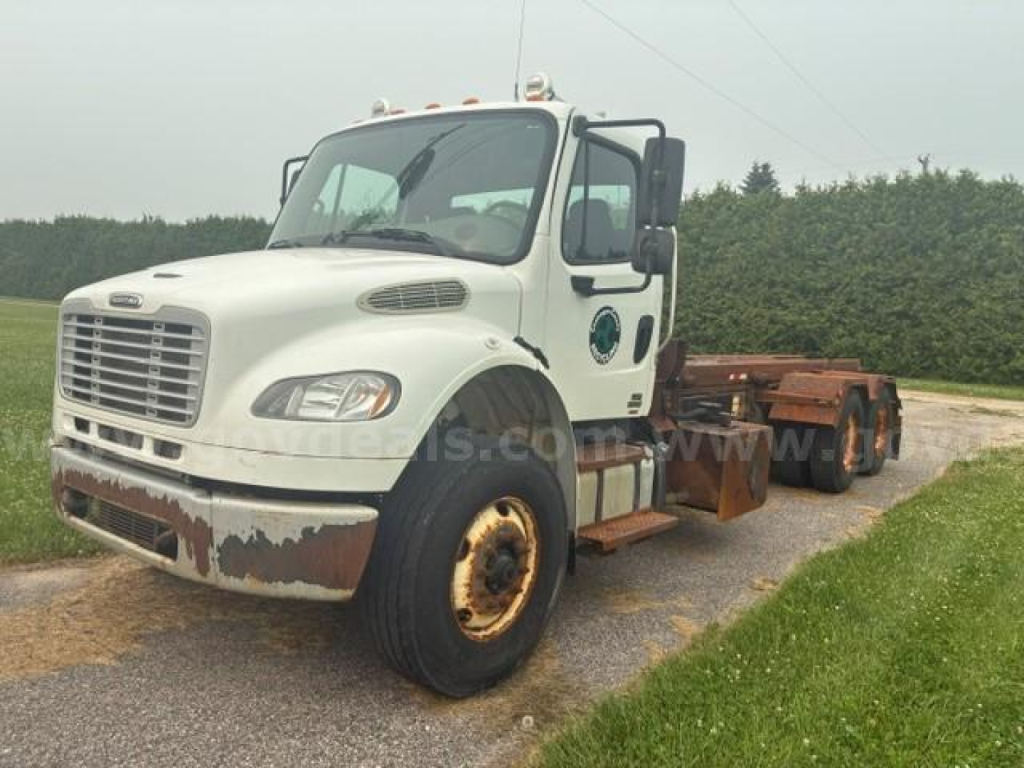
Michigan buyers usually need to pay close attention to corrosion, underbody condition, and evidence of winter service. Many used Freightliner vocational trucks in this region have spent years handling plow duty, salt spreading, or municipal fleet work, which can be a plus if maintenance records are strong but a concern if rust has reached the frame, body mounts, wiring, hydraulic components, or cab structure. On dump and snow-spec units, inspect the front hitch, belly plow hardware, spreader setup, tailgate operation, hoist condition, and PTO engagement. On sweepers and other specialty builds mounted on Freightliner chassis, look beyond engine hours and miles and evaluate the auxiliary systems, hydraulic performance, broom or conveyor wear, hopper condition, and the availability of replacement parts for the upfit.
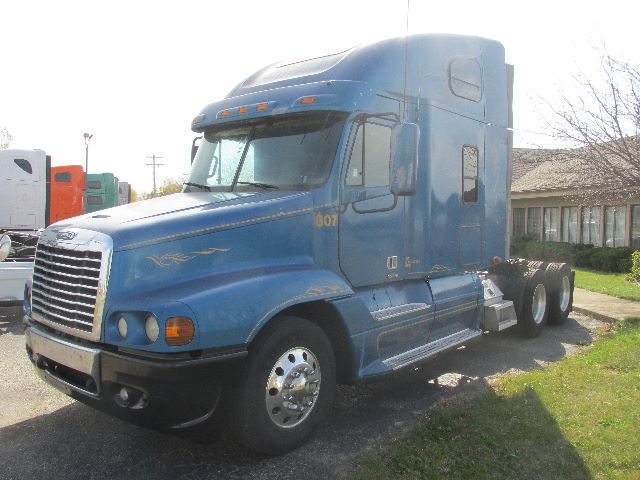
Powertrain choices vary by model year and application, but used Freightliner trucks commonly feature Cummins, Detroit, or Mercedes-Benz diesel engines paired with Allison automatic or Eaton manual transmissions. Medium-duty and severe-duty trucks often carry front axle ratings suited for plow or equipment loads, while highway tractors may be set up with tandem rear axles, air ride suspension, sliding fifth wheels, and ratios selected for fuel economy or regional hauling. Buyers should compare GVWR or GCWR, axle ratings, wheelbase, suspension type, brake configuration, and cab layout against the intended route and payload. For sleepers, sleeper size, bunk configuration, fairings, APU presence, and emissions-system service history matter. For straight trucks, body condition and the integration between chassis and body often matter as much as engine specs.
A used Freightliner remains popular because parts availability is generally strong, service networks are broad, and the brand has long been common in both fleet and owner-operator service. That said, the best value usually comes from trucks with a clear maintenance story, consistent application history, and specs that fit the work without major reconfiguration. A dump truck that already has the right plow gear, a sweeper chassis with documented service intervals, or a sleeper tractor with recent injector, EGR, brake, and tire work can be far more practical than a lower-priced unit that needs immediate shop time. When comparing used Freightliner trucks for sale in Michigan, focus on application fit, rust exposure, drivetrain configuration, and the condition of any vocational equipment mounted to the chassis.
Frequently Asked Questions about Used Freightliner Trucks in Michigan
What are the most common used Freightliner truck models in Michigan?
Common used Freightliner trucks in Michigan include the M2 106 and 108SD for medium-duty and severe-duty vocational work, older FL-series trucks such as the FL80, and highway tractors such as the Century. The M2 and SD platforms are frequently found with dump bodies, plows, spreaders, sweepers, and utility equipment. Highway models are more likely to be configured as day cabs or sleepers for regional and over-the-road freight.
What should I inspect first on a used Freightliner truck that worked in municipal or winter service?
Start with corrosion and structural condition. In Michigan, trucks used for plowing or salt spreading can show rust on frames, crossmembers, cab mounts, hydraulic lines, electrical connectors, dump bodies, spreader assemblies, and underbody plow components. After that, check PTO operation, hoist performance, front hitch wear, plow mounts, tailgate function, and any signs that wiring or hydraulics have been repeatedly repaired. Service records are especially valuable on municipal trucks because regular fleet maintenance can offset hard seasonal use.
Are Freightliner trucks good for vocational applications like dump, sweeper, and plow work?
Yes. Freightliner has a long presence in vocational trucking, especially with the M2 and SD-series chassis. These trucks are commonly spec'd for dump bodies, snow equipment, street sweepers, and utility bodies because they offer a wide range of wheelbases, axle ratings, PTO compatibility, and diesel engine and transmission combinations. The key is making sure the truck was originally built for the application or professionally upfitted, rather than modified later without proper frame and weight-distribution planning.
Which matters more on a used Freightliner truck, miles or hours?
It depends on the application. On highway tractors, mileage often tells more about drivetrain wear, while on vocational trucks such as sweepers, plow trucks, and municipal dumps, engine hours and PTO or auxiliary equipment hours can be just as important. A truck with moderate miles but very high idle time or extensive hydraulic equipment use may have more wear than the odometer suggests. Buyers should consider miles, hours, maintenance intervals, and actual job history together.
What engines and transmissions are commonly found in used Freightliner trucks?
Used Freightliner trucks often come with Cummins, Detroit, or Mercedes-Benz diesel engines, depending on model year and chassis type. Allison automatic transmissions are common in vocational trucks because they are well suited for stop-and-go work, snow operations, and PTO applications. Eaton manual transmissions are still common in highway tractors and some vocational configurations. The best choice depends on the route, driver preference, body equipment, and whether the truck will spend most of its time on the highway, in the city, or on seasonal municipal duty.