
Used 2004 Freightliner Trucks For Sale
Used 2004 Freightliner trucks, pre-DPF simplicity, Series 60 or Cat power, strong frames, corrosion resistant builds and low tare for better payload.
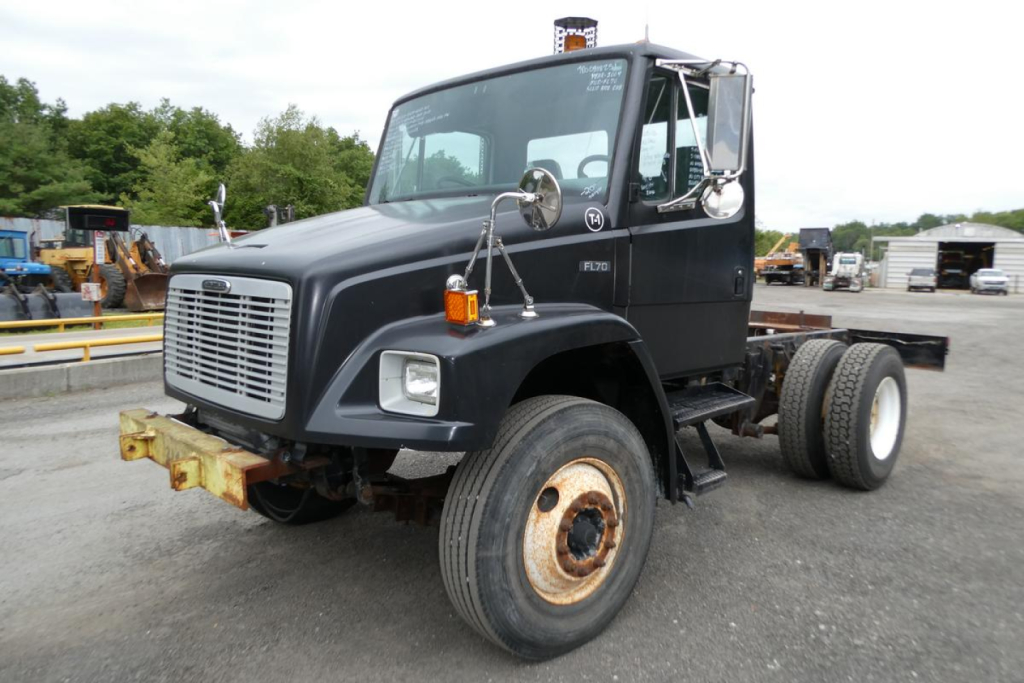
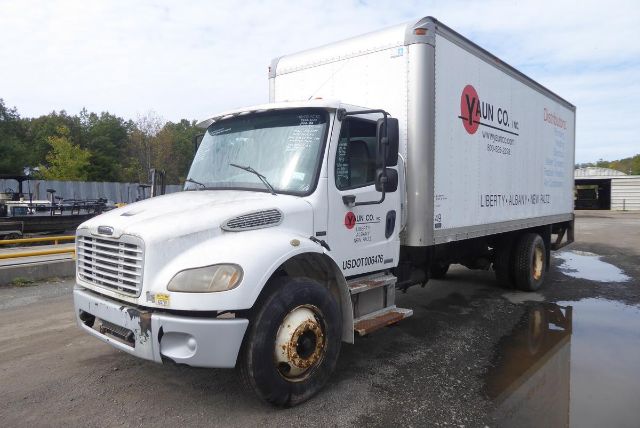
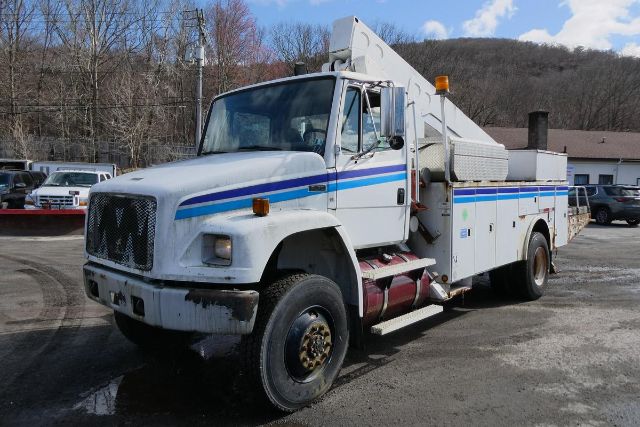

Selling a used 2004 freightliner truck? List your used 2004 freightliner truck for sale and reach thousands of commercial buyers.
Used 2004 Freightliner Trucks
Powertrain choices typically include Detroit Diesel Series 60 12.7 or 14.0 liter EGR, Caterpillar C15 or C13, Cummins ISX or ISM and Mercedes-Benz MBE4000, with M2 models often running MBE900, Cat C7 or Cummins ISC. Transmissions are commonly Eaton Fuller 10, 13 or 18 speed manuals, with Allison automatics on medium duty. Rear axle ratios drive the balance between fuel economy and startability; taller gearing trims cruise rpm and fuel burn, deeper ratios favor heavy loads at the expense of mpg. Tare weight swings with spec, aluminum wheels, single exhaust, smaller tanks and AirLiner suspension can remove hundreds of pounds, while double bunk sleepers, steel wheels and large fairing packages add weight and reduce payload.
Frames use heat treated steel rails with crossmembers designed for durability, paired with aluminum or composite cabs that resist corrosion better than all steel shells; still inspect rail flanges, suspension hangers, battery boxes, steps and fifth wheel mounts for rust, especially on northern trucks. Floor strength matters on straight trucks and vocational builds; look for 1.25 to 1.5 inch hardwood or laminated floors with crossmembers on 12 inch centers and aluminum scuff liners in van bodies, and for dumps or roll offs review AR400 or AR450 floor plate thickness and wear. Thermal integrity shows in cab and sleeper insulation, door and bunk seals and HVAC output; APUs or bunk heaters reduce idle time and help maintain temperature without excessive fuel use.
Braking is typically drum with ABS, and cooling packages from roughly 1,400 to 1,600 square inch cores handle most routes, although hot climates and grades reward larger radiators and clean charge air coolers. Match fifth wheel height and slider travel to your trailer fleet to hit legal axle weights with common kingpin settings. For corrosion resistance, favor aluminum tanks, stainless or aluminized exhaust, sealed connectors and intact coatings, and verify cab mount bushings, AirLiner or Hendrickson bushings, air system integrity and EGR cooler condition. A well spec’d 2004 Freightliner can deliver predictable operating costs with solid structure, sound floor systems where applicable, stable cab thermal performance and a tare weight that protects payload and profitability.
Frequently Asked Questions about Used 2004 Freightliner Trucks
Which engines are common in 2004 Freightliner trucks and how do they compare?
Typical options include Detroit Diesel Series 60 12.7 or 14.0 liter for broad parts support and good fuel economy when geared correctly, Caterpillar C15 or C13 for strong torque and rebuildability at the cost of added weight, Cummins ISX or ISM for balanced performance and service coverage and Mercedes-Benz MBE4000 or MBE900 for lighter tare in some vocational and medium duty roles. Condition and gearing matter more than the badge; review recent in-frame history, overhead sets, EGR cooler status, oil analysis and boost tests.
Are 2004 Freightliner trucks considered pre-emissions and what does that change for maintenance?
They are EGR era without DPF or DEF, so there is no aftertreatment filter or SCR system to service. Maintenance centers on cooling system health, EGR valve and cooler integrity, charge air piping, turbo condition and solid PM intervals. Simpler exhaust hardware reduces downtime risk compared to 2007 to 2009 builds, but neglected EGR cooling or CAC leaks can still drive fuel economy losses and elevated exhaust temps.
What corrosion and structural areas should I inspect on a 2004 Freightliner?
Focus on frame rail flanges near suspension hangers, fifth wheel brackets, crossmember ends, battery boxes, steps, cab mounts, door sills and under-sleeper structure. Aluminum cabs and fuel tanks resist rust, but look for galvanic corrosion at dissimilar metal joints and for blistered paint that suggests underfilm rust. On straight trucks, check body-to-frame brackets and cargo floor crossmembers for bowing or cracking. In salted regions, confirm intact undercoating and sealed electrical connectors.
How much does tare weight vary and how can I optimize it for payload?
Tare is driven by model, sleeper size, wheel material, fuel capacity, suspension type and exhaust configuration. A day cab on aluminum wheels with smaller tanks and AirLiner suspension can be hundreds of pounds lighter than a double bunk tractor on steel wheels with full fairings. For payload gains, target aluminum wheels, single exhaust, right-sized tanks for your route, lighter bumpers and fairings and avoid unnecessary interior options while maintaining driver comfort.
What should I look for regarding floor strength and thermal integrity on straight and sleeper trucks?
For straight trucks, inspect cargo floors for 1.25 to 1.5 inch hardwood or laminated planks, crossmembers on 12 inch centers and intact aluminum scuff liners; for dumps or roll offs, review floor plate thickness and wear patterns. For thermal integrity on sleepers, check door and bunk seal condition, insulation quality, HVAC blower performance and the presence of an APU or bunk heater to maintain temperature with minimal idling. A tight cab reduces HVAC cycling, driver fatigue and fuel consumption.