
Used 2008 Freightliner Trucks For Sale
Used 2008 Freightliner trucks with DPF pre-DEF emissions. Compare Cascadia, Columbia, M2 specs, engines and drivetrains for OTR, regional, vocational.
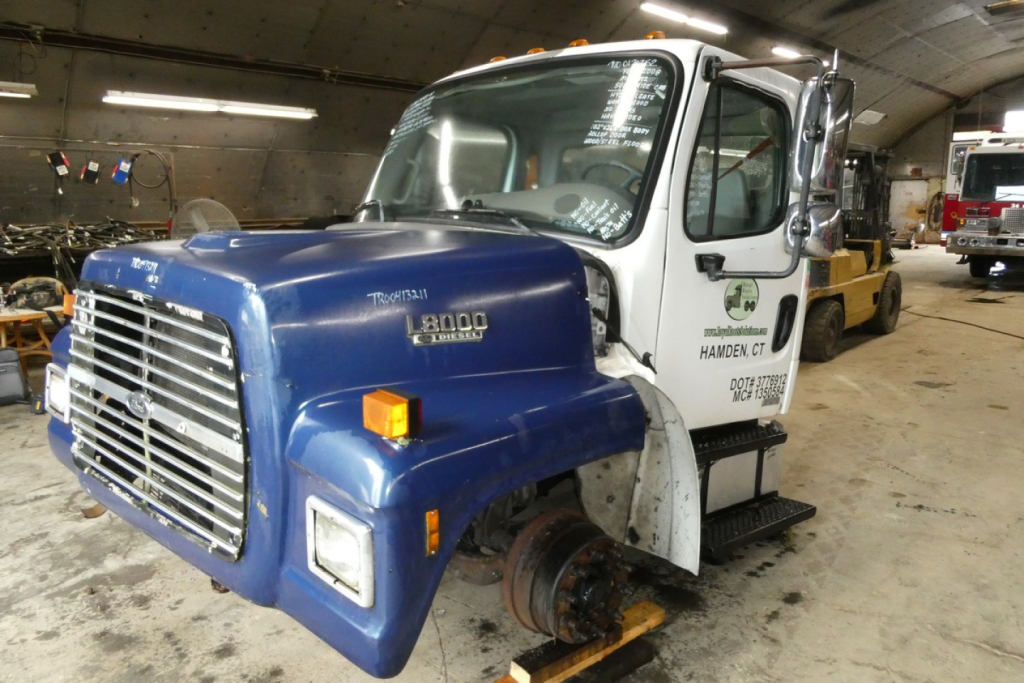
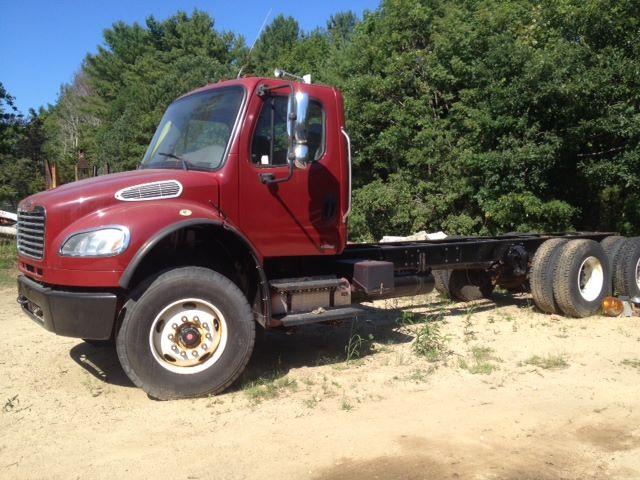

Selling a used 2008 freightliner truck? List your used 2008 freightliner truck for sale and reach thousands of commercial buyers.
Used 2008 Freightliner Trucks
Model mix spans long-haul sleepers and day cabs to medium-duty vocational. The 2008 Cascadia marked Freightliner’s newer cab and aero design with 48 to 72-inch sleepers, mid- and high-roof options, and improved visibility. Columbia and Century Class remained popular in regional and OTR fleets for straightforward serviceability. Business Class M2 106 and 112 cover box, reefer, flatbed and dump configurations, with GVWRs from 26,000 to 66,000 lb, single- or tandem-axle layouts and tight-turning set-back steer axles for urban work.
Driveline choices center on Eaton Fuller 10-, 13- and 18-speed manuals, Eaton UltraShift automated manuals on some highway specs, and Allison automatics on M2 vocational builds. Rear axle ratios from 3.21 to 3.90 are common, with 6x4 tandems the norm and Meritor or Dana axles. Freightliner AirLiner air ride is prevalent for ride quality and tire life, while leaf or Hendrickson vocational suspensions suit dumps and mixers. Typical 22.5 tires, aluminum wheels, sliding fifth wheels, APU installations, factory fairings and programmable idle shutdowns are frequent spec points to compare.
The trade-off with 2008 powertrains is DPF maintenance. Verify ash loading and cleaning history, regen behavior, EGR cooler condition, turbo actuator operation and injector balance. Review ECM reports for idle percentage and fault trends, check clutch wear on manuals, confirm ABS and HVAC operation on early Cascadia cabs, and inspect for frame corrosion, suspension bushings, kingpins and fifth wheel jaw wear. Fuel economy can be strong on a well-maintained Series 60 or DD15, but plan for periodic DPF service intervals. Confirm regional emissions rules, since several states including California restrict pre-2010 diesel engines for many applications without approved exemptions or retrofits.
Frequently Asked Questions about Used 2008 Freightliner Trucks
What engines are common in 2008 Freightliner trucks?
Typical engines include the Detroit Series 60 14.0L and early Detroit DD15, along with Cummins ISX and Caterpillar C15 ACERT. Ratings usually fall between 400 and 515 horsepower with up to 1850 lb-ft of torque. Availability varies by model and original fleet spec, so verify the exact engine family and calibration on each truck.
Do 2008 Freightliner trucks use DEF fluid?
No. Most 2008 Freightliner trucks use EPA 2007 emissions technology with EGR and a diesel particulate filter, so there is no DEF tank or SCR system. The system relies on passive and active DPF regens, which makes DPF condition and service history key buying considerations.
Which 2008 Freightliner models should I compare for my application?
For long-haul and regional, look at the Cascadia for its improved aerodynamics and cab ergonomics, and the Columbia or Century Class for simpler, proven platforms. For vocational or medium-duty, evaluate Business Class M2 106 or 112 in box, reefer, flatbed, utility or dump builds. Coronado targets premium vocational or heavy-spec applications with set-forward axle options and classic styling.
What should I inspect before buying a 2008 Freightliner?
Prioritize aftertreatment and cooling system health. Request DPF cleaning records, check for forced-regeneration history, inspect EGR cooler and turbo actuator function, and run an ECM download for fault codes and idle time. Perform a blow-by test, oil analysis, clutch inspection, and verify suspension bushings, kingpins, brake lining thickness and any frame rust. A road test and dyno are recommended on high-mileage units.
Are 2008 Freightliner trucks legal in California and other strict-emissions areas?
Many jurisdictions restrict pre-2010 diesel engines for commercial use. California’s Truck and Bus Regulation generally phases out 2009 and older diesel engines unless they have approved retrofits or qualify for specific exemptions. Confirm current rules with local agencies and verify the engine family and emissions label on the truck before purchase.